
Where is Kenya in Africa
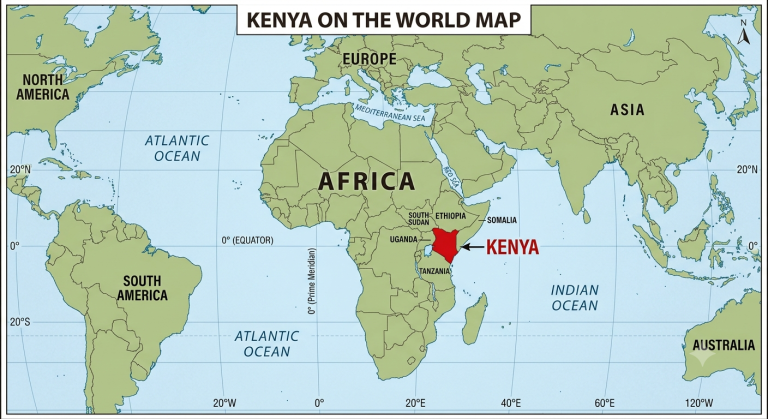
If you are currently sitting in front of your computer screen typing the exact question, “where is Kenya in africa?”, you are about to embark on a journey toward one of the most geographically diverse, culturally rich, and wildlife-abundant nations on the planet.
Understanding exactly where is Kenya in africa is the first step to planning the ultimate, unscripted African adventure. Whether you are looking for the roaring lions of the savannah, the pristine white sands of the Indian Ocean, or the high-octane thrill of navigating classic African highways on your own, this comprehensive guide has you covered.
In this deep-dive article, we will locate Kenya precisely on the continent, provide an expertly structured 12-Day self-drive safari starting and ending in Nairobi, lay out critical road safety precautions for international drivers, and showcase the top 20 must-visit destinations in the country
Ready to experience Africa on your own terms?
Stop letting tour buses dictate your adventure. We’ve mapped out the ultimate 12-Day Nairobi-to-Nairobi Self-Drive Safari that takes you straight through the heart of Kenya—from cycling past giraffes in Hell’s Gate to tracking the Big Five in the legendary Maasai Mara.
Get the full day-by-day roadmap, accommodation recommendations, and critical road safety tips now!
Where is Kenya in Africa? Locating the Cradle of Mankind
To answer the burning question—where is Kenya in africa?—we have to look directly at the eastern coast of the African continent. Kenya is dynamically positioned in East Africa.
The map of Africa is vast, but Kenya occupies a highly strategic and geographically unique piece of real estate. The Equator cuts directly through the center of the country, splitting it into almost equal northern and southern halves. This unique positioning means Kenya enjoys a tropical climate along its coastline and a comfortably warm, temperate climate across its interior highlands.
Kenya’s Borders and Geography
To get a crystal-clear picture of where is Kenya in africa, look at its immediate neighbors:
- To the East: It is bordered by Somalia and washes into the warm, turquoise waters of the Indian Ocean.
- To the North: It shares borders with Ethiopia and South Sudan.
- To the West: It is bordered by Uganda, sharing the vast waters of Lake Victoria.
- To the South: It shares its longest and most famous border with Tanzania, the home of the Serengeti (which seamlessly connects to Kenya’s own Maasai Mara).
Kenya covers roughly 580,367 square kilometers (about 224,081 square miles), making it the 48th largest country in the world. It stretches from the low-lying coastal plains of Mombasa up to the dramatic peaks of Mount Kenya (the second-highest mountain in Africa at 5,199 meters) and plunges into the deep, volcanic trenches of the Great Rift Valley.
Now that you know exactly where is Kenya in africa, let’s talk about how to experience it in the absolute best way possible: behind the wheel of a 4×4 vehicle.

The Ultimate 12-Day Kenya Self-Drive Safari From Nairobi
A self-drive safari gives you ultimate freedom. You aren’t stuck on a rigid tour company schedule; you can stop whenever a herd of elephants crosses the road or spend an extra hour watching a cheetah stalk its prey.
Below is a meticulously curated, highly practical 12-day self-drive route. It takes you through bustling urban spaces, volcanic landscapes, dramatic freshwater lakes, and the undisputed crown jewel of global wildlife conservation.
Route Overview
- Start/End: Nairobi
- Total Driving Distance: Approximately 850 kilometers
- Terrain: Smooth tarmac highways transitioning into rough, unpaved murram (gravel/dirt) roads inside the national parks.
- Vehicle Required: A robust, high-ground-clearance 4WD vehicle (e.g., Toyota Land Cruiser or Toyota Hilux Surf) equipped with a pop-up roof or rooftop tent.
Day 1: Arrival in Nairobi & Vehicle Briefing
Welcome to the “Green City in the Sun.” Arrive at Jomo Kenyatta International Airport (NBO). Pick up your rental 4×4 vehicle from your chosen agency directly at the airport or have it delivered to your hotel. Spend the afternoon getting a comprehensive briefing on the vehicle, checking your spare tires, tools, and recovery gear.
- Drive Time: Minimal (City driving)
- Accommodation: The Stanley Hotel (Luxury/Historic) or Eka Hotel (Mid-range, close to the airport/highway).
Day 2: Urban Safari in Nairobi
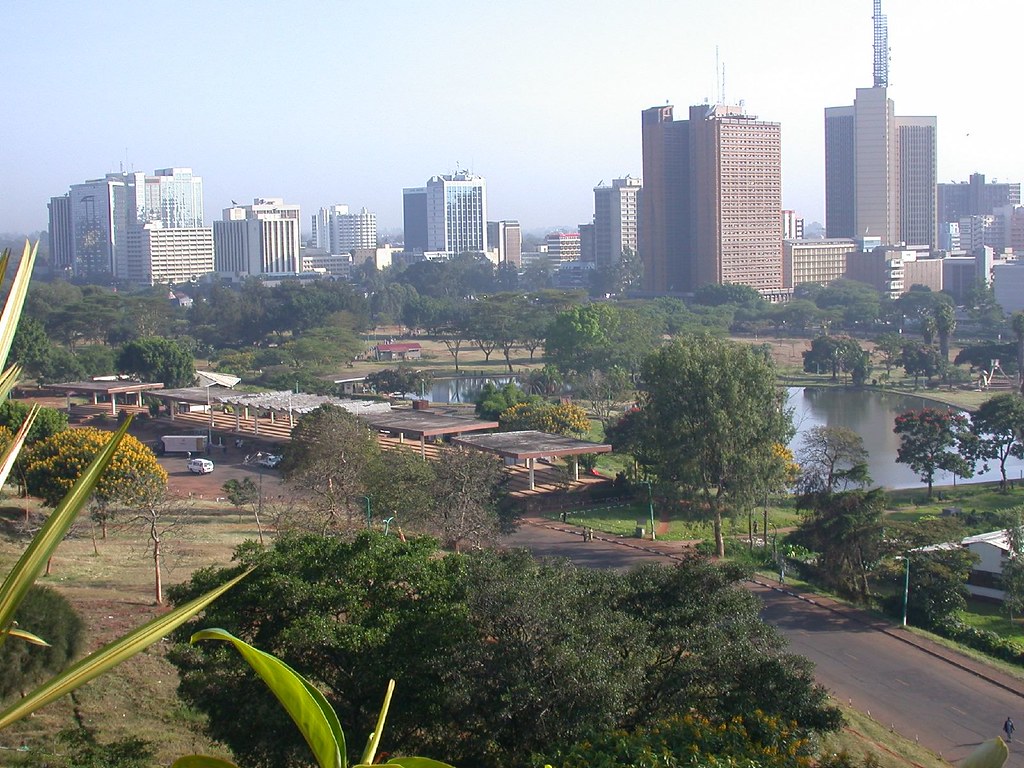
Before hitting the open highway, explore Nairobi’s unique wildlife sanctuaries. Drive down to the David Sheldrick Wildlife Trust in the morning to see rescued baby elephants being bottle-fed. Afterward, navigate over to the Giraffe Centre in Karen to feed endangered Rothschild giraffes by hand. Finish your afternoon with an optional quick loop into Nairobi National Park—the only national park in the world that sits directly adjacent to a capital city skyscraper skyline.
- Accommodation: Same as Day 1.
Day 3: Nairobi to Mount Longonot & Lake Naivasha
Pack up early and hit the A104 highway driving northwest. As you crest the corner of the Limuru escarpment, pull over at the Great Rift Valley Viewpoint for a breathtaking look at the massive volcanic depression below. Drop down the floor of the valley and stop at Mount Longonot National Park. If you are fit, take the 4-5 hour hike up and around the rim of this dormant volcano. Afterward, drive an hour further to Lake Naivasha, a gorgeous freshwater lake.
- Drive Time: 2.5 hours (approx. 100 km)
- Accommodation: Lake Naivasha Sopa Resort (Mid-range/Luxury, where zebras and waterbucks roam freely on the lawns) or Camp Carnelley’s (Budget/Charming camp on the lakeside).
Day 4: Cycling in Hell’s Gate National Park
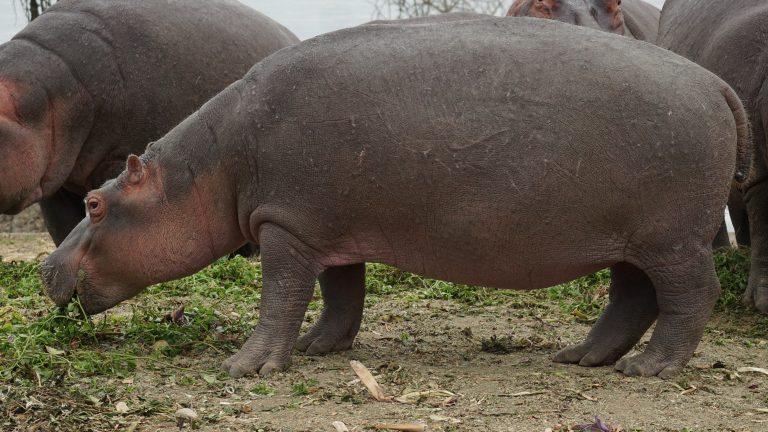
Drive a few kilometers from your lodge to the gates of Hell’s Gate National Park. This is one of the incredibly rare wildlife parks in Africa where you are legally allowed to walk or ride bicycles without a guide, as there are no large predators. Rent a mountain bike at the gate and cycle past grazing giraffes, zebras, buffaloes, and towering volcanic basalt cliffs. In the afternoon, take a relaxing boat ride on Lake Naivasha to see massive pods of resident hippos and diving African fish eagles.
- Accommodation: Same as Day 3.
Top 20 Must-Visit Destinations in Kenya
While the 12-day self-drive itinerary covers the magnificent highlights of the Great Rift Valley and the Maasai Mara, Kenya is packed with dozens of other world-class destinations spanning from alpine peaks to historical island towns.
The table below outlines the top 20 destinations you should add to your ultimate Kenyan travel bucket list:
| Destination Name | Primary Travel Highlight / Appeal |
| 1. Maasai Mara National Reserve | The absolute pinnacle of wildlife viewing and the Great Wildebeest Migration. |
| 2. Amboseli National Park | Famous for massive herds of free-roaming elephants backdropped by Mount Kilimanjaro. |
| 3. Diani Beach | Flawless, powdery white-sand coastline along the warm Indian Ocean. |
| 4. Lake Nakuru National Park | Premier sanctuary for black and white rhinos alongside millions of pink flamingos. |
| 5. Tsavo East National Park | One of Kenya’s largest, wildest parks, famous for its red-dust-covered elephants. |
| 6. Tsavo West National Park | Dramatic volcanic landscapes, Shetani lava flows, and crystal-clear Mzima Springs. |
| 7. Samburu National Reserve | Arid northern landscape home to unique wildlife like the Reticulated Giraffe and Grevy's Zebra. |
| 8. Mount Kenya National Park | Africa's second-highest peak; an absolute paradise for adventurous alpine trekkers. |
| 9. Lamu Old Town | A breathtaking UNESCO World Heritage site showcasing preserved 14th-century Swahili culture. |
| 10. Hell’s Gate National Park | Unique volcanic landscape allowing visitors to cycle directly alongside wild plains game. |
| 11. Ol Pejeta Conservancy | Home to the world's last two remaining northern white rhinos and a chimpanzee sanctuary. |
| 12. Lake Naivasha | Fresh-water boating paradise teeming with hundreds of bird species and large hippo pods. |
| 13. Watamu Marine National Park | Exceptional coastal spot for coral reef snorkeling, deep-sea diving, and dolphin watching. |
| 14. Nairobi National Park | The planet's only operational wildlife park operating directly against a capital city skyline. |
| 15. Chyulu Hills National Park | Stunning, rolling green volcanic hills that inspired Hemingway’s Green Hills of Africa. |
| 16. Lake Turkana | Known as the "Jade Sea," it is the world's largest permanent desert and alkaline lake. |
| 17. Aberdare National Park | Deep, mist-shrouded mountain valleys, spectacular waterfalls, and historic tree-house lodges. |
| 18. Mount Elgon National Park | Massive solitary volcanic mountain featuring deep caves frequented by salt-mining wild elephants. |
| 19. Kisite-Mpunguti Marine Park | Pristine southern oceanic sanctuary offering world-class swimming alongside wild sea turtles. |
| 20. Lake Baringo | A remote, peaceful freshwater Rift Valley lake renowned for exceptional birdwatching. |
Day 5: Lake Naivasha to Lake Nakuru National Park
Set off on a smooth, scenic drive further up the Great Rift Valley floor toward the bustling town of Nakuru. Lake Nakuru National Park is an absolute haven for bird enthusiasts and a premier sanctuary for both southern white rhinos and critically endangered black rhinos. Spend your afternoon on a slow game drive around the lake’s edge.
- Drive Time: 2 hours (approx. 80 km)
- Accommodation: Sarova Lion Hill Game Lodge (Luxury, overlooking the lake) or Lake Nakuru Lodge (Mid-range).
Day 6: Rhinos, Leopards, and Flamingos in Nakuru
Dedicate today to a full-day exploration of Lake Nakuru. Rise at dawn for a morning game drive when predators are most active. Scan the branches of the yellow-barked acacia trees carefully; Lake Nakuru is famous for its high concentration of tree-climbing leopards. Drive up to Baboon Cliff for a panoramic, bird’s-eye view of the entire shimmering alkaline lake, which hosts thousands of flamingos turning the shoreline a vibrant pink.
- Accommodation: Same as Day 5.
Day 7: Lake Nakuru to the Maasai Mara National Reserve
This is your most demanding driving day. Leave Nakuru early and drive south via Njoro toward Narok town. Narok is your last reliable outpost for fuel, ATM access, and large supermarkets, so fill up your tank and restock your cooler box here. From Narok, the smooth tarmac eventually gives way to rough, corrugated dirt roads heading into the legendary Maasai Mara National Reserve. Arrive at your lodge or camp in time for a sundowner drink overlooking the savannah.
- Drive Time: 5 to 6 hours (approx. 220 km)
- Accommodation: Mara Serena Safari Lodge (Luxury, prime location inside the park) or Talek Bush Camp (Mid-range/Budget comfort right outside the Talek Gate).
Day 8 & Day 9: Exploring the Plains of the Maasai Mara
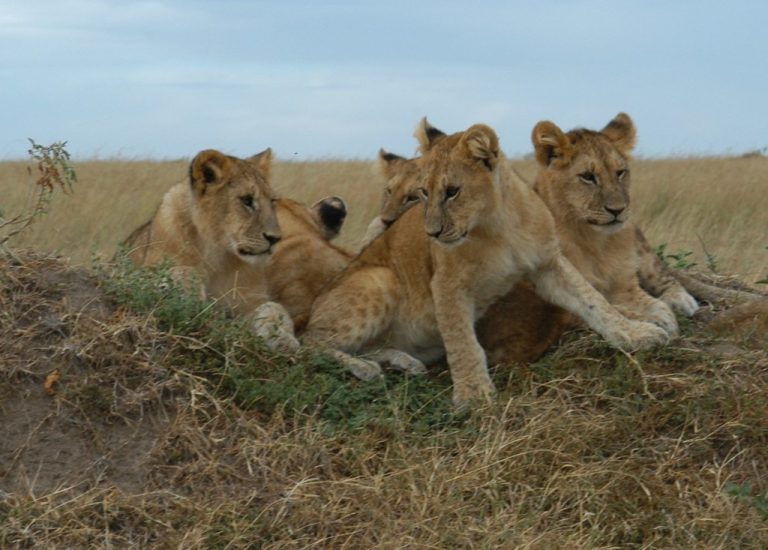
Spend two glorious, unhurried days exploring the boundless, golden plains of the Mara. Since you are self-driving, pack a picnic lunch from your lodge and spend the entire day out in the wild. Track the “Big Five” (Lion, Leopard, Elephant, Buffalo, and Rhino). If you are visiting between July and October, drive down toward the Mara River to witness the spine-tingling drama of the Great Wildebeest Migration, where millions of animals plunge across crocodile-infested waters.
- Accommodation: Same as Day 7.
Day 10: Maasai Mara to Lake Elementaita
Bid farewell to the Mara and trace your tracks back through Narok town, turning back toward the Rift Valley floor to settle at the peaceful, lesser-visited Lake Elementaita. This volcanic, glassy lake is an ideal, quiet oasis to unwind and wash off the thick red dust of the Mara savannah roads. Enjoy a peaceful walking safari along the shores of the lake, spotting pelicans and flamingos.
- Drive Time: 5 hours (approx. 240 km)
- Accommodation: Lake Elmenteira Serena Camp (Luxury glamping) or The Pelican Lodge (Mid-range).
Day 11: Lake Elementaita back to Nairobi
Enjoy a late, relaxed breakfast overlooking the lake before making the smooth uphill drive back to the capital city. Once back in Nairobi, head to the famous Utamaduni Craft Center or the Maasai Market to shop for beautiful, handcrafted beaded jewelry, wood carvings, and traditional Swahili Kikoy wraps. Celebrate your final night with an epic game-meat dinner at the world-renowned Carnivore Restaurant.
- Drive Time: 2.5 hours (approx. 130 km)
- Accommodation: Villa Rosa Kempinski (Luxury indulgence) or Fairview Hotel (Mid-range country comfort in the city).
Day 12: Vehicle Return & Departure
Depending on your flight schedule, take a morning stroll through the historic Nairobi National Museum. Return your rental 4×4 vehicle to the agency, ensuring a full inspection is completed. Transfer to Jomo Kenyatta International Airport for your international flight back home, officially concluding your 12-day Kenyan self-drive expedition.
Critical Kenyan Road Precautions for Self-Drivers
Driving in Kenya is an exhilarating experience, but it requires sharp focus, defensive driving tactics, and a good understanding of local road dynamics.- Secure Your Paperwork First:Prerequisite: Kenya drives on the left side of the road (British style). To drive legally, you must possess a valid International Driving Permit (IDP) paired alongside your original domestic driver’s license. Rental companies will refuse to hand over keys without both documents.
- Master Defensive Highway Maneuvers:Ongoing Technique: Major arteries like the Nairobi-Nakuru Highway (A104) are busy transit routes. Expect aggressive overtaking from long-distance trucks and Matatus (local public minibuses). If a heavy truck or bus flashes its headlights at you, it means: “I am coming through, clear the way.” Always yield to larger vehicles.
- Understand Local Speed Limits:Legal Compliance: Speed limits are heavily enforced by traffic police using hidden radar guns. The limits are 50 km/h in built-up urban zones and towns, 80 km/h on rural open highways, and 110 km/h on designated dual carriageways like the Nairobi Expressway.
- Ban All Nighttime Driving:Safety Standard: Never drive on rural highways or inside national parks after dusk (7:00 PM). Roads lack street lighting, and you risk hitting wandering livestock, deep unmapped potholes, unlit broken-down vehicles, or wild animals crossing the road in total darkness.
- Handle Police Checkpoints Calmly:Interpersonal Protocol: Routine police roadblocks are common on major highways. When flagged down, slow down smoothly, roll down your window, and offer a friendly greeting (“Habari sir!“). Present your license, rental contract, and passport. If an officer claims an infraction, politely request an official written fine ticket; never offer or engage in illegal bribery.