
Zimbabwe - Your Ultimate Tour Guide
Spanning across the high-altitude plateau between the mighty Zambezi and Limpopo rivers, Zimbabwe is a land defined by dramatic contrasts, ancient mysteries, and some of the most raw, untamed wilderness on the African continent. For decades, those in the know have quietly celebrated this landlocked jewel as Southern Africa’s best-kept secret. Recognized by global travel authorities as a premier destination for authentic travel, Zimbabwe has officially stepped into the limelight as a must-visit sanctuary.
This is a destination where nature still dictates the pace of life. It is a country where you can stand in the mist of the world’s largest falling sheet of water in the morning, track a pride of lions on foot by afternoon, and sleep under a dome of stars undisturbed by the modern world. From the monumental stone ruins of ancient empires to the jagged, mist-veiled peaks of the Eastern Highlands, Zimbabwe offers an immersive journey through time, culture, and nature.
1. The Mighty Zambezi and the Wonders of Water
At the northern frontier of Zimbabwe lies the Zambezi River, a massive water system that shapes the country’s geography, wildlife density, and adventure culture. Along its path lie two of Africa’s most iconic aquatic attractions.
Victoria Falls (Mosi-oa-Tunya)
Known locally as Mosi-oa-Tunya—”The Smoke that Thunders”—Victoria Falls is one of the Seven Natural Wonders of the World. Spanning an astonishing 1.7 kilometers (over a mile) wide and plunging more than 108 meters into the basalt depths of the Batoka Gorge, it is the largest falling curtain of water on Earth.
During the peak flood season from February to May, the columns of spray can be seen from up to 48 kilometers away, hanging like a permanent storm cloud over a lush, rain-drenched forest. Visitors can walk the network of paved trails opposite the sheer rock face, experiencing the refreshing downpour of the spray first-hand.
For the thrill-seekers, Victoria Falls is the adventure capital of Africa:
- White-Water Rafting: Experience the sheer power of the Zambezi in the wild rapids of the Batoka Gorge below the falls.
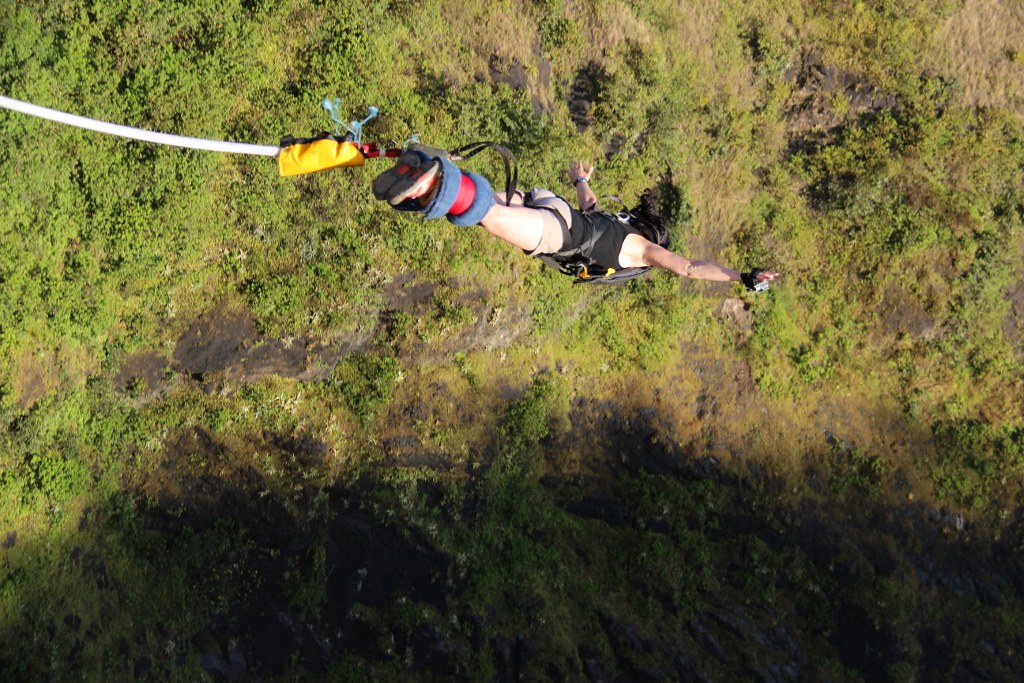
- Bungee Jumping: Plunge 111 meters off the historic Victoria Falls Bridge, suspended between Zimbabwe and Zambia.
- The “Flight of the Angels”: Soar above the roaring chasm in a helicopter or microlight for an unforgettable aerial perspective.
Lake Kariba: The Inland Sea
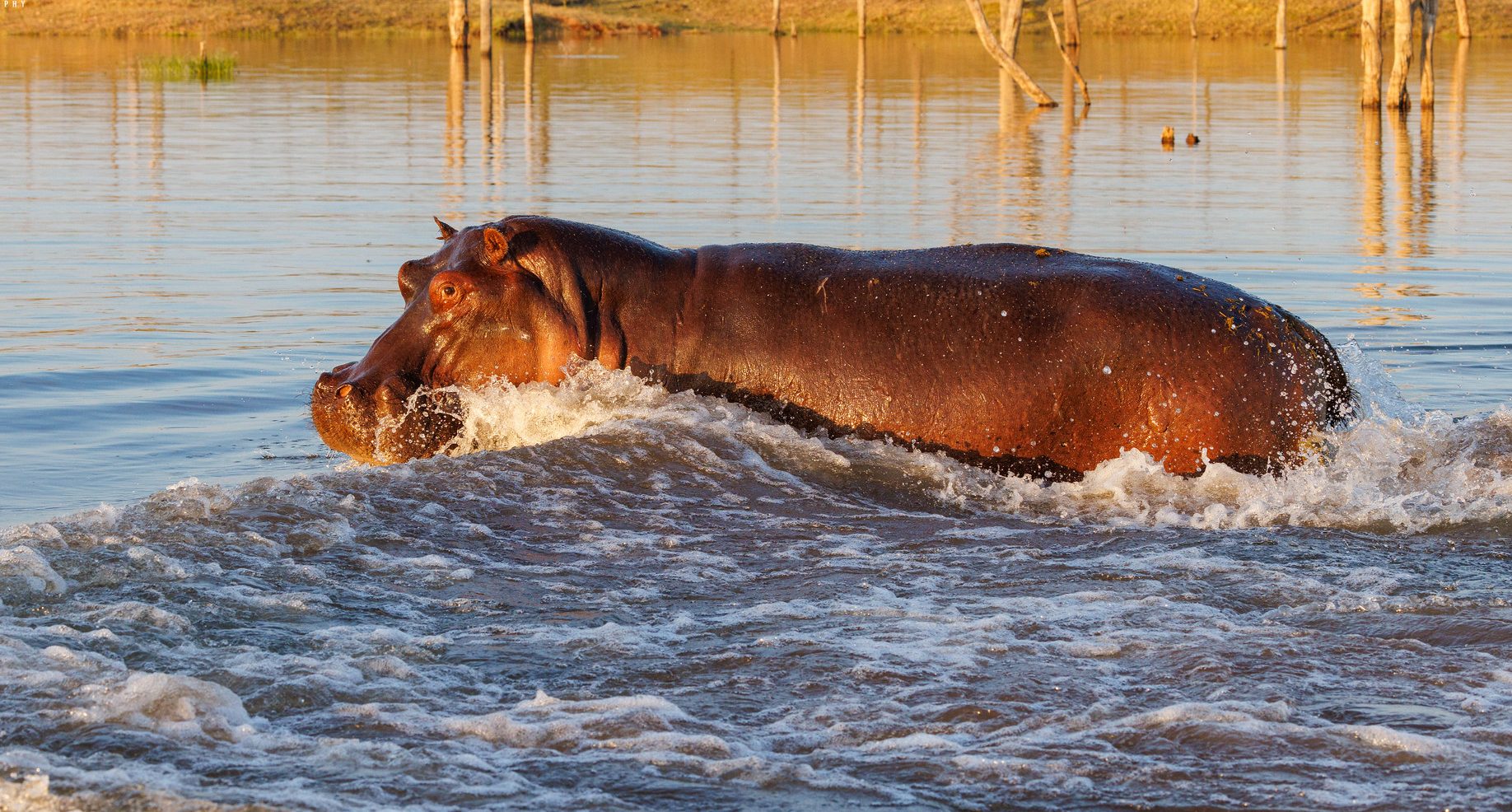
Further downstream, the Zambezi was tamed in the late 1950s to create Lake Kariba, the world’s largest man-made reservoir by volume. What resulted is a surreal, beautiful landscape where the bleached bones of ancient, drowned leadwood trees rise out of deep blue waters against a backdrop of the purple Matusadona mountains.
Kariba is a sanctuary for both wildlife and weary travelers. The most rewarding way to experience it is by chartering a multi-cabin houseboat. From the deck of your floating home, you can watch elephant herds swim between islands, listen to the haunting cry of the African fish eagle, and cast a line for the ferocious Tigerfish, a legendary fighter highly prized by sport anglers worldwide.
2. Into the Wild: World-Class Safaris
Zimbabwe’s conservation philosophy centers on preserving vast, unfenced ecosystems where animals can migrate naturally. Because the country has avoided the mass-market commercialization seen in some African destinations, your safari here feels incredibly exclusive, intimate, and real.
Hwange National Park: The Land of Giants
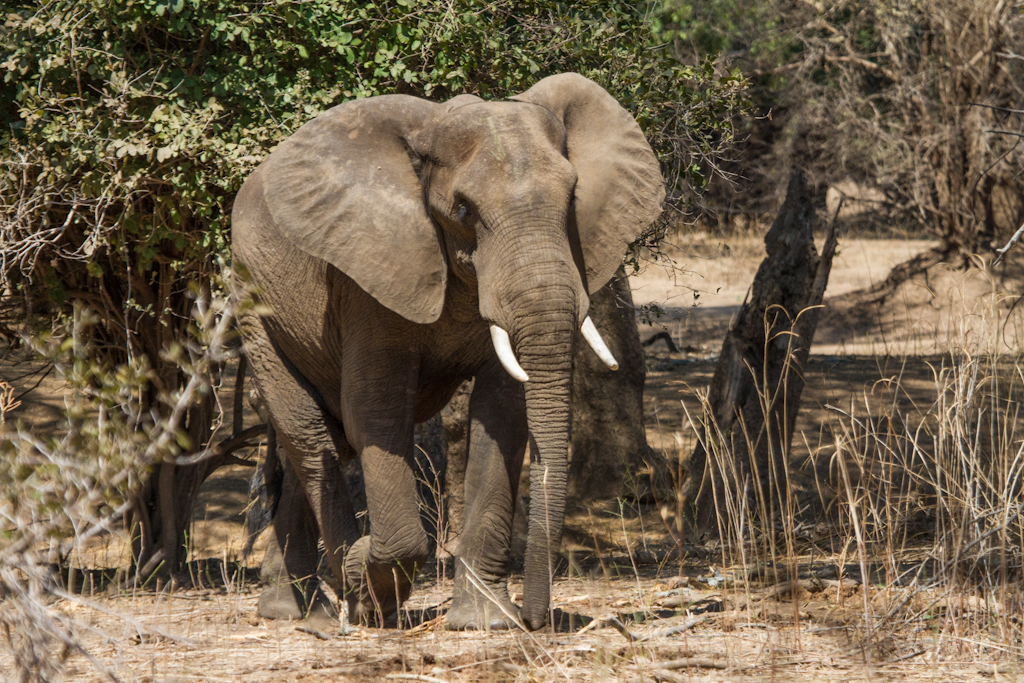
Covering over 14,600 square kilometers, Hwange National Park is Zimbabwe’s oldest and largest game reserve. Bordering the Kalahari Desert in the west, it is famous for hosting one of the denseest elephant populations on earth—with herds numbering in the tens of thousands.
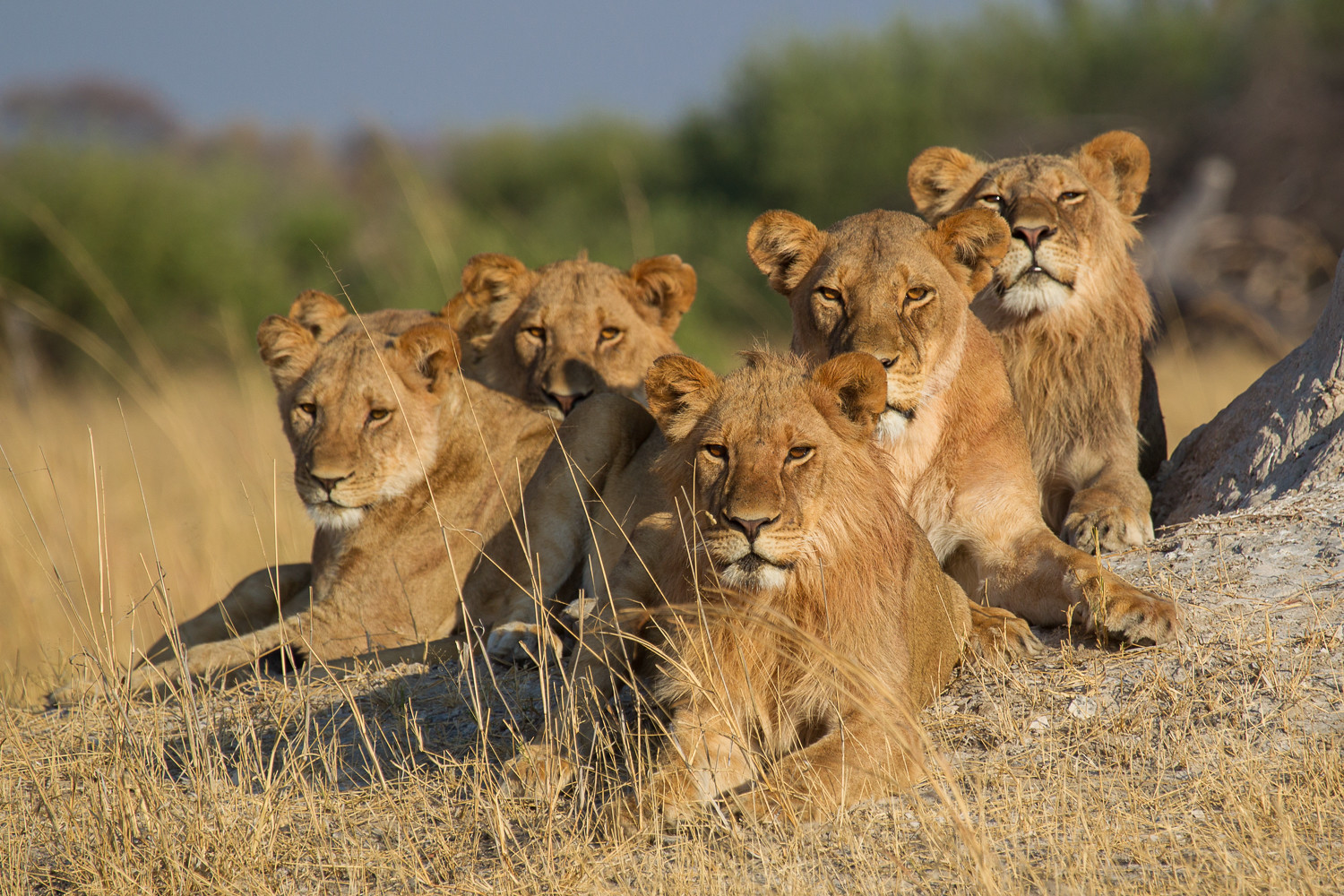
During the dry season (July to October), these gentle giants, along with massive buffalo herds, prides of lions, leopards, and the critically endangered African wild dog, gather around the park’s pumped waterholes. Sitting quietly in an underground viewing “hide” next to a waterhole while a herd of eighty elephants drinks just inches away is a heart-stopping, life-changing encounter.
Mana Pools National Park: A UNESCO Masterpiece
For the ultimate bush purist, Mana Pools National Park is a sacred place. Located in the far north, this UNESCO World Heritage Site is a dynamic floodplain of the Zambezi River, where four large, permanent pools are shaded by massive forests of albida and mahogany trees.
Mana Pools is globally renowned for two things:
- Walking Safaris: The open understory of the forest allows for excellent visibility, making it the premier destination in Africa to track big game on foot with highly trained armed guides.
- Standing Elephants: The local bull elephants, most famously one named “Boswell,” have learned to stand on their hind legs to reach the nutritious seed pods of the high albida trees—a spectacular display of intelligence and adaptation.
3. Whispers of Stone: History and Ancient Civilizations
While Zimbabwe is celebrated for its natural wonders, its historical and cultural depth is equally compelling. The very name of the country is derived from the Shona term Dzimba dza mabwe, meaning “houses of stone,” in honor of its architectural history.
Great Zimbabwe National Monument
Hidden away in the hills near Masvingo lie the ruins of Great Zimbabwe, the capital of a wealthy, medieval trading empire that ruled the region between the 11th and 15th centuries.
At its peak, this metropolis housed upwards of 18,000 people and traded gold, ivory, and glass beads with merchants from Arabia, India, and China. The most breathtaking feature of Great Zimbabwe is its dry-stone masonry. The massive, curved walls of the “Great Enclosure,” some rising up to 11 meters high, were constructed entirely without the use of mortar, using precisely shaped granite bricks that have withstood the test of centuries. Walking through these narrow, shadowed stone passageways feels like stepping into a forgotten dimension of African history.
Matobo Hills: Granite Giants and Sacred Spaces
Located just south of Bulawayo, Matobo National Park features an otherworldly landscape of massive granite kopjes—colossal boulders balanced precariously on top of one another by millions of years of erosion.
Matobo holds immense spiritual significance for the local Ndebele and Shona people. It is also home to:
- San Rock Art: Matobo contains one of the highest concentrations of prehistoric rock art in Southern Africa, with thousands of paintings hidden in caves and rock shelters dating back over 2,000 years.
- Rhino Sanctuary: This park is an intensive protection zone for both black and white rhinoceroses, offering a rare opportunity to track these prehistoric beasts on foot with dedicated rangers.
- World’s View: A flat granite summit that offers panoramic views of the rugged landscape. This is also the burial site of Cecil John Rhodes, whose presence remains a complex and provocative chapter of regional history.
4. The Eastern Highlands: A Surprising Paradise
When people think of Africa, they rarely envision mist-shrouded green mountains, pine forests, cold-water trout streams, and cozy log fires. Yet, that is exactly what awaits in Zimbabwe’s Eastern Highlands. Stretching along the eastern border with Mozambique, this region is divided into three distinct, breathtaking areas:
- Nyanga: A high-altitude plateau of rolling green hills, home to Mount Nyangani (Zimbabwe’s highest peak) and the tumbling Mutarazi Falls, where adrenaline lovers can walk across a spectacular skywalk suspended high above a forested gorge.
- Vumba: An area of enchanting, mist-shrouded forests, lush botanical gardens, and boutique coffee plantations. It is a paradise for birdwatchers and those looking to slow down.
- Chimanimani: A rugged mountain range of jagged quartzite peaks, deep gorges, and pristine wilderness. This is the ultimate playground for self-sufficient hikers and wild campers looking to escape the grid.
6. What Makes Zimbabwe Truly Special?
The Gold Standard of Guiding
The true unsung heroes of Zimbabwe’s tourism industry are its safari guides. The licensing process to become a Professional Guide in Zimbabwe is widely considered the most rigorous and demanding in Africa, requiring up to seven years of intense study, practical apprenticeship, and grueling exams. When you step into the bush with a Zimbabwean guide, you are walking with a master tracker, botanist, historian, and conservationist who will keep you safe while revealing the intricate secrets of the wild.
The Warmth of Its People
Beyond the waterfalls, ruins, and wildlife, Zimbabwe’s greatest asset is its people. Known for their genuine warmth, legendary resilience, and authentic hospitality, Zimbabweans have a natural gift for making visitors feel not just welcomed, but truly at home. The pride they take in sharing their country’s natural and cultural riches is infectious, ensuring your journey is filled with laughter, deep conversations, and lifelong friendships.
7. Practical Guide for Travelers
Getting There and Around
Zimbabwe has invested significantly in its infrastructure. The newly expanded Robert Gabriel Mugabe International Airport in Harare and the modernized Victoria Falls International Airport welcome direct flights from major regional hubs, making travel more accessible than ever before. Internal charter flights connect all major parks, while well-maintained main roads link the key urban areas of Harare and Bulawayo.
Entry Requirements and Health
Most international visitors can easily obtain a tourist visa upon arrival at entry points. Standard travel health precautions apply, and malaria prophylactics are highly recommended, especially when visiting low-lying areas like Victoria Falls, Hwange, and Kariba.
What to Pack
- Clothing: Lightweight, neutral-colored clothing (khaki, beige, olive) for safaris. Warm layers for chilly morning game drives and high-altitude mountain evenings in the Eastern Highlands.
- Footwear: Sturdy, broken-in walking shoes or hiking boots, especially for walking safaris or hiking in national parks.
- Protection: High-factor sunscreen, a wide-brimmed hat, polarized sunglasses, and effective insect repellent.
Your Adventure Awaits
Zimbabwe is not just a place you look at; it is a destination you feel. It is the rumbling vibration of Victoria Falls deep in your chest. It is the crisp scent of morning dew on the dry grass of the savannah. It is the eerie, majestic silence of a medieval stone palace.
If you are looking for an African travel experience that is deeply authentic, wild, safe, and profoundly moving, Zimbabwe is ready to welcome you.