
Zimbabwe Self-Drive: The Ultimate 4x4 Overlanding Guide
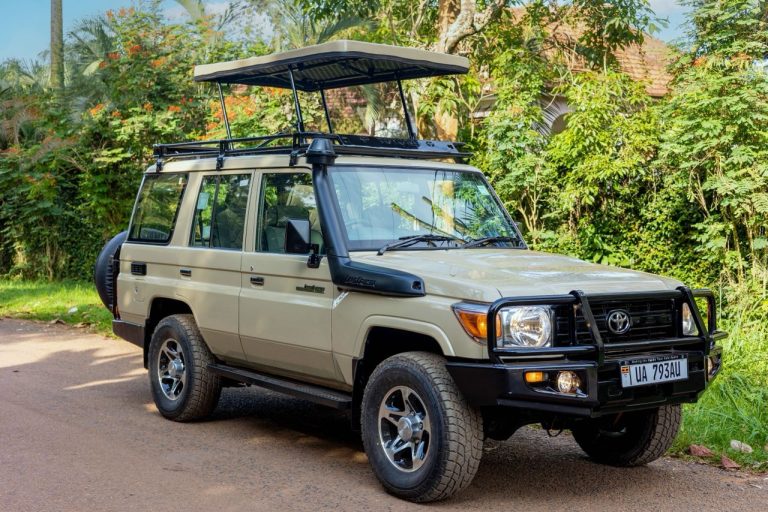
There is a unique kind of magic that occurs when you are behind the wheel of a rugged, high-clearance $4 \times 4$, navigating the red-earth tracks of the African bush. The engine hums a steady rhythm, the dust rises in a soft plume behind you, and the horizon stretches out, vast, unbroken, and endlessly inviting.
While fly-in safaris offer convenience, they insulate you from the true essence of Africa. To truly know Zimbabwe—to understand its shifting landscapes, to feel the rhythm of its rural villages, and to experience its raw, untamed wilderness on your own terms—you must drive it yourself.
A self-drive safari in Zimbabwe is one of the continent’s last great overlanding adventures. It is a journey for the independent traveler, the seeker of quiet spaces, and the road-tripper who believes that the journey itself is just as important as the destination.
This comprehensive guide is designed to provide you with everything you need to know to plan, execute, and enjoy an unforgettable self-drive expedition through Zimbabwe.
1. Why Choose Zimbabwe for a Self-Drive Safari?
For many years, self-driving in Southern Africa was synonymous with Namibia or South Africa. Zimbabwe was often overlooked, reserved primarily for guided tours. However, that has changed. Zimbabwe has emerged as an elite self-drive destination. Here is why this country belongs at the very top of your overlanding bucket list:
Unmatched Wilderness Intimacy
Unlike some of Africa’s highly commercialized parks where dozens of vehicles crowd around a single lion sighting, Zimbabwe’s national parks remain beautifully wild, remote, and uncrowded. In parks like Hwange, Mana Pools, or Gonarezhou, it is highly common to spend an entire day driving without encountering another vehicle. When you find a leopard draped over a branch or a herd of breeding elephants crossing a dry riverbed, the moment belongs to you alone.
Exceptional Park Infrastructure for Campers
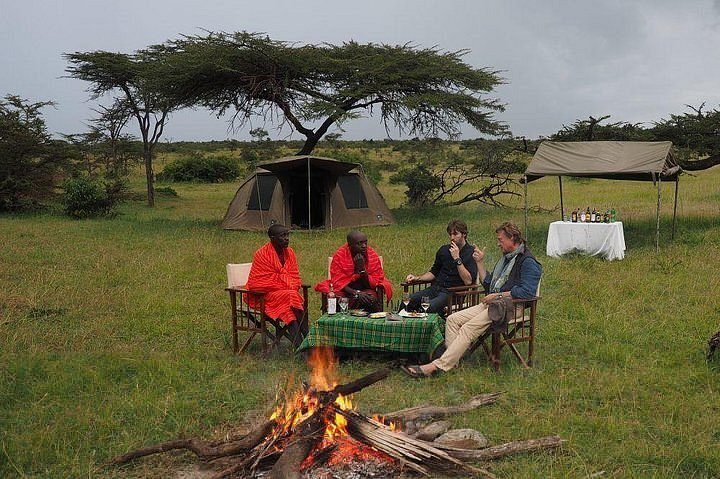
Zimbabwe’s National Parks and Wildlife Management Authority (ZimParks) maintains an incredible network of campsites. These range from standard communal campsites with hot showers and braai (barbecue) facilities to highly exclusive, private “wild” campsites. At these exclusive sites, you are allocated a massive tract of land—often right on a riverbank or overlooking a busy waterhole—completely to yourself. There are no fences, no electricity, and no neighbors. It is just you, your $4 \times 4$ vehicle, and the sounds of the African night.
Diverse, Multi-Terrain Geography
A self-drive trip through Zimbabwe is never monotonous. Over the course of a single itinerary, you can navigate:
- The flat, sandy Kalahari-sand tracks of Hwange National Park.
- The dramatic, prehistoric granite pass roads of the Matobo Hills.
- The lush, winding mountain passes of the Eastern Highlands, which resemble the Scottish Highlands but with an African soul.
- The rugged, remote river crossings of the untamed Gonarezhou National Park.
Cultured, Welcoming Communities
Driving yourself means interacting with locals. Whether you are stopping at a roadside market to buy fresh avocados, refueling in a quiet town, or asking for directions at a rural crossroads, you will be met with the legendary warmth, politeness, and humor of the Zimbabwean people. It is an incredibly safe country for travelers, where hospitality is a deeply ingrained cultural value.
2. Choosing Your Rugged 4×4 Companion
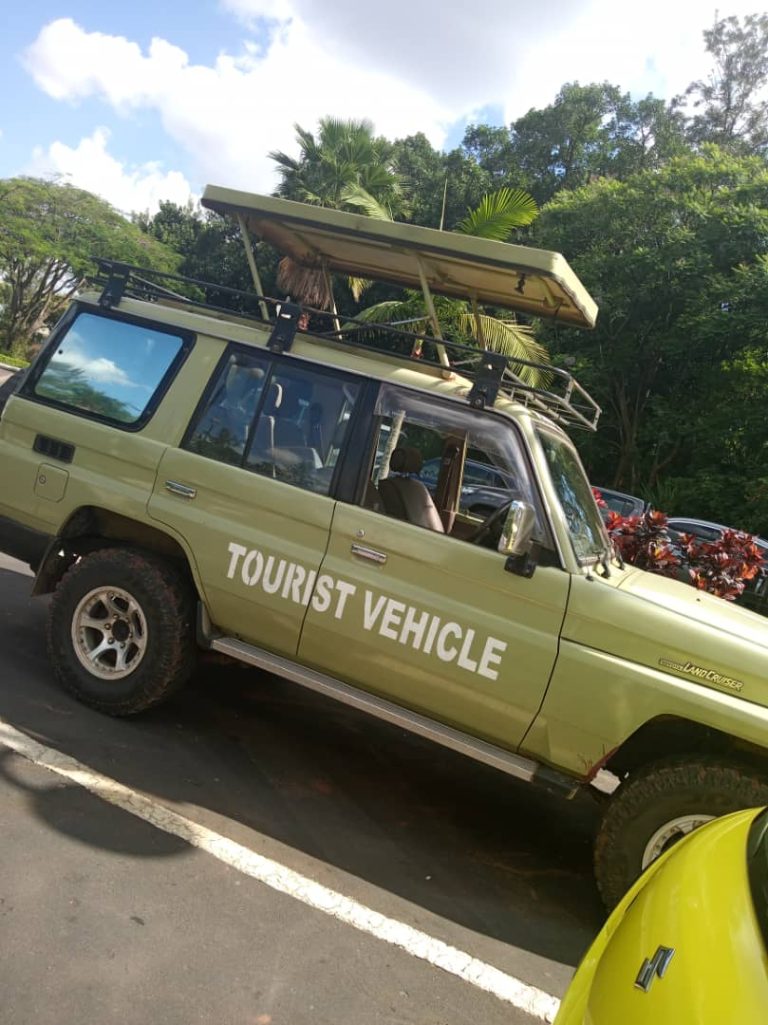
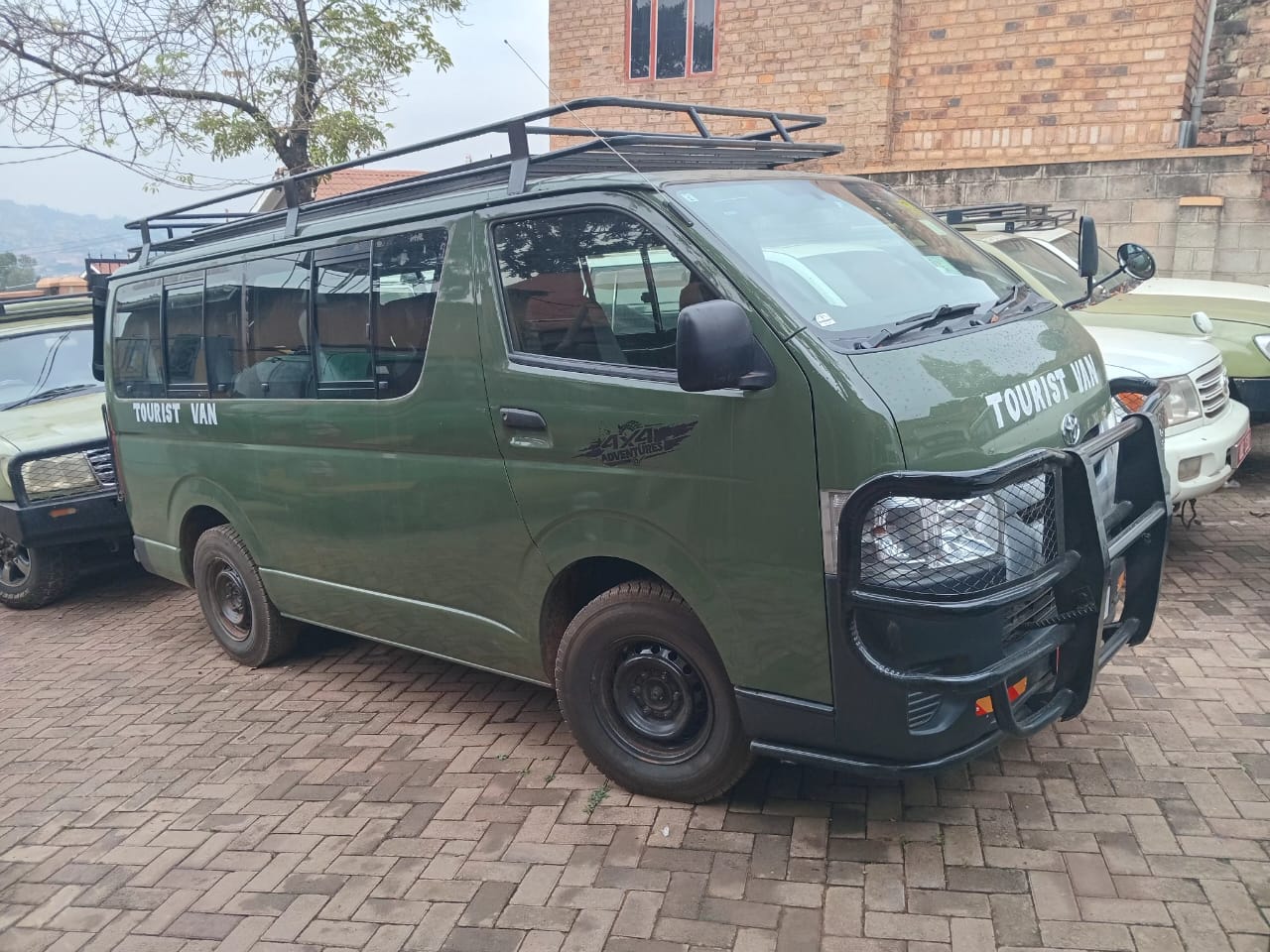
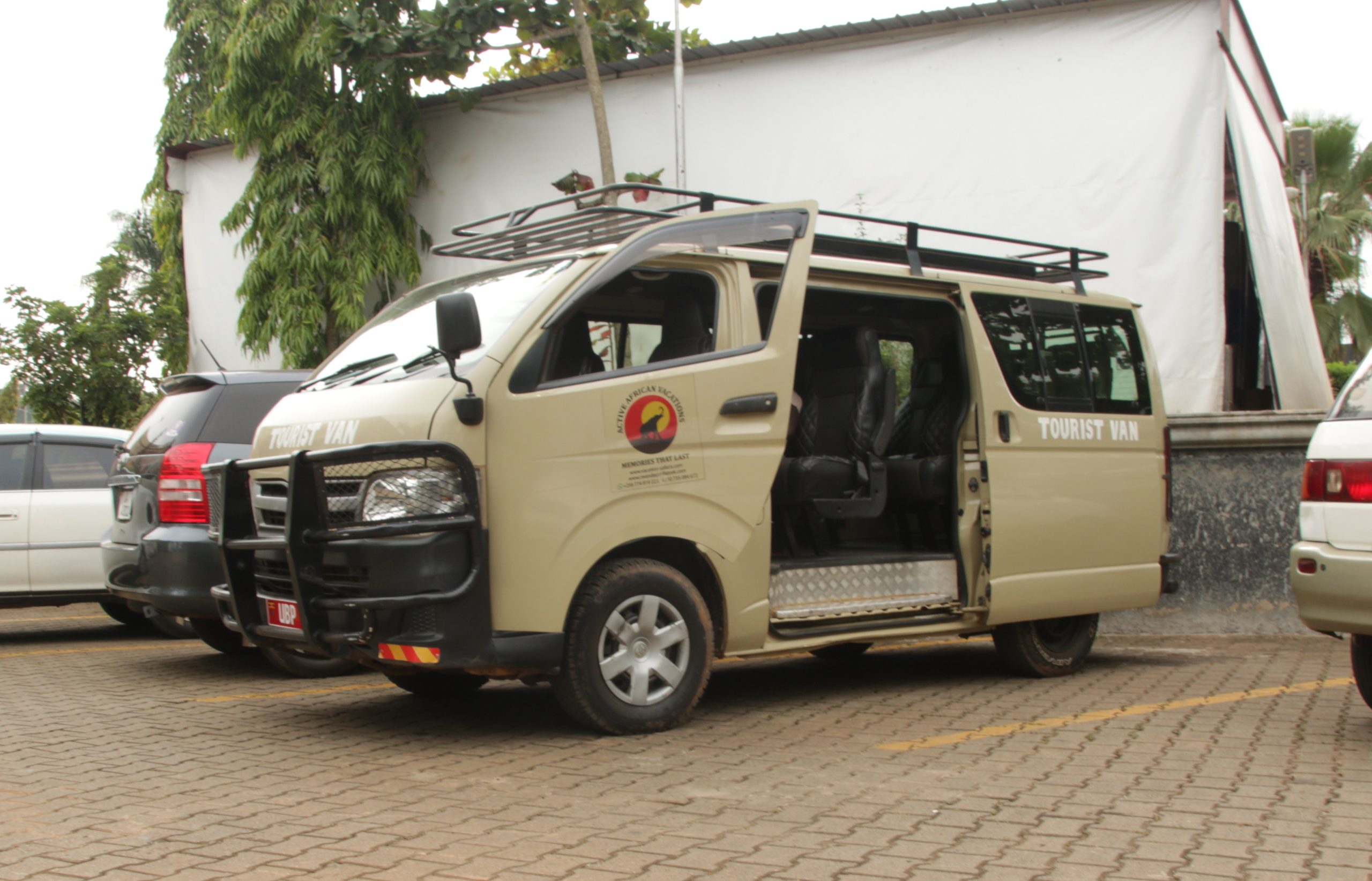
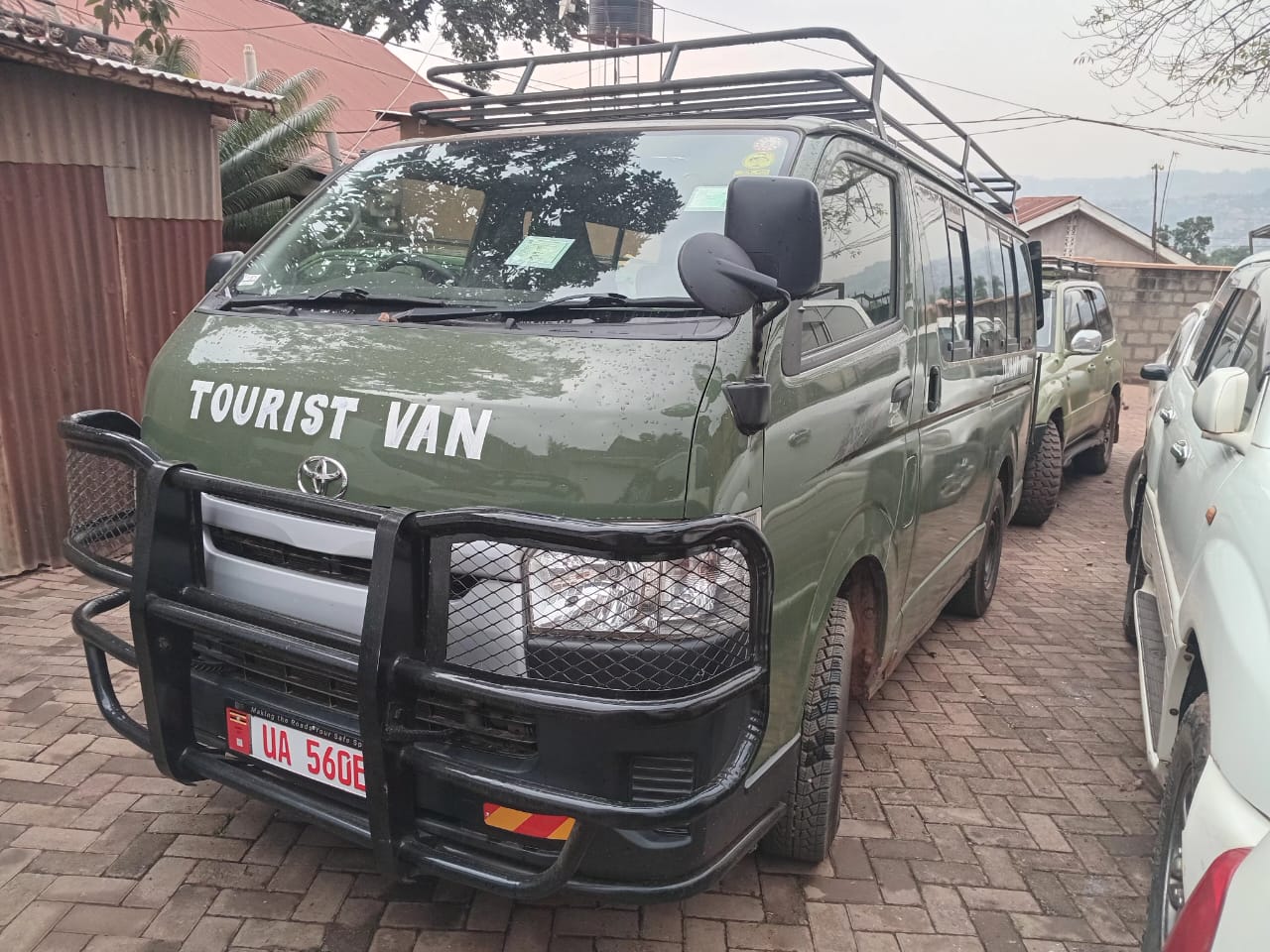
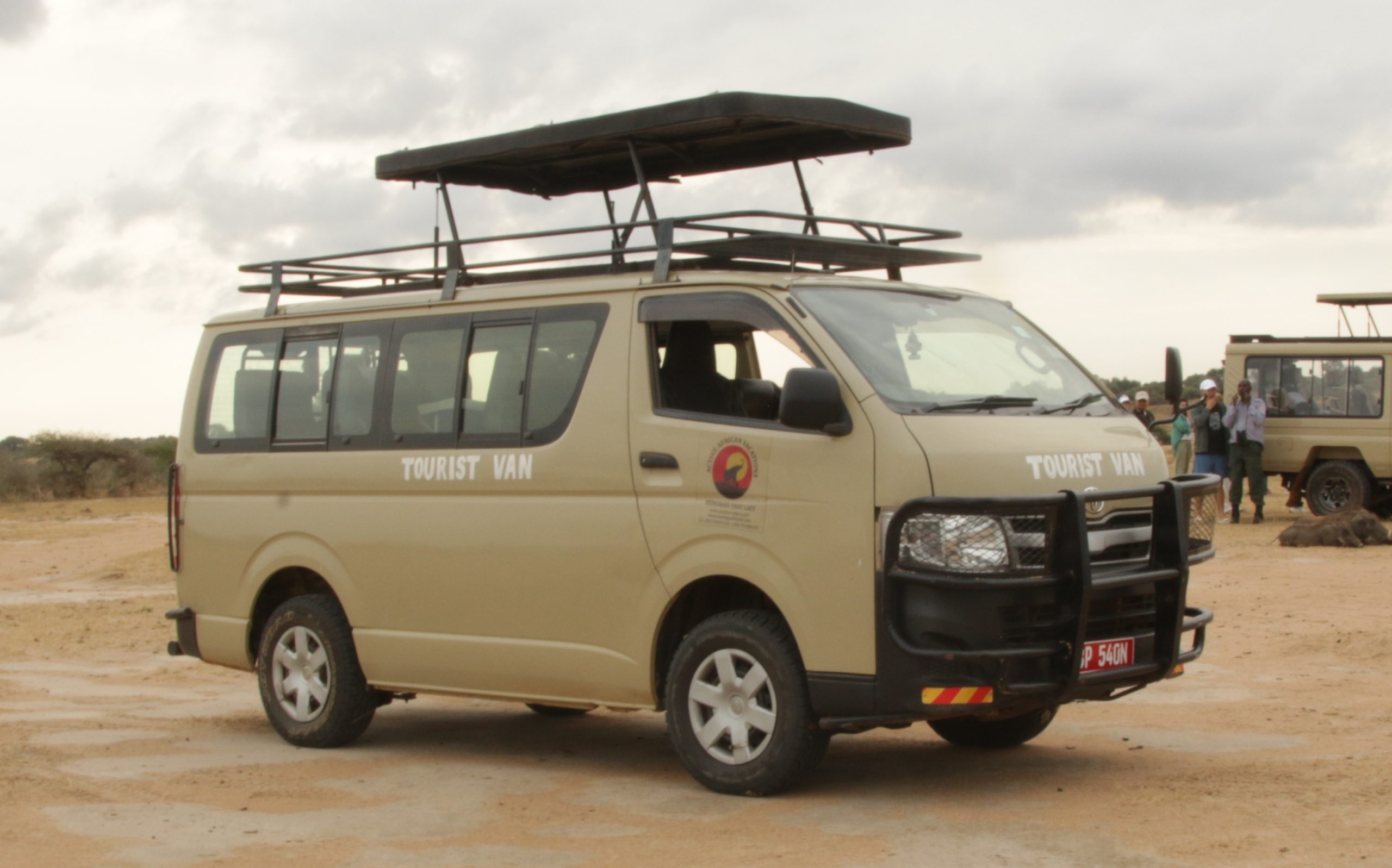
You cannot complete a comprehensive self-drive tour of Zimbabwe in a standard sedan or a two-wheel-drive SUV. While the main highway corridors connecting major cities are paved (tarred), the access roads to national parks, the tracks within the reserves, and the routes through remote areas consist of deep sand, corrugations, jagged volcanic rock, and deep water crossings.
A robust, high-clearance $4 \times 4$ vehicle is a non-negotiable requirement for this journey.
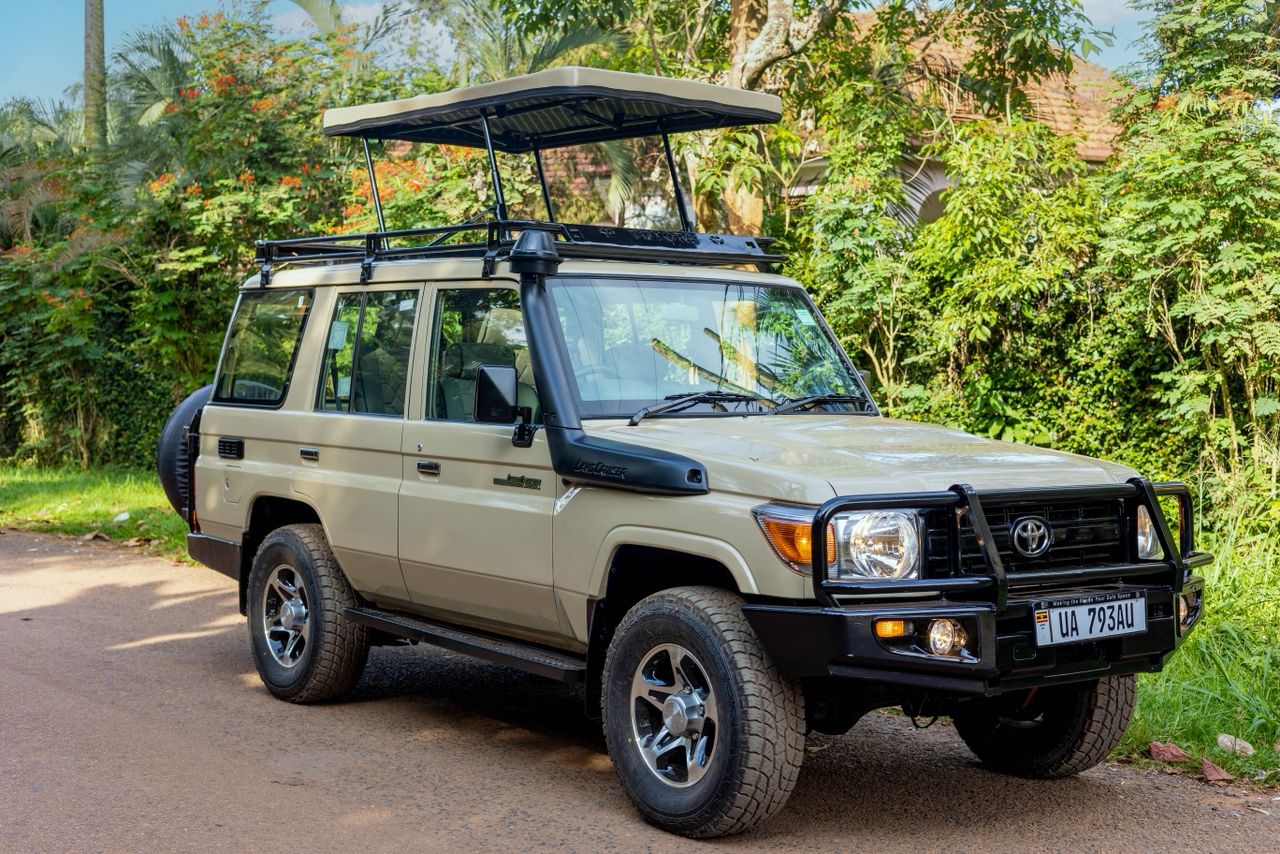



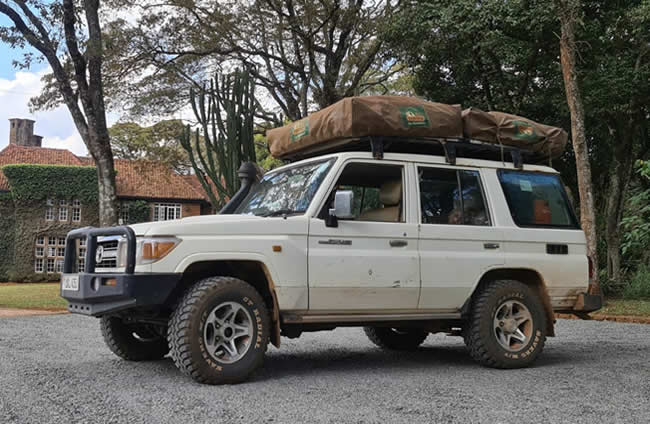
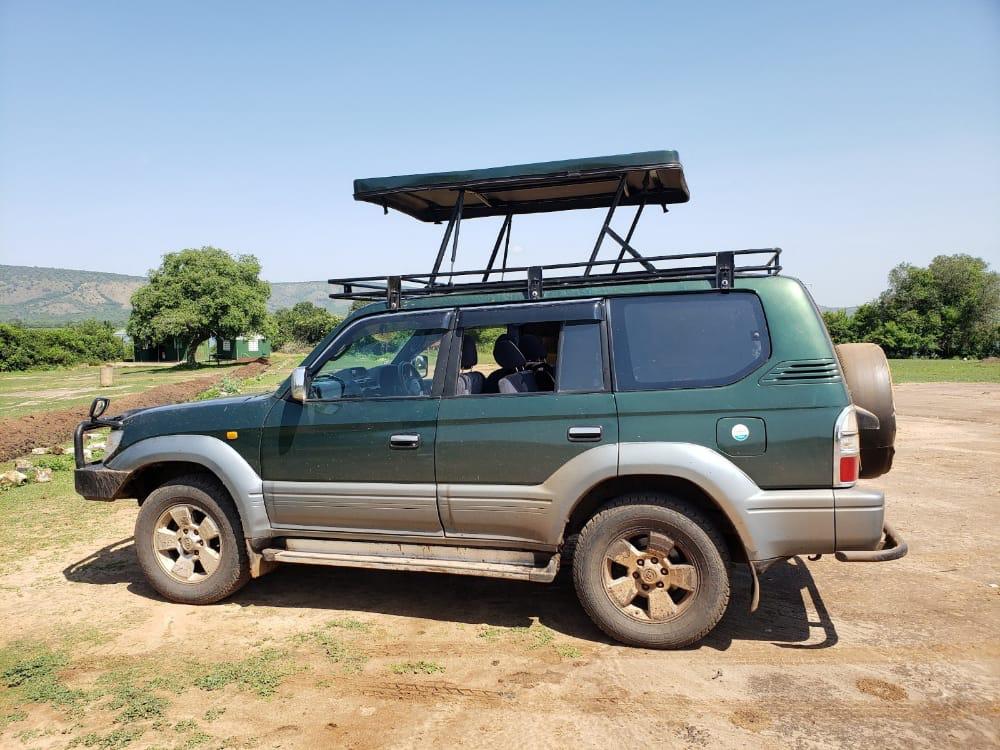


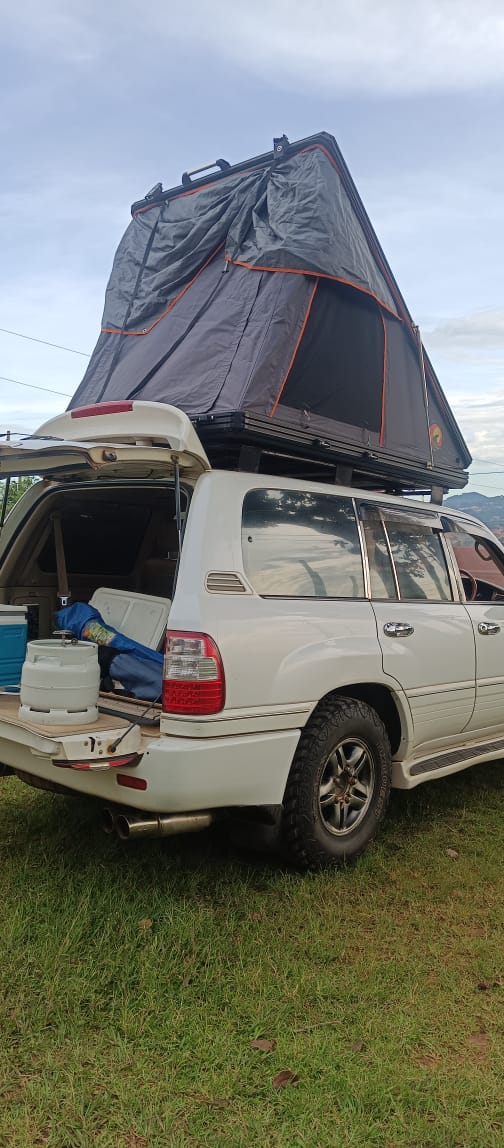
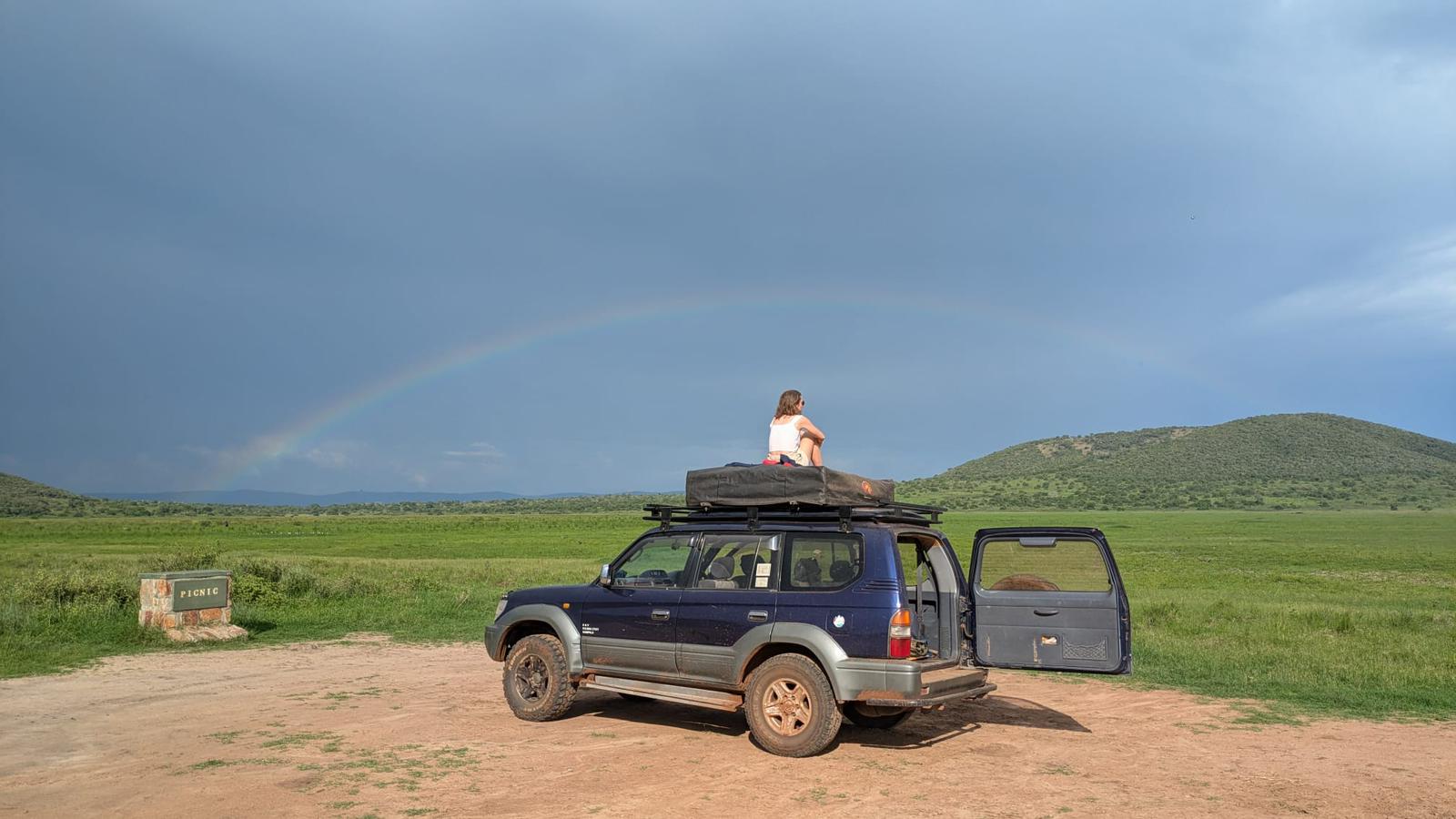
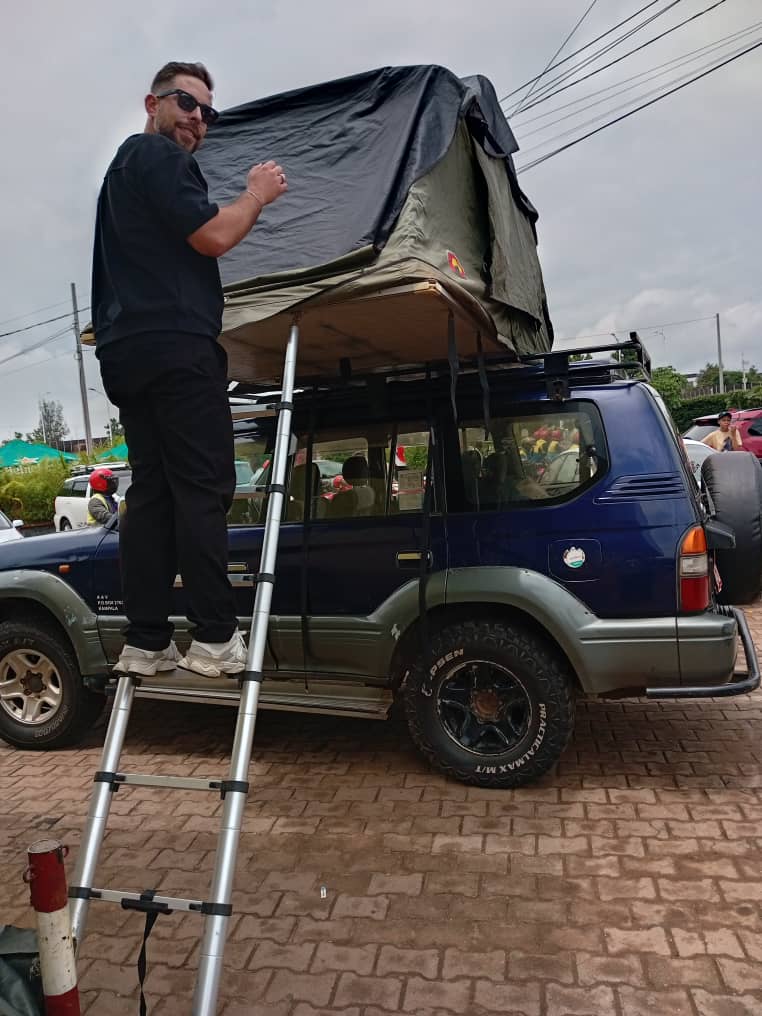
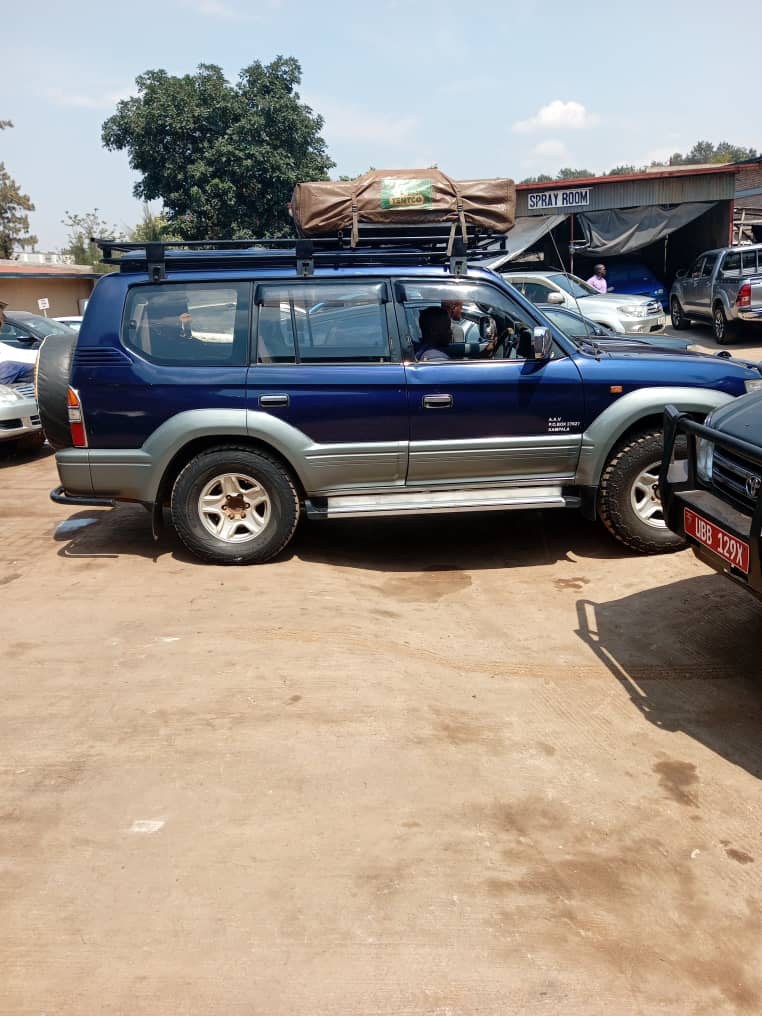
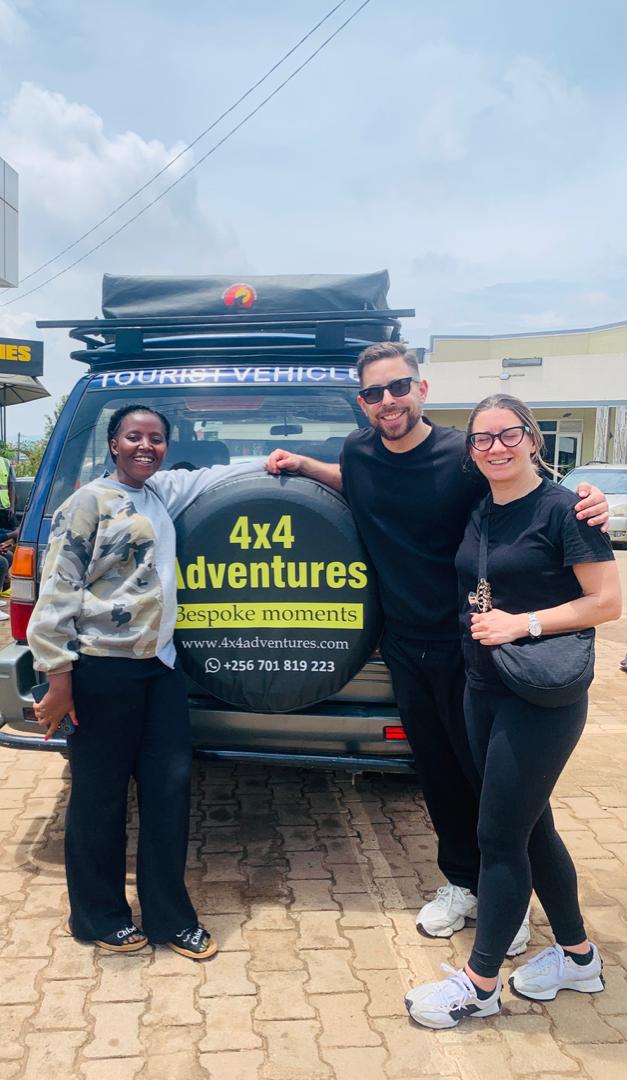
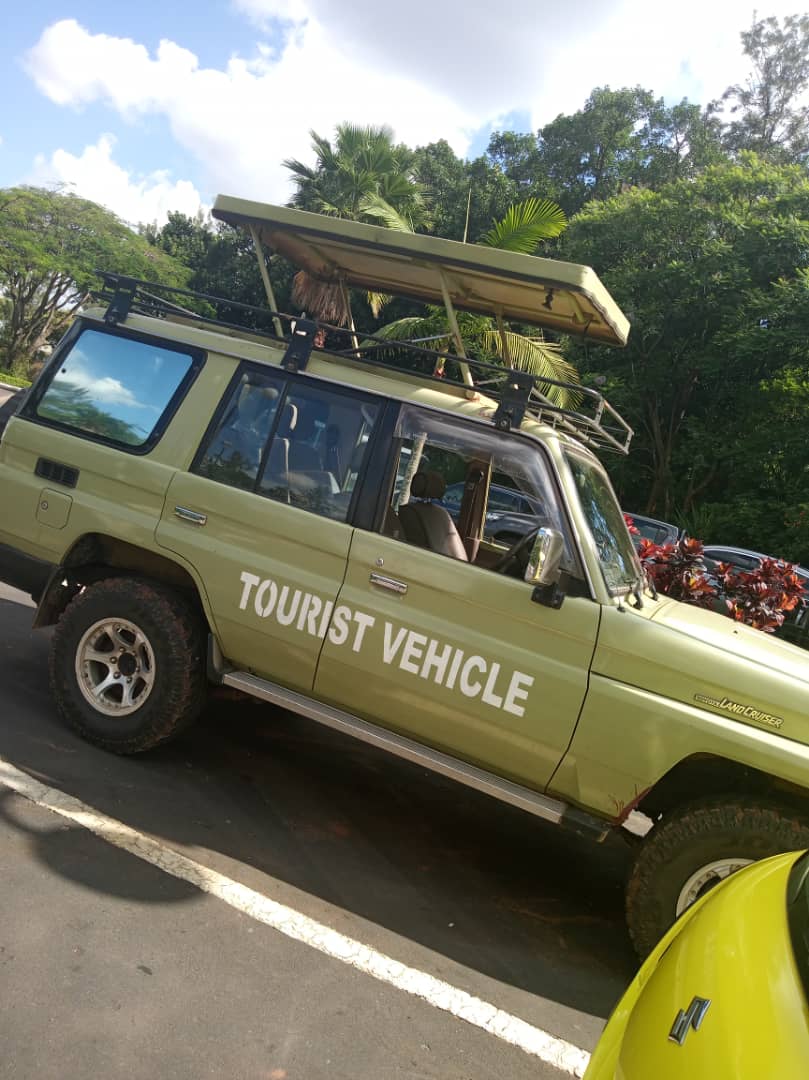
Key Vehicle Specifications to Look For:
- True $4 \times 4$ Capabilities: Ensure the vehicle features a low-range transfer case (4WD Low) for tackling deep sand, steep inclines, and muddy river crossings. AWD (All-Wheel Drive) systems are not sufficient for the deep interior of parks like Mana Pools or Gonarezhou.
- Excellent Ground Clearance: You will need high ground clearance to safely clear rocks, tree roots, and deep ruts without damaging the underbody of the vehicle.
- All-Terrain (A/T) Tires: Ensure your rental vehicle is fitted with heavy-duty, multi-ply all-terrain tires. Potholes and sharp acacia thorns will easily puncture standard highway tires.
- Dual Battery System: If you are camping, a dual battery system is vital. It keeps your 12V camping fridge running continuously without draining your vehicle’s starting battery.
- Long-Range Fuel Tank: Fuel stations are scarce in remote conservation zones. A vehicle equipped with a long-range fuel tank (or carrying secure, heavy-duty jerry cans) is mandatory.
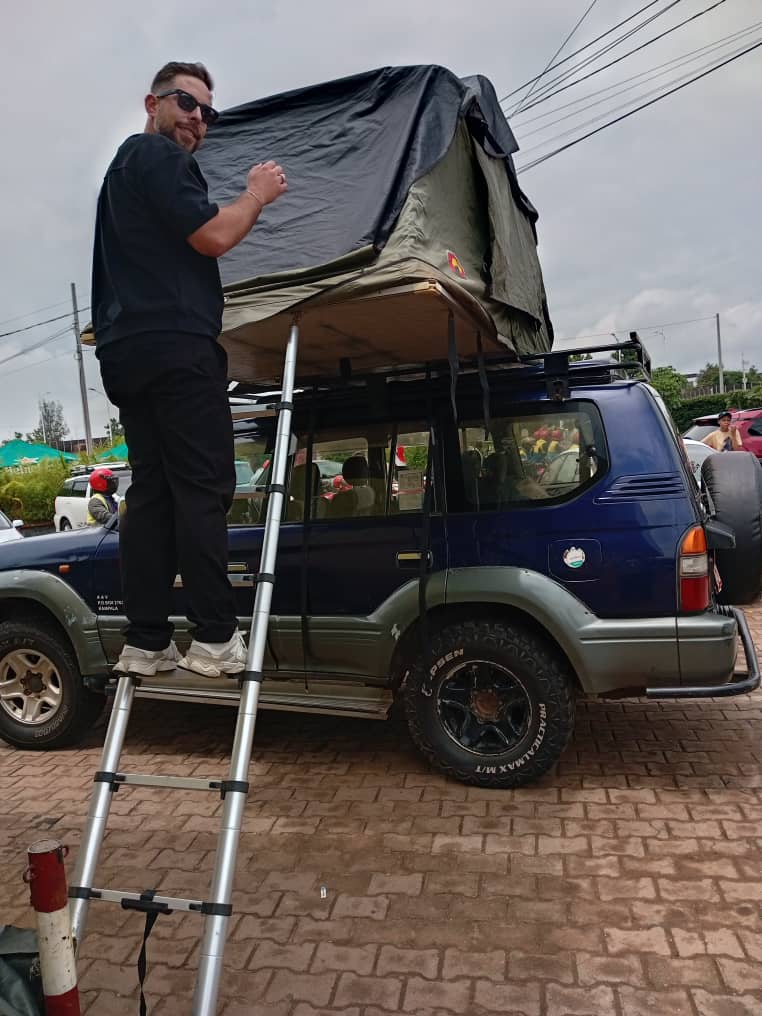
Fully Equipped Canopy Campers vs. Ground Tents
When booking your $4 \times 4$ rental, you will generally have two options for your camping configuration:
- Rooftop Tent Campers: Popular among African overlanders, these tents are permanently mounted to the vehicle’s roof rack. They deploy in under five minutes, keep you safely elevated off the ground (away from curious lions, hyenas, and snakes), and come with a built-in mattress.
- Ground Tent Setup: Ground tents offer more space and allow you to keep your camp set up if you need to drive out for an early morning or late afternoon game drive. However, they take longer to pitch and pack away, and you must remain highly vigilant about keeping them securely zipped at all times in unfenced campsites.
3. Crucial Rules of the Road & Driving Logistics
Driving in Zimbabwe is a highly rewarding experience, but it requires a solid understanding of local regulations, road conditions, and driving etiquette.
Core Road Rules
- Left-Hand Drive: In Zimbabwe, you drive on the left-hand side of the road, and steering wheels are on the right.
- Speed Limits: Unless otherwise posted, speed limits are strictly enforced at 60 km/h in urban areas, towns, and villages, and 120 km/h on open national highways. Inside national parks, the speed limit drops significantly—usually to 40 km/h or less—to protect wildlife and prevent dust.
- Seat Belts & Mobile Phones: Seat belts are mandatory for all passengers. It is illegal to use a mobile phone while driving unless you are using a hands-free kit.
- Headlights: Legally, motorists are required to turn on their headlights between 5:30 PM and 5:30 AM, but it is good practice to drive with your lights on at all times on open highways to increase visibility through heat haze.
Police Checkpoints & Required Documentation
Police checkpoints are a common feature on Zimbabwe’s major highways. They are primarily positioned near major towns and road junctions to inspect vehicle roadworthiness and verify documentation.
If you are stopped, remain polite, patient, and respectful. The officers will usually ask to see the following items:
- A valid driver’s license (written in English, or accompanied by an International Driving Permit).
- The vehicle’s registration documents and valid third-party insurance disc (displayed on the windshield).
- Police Roadblock Kit: By law, all vehicles in Zimbabwe must carry two reflective warning triangles, a fire extinguisher (SAZ approved), and a reflective safety vest. Ensure your vehicle rental company has provided these before you leave the depot.
Zimbabwe Road Tax & Toll System
-
Major highways feature automated toll plazas.
-
Toll Fees: Typically ranges from $2.00 to $10.00 USD.
-
Payment: Keep small, crisp US Dollar bills (cash) handy, as card machines at rural tolls can frequently be offline.
The Ultimate Golden Rule: Avoid Night Driving
If there is one rule you must never break on a Zimbabwe self-drive, it is this: Do not drive on public highways after dark.
Once the sun sets, highways become highly hazardous due to:
- Unfenced Livestock: Rural communities line many major roads. Donkeys, cows, and goats frequently sleep on the warm asphalt or wander across the road. Hitting a mature steer at 100 km/h is catastrophic.
- Wildlife Crossings: In areas bordering reserves, massive wildlife—including elephants and buffalos—frequently cross the tarmac. Their dark hides absorb headlight beams, making them nearly invisible until it is too late.
- Unmarked Hazards: Broken-down trucks without warning triangles, pedestrians walking along the road shoulder, and massive, deep potholes are incredibly difficult to spot at night.
The Golden Rule of Safari Driving
Plan your itinerary so that you arrive at your destination or campsite no later than 4:00 PM. This gives you ample time to set up camp, prepare a fire, and watch the sunset with a cold drink. More importantly, it ensures you are completely off the roads before hazards multiply at dusk.
4. Master Self-Drive Itinerary: The Grand Zimbabwe Loop (14 Days)
This carefully curated 14-day itinerary covers the absolute highlights of Zimbabwe, starting in Victoria Falls, looping south through the historical and geological wonders of Bulawayo and Matobo, tracking north through the wildlife havens of Hwange, and completing a spectacular wilderness loop.
Grand Zimbabwe Loop Route
A visual guide to your 14-day self-drive expedition
Victoria Falls
Hwange National Park
Bulawayo & Matobo Hills
Great Zimbabwe Ruins
Harare
Lake Kariba / Mana Pools
Day 1–2: Victoria Falls & Zambezi National Park
- Drive Time: 0 hours (Arrival and vehicle collection)
- Road Conditions: Good, fully tarred urban roads around town.
- The Experience: Arrive at Victoria Falls International Airport, collect your fully equipped $4 \times 4$ vehicle, and head into town to stock up on basic supplies, fresh groceries, and drinking water. Spend your first afternoon walking the paths of Victoria Falls National Park to witness “The Smoke that Thunders.” On Day 2, take a leisurely self-drive through the adjacent Zambezi National Park, navigating the quiet tracks along the riverbank to spot elephants, hippos, and majestic sable antelope.
Where to Stay:
- Budget/Camping: Victoria Falls Rest Camp
- The Vibe: Located right in the heart of Victoria Falls town, this site offers secure, shaded camping pitches with clean electricity points, grass lawns, and communal ablution blocks with hot water. It is perfect for those wanting easy access to local restaurants and curio markets.
- Mid-Range: Zambezi National Park Campgrounds (ZimParks)
- The Vibe: For a wilder experience, book an exclusive park-run campsite situated right on the banks of the Zambezi River. Facilities are beautifully rustic (expect a simple braai area and a bucket shower/long-drop toilet), but you are entirely alone with the wild river.
- Luxury Lodge: A’Zambezi River Lodge
- The Vibe: Located on the banks of the Zambezi River, this high-end resort features a traditional thatched roof design, manicured lawns where warthogs regularly graze, a stunning swimming pool, and direct river access for sunset pontoon cruises.
Day 3–6: Hwange National Park (The Wildlife Capital)
- Drive Time: 3 hours (Victoria Falls to Hwange Main Camp)
- Road Conditions: Excellent tarred highway (A8) to the park turnoff, transitioning to sandy, corrugated tracks inside the park.
- The Experience: Drive south from Victoria Falls along the A8. Upon entering Hwange National Park, deflate your tires slightly to improve traction on the sandy Kalahari-sand tracks. Spend the next three days exploring the western and central sectors of the park. Drive from waterhole to waterhole (such as Nyamandhlovu or Guvalala), parking your vehicle, turning off the engine, and waiting for the wildlife parade to arrive. You will witness massive herds of elephants, buffalos, wildebeests, and zebras, often trailed closely by prides of lions and packs of endangered painted wild dogs.
Where to Stay:
- Budget/Camping: Jambile or Shumba Pan Exclusive Campsites (ZimParks)
- The Vibe: Famous among overlanders, these fenced-off private picnic sites feature a simple, elevated game-viewing platform, a concrete braai grid, and an enclosed ablution block. You get the entire wilderness site exclusively to yourself at night, with nothing but stars above and the roar of lions in the distance.
- Mid-Range: Robins Camp
- The Vibe: Situated in the northern, more rugged sector of Hwange, Robins Camp offers comfortable, newly renovated brick chalets, a restaurant, a swimming pool, and a dedicated camping ground. It is an excellent, secure base for self-drivers looking to transition between remote wilderness and modern comforts.
- Luxury Lodge: Camp Hwange
- The Vibe: Located on a private concession in the central-northern sector of the park, this elite eco-lodge offers canvas-walled, thatched-roof chalets overlooking a permanent waterhole. It is renowned for having some of the absolute best professional walking guides in Africa.
Day 7–9: Matobo Hills & Bulawayo
- Drive Time:5 hours (Hwange to Matobo Hills via Bulawayo)
- Road Conditions: Tarred highway in fair condition, with some potholed sections near Bulawayo.
- The Experience: Drive through the historic city of Bulawayo—Zimbabwe’s second-largest city, known for its wide, tree-lined avenues and colonial architecture—before heading south into the Matobo Hills. Spend two days navigating the dramatic, winding roads that snake around colossal granite kopjes. Hike up to “World’s View” to visit the grave of Cecil Rhodes, explore ancient San rock art caves, and join a guided foot safari to track endangered black and white rhinos with armed park rangers.
Where to Stay:
- Budget/Camping: Maleme Dam Campsite (ZimParks)
- The Vibe: Tucked neatly at the base of towering granite hills next to Maleme Dam, this campsite features simple, shaded stands, basic communal ablution facilities with hot water, and gorgeous views. Watch out for the curious local baboon troops!
- Mid-Range: Big Cave Camp
- The Vibe: Set on a private property bordering the national park, Big Cave features beautiful, hand-built stone and thatch chalets tucked into the granite boulders. It strikes a fantastic balance between rugged wilderness feel and warm, rustic comfort.
- Luxury Lodge: Camp Amalinda
- The Vibe: An absolute masterpiece of architectural integration, this luxury boutique lodge is built directly into the ancient granite kopjes. The rooms are cave-like suites carved into the rock, featuring private decks, premium plunge pools, and world-class fine dining.
Day 10–11: Great Zimbabwe National Monument (Masvingo)
- Drive Time: 4 hours (Matobo to Masvingo)
- Road Conditions: Mostly tarred highway (A9), moderately busy with truck traffic.
- The Experience: Drive east across the changing landscape to Masvingo. Dedicate your afternoon and the following morning to exploring the massive dry-stone ruins of Great Zimbabwe. Walk through the towering walls of the Great Enclosure and hike up the steep, narrow stone steps to the Hill Complex to catch a spectacular sunset over the valley.
Where to Stay:
- Budget/Camping: Great Zimbabwe Ruins Campsite (ZimParks / National Museums)
- The Vibe: Located just outside the entry gates of the monument itself, this basic campground offers grassy pitches shaded by towering msasa trees. It has basic, functional communal ablutions and allows you to walk to the ruins first thing in the morning.
- Mid-Range: Norma Jeane’s Lake View Resort
- The Vibe: Nestled in lush, tropical gardens overlooking Lake Mutirikwi (Kyle Dam), this historic property offers spotless self-catering family chalets, cozy hotel rooms, and budget-friendly camping bomas. It is famous for its homestyle cooking and peaceful, bird-filled grounds.
- Luxury Lodge: Great Zimbabwe Hotel
- The Vibe: The closest full-service hotel to the ruins, featuring spacious en-suite rooms, a swimming pool, tennis courts, and a restaurant. It offers a refined, colonial-era atmosphere and can organize expert-led historical tours of the monument.
Day 12–13: Lake Kariba (The Whispering Waters)
- Drive Time: 6 hours (Masvingo to Lake Kariba via Chivhu and Harare)
- Road Conditions: Tarred roads, but watch for heavy traffic and police checkpoints along the main north-south highway.
- The Experience: Drive north through Harare before heading down the dramatic escarpment toward the Zambezi valley. Arriving at Lake Kariba, you will feel the sudden rise in temperature and the relaxed lakeside atmosphere. Spend your final full day relaxing on a boat cruise, casting a line for predatory tigerfish, and enjoying a classic Kariba sunset framed by the stark, petrified branches of drowned leadwood trees.
Where to Stay:
- Budget/Camping: Warthogs Bush Camp
- The Vibe: A classic overlander and self-drive hub located right on the lakeshore. It features shaded, grassy campsites, basic en-suite safari tents, an open-air bar/restaurant serving ice-cold drinks, and a lively communal campfire pit.
- Mid-Range: Kariba Houseboat Charter (Self-Catering)
- The Vibe: For an unforgettable experience, arrange to spend these two nights on a small, self-catering houseboat moored at a local marina. Cook your own food, sleep on the water, and drift off to the sound of splashing hippos.
- Luxury Resort: Bumi Hills Safari Lodge
- The Vibe: Perched high on a hilltop overlooking the vast expanses of Lake Kariba, this world-class lodge features an iconic infinity pool that seamlessly blends into the lake horizon, high-end private villas, and premium game drives on their private concession. (Note: Accessing Bumi Hills may require leaving your vehicle safely at a Kariba harbor and taking a boat transfer arranged by the lodge).
Day 14: Return and Departure
- Drive Time:5 hours (Kariba to Harare International Airport)
- Road Conditions: Good paved highway (A1) back to the capital.
- The Experience: Drive back up the escarpment to Harare. Return your rental vehicle to the airport depot, complete your checkout inspections, and board your flight home, carrying the dust of Zimbabwe on your boots and its magic in your soul.
5. Off-the-Beaten-Path: Advanced Overlanding Frontiers
For experienced $4 \times 4$ enthusiasts who have mastered basic overlanding, Zimbabwe offers two legendary, raw frontiers that demand the absolute highest level of self-sufficiency and driving skill.
Mana Pools National Park: The Wild Riverine Floodplain
Located in the northernmost reaches of the country along the Zambezi River, Mana Pools is a UNESCO World Heritage Site that represents the pinnacle of wild African safaris.
Mana Pools Self-Drive Warning
Mana Pools is an incredibly remote, untouched wilderness. Because of this, it demands absolute self-sufficiency. Please note these critical rules before attempting to enter:
-
Zero Supplies: No fuel, firewood, or grocery supplies of any kind are available inside the park boundary.
-
Severe Road Conditions: The main access road cutting down the Zambezi Escarpment is exceptionally steep, rocky, and deeply rutted. High clearance and low-range 4x4 are strictly required.
-
Pack-In, Pack-Out: You must self-contain and carry in every single drop of fuel, fresh drinking water, and food required for your entire stay, as well as heavy-duty trash bags to pack out all of your waste.
Once inside, you will navigate sandy tracks under towering albida forests. The park is unfenced, and animals roam freely through the campsites. It is common to wake up in your rooftop tent to find a bull elephant gently shaking an albida tree above your vehicle to drop seed pods, or a pride of lions resting in the shade of your campsite’s baobab tree.
Gonarezhou National Park: The Wild Frontier
Tucked away in the southeastern corner of Zimbabwe along the Mozambique border, Gonarezhou—which translates to “The Place of many Elephants”—is a vast, rugged wilderness dominated by the iconic, red sandstone Chilojo Cliffs.
- The Driving Challenge: Gonarezhou is a true $4 \times 4$ It requires crossing wide, sandy riverbeds (such as the Runde and Save rivers) where tyre deflation, momentum, and careful route assessment are critical to prevent getting bogged down in quicksand.
- The Reward: The park is exceptionally remote and beautifully quiet. The campsites, situated directly on the banks of the Runde River, offer front-row seats to spectacular views of the towering, sun-drenched Chilojo Cliffs as they turn deep crimson in the setting sun.
6. Essential Packing and Equipment Checklist
When packing for a Zimbabwe self-drive adventure, your mantra should be: Prepare for the unexpected.
Use this comprehensive checklist to ensure you are fully prepared before turning the key:
Vehicle Recovery & Maintenance Gear
- Two Spare Tires: Potholes and jagged rocks can easily claim a tire, and finding replacements in remote areas is nearly impossible.
- Heavy-Duty High-Lift Jack & Base Plate: Standard bottle jacks will sink into soft sand; a wide base plate is essential.
- 12V Air Compressor & Tire Pressure Gauge: Vital for deflating tires for sand driving and reinflating them for highway tarmac.
- Heavy-Duty Tow Strap & Shackles: For recovery if you or another traveler gets stuck in sand or mud.
- Spares & Fluids: Extra engine oil, coolant, fuses, fan belts, and a basic tool kit.
Navigation & Communication
- Tracks4Africa GPS App/GPS Unit: The gold standard for African overlanding. It provides incredibly accurate, community-vetted travel times, sand-track layouts, and waterhole locations offline.
- Offline Digital Maps (e.g., Organic Maps or Maps.me): As a backup. Do not rely on active mobile data connection in national parks.
- Physical Paper Maps: A reliable backup in case of electronic failure.
- Satellite Messenger (e.g., Garmin inReach): Essential for remote areas like Gonarezhou or Mana Pools where cellular signals are completely nonexistent.
Camping & Bush Survival
- Water Purification Tablets or Filter: While tap water in major cities is treated, drinking water in the bush should always be purified or bottled.
- Braai (Barbecue) Grid & Fire Starter: Cooking over an open fire is a central part of the self-drive experience.
- Headlamps & High-Power Flashlight: Essential for navigating unlit campsites safely after dark.
- Comprehensive First-Aid Kit: Include broad-spectrum antibiotics, pain relievers, rehydration salts, antiseptic cream, bandages, and malaria prophylactics.
7. Crucial Self-Drive Travel Tips
To ensure your journey is safe, smooth, and respectful of the environment, keep these critical tips in mind:
Always Yield to Wildlife
In Zimbabwe, wild animals always have the absolute right-of-way. If you encounter a herd of elephants on or near the track, slow down, stop your vehicle at a respectful distance, and turn off your engine. Never rev your engine, honk your horn, or try to squeeze past them. Let them move off at their own pace. Be especially cautious of lone bull elephants or breeding herds with young calves, as they can be highly protective and unpredictable if crowded.
Wildlife Yield Protocol
Crucial safety guidelines for close encounters in the wildStop the Vehicle
Halt immediately and maintain a safe, respectful buffer distance of at least 30 to 50 meters away from the animals.
Turn Off the Engine
Shut down the ignition entirely to eliminate disruptive engine vibrations, radiator fan noise, and sudden exhaust fumes.
Remain Calm & Inside
Keep noise to a whisper. Never stand up in the vehicle, hang out of windows, or step outside, as this breaks the vehicle's non-threatening shape.
Observe Body Language
Watch for warning signs of stress or agitation, such as aggressive ears flapping, trunk trumpeting, head shaking, or mock charging.
Wait Patiently
Allow the herd or animal to comfortably cross the road at their own natural pace. Let them complete their crossing before restarting your engine.
Keep Your Vehicle Doors Locked
When driving through towns or stopping at busy intersections, keep your doors locked and valuables (such as cameras, phones, and bags) out of plain sight to prevent opportunistic grab-and-run theft.
Manage Your Fuel Strategically
The primary rule of overlanding in Africa is simple: Never pass a fuel station without filling your tank, even if you are only down to three-quarters. Fuel availability in remote areas can occasionally be sporadic. Always verify fuel availability with locals or park rangers before entering deep conservation zones.
Support Local Communities
Self-driving takes you through many rural villages. Take the time to stop at local roadside stalls to purchase fresh produce, hand-woven baskets, or wood carvings. It is an excellent way to ensure your tourism dollars directly benefit local families and communities.
Ready to Take the Wheel?
A Zimbabwe self-drive safari is not merely a vacation; it is a profound journey of self-reliance, discovery, and deep connection with nature. It challenges you, rewards you, and ultimately changes the way you see the world.
From the thunderous roar of Victoria Falls to the silent majesty of ancient stone ruins, the open road is calling. Pack your bags, secure your 4×4, and prepare for the adventure of a lifetime.