
Kenya Rooftop Tent Safari: 5 Unique Ideas for an Unforgettable 4×4 Adventure
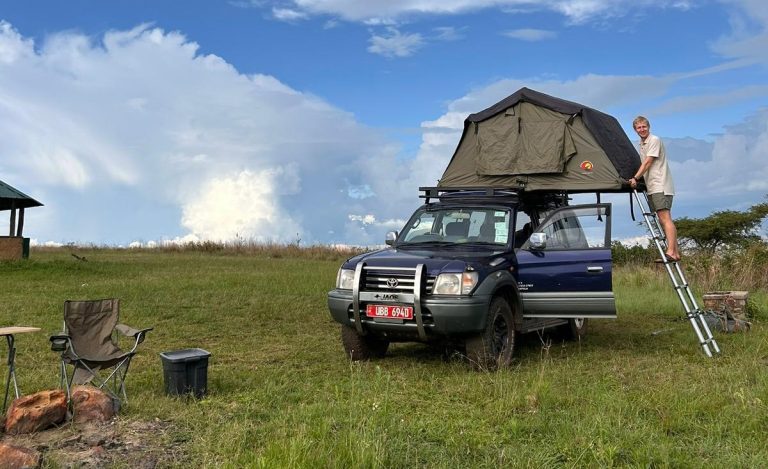
A Kenya rooftop tent safari is one of the most exciting ways to experience the country’s wildlife, landscapes and open roads. Instead of spending every night inside a conventional lodge, you travel in a properly equipped 4×4 vehicle, carry your accommodation with you and set up camp as part of the adventure. For travelers who want freedom, flexibility and a closer connection with Kenya’s wilderness, a rooftop tent safari combines the independence of self-drive travel with the atmosphere of a classic African camping safari.
At 4×4 Kenya, we specialize in making this style of travel practical for visitors who want to explore Kenya by road. A rooftop tent 4×4 gives you the freedom to build a safari around the destinations, roads and experiences that interest you most. You can plan a classic wildlife circuit, focus on remote landscapes, combine national parks with the coast, or create a longer East African road trip.
Kenya is particularly suited to a rooftop tent safari because its attractions are spread across very different landscapes. The open savannahs of the Maasai Mara feel completely different from the elephant country of Amboseli, the enormous wilderness of Tsavo, the volcanic scenery of the Rift Valley or the cooler highlands around Mount Kenya. A self-drive itinerary lets you connect these places at your own pace.
This guide presents five unique Kenya rooftop tent safari ideas designed for travelers who want something more memorable than a standard lodge-based itinerary. Each idea has a different character, from wildlife-focused self-drive trips to adventurous camping road trips. You can use one route as a complete itinerary or combine sections to create a customized Kenya 4×4 safari.
Why Choose a Kenya Rooftop Tent Safari?
A rooftop tent safari is not simply a cheaper version of a lodge safari. For many travelers, it is a completely different way of experiencing Kenya. Your vehicle becomes part of the journey, your campsite becomes part of the experience, and the road between destinations becomes just as important as the destinations themselves.
1. Freedom to Travel at Your Own Pace
A self-drive Kenya safari gives you considerably more control over your daily schedule than a conventional group tour. You can leave camp early for a game drive, stop for photographs, take a scenic route, spend extra time at a viewpoint or change your overnight plan when conditions allow. This flexibility is one of the biggest attractions of renting a 4×4 with a rooftop tent.
2. Your Accommodation Travels With You
With a rooftop tent, you do not have to unpack and repack a suitcase every time you change camps. Your sleeping accommodation is carried on the vehicle. At an appropriate campsite, you can open the tent, prepare your evening meal and settle in for the night. This makes a multi-destination Kenya camping safari especially convenient.
3. A More Immersive Camping Experience
Camping puts you closer to the landscape. You hear the sounds of the night, wake up to changing light over the bush and experience the transition from daylight to darkness without the walls of a hotel room separating you from the outdoors. The experience is especially memorable in Kenya’s wide-open landscapes.
4. Excellent for Adventurous Travelers
A rooftop tent Kenya safari suits travelers who enjoy road trips, photography, wildlife, camping and outdoor adventure. It can work particularly well for couples, friends, families with older children and experienced self-drive travelers who want more independence.
5. Potentially More Flexible Than Lodge-Based Travel
Depending on the route, campsite and travel season, camping can provide a different cost structure from staying exclusively in lodges. However, travelers should budget for park fees, campsite charges, fuel, food, vehicle hire and any additional activities. Camping should be chosen because it matches the travel experience you want—not simply because it appears cheaper.
What Makes a Rooftop Tent 4×4 Suitable for Kenya?
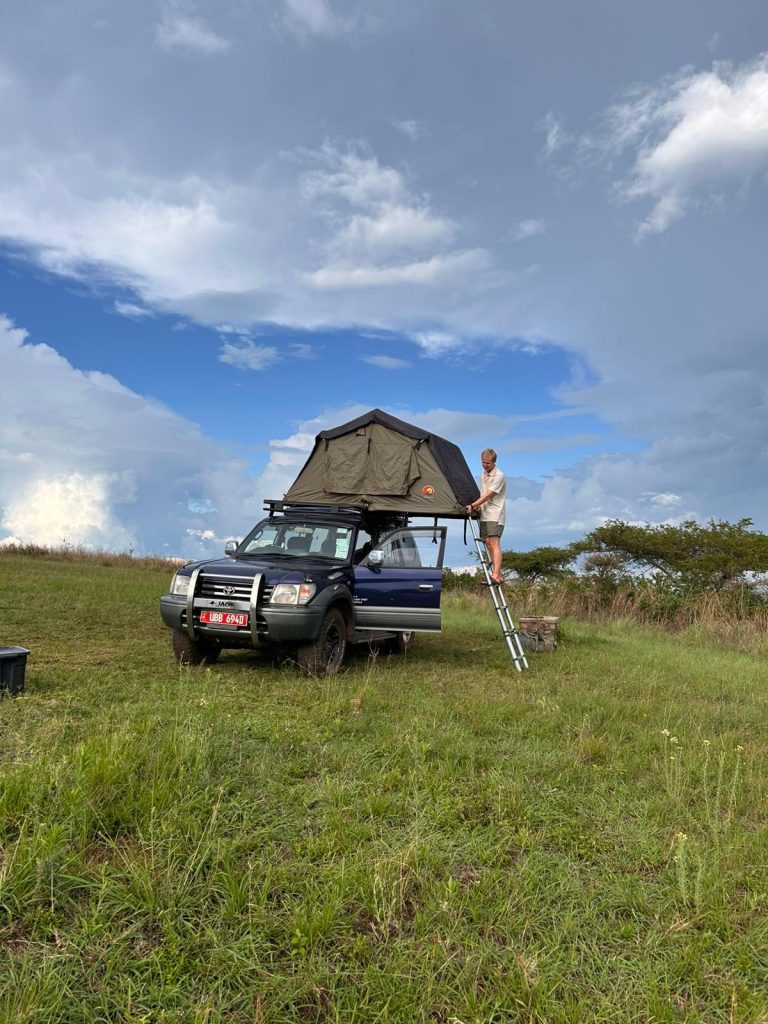
Kenya’s roads vary enormously. Major highways and many intercity roads are paved, while roads inside parks, reserves and rural areas can include gravel, dirt, corrugations, sand, mud and rocky sections. Weather can also transform road conditions. This is why choosing the right 4×4 rental vehicle is an important part of planning a Kenya rooftop tent safari.
A suitable safari vehicle should have enough ground clearance, dependable suspension, good tires, adequate luggage capacity and the ability to handle rough roads. A well-designed rooftop tent setup should also provide a comfortable sleeping platform without taking away too much practical storage space.
Key Features to Look For
- A capable 4×4 drivetrain suitable for rough and uneven roads.
- Good ground clearance for safari tracks and rural roads.
- Reliable tires appropriate for mixed road conditions.
- A secure rooftop tent and strong roof-rack system.
- Adequate space for luggage, food, water and camping equipment.
- A practical cooking and camping setup where included.
- Recovery equipment appropriate for the planned route.
- A spare tire and essential vehicle tools.
- Good visibility for wildlife viewing and photography.
- Clear rental instructions covering vehicle use, insurance and cross-border restrictions where applicable.
5 UNIQUE KENYA ROOFTOP TENT SAFARI IDEAS
1. Maasai Mara Rooftop Tent Self-Drive Expedition
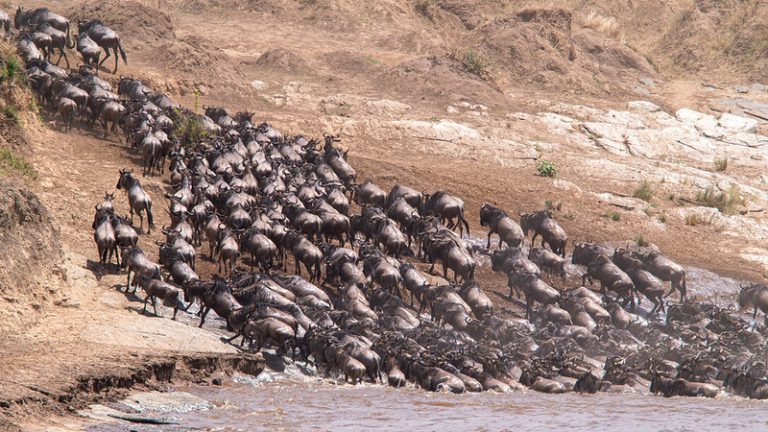
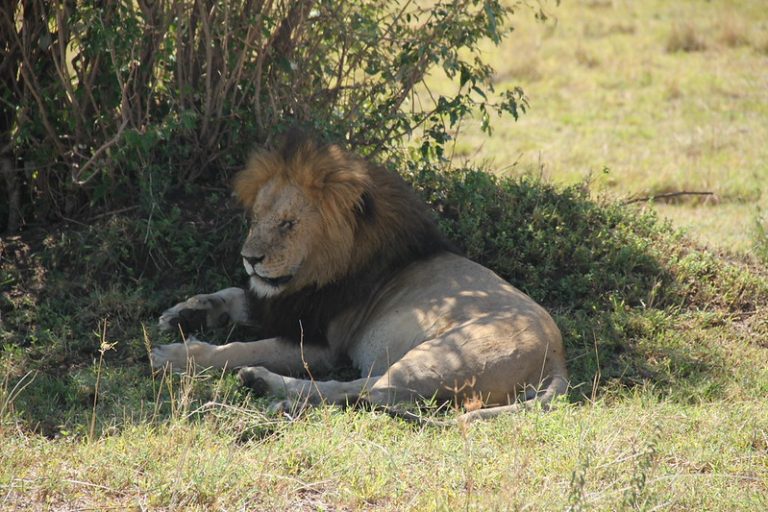
Embark on the ultimate wildlife journey with a self-drive rooftop tent safari through Kenya’s legendary Maasai Mara National Reserve. Designed for adventurous travelers and passionate wildlife photographers, this immersive 7-day Maasai Mara self-drive expedition replaces rushed tourist minibuses with the complete freedom of a rugged 4×4 camper. Traverse sweeping savannahs at your own pace, track the majestic Big Five—including lions, leopards, and elephants—across open plains, and experience unforgettable nights camping under the African stars. Whether you are aiming for the Great Migration or year-round big cat sightings, this comprehensive itinerary covers off-road routing, daily game drive schedules, and prime Maasai Mara campsite recommendations for an authentic, budget-friendly wilderness adventure.
- Duration: 7 Days / 6 Nights
- Route: Nairobi → Narok → Maasai Mara (Sekenani/Talek) → Nairobi
- Recommended Campsites:
- Enchorro Nairowa / Talek Public Campsites: Located just outside the reserve gates, offering safe 4×4 parking, basic washrooms, and easy dawn access to the park.
- Oloololo Public Campsite (Mara Triangle): Managed by the Mara Conservancy on the western side of the reserve. It provides a rugged, wild camping experience right on the escarpment with essential pit latrines.
masaimara.co.ke
Day-by-Day Breakdown:
- Day 1: Nairobi Collection & Prep. Collect your equipped 4×4, complete briefings, and stock up on groceries. Camp at a secure Nairobi site like Riverside Campsite.
- Day 2: Nairobi to Maasai Mara. Drive via Narok down the escarpment into the Rift Valley, setting up your rooftop tent at Enchorro Nairowa or Talek.
- Day 3: Full-Day Maasai Mara Explorer. Execute morning and afternoon game drives tracking big cats across the open savannah.
- Day 4: Mara River & Conservancy Drive. Cross toward the Mara Triangle to view hippos and crocodiles. Set up camp at Oloololo Gate.
- Day 5: Sunrise Game Drive. Take advantage of early morning photography light, followed by a relaxing afternoon at your campsite.
- Day 6: Maasai Mara to Naivasha. Drive back toward Nairobi, breaking the journey with an overnight stop at Lake Naivasha.
- Day 7: Return & Departure. Final morning drive back to Nairobi for vehicle inspection and equipment handover.
2. Amboseli Rooftop Tent Safari Under Mount Kilimanjaro
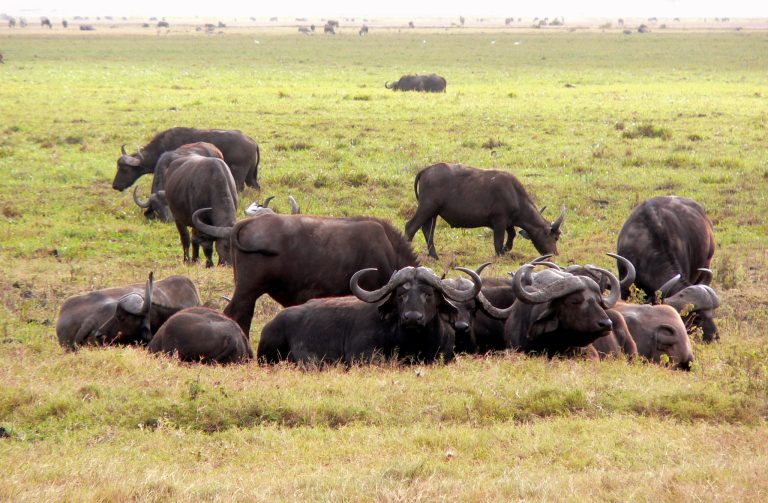
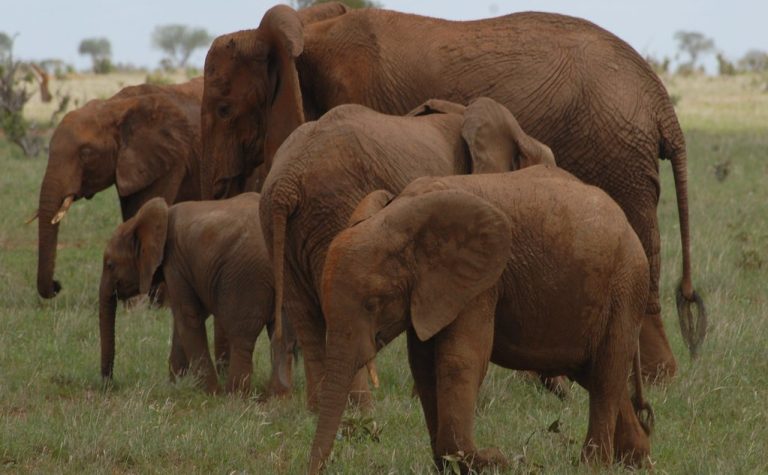
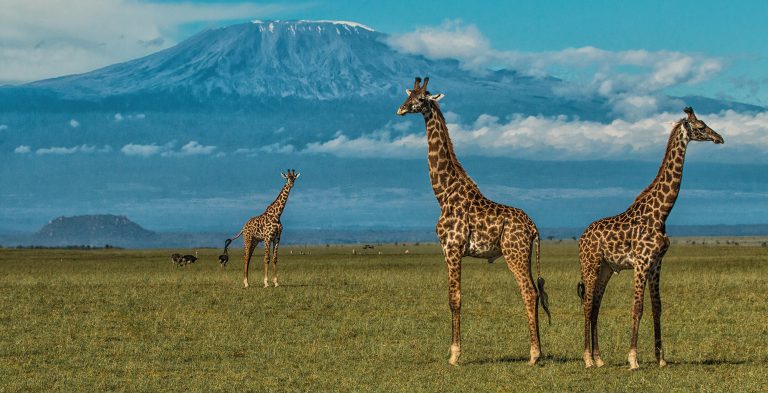
Immerse yourself in breathtaking East African landscapes with a specialized rooftop tent safari in Amboseli National Park, framed perfectly by the towering snow-capped peak of Mount Kilimanjaro. This carefully curated 5-day Amboseli self-drive itinerary highlights vast open plains, shimmering seasonal wetlands, and world-renowned populations of free-roaming elephants. Ideal for wildlife enthusiasts, family campers, and landscape photographers seeking a focused road trip, this journey pairs thrilling daytime game viewing with the unique magic of high-altitude wilderness camping. Discover the complete route plan from Nairobi, daily wildlife tracking schedules, park entry logistics, and hand-picked Amboseli KWS public and private campsites for an unforgettable rooftop tent adventure.
- Duration: 5 Days / 4 Nights
- Route: Nairobi → Amboseli (Kimana/Ol Tukai) → Nairobi
- Recommended Campsites:
- Kimana Public Campsite: Run by the Kenya Wildlife Service (KWS) and located near the Kimana Gate, this site offers functional amenities like tap water and cold showers alongside stunning views of Mount Kilimanjaro.
- Amboseli KWS Public Campsite: Situated 200 meters from the KWS headquarters in the upper plains, providing safe, accessible camping for rooftop tents.
Day-by-Day Breakdown:
- Day 1: Nairobi to Amboseli. Pick up your 4×4, head south via the Nairobi-Mombasa highway, and set up your tent at Kimana Campsite.
- Day 2: Amboseli Elephant Tracking. Spend a full day exploring the marshes and open plains teeming with large elephant herds.
- Day 3: Observation Hill & Photography. Execute a morning drive up Observation Hill for panoramic wetland views, returning to the KWS HQ campsite for the evening.
- Day 4: Amboseli to Tsavo West Extension (Optional). Drive east across the border area toward Tsavo West for volcanic landscapes, camping at Chyulu Gate.
- Day 5: Return to Nairobi. Enjoy a final game drive and a scenic return journey to Nairobi for vehicle drop-off.
3. Tsavo East & Tsavo West Rooftop Tent Wilderness Route
Escape the crowds and test your overlanding skills with an epic self-drive rooftop tent expedition through the raw, untamed wilderness of Tsavo East and Tsavo West National Parks. Spanning massive volcanic landscapes, striking lava flows, historic battlegrounds, and the famous red elephant herds of the Galana River, this rugged 6-day wilderness route offers an authentic off-the-beaten-path Kenya safari experience. Perfect for experienced 4×4 drivers looking to combine deep-bush camping with a seamless transition to the tropical white-sands of the Kenyan coast, this comprehensive Tsavo safari guide provides a complete day-by-day itinerary, essential navigation tips, and strategic Tsavo campsite selections for your self-drive holiday.
- Duration: 6 Days / 5 Nights
- Route: Nairobi → Tsavo East → Tsavo West → Mombasa / Diani
- Recommended Campsites:
- Aruba KWS Public Campsite (Tsavo East): Positioned near the Aruba Dam, offering excellent proximity to elephant and lion sightings.
- Ndololo Public Campsite (Tsavo East): A quiet, forested KWS site near Voi Gate.
- Chyulu Gate & Ngulia Campsites (Tsavo West): Ideal bases for exploring Mzima Springs, the Ngulia Rhino Sanctuary, and the Shetani Lava Flows.
Day-by-Day Breakdown:
- Day 1: Nairobi to Tsavo East. Drive down the highway to Tsavo East via Voi Gate. Explore the Yatta Plateau and camp at Aruba.
- Day 2: Tsavo East Wilderness. Track red elephants and visit Lugard’s Falls along the Galana River.
- Day 3: Tsavo East to Tsavo West. Cross the highway into Tsavo West National Park and navigate the volcanic tracks to Ngulia Campsite.
- Day 4: Mzima Springs & Rhino Sanctuary. Visit the underwater hippo viewing tanks at Mzima Springs and tour the rhino sanctuary.
- Day 5: Tsavo West to Kenyan Coast. Drive out through Tsavo’s coastal gate toward Diani Beach, swapping bush camping for beachside backpacker sites.
- Day 6: Coastal Relaxation & Departure. Enjoy the Indian Ocean before concluding your self-drive expedition.
4. Great Rift Valley Rooftop Tent Road Trip
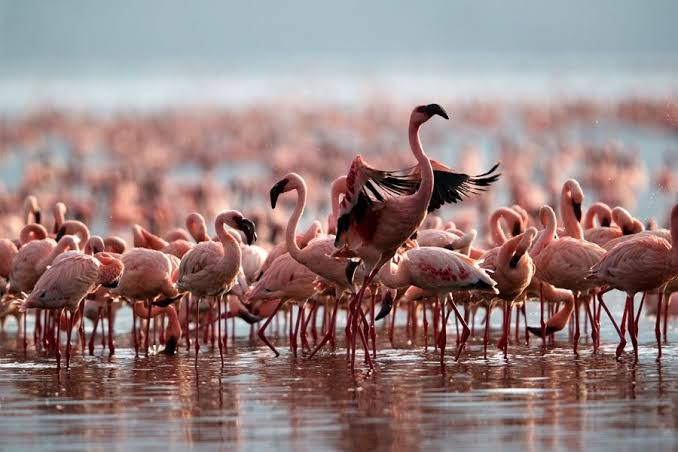
Combine dramatic geology, active outdoor adventure, and vibrant birdwatching with a spectacular self-drive rooftop tent road trip across Kenya’s spectacular Great Rift Valley. Moving beyond traditional game drives, this dynamic 6-day itinerary takes you down the escarpment to explore sheer canyon walls, geothermal cliffs, and scenic soda lakes supporting massive flocks of flamingos and pelicans. Tailored for active travelers who love hiking, cycling through Hell’s Gate, and lakeside camping at Lake Naivasha and Lake Nakuru, this detailed Rift Valley route provides everything you need to plan an unforgettable multi-destination camping holiday equipped with the best rooftop tent campsites.
- Duration: 6 Days / 5 Nights
- Route: Nairobi → Lake Naivasha → Lake Elementaita → Lake Nakuru → Nairobi
- Recommended Campsites:
- Fisherman’s Camp (Lake Naivasha): Beautiful, well-established lakeside camping beneath acacia trees, perfect for setting up a rooftop tent with quick access to boat rides.
- Sleeping Warrior Camp (Lake Elementaita): Offers spectacular, elevated views over the soda lake.
- Naishi Public Campsite (Lake Nakuru): KWS-managed site located directly inside the park, allowing for early morning rhino and flamingo tracking.
Day-by-Day Breakdown:
- Day 1: Nairobi to Lake Naivasha. Descend the Great Rift Valley escarpment. Set up camp on the shores of Lake Naivasha.
- Day 2: Hell’s Gate National Park. Hike or cycle among the dramatic gorges, geothermal towers, and cliffs of Hell’s Gate.
- Day 3: Naivasha to Lake Elementaita. Take a short drive north to Lake Elementaita to view pelicans and enjoy quiet wilderness camping.
- Day 4: Lake Elementaita to Lake Nakuru. Drive into Lake Nakuru National Park to track black and white rhinos through the woodland tracks. Camp at Naishi.
- Day 5: Nakuru Exploration & Viewpoints. Take a morning drive up to Baboon Cliff for elevated photography of the lake.
- Day 6: Return to Nairobi. Leisurely morning drive back up the escarpment to Nairobi for vehicle drop-off.
5. Kenya Grand 4×4 Rooftop Tent Circuit
Experience the ultimate East African overlanding adventure with a comprehensive 14-day grand circuit road trip linking Kenya’s most iconic wildlife reserves, dramatic Rift Valley lakes, and idyllic Indian Ocean beaches. Designed for long-stay travelers and seasoned 4×4 self-drive enthusiasts, this ultimate Kenya rooftop tent itinerary offers unmatched landscape variety—shifting seamlessly from volcanic hills and massive elephant populations to big cat savannahs and tropical coastal shores. From the dust of Tsavo to the plains of the Maasai Mara, explore our complete day-by-day expedition plan, transit routing, and verified Kenya public and private campsite locations for the camping trip of a lifetime.
- Duration: 14 Days / 13 Nights
- Route: Nairobi → Amboseli → Tsavo West → Diani Coast → Tsavo East → Naivasha → Maasai Mara → Nairobi
- Recommended Campsites:
- Circuit Highlights: Utilize Kimana (Amboseli), Chyulu (Tsavo West), Diani Beach Campsite (Coast), Aruba (Tsavo East), Fisherman’s Camp (Naivasha), and Oloololo (Maasai Mara) to string together a secure, fully equipped overland route.
Day-by-Day Breakdown:
- Days 1–2: Vehicle Collection. Outfit the 4×4 in Nairobi, stock supplies, and camp locally before heading out.
- Days 3–4: Amboseli National Park. Drive to Amboseli for two days of elephant tracking under Mount Kilimanjaro.
- Days 5–6: Tsavo West Wilderness. Transition into Tsavo West to explore lava flows and Mzima Springs.
- Days 7–8: Kenyan Coast. Drive down to Diani Beach for a tropical break, ocean breezes, and coastal camping.
- Days 9–10: Tsavo East Return. Head inland across Tsavo East to track red elephants and view Lugard’s Falls.
- Day 11: Great Rift Valley. Drive past Nairobi into the Rift Valley floor for lakeside camping at Naivasha.
- Days 12–13: Maasai Mara Finale. Conclude with deep exploration of the Mara ecosystem and big cat tracking.
- Day 14: Return to Nairobi. Final transit back to the capital, equipment return, and onward departure.
Kenya Rooftop Tent Safari vs Lodge Safari
The choice between rooftop tent camping and lodge accommodation depends on the experience you want. A lodge safari prioritizes comfort, service and convenience. A rooftop tent safari prioritizes independence, outdoor living and adventure.
Rooftop Tent Safari Advantages
- Greater sense of adventure.
- Your sleeping accommodation travels with you.
- Excellent for road-trip style travel.
- Flexible camping-based itineraries.
- Strong appeal for outdoor enthusiasts.
- Opportunity to stay at designated campsites in or near wilderness areas.
- A memorable alternative to conventional lodge travel.
Lodge Safari Advantages
- More hotel-style comfort.
- Less equipment to manage.
- Often includes meals and other services.
- Suitable for travelers who prefer a fully serviced holiday.
- Better suited to travelers who do not enjoy camping.
The best option is the one that matches your travel style. For travelers specifically searching for a Kenya rooftop tent safari, the attraction is the journey itself: driving, camping, cooking, exploring and waking up in a new landscape.
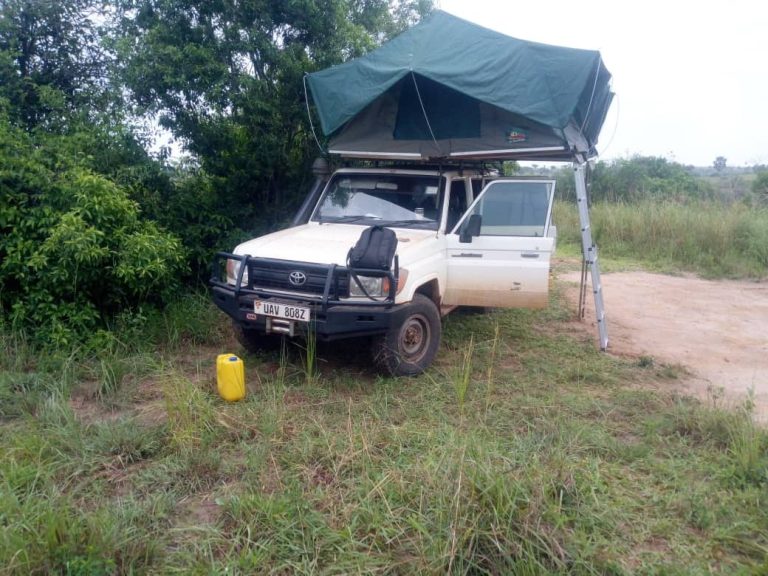
What Is Included in a Kenya Rooftop Tent Rental?
The exact vehicle package depends on the rental company and vehicle selected. When booking a rooftop tent 4×4 in Kenya, travelers should confirm precisely what is included rather than assuming every rental package contains the same equipment.
Equipment to Ask About
- 4×4 vehicle.
- Rooftop tent.
- Mattress and bedding.
- Camping table and chairs.
- Cooking equipment.
- Cooking utensils and crockery.
- Fridge or cooler, where available.
- Water storage.
- Camping lights.
- Recovery equipment.
- Spare tire and tools.
- Navigation or GPS options.
- Insurance and excess terms.
- Emergency contact and roadside support arrangements.
How to Plan a Kenya Rooftop Tent Safari
Choose Your Safari Style First
Before selecting a vehicle, decide whether your priority is wildlife, camping, photography, adventure, landscapes, beach or a combination. This determines how many days you need and which 4×4 route makes sense.
Choose the Right Vehicle
Do not choose a 4×4 only because it looks rugged. Consider passenger capacity, luggage requirements, fuel consumption, ground clearance, tent capacity and the type of roads you expect to encounter.
Plan Campsites in Advance
Camping availability can vary. KWS operates public and special campsites, with special campsites intended for exclusive group use and requiring travelers to be self-sufficient with their own tents, food and equipment. citeturn0search3
For popular destinations and peak travel periods, confirm campsite arrangements before departure. Never assume that an attractive piece of land is a legal campsite.
Budget for More Than Vehicle Rental
Your budget should include the 4×4 rental, fuel, park and conservation fees, camping fees, food, activities, insurance-related costs and any accommodation outside the camping portion of the trip.
Understand Park Rules
Wildlife areas are not normal driving environments. KWS advises visitors to remain in vehicles except in designated areas, stay on established roads and trails, observe speed limits, avoid disturbing wildlife and follow park entry and exit rules. citeturn0search0turn0search1turn0search2
Carry Enough Supplies
A self-drive camping trip requires more preparation than a lodge safari. Carry adequate drinking water, food, basic first aid supplies, insect repellent, sunscreen, appropriate clothing and other essential personal items. KWS specifically recommends camping gear, food and related supplies for visitors using camping facilities.
What Is Included in a Kenya Rooftop Tent Rental?
The exact vehicle package depends on the rental company and vehicle selected. When booking a rooftop tent 4×4 in Kenya, travelers should confirm precisely what is included rather than assuming every rental package contains the same equipment.
Equipment to Ask About
- 4×4 vehicle.
- Rooftop tent.
- Mattress and bedding.
- Camping table and chairs.
- Cooking equipment.
- Cooking utensils and crockery.
- Fridge or cooler, where available.
- Water storage.
- Camping lights.
- Recovery equipment.
- Spare tire and tools.
- Insurance and excess terms.
- Emergency contact and roadside support arrangements.
How to Plan a Kenya Rooftop Tent Safari
Choose Your Safari Style First
Before selecting a vehicle, decide whether your priority is wildlife, camping, photography, adventure, landscapes, beach or a combination. This determines how many days you need and which 4×4 route makes sense.
Choose the Right Vehicle
Do not choose a 4×4 only because it looks rugged. Consider passenger capacity, luggage requirements, fuel consumption, ground clearance, tent capacity and the type of roads you expect to encounter.
Plan Campsites in Advance
Camping availability can vary. KWS operates public and special campsites, with special campsites intended for exclusive group use and requiring travelers to be self-sufficient with their own tents, food and equipment.
For popular destinations and peak travel periods, confirm campsite arrangements before departure. Never assume that an attractive piece of land is a legal campsite.
Budget for More Than Vehicle Rental
Your budget should include the 4×4 rental, fuel, park and conservation fees, camping fees, food, activities, insurance-related costs and any accommodation outside the camping portion of the trip.
Understand Park Rules
Wildlife areas are not normal driving environments. KWS advises visitors to remain in vehicles except in designated areas, stay on established roads and trails, observe speed limits, avoid disturbing wildlife and follow park entry and exit .
Carry Enough Supplies
A self-drive camping trip requires more preparation than a lodge safari. Carry adequate drinking water, food, basic first aid supplies, insect repellent, sunscreen, appropriate clothing and other essential personal items. KWS specifically recommends camping gear, food and related supplies for visitors using camping facilities.
What to Pack for a Kenya Rooftop Tent Safari
- Lightweight sleeping clothes.
- Warm layers for cool mornings and evenings.
- Sun hat and sunglasses.
- High-SPF sunscreen.
- Insect repellent.
- Comfortable closed shoes.
- Sandals for camp.
- Personal toiletries.
- Headlamp or flashlight.
- Power banks and charging cables.
- Camera and spare batteries.
- Reusable water bottles.
- Personal medication and a basic first-aid kit.
- Dry bags or waterproof storage bags.
- Lightweight rain protection.
- Small daypack.
Food and Cooking on a Rooftop Tent Safari
One of the most enjoyable parts of a Kenya camping safari is preparing meals outdoors. Depending on the rental package, you may have a cooking setup that allows you to prepare simple breakfasts, lunches and dinners.
Keep meals practical. Breakfast can be oats, eggs, fruit, bread and coffee. Lunch can be sandwiches, wraps, salads or leftovers. Dinner can include pasta, rice, vegetables, canned foods and other easy-to-store ingredients. Avoid carrying unnecessary food that requires complicated preparation.
Food should be stored responsibly and according to campsite and park requirements. Wildlife must never be attracted to your camp through careless food storage or waste disposal.
Safety Tips for a Rooftop Tent Safari in Kenya
Respect Wildlife
You are entering wildlife habitat. Do not approach animals, feed wildlife, make unnecessary noise or leave your vehicle in areas where it is prohibited. Follow instructions from park authorities and campsite staff.
Do Not Drive Off-Road Where Prohibited
A capable 4×4 does not mean every track is legal to drive. KWS park rules require visitors to remain on established roads and trails and prohibit off-road driving in the parks referenced above.
Drive Conservatively
Rough roads, wildlife, pedestrians, livestock and changing weather conditions all require a slower driving style. Avoid driving when visibility is poor and allow extra time for routes that may become difficult after rain.
Secure the Tent Before Driving
Always close and secure the rooftop tent exactly according to the rental company’s instructions before moving the vehicle. Check that ladders, awnings and loose equipment are packed away.
Plan Your Fuel
Long-distance safari routes can involve substantial distances between fuel stations. Start each remote section with sufficient fuel and know where your next reliable fuel opportunity is located.
Best Travelers for a Kenya Rooftop Tent Safari
Couples
A rooftop tent safari can be a memorable romantic adventure. Couples can combine wildlife viewing with quiet evenings at camp, scenic drives and private outdoor time.
Friends
A group of friends can share driving, cooking and campsite responsibilities. A larger group can also make camping equipment and food logistics easier to manage.
Families
Families with older children who enjoy outdoor activities can have an excellent experience. Parents should consider tent capacity, sleeping arrangements, driving distances and the child’s comfort with camping before booking.
Photographers
Photographers benefit from the flexibility of self-drive travel, particularly when they want to spend longer in a landscape or wait for changing light. However, wildlife photography must always follow park rules and responsible viewing distances.
Adventure Travelers
If you enjoy road trips more than resort holidays, a rooftop tent safari is an excellent match. The vehicle, road, campsite and landscape become part of the experience
Why Book a 4×4 Rooftop Tent Safari with 4×4 Kenya?
A Kenya rooftop tent safari begins with the vehicle. The quality, reliability and suitability of your 4×4 can make a major difference to the overall experience. 4×4 Kenya is positioned for travelers who want to explore Kenya independently with a vehicle designed for safari and road-trip use.
Instead of booking a fixed itinerary where every day and overnight stay is predetermined, a self-drive rental allows you to design the trip around your interests. You can choose a Maasai Mara wildlife expedition, an Amboseli photography trip, a Tsavo wilderness route, a Rift Valley camping road trip or a longer Kenya circuit.
Build Your Own Kenya Safari
Your safari does not have to fit a standard package. Tell us where you want to go, how many people are traveling, how many nights you have and whether you want a rooftop tent, camping equipment or additional safari accessories. The goal is to match the vehicle to the journey.
From Nairobi to Kenya’s Wildest Landscapes
Whether your journey starts in Nairobi and heads toward Maasai Mara, Amboseli, Tsavo or the Rift Valley, a 4×4 gives you the flexibility to explore Kenya on your own terms. For travelers who want to continue toward the coast or build a longer East African adventure, ask about route planning and vehicle requirements.
Kenya Rooftop Tent Safari Booking Guide
Ready to plan your Kenya rooftop tent safari? Start by choosing one of the five concepts on this page, then customize it around your travel dates, group size and preferred destinations.
- Step 1: Choose Your Route. Select the Maasai Mara, Amboseli, Tsavo, Great Rift Valley or Grand Kenya Circuit concept—or combine several.
- Step 2: Choose Your 4×4. Select a vehicle based on the number of travelers, tent capacity, luggage requirements and planned road conditions.
- Step 3: Confirm Camping Equipment. Ask what is included in the rooftop tent package and identify anything you need to bring or hire separately.
- Step 4: Plan Campsites and Park Visits. Confirm campsite availability and understand park entry requirements before departure. Camping arrangements and fees can change, so use current official information when finalizing your trip. KWS publishes current park and camping information online.
- Step 5: Book Your Kenya 4×4. Once your route is confirmed, reserve the appropriate 4x4 and rooftop tent setup. Provide your intended route so the rental company can advise on vehicle suitability, equipment and any restrictions.
Frequently Asked Questions About Kenya Rooftop Tent Safaris
What is a Kenya rooftop tent safari?
It is a safari and road trip where you travel in a 4x4 vehicle fitted with a rooftop tent, allowing you to camp at designated campsites while exploring Kenya.
Is a rooftop tent safari good for first-time visitors to Kenya?
Yes, provided travelers are comfortable with self-drive travel and camping. First-time visitors should choose routes appropriate to their experience and obtain a detailed vehicle briefing.
Can I drive myself to the Maasai Mara?
Self-drive travel to the Maasai Mara is possible, but travelers should understand the road conditions, reserve rules, seasonal conditions and campsite arrangements before departure.
Can I use a rooftop tent in Kenya national parks?
Camping is available at designated campsites in a number of Kenyan protected areas. Rules, availability and fees vary, so confirm the current requirements with the relevant park authority.
Is a 4x4 necessary for a Kenya safari?
For many safari routes, a capable 4x4 is strongly preferable because roads can become rough, muddy or uneven, particularly away from major highways and inside protected areas.
How many days do I need for a rooftop tent safari?
A short trip can work in 4–5 days, while 7–10 days allows a more varied route. Two weeks or longer is ideal for a multi-region Kenya circuit.
Can I combine Kenya safari and beach holidays?
Yes. A route through Tsavo toward the Kenyan coast is a particularly logical way to combine wildlife and beach travel.
What should I bring for rooftop tent camping?
Bring clothing for warm days and cool nights, toiletries, sunscreen, insect repellent, personal medication, a first-aid kit, chargers, a flashlight, binoculars and any personal camping items not included in the rental.
Is a rooftop tent comfortable?
Modern rooftop tents can be comfortable and provide an elevated sleeping platform. Comfort depends on tent design, mattress quality, weather and the traveler's expectations.
Can families use rooftop tents?
Yes, but families should confirm the tent's sleeping capacity and consider whether children are comfortable with ladders, outdoor camping and safari conditions.
Can I customize my Kenya self-drive safari?
Yes. One of the biggest advantages of self-drive travel is the ability to build a route around your preferred destinations, travel pace and camping style.
Is Kenya good for self-drive safaris?
Kenya offers a wide range of roads and protected landscapes that can be explored by road. Travelers should choose routes carefully and follow all park regulations.
How much does a Kenya rooftop tent safari cost?
The total cost depends on vehicle type, rental duration, season, group size, park fees, camping fees, fuel, food and activities. Request a current quote based on your exact route.
Can I rent a rooftop tent 4x4 in Nairobi?
Nairobi is a practical starting point for many Kenya self-drive itineraries. Contact 4x4 Kenya to confirm current vehicle availability, pickup arrangements and equipment.
What is the best rooftop tent safari in Kenya?
There is no single best route. Maasai Mara is excellent for classic wildlife, Amboseli for elephants and Kilimanjaro scenery, Tsavo for wilderness, and the Rift Valley for landscapes and outdoor activities.
How to Choose Between the 5 Kenya Rooftop Tent Safari Ideas
Choosing the right Kenya rooftop tent safari depends on what you want to see, how much time you have and how comfortable you are with long-distance self-drive travel. If wildlife is your number-one priority, the Maasai Mara route is the natural starting point. It gives you a strong classic safari experience while preserving the freedom that makes rooftop tent travel different from a conventional package tour.
If your priority is scenery and photography, Amboseli is particularly attractive because wildlife and landscape work together. The combination of open plains, elephants and views toward Mount Kilimanjaro creates a powerful visual identity for a Kenya self-drive safari.
For travelers who want a stronger wilderness and road-trip feeling, Tsavo provides a much larger canvas and can be combined with the coast.
The Great Rift Valley route is the best choice for travelers who want variety beyond traditional game drives. It can combine lakes, escarpments, hiking, birdwatching and wildlife, making it suitable for people who want to stay active. Finally, the Grand Kenya Circuit is designed for travelers with enough time to experience several different regions instead of concentrating on one destination.
The important point is that there is no single formula for a Kenya rooftop tent safari. Your vehicle should support your itinerary, not dictate it. A good rental planning process begins with the route, then matches the vehicle, rooftop tent, camping equipment and support arrangements to that route.
Why a Rooftop Tent Makes a Kenya Road Trip Different
A conventional Kenya safari can be highly comfortable, but a rooftop tent safari changes the relationship between the traveler and the road. The vehicle is not merely transportation between airports, lodges and game reserves. It becomes your mobile base, storage space, sleeping platform and adventure companion.
That creates a stronger sense of independence. You can wake up, pack the tent, check the vehicle and continue toward the next destination without changing hotels every night. For travelers who enjoy road trips, this rhythm can become one of the most rewarding parts of the holiday.
It also creates opportunities for a more personal style of travel. You can stop at appropriate viewpoints, photograph changing landscapes, prepare a simple meal at camp and spend evenings talking beneath the African sky. The experience is less about luxury service and more about freedom, scenery and participation.
For this reason, 'Kenya rooftop tent safari' should be marketed not only as a camping product but as a complete travel experience. It combines Kenya safari, 4x4 rental, self-drive adventure, camping, photography and road-trip freedom in one product.
Responsible Self-Dive and Low-Impact Camping
A memorable Kenya camping safari should also be a responsible one. Wildlife areas are sensitive environments, and visitors have a duty to minimize disturbance. Keep noise low, respect wildlife distances, remain on authorized roads and never feed animals. Follow campsite instructions and remove rubbish rather than leaving waste behind.
Responsible camping also means respecting local communities and private land. A rooftop tent does not give travelers permission to camp anywhere they choose. Use designated campsites or locations where camping has been expressly authorized. This protects wildlife, landowners and the traveler.
KWS emphasizes that visitors are in wildlife habitat and must follow park safety rules. Current rules include staying on established roads and trails, observing speed restrictions and remaining inside vehicles except in designated areas.
Choosing a self-drive safari therefore means accepting responsibility for your driving decisions. The best Kenya rooftop tent adventure is one that leaves the wilderness undisturbed while giving the traveler an unforgettable experience.
Turn Your Kenya Rooftop Tent Safari Into a Custom Adventure
The five ideas on this page can be used as starting points rather than rigid packages. You can add extra nights, remove destinations, change the direction of travel or combine two routes. For example, a traveler interested in wildlife photography could combine the Rift Valley with Maasai Mara. A couple interested in wildlife and beaches could combine Amboseli and Tsavo before continuing to the coast.
A longer journey can also be designed around seasonal interests, subject to current road, park and conservation conditions. The key is to allow enough time for driving and avoid creating an itinerary that spends most of the holiday rushing between destinations. A rooftop tent safari should feel like an adventure, not a race.
When requesting a quote from 4x4 Kenya, provide your planned travel dates, number of travelers, preferred destinations, approximate number of nights, whether you want camping equipment and whether you intend to cross borders. This allows the rental team to recommend the most appropriate vehicle and clarify applicable conditions before you travel.
Whether you are searching for a Kenya rooftop tent safari, Kenya 4x4 rental, self-drive safari Kenya, rooftop tent car hire or a Kenya camping road trip, the objective is the same: create a safe, flexible and unforgettable journey through Kenya.
Book Your Kenya Rooftop Tent 4×4
Planning a Kenya rooftop tent safari? Explore the 4x4 vehicles available from 4x4 Kenya and request a quote for your self-drive adventure. Whether you want to explore Maasai Mara, Amboseli, Tsavo, the Great Rift Valley or build a longer Kenya camping road trip, start with the right 4x4 and the right equipment.
Research & Accuracy Note
Destination and camping references in this guide were checked against current Kenya Wildlife Service information, including its park pages, camping guidance and visitor safety information. Park fees, campsite availability, entry requirements and operating conditions can change, so travelers should confirm current official information before travel.