
Overlanding Kenya: The Complete Guide to Kenya Overland Safaris
Overlanding Kenya is one of the most rewarding ways to experience East Africa because it turns the journey between destinations into part of the safari. Instead of treating Nairobi as simply an arrival point and flying between parks, a Kenya overland safari allows you to travel through changing landscapes, stop at viewpoints and communities, spend nights at camps, and build a route around the wildlife areas and experiences that matter most to you.
Kenya combines excellent wildlife viewing, well-known safari parks, dramatic scenery, rich pastoral cultures, highland farms, lakes, deserts, beaches and roads that make a carefully planned 4×4 expedition practical.
For travelers searching for overlanding Kenya, the biggest attraction is flexibility. A private overland trip can be designed around the Maasai Mara, Amboseli National Park, Tsavo East, Tsavo West, Lake Nakuru, Lake Naivasha, Samburu, Ol Pejeta and other destinations.
You can choose lodge accommodation, permanent tented camps, public campsites, private campsites, or a combination of all of them.
If you prefer independence, a properly equipped 4×4 can turn the trip into a self-drive Kenya safari. If you prefer to focus entirely on wildlife and scenery, a professional driver-guide can handle navigation, park logistics and game viewing while you enjoy the experience.
This guide explains how to plan an overland safari in Kenya from the ground up. It covers the best routes, recommended trip lengths, national parks, camping, 4×4 vehicles, self-drive considerations, cross-border possibilities, costs, seasons, road conditions, accommodation, safety, packing, wildlife etiquette and sample itineraries.
It is written for travelers who want a practical Kenya overlanding plan rather than a generic list of attractions.
Quick Overview of Overlanding Kenya
If you are planning a Kenya overland safari, here are some of the most important things to know:
- Best starting point: Nairobi, Kenya’s main international gateway and the natural hub for many overland safari routes.
- Best classic route: Nairobi – Lake Naivasha – Lake Nakuru – Maasai Mara – Nairobi.
- Best wildlife combination: Maasai Mara + Lake Nakuru + Amboseli + Tsavo, depending on trip length.
- Best northern wilderness: Nairobi – Ol Pejeta – Samburu – Laikipia and surrounding conservancies.
- Best for camping: A 4×4 with a rooftop tent or a guided camping safari using designated campsites.
- Best for first-time self-drivers: A well-planned southern or central Kenya circuit with conservative daily driving distances.
- Best for cross-border overlanding: Kenya can be combined with Uganda or Tanzania, subject to current vehicle, immigration, insurance and park requirements.
- Best approach: Build the route around your wildlife priorities first, then add scenic and cultural stops without making every day an exhausting transfer.
Our 4×4 Fleet, the Best 4×4 for Overlanding Kenya
When tackling Kenya’s diverse and challenging terrain—from the deep dust and black cotton soil of the Maasai Mara to the rugged volcanic tracks of Tsavo West and the rocky escarpments of Laikipia—having the right vehicle is the single most important factor for a successful overland expedition.
At 4×4 Kenya, our fleet is custom-built, rigorously maintained, and fully outfitted for self-drive safaris and long-haul expeditions across East Africa. Every vehicle is designed to withstand extreme conditions while offering maximum reliability, comfort, and safety.
Featured Fleet Vehicles
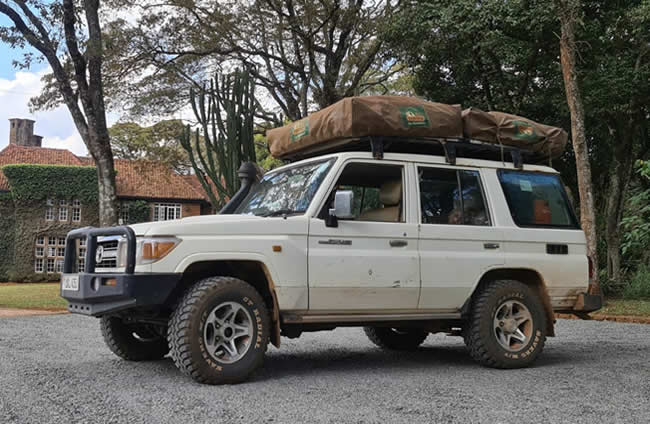
Toyota Land Cruiser 78 Series (Extended Hardtop / Camping Custom)
- Best For: Hardcore overlanders, remote wilderness explorers, and camping enthusiasts.
- Key Features:
- Extended body configuration optimized for fitted camping gear and custom drawer systems.
- Exceptional ground clearance and heavy-duty all-terrain tires.
- Dual fuel tanks for extended remote range between fuel stations.
- Split-charge auxiliary battery systems to power fridge-freezers and charging stations.
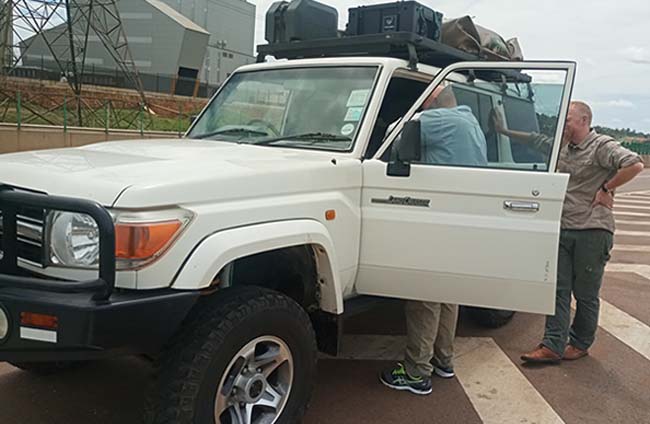
Toyota Land Cruiser 76 Series (Station Wagon)
- Best For: Families, small groups, and serious self-drive safaris seeking ultimate ruggedness and enclosed cabin security.
- Key Features:
- Legendary 4WD capability with high and low-range gearing and differential locks.
- Powerful diesel engine built to conquer deep sand, mud, and steep inclines.
- Air conditioning, spacious seating for up to 5 passengers, and ample interior storage.
- Enhanced suspension tuned specifically for rough African corrugated roads.
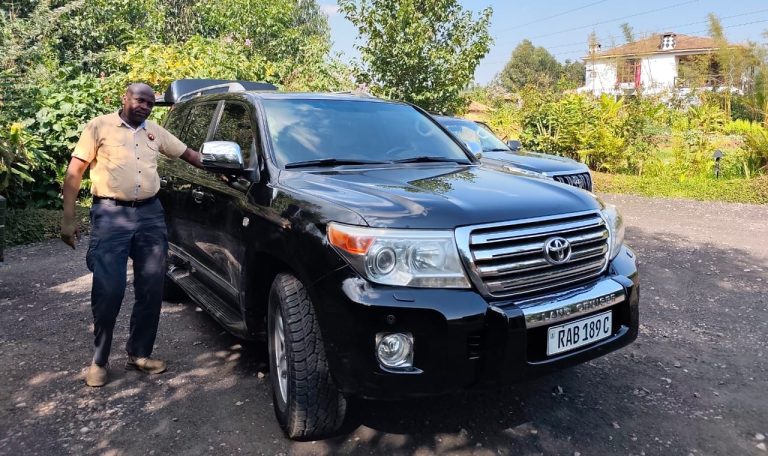
Toyota Land Cruiser 200 Series / V8 (Luxury Expedition)
- Best For: Travelers seeking top-tier comfort, smooth highway cruising combined with uncompromising off-road prowess.
- Key Features:
- Premium leather interior, advanced climate control, and superior sound insulation.
- Advanced crawl control and multi-terrain selection systems.
- Smooth automatic transmission making long transit drives effortless.
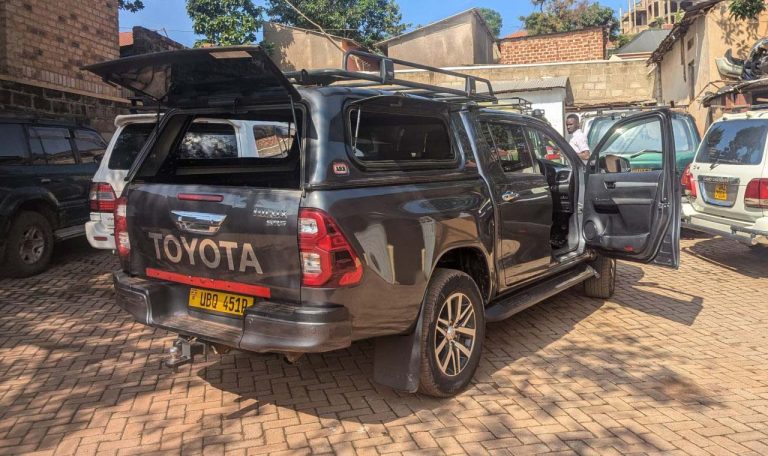
Toyota Hilux Double Cab 4×4 (Roof-Tent Ready)
- Best For: Couples and budget-conscious adventurers looking for nimble handling and reliable utility.
- Key Features:
- Robust ladder-frame chassis and dependable 2.8L / 2.4L GD diesel engines.
- Rear load bed configured for roof-top tent mounting and camping equipment storage.
- Excellent fuel efficiency for long-distance cross-country touring.
Why Choose Overland Travel in Kenya?
1. Kenya Rewards Slow Travel
Kenya’s greatest strength as an overlanding destination is the variety packed into a relatively accessible country.
On a single road trip, you can move from Nairobi’s urban environment into the Great Rift Valley, pass escarpments and volcanic landscapes, reach freshwater lakes, enter grassland wildlife country, and continue toward semi-arid northern landscapes or the dramatic plains below Mount Kilimanjaro.
An overland safari allows you to experience these transitions instead of simply jumping from one airport to another.
The road becomes part of your holiday.
You see villages, farms, changing vegetation, livestock, mountains, lakes, markets and landscapes that you would miss when flying between destinations.
This is one of the major reasons travelers choose Kenya overland tours.
2. You Control the Pace
Overlanding gives you greater control over the rhythm of the journey.
You can schedule early morning game drives when wildlife activity is often high, allow time for photography, stop at scenic viewpoints, or spend an extra night when a destination deserves more time.
A private safari is particularly useful for travelers who do not want to follow a fixed group itinerary.
For example, if you are enjoying an excellent lion sighting in the Maasai Mara, you do not necessarily have to leave immediately simply because a large group itinerary has a fixed schedule.
A private overland safari gives you greater flexibility.
3. Camping Can Reduce Costs
Kenya has a broad range of camping possibilities, from basic public campsites to private campsites and camps attached to lodges or safari properties.
Camping can make a longer overland safari more affordable while also placing you closer to the landscape.
A traveler with a rooftop tent 4×4 can combine transportation and accommodation into one vehicle.
However, camping inside or near wildlife areas must always follow the rules of the specific park, reserve or campsite.
Do not assume that every open area is suitable for camping.
4. A 4×4 Opens Up the Safari Experience
A safari-grade 4×4 is more than transportation.
It provides ground clearance for rough tracks, greater confidence on uneven roads, space for camping equipment, luggage and recovery gear, and the ability to reach remote viewpoints and campsites.
For travelers interested in Kenya self-drive safari holidays, vehicle preparation is one of the most important parts of planning.
The cheapest vehicle is not necessarily the best vehicle.
Reliability matters.
5. Kenya Connects Naturally With East Africa
Kenya is also a strong starting point for a wider East African overland journey.
Depending on current border, immigration, insurance and vehicle requirements, routes can connect Kenya with Tanzania or Uganda.
These combinations are particularly attractive for travelers who want to link Kenya’s savannah wildlife with Uganda’s primates, Rwanda’s gorillas, or Tanzania’s Serengeti and Ngorongoro landscapes.
For example, a long overland journey could combine:
- Kenya → Uganda → Rwanda
- Or Kenya → Tanzania → Kenya
- Or Uganda → Kenya → Tanzania
Cross-border travel requires additional planning, especially if you are renting a vehicle.
Best Overland Safari Destinations in Kenya
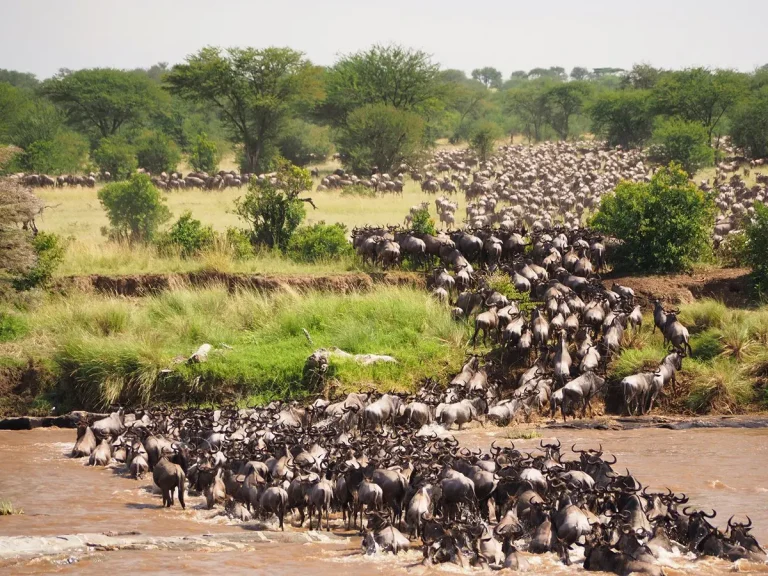
Maasai Mara National Reserve
The Maasai Mara is the destination most closely associated with a classic Kenya safari and is a natural centerpiece for overlanding Kenya.
The reserve and surrounding conservancies are famous for abundant wildlife, open grasslands and large concentrations of big cats.
The Mara is also part of the wider ecosystem associated with the annual wildebeest migration.
For an overland itinerary, the Maasai Mara works particularly well as a three- to four-night destination.
The road journey from Nairobi can be broken with scenic stops depending on the chosen route, while the return journey can connect naturally with Lake Nakuru or Lake Naivasha.
Travelers using a rooftop tent should choose campsites carefully and follow all reserve and campsite safety instructions.
Why Include the Maasai Mara?
- Excellent wildlife potential throughout much of the year.
- Strong opportunities to see lions.
- Good chances of seeing cheetahs and leopards.
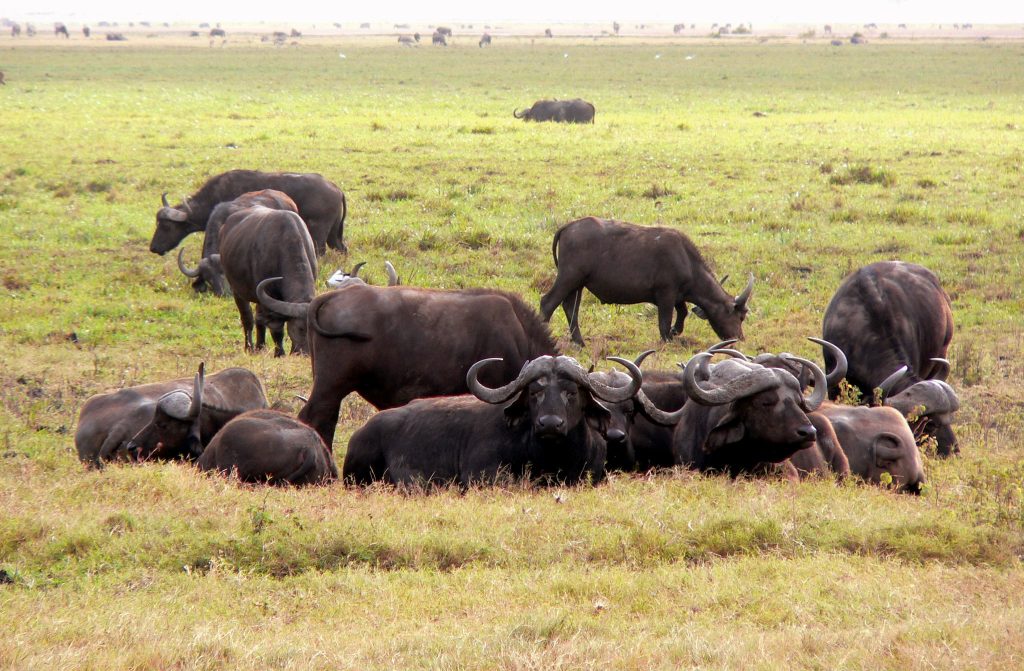
- Elephants, buffalo, giraffes and numerous antelope species.
- Excellent photography opportunities.
- Access to conservancies offering different safari experiences.
- One of Africa’s most famous wildlife destinations.
- Easy to combine with Lake Nakuru, Lake Naivasha and Nairobi.
The Maasai Mara should ideally receive several nights on a serious Kenya overland safari.
A one-night visit can work, but it often means spending too much time driving and too little time enjoying the reserve.
Amboseli National Park
Amboseli is one of Kenya’s most visually distinctive safari destinations.
The park is famous for its elephants and its views toward Mount Kilimanjaro when weather and visibility cooperate.
The open plains make Amboseli particularly attractive for photography, while wetlands and dry country support a variety of wildlife.
Amboseli is an excellent overlanding stop because it fits naturally into a southern Kenya circuit.
A common strategy is:
Nairobi → Amboseli → Tsavo West → Tsavo East → Kenyan Coast
Another option is to combine Amboseli with the Maasai Mara, although the distance means the itinerary should be designed with realistic transfer days.
Do not underestimate the distances between Kenya’s major safari destinations.
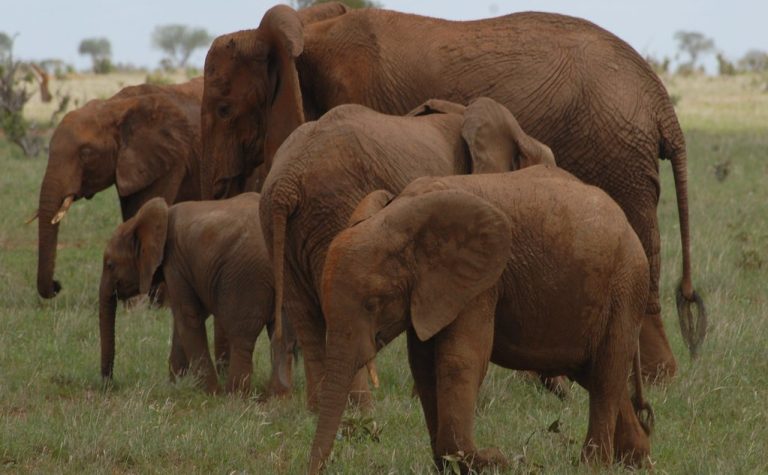
Tsavo East National Park
Tsavo East is one of Kenya’s largest protected areas and is ideal for travelers who want a more expansive wilderness experience.
The landscape is generally drier and more open than the Mara, and the park is associated with large elephant herds, lions, giraffes, buffalo and numerous other species.
For overlanders, Tsavo East can provide the feeling of a genuine expedition because of its scale.
Do not attempt to cover the entire park in a single day.
Choose an entrance, accommodation or campsite based on the area you want to explore, then allow enough time for game drives.
Tsavo East is particularly attractive for travelers who want a less rushed safari experience.
Tsavo West National Park
Tsavo West adds volcanic scenery, rugged terrain and a different visual character to a Kenya overland route.
Mzima Springs is one of the park’s best-known attractions, while lava flows, hills and viewpoints create opportunities beyond conventional game drives.
Tsavo West pairs particularly well with Amboseli.
A traveler can spend several nights in Amboseli, continue through the Tsavo ecosystem and then head toward the Kenyan coast.
This makes a southern circuit useful for travelers who want wildlife and a road-trip experience without constantly changing hotels.
Lake Nakuru National Park
Lake Nakuru is a compact and convenient addition to a Kenya overland itinerary.
It is located in the Great Rift Valley and offers a mixture of lake scenery, woodland, grassland and wildlife.
Rhino viewing is a major reason travelers include the park, while the surrounding landscape provides a useful contrast to the Maasai Mara.
Lake Nakuru is especially valuable as a route-building destination.
Instead of driving directly from Nairobi to the Mara, travelers can spend a night around Lake Naivasha or Lake Nakuru, then continue to the Mara.
This reduces transfer fatigue and makes the overland journey itself part of the holiday.
Lake Naivasha
Lake Naivasha is a freshwater Rift Valley lake and a popular stop for travelers who want a quieter break between safari areas.
Boat excursions, birdlife and nearby attractions can add variety to a road trip.
It is also strategically placed for a:
Nairobi → Lake Naivasha → Lake Nakuru → Maasai Mara
circuit.
For travelers who enjoy photography, birding and landscapes, Lake Naivasha can provide a pleasant change from traditional game drives.
Samburu National Reserve and Northern Kenya
Northern Kenya offers a different overlanding experience from the southern safari circuit.
Samburu and the surrounding region are characterized by drier landscapes, rugged hills, riverine habitats and distinctive wildlife.
The region is associated with species that are less typical of the Mara and Amboseli circuits, including Grevy’s zebra, reticulated giraffe and gerenuk in appropriate areas.
A northern Kenya overland safari requires more attention to distances, fuel, road conditions and vehicle preparation.
It is best suited to travelers with more time and a genuine interest in wilderness road travel rather than those trying to fit every famous park into a short holiday.
Northern Kenya can feel considerably more remote than the classic Nairobi–Mara route.
Ol Pejeta Conservancy
Ol Pejeta is an excellent choice for travelers interested in conservation as well as wildlife.
It lies in the Laikipia region and is known for rhino conservation and broader wildlife management.
It can be combined with Mount Kenya, Lake Nakuru and Samburu to create a northern-central Kenya overland circuit.
For travelers interested in conservation tourism, Ol Pejeta can add educational depth to a Kenya safari.
The Best Kenya Overland Safari Routes
Kenya Overland Safari Route: Nairobi –> Lake Naivasha –> Lake Nakuru –> Maasai Mara
Experience the ultimate East African safari on one of Kenya’s most legendary and balanced overland routes. Seamlessly blending manageable driving distances with iconic wildlife encounters and breathtaking Rift Valley landscapes, this journey takes you from vibrant urban energy to the peaceful shores of freshwater lakes, concluding in the world-renowned wilderness of the Maasai Mara. Designed for optimal pacing, it provides an immersive, unforgettable adventure ideal for first-time visitors and seasoned explorers alike.
Daily Detailed Itinerary, Accommodation & Camping Options
Day 1: Nairobi Arrival & Vehicle Briefing
- Overview: Arrive in Nairobi, check into your accommodation, and complete your pre-safari briefing, vehicle handover, and equipment check. Spend the afternoon resting or picking up any final supplies.
- Accommodation Options:
- Mid-Range / Hotel: Tamarind Tree Hotel or The Heron Portico
- Camping: Wildebeest Eco Camp (Nairobi)
Day 2: Nairobi to Lake Naivasha
- Overview: Depart Nairobi and descend into the breathtaking Great Rift Valley. Arrive at Lake Naivasha by midday. Enjoy an afternoon boat ride on the lake to spot hippos and rich birdlife, followed by a guided walking safari among zebras and giraffes on Crescent Island.
- Accommodation Options:
- Mid-Range / Lodge: Naivasha Sopa Lodge or Lake Naivasha Country Club
- Camping: Fisherman’s Camp or Camp Carnelley’s
Day 3: Lake Naivasha to Lake Nakuru National Park
- Overview: Journey north along the Rift Valley floor to Lake Nakuru National Park, famed for its dramatic landscapes, acacia forests, and thriving populations of both black and white rhinos. Enjoy an afternoon game drive across the park’s open plains and lakeside shores.
- Accommodation Options:
- Mid-Range / Lodge: Sarova Lion Hill Game Lodge or Lake Nakuru Lodge
- Camping: Naishi Public Campsite (inside Lake Nakuru National Park)
Day 4: Lake Nakuru to Maasai Mara National Reserve
- Overview: Leave the Rift Valley lakes behind and travel southwest across open savannahs and pastoral lands toward the legendary Maasai Mara. Arrive in time for an introductory late-afternoon game drive to catch your first glimpses of the reserve’s abundant predators and plains game.
- Accommodation Options:
- Mid-Range / Tented Camp: Mara Sopa Lodge or Jambo Mara Safari Lodge
- Camping: Oloololo Public Campsite or Talek Public Campsite
Day 5: Full-Day Maasai Mara Game Drives
- Overview: Dedicate a full day to exploring the vast, wildlife-rich plains of the Maasai Mara. Track lions, cheetahs, elephants, and leopards across the open savanna. Enjoy a picnic lunch under an acacia tree and immerse yourself in the heart of this iconic ecosystem.
- Accommodation Options:
- Mid-Range / Tented Camp: Mara Sopa Lodge or Fig Tree Camp
- Camping: Oloololo Public Campsite or Keekorok Campsite
Day 6: Second Full or Half-Day Mara Safari & Cultural Exploration
- Overview: Continue your wildlife exploration with a second full day in the reserve, or spend the afternoon relaxing at camp. Optionally, visit a traditional Maasai manyatta to learn about local culture, customs, and pastoralist traditions.
- Accommodation Options:
- Mid-Range / Tented Camp: Mara Sopa Lodge or Fig Tree Camp
- Camping: Oloololo Public Campsite or Keekorok Campsite
Day 7: Maasai Mara to Nairobi
- Overview: Enjoy a final early morning game drive in the Mara before embarking on the scenic return journey back to Nairobi. Arrive in the late afternoon, concluding your primary 7-day itinerary with memories of East Africa’s finest wildlife spectacles.
- Accommodation Options:
- Mid-Range / Hotel: Tamarind Tree Hotel or Eka Hotel Nairobi
- Camping: Wildebeest Eco Camp (Nairobi)
Day 8: Optional Extension to Amboseli or Onward Travel
- Overview: For those opting for an 8-day itinerary, depart Nairobi southward toward Amboseli National Park for views of Mount Kilimanjaro and massive elephant herds, or connect to your onward regional travel and departures.
Route 2: Nairobi – Amboseli – Tsavo West – Tsavo East – Mombasa
Embark on a magnificent southern Kenya overland expedition designed for travelers seeking massive open landscapes, iconic elephant herds, and a relaxing tropical beach finish. This powerful route contrasts the snow-capped peak of Mount Kilimanjaro in Amboseli with the vast, rugged wilderness of the twin Tsavo parks, culminating in a sun-drenched coastal retreat along the Indian Ocean. It is the ultimate safari-and-beach combination for those wanting diverse ecosystems and a seamless coastal transition.
Daily Detailed Itinerary, Accommodation & Camping Options
Day 1: Nairobi Arrival & Preparation
- Overview: Arrive in Nairobi to collect your safari vehicle, complete pre-trip briefings, and stock up on supplies. Spend the evening resting at your accommodation ahead of your southern journey.
- Accommodation Options:
- Mid-Range / Hotel: Eka Hotel Nairobi or Tamarind Tree Hotel
- Camping: Wildebeest Eco Camp (Nairobi)
Day 2: Nairobi to Amboseli National Park
- Overview: Depart Nairobi heading south toward Amboseli National Park, renowned for its massive free-ranging elephant herds set against the dramatic backdrop of Mount Kilimanjaro. Arrive by afternoon for an introductory game drive across the dusty, wildlife-rich plains and swamp systems.
- Accommodation Options:
- Mid-Range / Lodge: Amboseli Sopa Lodge or Kibo Safari Camp
- Camping: Kimana Public Campsite or Amboseli Campsite
Day 3: Full-Day Amboseli Safari & Observation Hill
- Overview: Spend a full day exploring Amboseli. Visit Observation Hill for a panoramic view over the swamps and marshes where elephants and hippos congregate. Enjoy game drives tracking lions, cheetahs, and abundant birdlife with Kilimanjaro dominating the horizon.
- Accommodation Options:
- Mid-Range / Lodge: Amboseli Sopa Lodge or Kibo Safari Camp
- Camping: Kimana Public Campsite or Amboseli Campsite
Day 4: Amboseli to Tsavo West National Park
- Overview: Leave Amboseli and travel east toward Tsavo West National Park. Enter a landscape of rugged volcanic hills, dense acacia thickets, and ancient lava flows. Arrive at the iconic Mzima Springs to view hippos and crocodiles through underwater glass-viewing tanks.
- Accommodation Options:
- Mid-Range / Lodge: Kilaguni Serena Safari Lodge or Ngulia Safari Lodge
- Camping: Chyulu Public Campsite or Mtito Andei Campsite
Day 5: Tsavo West Wildlife Exploration
- Overview: Dedicate the day to discovering Tsavo West’s unique attractions, including the Shetani Lava Flow and guided nature walks. Track leopards, rhinos at the Ngulia Rhino Sanctuary, and varied plains game across dramatic undulating terrain.
- Accommodation Options:
- Mid-Range / Lodge: Kilaguni Serena Safari Lodge or Ngulia Safari Lodge
- Camping: Chyulu Public Campsite or Mtito Andei Campsite
Day 6: Tsavo West to Tsavo East National Park
- Overview: Cross into Tsavo East National Park, characterized by vast semi-arid plains and the winding Galana River. Tsavo East offers classic red-dust landscapes, massive open horizons, and sightings of famous “red elephants” rolling in the earth.
- Accommodation Options:
- Mid-Range / Lodge: Voi Safari Lodge or Ashnil Aruba Lodge
- Camping: Aruba Public Campsite or Buchuma Campsite
Day 7: Tsavo East Game Drives & Yatta Plateau
- Overview: Explore the highlights of Tsavo East, including the scenic Lugard Falls on the Galana River and the striking Yatta Plateau—the longest lava flow in the world. Look out for large prides of lions, giraffes, and diverse antelope species.
- Accommodation Options:
- Mid-Range / Lodge: Voi Safari Lodge or Ashnil Aruba Lodge
- Camping: Aruba Public Campsite or Buchuma Campsite
Day 8: Tsavo East to the Kenyan Coast (Mombasa)
- Overview: Depart Tsavo East and drive southeast toward the warm waters of the Indian Ocean. Arrive in Mombasa or nearby coastal beaches (such as Diani or Nyali) by the afternoon, transitioning smoothly from bush to beach.
- Accommodation Options:
- Mid-Range / Beach Resort: Baobab Beach Resort, PrideInn Paradise Beach Resort, or Diani Sea Resort
- Camping / Budget Coastal Camp: The Maji Beach Boutique Hotel (Alternative budget campsites available locally in Diani)
Days 9–10: Optional Coastal Extension & Relaxation
- Overview: Spend your final days unwinding on white-sand beaches, snorkeling around coral reefs in the Kisite-Mpunguti Marine National Park, exploring historic Fort Jesus in Mombasa, or enjoying deep-sea fishing before your departure.
- Accommodation Options:
- Mid-Range / Beach Resort: Baobab Beach Resort or PrideInn Paradise Beach Resort
- Camping / Self-Catering: Local coastal campsites or bandas
Route 4: Nairobi – Amboseli – Tsavo – Maasai Mara – Lake Nakuru – Nairobi
Experience the ultimate comprehensive Kenya wildlife circuit, expertly designed for travelers with approximately two weeks to explore the country’s most iconic ecosystems. This expansive grand loop bridges the dramatic snow-capped vistas of Amboseli and the vast, rugged wilderness of Tsavo with the legendary wildlife spectacles of the Maasai Mara and the scenic Rift Valley lakes of Nakuru. Because this route covers significant distances across diverse terrain, it is ideally suited for a well-prepared self-drive expedition or a private 4×4 safari, ensuring balanced pacing and unforgettable wildlife viewing.
Daily Detailed Itinerary, Accommodation & Camping Options
Day 1: Nairobi Arrival & Expedition Briefing
- Overview: Arrive in Nairobi, check into your hotel, and complete your vehicle handover, equipment checks, and final provisions stocking for your two-week grand circuit.
- Accommodation Options:
- Mid-Range / Hotel: Tamarind Tree Hotel or Eka Hotel Nairobi
- Camping: Wildebeest Eco Camp (Nairobi)
Day 2: Nairobi to Amboseli National Park
- Overview: Depart Nairobi heading south toward Amboseli National Park. Arrive in the shadow of Mount Kilimanjaro by afternoon for an introductory game drive across the open dust plains and swampland habitats.
- Accommodation Options:
- Mid-Range / Lodge: Amboseli Sopa Lodge or Kibo Safari Camp
- Camping: Kimana Public Campsite or Amboseli Campsite
Day 3: Full-Day Amboseli Safari
- Overview: Spend a full day exploring Amboseli’s diverse terrain. Climb Observation Hill for panoramic wetland views, track large elephant herds, and search for lions and cheetahs roaming the open plains.
- Accommodation Options:
- Mid-Range / Lodge: Amboseli Sopa Lodge or Kibo Safari Camp
- Camping: Kimana Public Campsite or Amboseli Campsite
Day 4: Amboseli to Tsavo West National Park
- Overview: Journey east into Tsavo West National Park through volcanic landscapes, ancient lava flows, and acacia thickets. Visit the famous Mzima Springs to view hippos and crocodiles through underwater viewing chambers.
- Accommodation Options:
- Mid-Range / Lodge: Kilaguni Serena Safari Lodge or Ngulia Safari Lodge
- Camping: Chyulu Public Campsite or Mtito Andei Campsite
Day 5: Tsavo West to Tsavo East National Park
- Overview: Traverse the Tsavo ecosystem into Tsavo East National Park, crossing vast red-earth plains. Stop to view the striking Yatta Plateau and Lugard Falls along the Galana River, keeping an eye out for Tsavo’s famous red elephants.
- Accommodation Options:
- Mid-Range / Lodge: Voi Safari Lodge or Ashnil Aruba Lodge
- Camping: Aruba Public Campsite or Buchuma Campsite
Day 6: Tsavo East Wildlife Exploration
- Overview: Dedicate the day to deep-country game drives across Tsavo East’s open savannahs, tracking large lion prides, giraffes, and diverse herds of plains game before resting near the park’s watering holes.
- Accommodation Options:
- Mid-Range / Lodge: Voi Safari Lodge or Ashnil Aruba Lodge
- Camping: Aruba Public Campsite or Buchuma Campsite
Day 7: Tsavo East to Nairobi (Transit & Rest Day)
- Overview: Depart Tsavo East for a strategic transit drive back toward Nairobi. Use the afternoon to rest, refuel, service your vehicle, and prepare for the second half of your overland journey westward.
- Accommodation Options:
- Mid-Range / Hotel: Tamarind Tree Hotel or The Heron Portico
- Camping: Wildebeest Eco Camp (Nairobi)
Day 8: Nairobi to Maasai Mara National Reserve
- Overview: Leave Nairobi and descend into the Great Rift Valley, continuing across pastoral lands to the world-renowned Maasai Mara. Arrive in time for an afternoon game drive across the breathtaking open grasslands.
- Accommodation Options:
- Mid-Range / Tented Camp: Mara Sopa Lodge or Jambo Mara Safari Lodge
- Camping: Oloololo Public Campsite or Talek Public Campsite
Day 9: Full-Day Maasai Mara Game Drives
- Overview: Spend a full day tracking the Big Five—lions, leopards, elephants, rhinos, and buffaloes—alongside migrating wildebeests and zebras. Enjoy a picnic lunch in the wild and immerse yourself in this premier ecosystem.
- Accommodation Options:
- Mid-Range / Tented Camp: Mara Sopa Lodge or Fig Tree Camp
- Camping: Oloololo Public Campsite or Keekorok Campsite
Day 10: Second Full-Day Maasai Mara Exploration
- Overview: Continue your safari adventure in the Mara. Explore different sectors of the reserve, visit the Mara River crocodile points, or optionally visit a local Maasai village for cultural insights.
- Accommodation Options:
- Mid-Range / Tented Camp: Mara Sopa Lodge or Fig Tree Camp
- Camping: Oloololo Public Campsite or Keekorok Campsite
Day 11: Maasai Mara to Lake Nakuru National Park
- Overview: Travel north from the Maasai Mara across the Rift Valley floor to Lake Nakuru National Park. Arrive by late afternoon to catch scenic views of the alkaline lake and its surrounding acacia woodlands.
- Accommodation Options:
- Mid-Range / Lodge: Lake Nakuru Lodge or Sarova Lion Hill Game Lodge
- Camping: Naishi Public Campsite (Lake Nakuru National Park)
Day 12: Lake Nakuru Wildlife & Return to Nairobi
- Overview: Enjoy a morning game drive in Lake Nakuru to spot white rhinos, Rothschild giraffes, and tree-climbing lions. In the afternoon, complete the final leg of your journey back to Nairobi to conclude your grand 12-day circuit.
- Accommodation Options:
- Mid-Range / Hotel: Tamarind Tree Hotel or Eka Hotel Nairobi
- Camping: Wildebeest Eco Camp (Nairobi)
Route 5: Kenya to Uganda Cross-Border Overland Safari
Embark on the ultimate East African multi-country expedition, seamlessly bridging the legendary savannah reserves of Kenya with the lush, primate-rich jungles and dramatic landscapes of Uganda. This extraordinary grand route pairs iconic open-plains wildlife viewing with deep tropical forests, offering a striking contrast from Kenya’s sweeping acacia-dotted plains to Uganda’s misty gorilla habitats, crater lakes, and the source of the River Nile.
Daily Detailed Itinerary, Accommodation & Camping Options
Day 1: Nairobi Arrival & Expedition Preparation
- Overview: Arrive in Nairobi, complete your vehicle handover and equipment checks, and settle into your hotel ahead of your major cross-border journey.
- Accommodation Options:
- Mid-Range / Hotel: Tamarind Tree Hotel or Eka Hotel Nairobi
- Camping: Wildebeest Eco Camp (Nairobi)
Day 2: Nairobi to Lake Naivasha
- Overview: Depart Nairobi and descend into the Great Rift Valley to Lake Naivasha. Spend your afternoon enjoying a boat ride amongst hippos and a guided walking safari among giraffes on Crescent Island.
- Accommodation Options:
- Mid-Range / Lodge: Naivasha Sopa Lodge or Lake Naivasha Country Club
- Camping: Fisherman’s Camp or Camp Carnelley’s
Day 3: Lake Naivasha to Maasai Mara National Reserve
- Overview: Journey westward across the Rift Valley floor and pastoral ranchlands toward the world-famous Maasai Mara. Arrive in time for an introductory late-afternoon game drive.
- Accommodation Options:
- Mid-Range / Tented Camp: Mara Sopa Lodge or Jambo Mara Safari Lodge
- Camping: Oloololo Public Campsite or Talek Public Campsite
Day 4: Full-Day Maasai Mara Game Drives
- Overview: Dedicate a full day to tracking the Big Five and experiencing the abundant predator and prey dynamics across the sweeping open savanna of the Mara.
- Accommodation Options:
- Mid-Range / Tented Camp: Mara Sopa Lodge or Fig Tree Camp
- Camping: Oloololo Public Campsite or Keekorok Campsite
Day 5: Maasai Mara to Western Kenya (Kisumu or Kakamega)
- Overview: Leave the Mara and travel north toward western Kenya, journeying through rolling tea plantations and bustling market towns. Stop overnight in Kisumu on the shores of Lake Victoria or near Kakamega Forest.
- Accommodation Options:
- Mid-Range / Hotel: Ciala Resort Kisumu or Rondo Retreat Centre (Kakamega)
- Camping: Kiboko Bay Resort (Kisumu) or Kakamega Forest Campsite
Day 6: Western Kenya to Jinja, Uganda (Border Crossing Day)
- Overview: Cross the border into Uganda via the Busia or Malaba One-Stop Border Post (ensuring proper immigration clearance, temporary vehicle permits, and COMESA insurance validation). Continue onward to Jinja, the adventure capital on the shores of Lake Victoria and the source of the Nile.
- Accommodation Options:
- Mid-Range / Lodge: The Haven River Lodge or Nile Porch
- Camping: Explorers River Camp (Bujagali) or Itanda Falls Campsite
Day 7: Jinja to Queen Elizabeth National Park
- Overview: Embark on a scenic cross-country drive westward through central Uganda, passing lush banana plantations, rolling hills, and crater lakes before descending into the rift valley sector of Queen Elizabeth National Park.
- Accommodation Options:
- Mid-Range / Lodge: Parkview Safari Lodge or Enganzi Game Lodge
- Camping: Mweya Public Campsite or Kazinga Channel Campsite
Day 8: Queen Elizabeth National Park (Kazinga Channel & Game Drives)
- Overview: Enjoy morning game drives across the Kasenyi plains looking for lions, elephants, and leopards. In the afternoon, take an unforgettable boat cruise along the Kazinga Channel, densely populated with hippos, crocodiles, and elephants.
- Accommodation Options:
- Mid-Range / Lodge: Parkview Safari Lodge or Enganzi Game Lodge
- Camping: Mweya Public Campsite or Kazinga Channel Campsite
Day 9: Queen Elizabeth to Bwindi Impenetrable National Park
- Overview: Travel south through the Ishasha sector of Queen Elizabeth National Park—famous for its tree-climbing lions—before winding your way into the ancient, mist-shrouded rainforests of Bwindi.
- Accommodation Options:
- Mid-Range / Lodge: Bakiga Lodge, Gorilla Mist Camp, or Ichumbi Gorilla Lodge
- Camping: Buhoma Community Rest Camp or Ruhija Gorilla Friends Campsite
Day 10: Bwindi Gorilla Trekking & Onward Departure
- Overview: Embark on a life-changing mountain gorilla trekking experience deep within the Bwindi impenetrable forest. Spend a magical hour observing a habituated gorilla family before concluding your epic cross-border expedition with departures toward Kampala/Entebbe or local onward travel.
- Accommodation Options:
- Mid-Range / Lodge: Bakiga Lodge or Ichumbi Gorilla Lodge
- Camping: Buhoma Community Rest Camp
Important Cross-Border Logistics & Requirements
- Vehicle Documentation: For a one-way or cross-border self-drive trip, your rental company must explicitly grant permission in writing via a signed Letter of Authority. You will also need the original vehicle logbook, a COMESA Yellow Card (third-party regional insurance), and a Temporary Import Permit issued at the border.
- Visas & Health: The East Africa Tourist Visa ($100 USD) is the ideal multi-entry option covering Kenya, Uganda, and Rwanda for 90 days. Ensure you carry a valid passport (6+ months validity) and an up-to-date Yellow Fever Vaccination Certificate, which is strictly checked at land borders.
How Many Days Do You Need for Overlanding Kenya?
5–6 Days
A short trip should focus on one primary safari region.
A Nairobi → Lake Nakuru → Maasai Mara → Nairobi circuit is more realistic than trying to include Amboseli and Tsavo as well.
Short itineraries should minimize long transfer days.
7–9 Days
Seven to nine days is an excellent range for a first Kenya overland safari.
You can comfortably combine the Mara with one or two Rift Valley destinations, or focus on Amboseli and Tsavo.
This is long enough to enjoy Kenya without making the trip excessively complicated.
10–14 Days
Ten to fourteen days gives you the freedom to build a true circuit.
You can combine:
- Maasai Mara
- Lake Nakuru
- Lake Naivasha
- Amboseli
- Tsavo
- Ol Pejeta
- Samburu
without making every day a transfer.
21 Days or More
Three weeks or more opens the door to northern Kenya, longer camping stays, conservancies, cultural encounters and cross-border extensions.
This is where overlanding becomes an expedition rather than simply a safari.
A three-week trip can also include Tanzania or Uganda if the border and vehicle arrangements are properly organized.
Kenya Overlanding: Self-Drive or Guided?
Self-Drive Kenya Overland Safari
Self-drive is ideal for experienced travelers who enjoy navigation, independence and road travel.
You decide when to leave camp, where to stop and how long to photograph a landscape.
It can also be cost-effective for families or groups when vehicle and camping costs are shared.
Advantages of Self-Drive
- Maximum independence.
- Flexible daily schedules.
- Ability to choose your own stops.
- More photography freedom.
- Suitable for travelers who enjoy road trips.
- Suitable for camping.
- Can be economical for small groups sharing one 4×4.
- Rooftop-tent vehicles combine transport and accommodation.
Challenges of Self-Drive
- Navigation inside large parks can be demanding.
- Wildlife encounters require appropriate distance and behavior.
- Remote routes require careful fuel planning.
- Road conditions can change during rain.
- Vehicle recovery and mechanical problems become the traveler’s responsibility unless rental support is provided.
- Some parks, reserves and conservancies have specific access rules.
- Long driving days can become tiring.
Self-drive should be chosen because you enjoy driving—not simply because it appears cheaper.
Guided Kenya Overland Safari
A guided overland safari is often the easiest option for first-time visitors.
A professional driver-guide can manage navigation, wildlife spotting, park procedures and route decisions.
This allows travelers to focus on photography, wildlife and scenery rather than driving.
When Guided Travel Is Better
- First safari in Kenya.
- Travelers who prefer comfort.
- Photography-focused trips.
- Families who want a less demanding journey.
- Long routes.
- Travelers unfamiliar with African safari roads.
- Travelers who want expert wildlife interpretation.
A good guide can also make a major difference in finding wildlife.
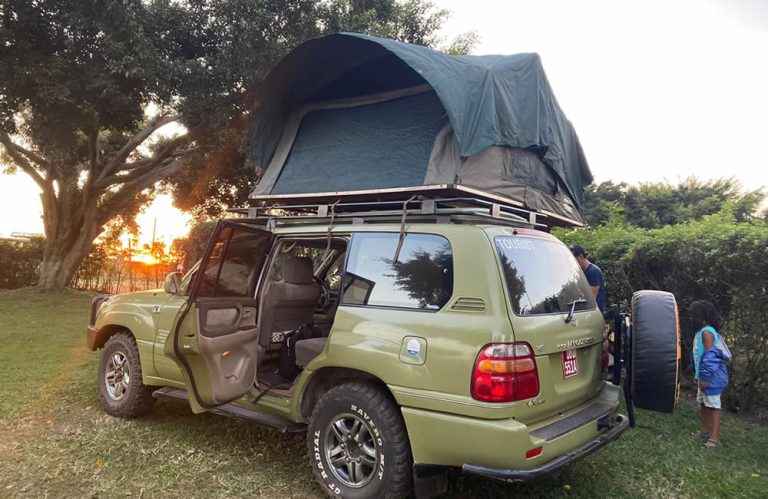
Choosing the Right 4×4 for Kenya Overlanding
The vehicle is central to a successful Kenya overland safari.
For self-drive travel, choose a properly maintained 4×4 designed for safari conditions.
Ground clearance, suspension condition, spare tires, recovery equipment, storage, navigation capability and fuel range are more important than cosmetic appearance.
4×4 Vehicle Features to Look For
- High ground clearance.
- Genuine off-road capability.
- Reliable suspension.
- Quality tires.
- At least one full-size spare tire.
- Secure luggage storage.
- Recovery equipment.
- Reliable navigation.
- Offline maps.
- Backup power supply.
- Camping equipment if using a rooftop tent.
- Auxiliary power where appropriate.
- Good ventilation.
- Comfortable seating.
- Rental-company roadside support.
- Emergency contacts.
When comparing Kenya 4×4 rental companies, ask detailed questions about the vehicle rather than looking only at the advertised daily rate.
Rooftop Tent Overlanding Kenya
A rooftop tent is popular because it provides a ready-made sleeping platform and keeps the sleeping area elevated.
It works particularly well for travelers who want a balance between adventure and simplicity.
A rooftop tent can reduce the amount of time required to set up camp each evening.
However, a rooftop tent does not remove the need to use designated campsites and follow wildlife safety rules.
The vehicle should be parked only where camping is permitted.
Travelers should also understand how to operate the tent before leaving the rental depot.
Camping on a Kenya Overland Safari
Public and Basic Campsites
Basic campsites can be an economical way to travel, especially for travelers carrying their own tent, cooking equipment and supplies.
Facilities vary significantly.
Do not assume that every campsite provides:
- Hot showers.
- Electricity.
- Food.
- Wi-Fi.
- Reliable water.
- Security.
- Charging facilities.
Always verify campsite facilities before arrival.
Private Campsites
Private campsites may provide more predictable facilities.
Some provide:
- Bathrooms.
- Hot showers.
- Restaurant access.
- Charging facilities.
- Security arrangements.
- Fireplaces.
- Kitchen areas.
Private campsites can be especially useful for rooftop-tent travelers.
Tented Camps and Lodges
Mixing camping with lodge accommodation is often the best approach.
After several nights on the road, a lodge night provides a comfortable reset.
It also allows you to spend more money where it matters most, such as accommodation inside a prime wildlife area, while using camping for less expensive transit nights.
For example:
Night 1: Nairobi hotel
Night 2: Lake Naivasha campsite
Night 3: Lake Nakuru lodge
Nights 4–6: Maasai Mara tented camp
Night 7: Nairobi hotel
This mixed approach works well for many travelers.
Camping Safety in Kenya
Camping in wildlife country requires common sense and strict adherence to local instructions.
Important rules include:
- Camp only in approved areas.
- Do not walk around at night in wildlife areas unless campsite staff explicitly advise that it is safe.
- Keep food secured.
- Follow campsite instructions for waste.
- Do not feed wildlife.
- Use a headlamp.
- Keep essential items inside the tent or vehicle.
- Follow instructions around elephants, buffalo, hippos and other large animals.
- Do not leave valuables exposed in an unattended vehicle.
The fact that a campsite looks peaceful does not mean wildlife cannot pass through.
Accommodation Options for Kenya Overlanding
Kenya’s accommodation range makes it possible to build a route around your budget.
Budget travelers can use campsites and simple guesthouses.
Mid-range travelers can mix campsites with comfortable lodges.
Luxury travelers can combine overland transport with premium tented camps and safari lodges.
Budget Overland Safari
A budget Kenya overland safari can include:
- Camping most nights.
- Simple guesthouses.
- Shared vehicle costs.
- Self-catering.
- Affordable local restaurants.
- Carefully selected park visits.
The goal should not be to make the entire trip as cheap as possible.
Instead, spend money strategically on the experiences that matter most.
Mid-Range Overland Safari
A mid-range safari can combine:
- Campsites.
- Lodges.
- Tented camps.
- Private 4×4.
- Driver-guide.
- Comfortable accommodation.
- Selected activities.
This is often the sweet spot for travelers who want adventure without sacrificing comfort.
Luxury Overland Safari
Luxury overlanding can include:
- Private 4×4 safari vehicle.
- High-end lodges.
- Luxury tented camps.
- Private conservancy experiences.
- Specialist guides.
- Flexible game drives.
- Premium scenic experiences.
- Domestic flights where they save substantial road time.
Luxury overlanding does not necessarily mean driving less.
It means having high-quality accommodation and support while retaining the flexibility of road travel.
Best Time for Overlanding Kenya
Kenya can be visited throughout the year, but different seasons produce different travel experiences.
Dry Seasons
Kenya’s drier periods are popular for safari because roads are generally easier in many areas and wildlife can be easier to locate around water sources.
These periods can also be busier.
Accommodation and popular wildlife areas may experience higher demand.
Green Seasons and Rainy Periods
Green-season travel can produce dramatic landscapes, fewer visitors in some areas and excellent photographic conditions.
Rain can, however, affect road conditions, especially on secondary roads and unpaved tracks.
Overlanders should build flexibility into the itinerary.
Avoid planning extremely long drives on days when severe weather is expected.
The Wildebeest Migration
The Maasai Mara’s migration season is one of the most famous wildlife spectacles in Africa.
However, travelers should not treat a particular migration crossing as guaranteed on a specific date.
Wildlife movement is influenced by rainfall and ecological conditions.
The Mara should therefore be planned for its year-round wildlife value rather than relying exclusively on migration crossings.
Road Conditions and Driving in Kenya
Road conditions vary from excellent paved highways to rough gravel roads and sandy or muddy tracks.
A Kenya overland itinerary should distinguish between travel roads and game-drive roads.
A vehicle that is comfortable on the highway may still require careful driving inside parks.
Practical Driving Principles
- Drive conservatively on unfamiliar roads.
- Reduce speed on corrugations.
- Slow down around potholes.
- Be cautious on loose surfaces.
- Do not assume a road shown on a map is in good condition.
- Refuel before entering remote regions.
- Keep offline navigation available.
- Allow extra time for wildlife and road conditions.
- Never drive tired.
- Follow park speed limits.
- Follow local traffic laws.
Cross-Border Overlanding from Kenya
Kenya can form the first or middle section of a broader East African overland journey.
Tanzania and Uganda are the most obvious neighboring extensions for safari travelers.
However, crossing a national border with a rental vehicle is more complicated than simply driving to a checkpoint.
Before Crossing a Border
Confirm:
- The rental company permits cross-border travel.
- Vehicle insurance is valid in each country.
- Temporary vehicle import requirements.
- Immigration requirements.
- Visa requirements.
- Park requirements.
- One-way drop-off rules.
- Border opening arrangements.
- Vehicle documentation.
Carry copies of the required documentation.
Because border rules and fees can change, travelers should verify current requirements shortly before departure rather than relying on an old itinerary or forum post.
Frequently Asked Questions About Overlanding Kenya
What Is Overlanding in Kenya?
Overlanding Kenya means traveling through the country primarily by road, usually using a capable 4×4 or safari vehicle, with the journey itself forming an important part of the experience.
It can include camping, lodges, self-drive travel or guided safari travel.
Is Kenya Good for Overlanding?
Yes.
Kenya offers diverse landscapes, major wildlife destinations, established tourism infrastructure and many route possibilities.
The best itinerary depends on the season, vehicle, experience level and amount of time available.
Can I Self-Drive a Kenya Safari?
Yes.
Self-drive safaris are possible in Kenya, but travelers should be properly prepared.
A suitable 4×4, offline navigation, realistic route planning, fuel management and knowledge of wildlife safety are important.
Do I Need a 4×4 for Kenya Overlanding?
For a serious overland safari that includes rough roads, camping equipment and national-park tracks, a capable 4×4 is strongly preferable.
Exact vehicle requirements depend on the route and season.
Can I Rent a Rooftop Tent in Kenya?
Yes.
Specialized safari and 4×4 rental companies offer rooftop-tent setups.
Confirm exactly what camping equipment is included before booking.
How Long Should a Kenya Overland Safari Be?
Seven to fourteen days is a useful range for a first substantial overland safari.
Shorter trips should focus on fewer destinations, while longer trips can explore northern Kenya or add neighboring countries.
Can I Cross From Kenya to Uganda?
Cross-border road travel between Kenya and Uganda is possible in appropriate circumstances, but a rental vehicle requires the correct permission, insurance and documentation.
Always confirm current requirements with the rental company and relevant authorities before departure.
Can I Combine Kenya and Tanzania by Road?
Yes.
Kenya and Tanzania can be combined into a larger East African road itinerary.
However, border crossing and rental-vehicle rules need to be arranged in advance.
A one-way rental requires particularly careful planning.
Is Camping Safe in Kenya?
Camping can be safe when done at authorized campsites and when travelers follow local wildlife-safety instructions.
Never assume that an unfenced campsite is safe for walking around after dark.
What Is the Best Kenya Overland Route for First-Time Visitors?
A:
Nairobi → Lake Naivasha → Lake Nakuru → Maasai Mara
circuit is one of the easiest introductions.
Travelers with more time can add Amboseli and Tsavo.
What Should I Look for in a Kenya 4×4 Rental?
Look at:
- Vehicle condition.
- Tires.
- Ground clearance.
- Recovery equipment.
- Camping gear.
- Insurance.
- Roadside assistance.
- Cross-border permissions.
- Rental support.
- Emergency arrangements.