
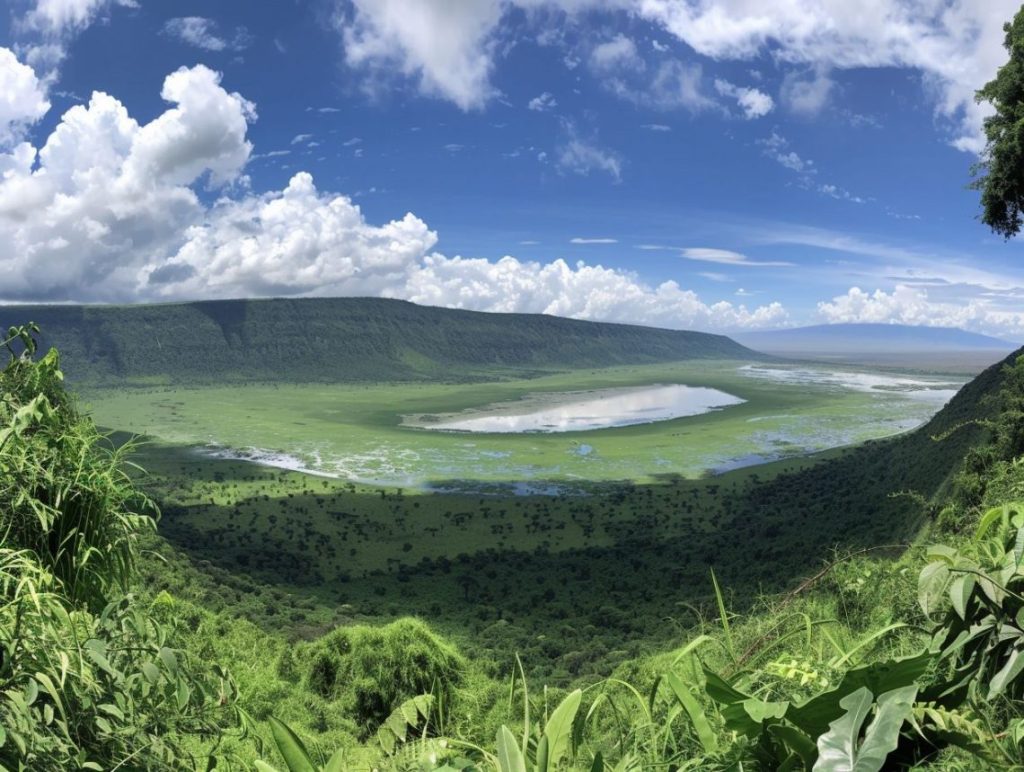
East Africa stands as one of the world’s most ecologically diverse and visually stunning regions, offering an unmatched tapestry of dramatic landscapes, rare wildlife, and profound cultural heritage. From the snow-capped peak of Mount Kilimanjaro overlooking dusty savannahs to the volcanic calderas of Tanzania and the dense, misty bamboo forests of southwestern Uganda, this region provides travelers with lifelong memories. This comprehensive guide explores three of East Africa’s most iconic destinations: Amboseli National Park, Mgahinga Gorilla National Park, and the Ngorongoro Conservation Area, providing all the insights, itineraries, and practical details needed to plan an extraordinary expedition.
Part 1: Amboseli National Park — A Jewel of Kenya’s Wilderness
Introduction to Amboseli
Nestled at the foot of Mount Kilimanjaro in southern Kenya’s Kajiado County, Amboseli National Park stands as one of Africa’s premier wildlife destinations. Spanning 392 square kilometers, the park’s name is derived from a Maasai word meaning “salty dust,” reflecting its dynamic and arid environment. Located northwest of Tanzania’s Mount Kilimanjaro, it is globally celebrated for offering the classic, most photographed view in Africa: massive herds of free-roaming elephants silhouetted against the snow-capped majesty of the continent’s highest peak.
Why Choose a Self-Drive Rooftop Tent Safari?
For high-intent travelers and independent explorers looking for an immersive outdoor adventure, tackling Amboseli on a self-drive camping and rooftop tent safari offers unmatched freedom, flexibility, and a front-row seat to raw African nature. Trading rigid tour schedules for an independent 4×4 expedition transforms your journey into a true personal adventure:
- Total Itinerary Control: Travel at your own pace, linger as long as you want at prime wildlife viewing spots, and design custom routes across Kenya’s iconic national parks.
- Elevated Wilderness Camping: Sleep securely off the ground in a heavy-duty, weather-proof rooftop tent featuring built-in high-density foam mattresses, excellent ventilation, and panoramic mesh windows.
- Fully Equipped Mobile Kitchens: Your 4×4 rental vehicle comes outfitted with complete camping gear—including cooking utensils, a portable gas stove, a cooler or electric fridge, sleeping bags, camping chairs, and essential recovery gear.
Wildlife & Captivating Scenery in Amboseli
Amboseli’s unique ecosystem combines open plains, acacia woodlands, and permanent marshlands fed by underground meltwaters from Kilimanjaro’s snowcaps.
- The Elephant Sanctuary: The park is globally famous for its massive elephant herds boasting impressive tusks, often observed moving sedately in large family groups against breathtaking backdrops.
- The Big Five & More: Alongside elephants, encounter lions, buffaloes, cheetahs, and leopards prowling the savannah, while elusive rhinos occasionally make their presence felt.
- A Birdwatcher’s Paradise: The park’s swamps attract over 400 to 600 bird species, including waterfowl like pelicans and egrets, kingfishers, African jacanas, and African fish eagles.
- Cultural Tapestry: Beyond its natural allure, Amboseli is steeped in cultural richness as the land is entwined with the heritage of the Maasai people. Visitors can engage with Maasai communities through organized tours, gaining insights into their traditions, livelihood, and harmonious coexistence with wildlife.
Navigation & Access Guide via Kimana Gate
Amboseli features multiple entry points—including Meshanani, Kitirua, Iremito, and Kimana—allowing you to map your drive depending on your departure point.
- Entering via Kimana Gate: This main portal serves as a transition from bustling human settlements into a raw ecological haven of sprawling plains and marshlands.
- Self-Drive Route from Nairobi: Travel from Nairobi via the Nairobi-Mombasa road to Emali, switch onto the Emali-Loitokitok road, and follow the directional signage straight toward Amboseli’s gates.
- Vehicle Requirement: Navigating the changing terrain, dusty tracks, and park terrain requires a robust, high-clearance 4×4 vehicle (such as a Toyota Land Cruiser or 4×4 double cab) equipped with 4WD capabilities.
Conservation in Amboseli
Like many natural wonders around the globe, Amboseli faces conservation challenges, including climate change, human-wildlife conflict, and habitat pressures. Ecotourism plays a pivotal role by funding conservation while uplifting local communities. Practicing responsible tourism ensures that visitors leave nothing behind but footprints while absorbing the breathtaking beauty of the park.
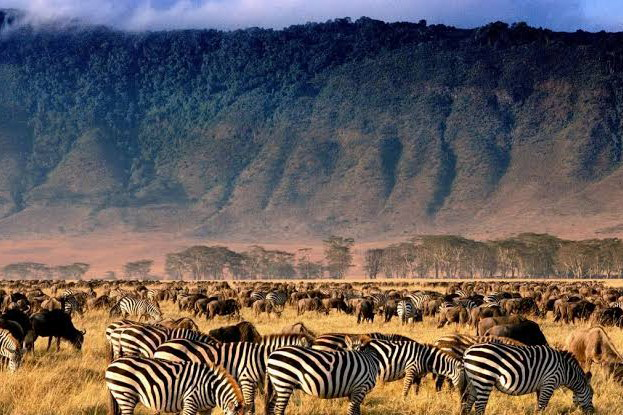
Part 2: Mgahinga Gorilla National Park — Uganda’s Untamed Volcanic Paradise
Introduction to Mgahinga
Nestled deep within the southwestern corner of Uganda in the Kisoro District—near the borders of Rwanda and the Democratic Republic of Congo—Mgahinga Gorilla National Park is an extraordinary hidden treasure. Spanning 33.7 square kilometers, this compact yet biodiverse sanctuary forms part of the greater Virunga Conservation Area, offering travelers an immersive escape into pristine montane forests, bamboo thickets, and dramatic volcanic highlands.
Why Visit Mgahinga?
While often compared to its neighbor Bwindi Impenetrable National Park, Mgahinga offers a distinct, less-crowded safari experience characterized by several unique highlights:
- The Rare Dual Primate Experience: Unlike Bwindi, where you track mountain gorillas and must travel elsewhere for chimpanzees, Mgahinga allows you to experience a two-in-one primate adventure—tracking both endangered mountain gorillas and playful, vibrant golden monkeys in a single destination.
- Dramatic Volcanic Scenery: The park is framed by three striking conical extinct volcanoes—Mount Gahinga, Mount Muhavura, and Mount Sabyinyo—which create an awe-inspiring backdrop for every hike.
- Rich Cultural Immersion: Embark on the historic Batwa Trail to learn about the ancient forest traditions and lifestyle of the indigenous Batwa pygmies.
Wildlife Diversity & Ecosystems
Mgahinga’s unique mix of alpine zones and dense montane vegetation supports an incredible array of wildlife:
- Endangered Mountain Gorillas: Witness habituated gorilla families roaming freely through lush bamboo slopes.
- Golden Monkeys: Spot these rare, charismatic primates leaping through the high-altitude bamboo forests.
- Mammals & Birdlife: The park is home to forest buffaloes, bushbucks, black-fronted duikers, and over 400 recorded bird species, including the Ruwenzori Turaco, Archer’s Robin-Chat, and Regal Sunbird.
Understanding the Seasons & Best Time to Visit
Uganda experiences two distinct dry seasons (June to August and December to February) and two rainy seasons (March to May and September to November).
- Dry Season Advantages: The dry months offer optimal trekking conditions with less slippery trails, comfortable pest-free walks, and clearer visibility for photography and wildlife spotting. Because gorilla permit allocations are strictly regulated, the park maintains an intimate, uncrowded atmosphere even during peak periods.
- Rainy Season Magic: Off-peak rainy months offer lush, vibrant landscapes and quiet trails for adventurous travelers seeking deep solitude.
3-Day Mgahinga Adventure Itinerary
- Day 1: Kampala to Kisoro
- Morning: Depart Kampala around 7:00 AM for an 8 to 10-hour scenic drive southwest, stopping at the Equator for photos and souvenirs.
- Afternoon/Evening: Arrive in Kisoro, check into your lodge, relax, and enjoy panoramic dinner views of the Virunga Volcanoes.
- Day 2: Mountain Gorilla Trekking in Mgahinga
- Morning: Head out early for park registration and a ranger briefing before embarking on your gorilla trek (lasting anywhere from 1 to 6 hours depending on gorilla movement).
- Afternoon/Evening: Enjoy a packed lunch in the park, receive your official gorilla trekking completion certificate at headquarters, and return to your lodge for dinner.
- Day 3: Golden Monkey Tracking & Return to Kampala
- Morning: Begin your morning with an exciting golden monkey tracking excursion through the bamboo woods.
- Afternoon: Have lunch, check out of your hotel, and drive back to Kampala, arriving by evening.
Practical Information for Mgahinga
- Accommodation Options:
- Budget: Kisoro Tourist Hotel, Mgahinga Rest Camp
- Mid-Range: Mucha Hotel, Kisoro Travellers’ Rest
- Luxury: Mount Gahinga Lodge, Clouds Mountain Gorilla Lodge
- Permits & Fees (UWA Rates):
- Gorilla Trekking Permit: $800 per person (Foreign Non-Residents)
- Golden Monkey Tracking Permit: $60 to $100 per person (inclusive of park entry)
- Essentials: Single-entry Uganda visa ($50) and a mandatory Yellow Fever vaccination certificate.
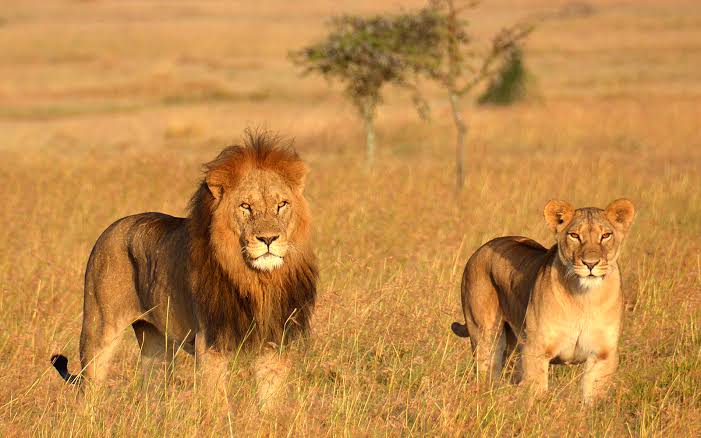
Part 3: Ngorongoro Conservation Area — A Unique Confluence of Nature and Culture
Introduction to Ngorongoro
Nestled in the stunning landscape of Tanzania, the Ngorongoro Conservation Area is a UNESCO World Heritage site heralded for its unparalleled natural beauty, diverse wildlife, and significant archaeological value. Spanning approximately 8,292 square kilometers, this extraordinary reserve serves as both an unflooded, unbroken volcanic caldera sanctuary for wildlife and a home to local Maasai pastoralists, creating a unique intersection of natural splendor and human heritage.
The Wonders of the Ngorongoro Crater
At the heart of transferrable conservation lies the legendary Ngorongoro Crater, stretching around 20 kilometers in diameter and reaching depths of up to 610 meters. Formed millions of years ago when a giant volcano erupted and collapsed, its lush soils and abundant water supply sustain a rich microcosm of the East African ecosystem.
- The Big Five & Abundant Wildlife: Home to an estimated 25,000 to 30,000 animals, the crater floor is one of the best locations in Africa to spot lions, elephants, leopards, buffaloes, and the elusive black rhino.
- Deep Archaeological Roots: Within the wider conservation area, Olduvai Gorge provides invaluable fossil discoveries and sediment layers preserving early hominid remains that date back roughly 1.9 million years, illuminating the story of human evolution.
- Cultural Harmony: The area is globally celebrated for its pioneering conservation model, where local Maasai communities graze their cattle alongside free-roaming wildlife in a centuries-old tradition.
Understanding the Seasons in Ngorongoro
Ngorongoro experiences distinct seasonal dynamics that dictate wildlife behavior and landscape aesthetics:
- The Dry Season (June to October):
- Conditions: Characterized by cooler, crisp temperatures and steady drying across the landscape, requiring layered clothing for chilly mornings and evenings.
- Wildlife Viewing: As water sources dwindle, animals congregate densely around remaining water holes, offering phenomenal safari sightings and exceptional photography.
- The Wet Season (November to May):
- Conditions: Brings lush, green scenery and warmer weather as seasonal rains breathe new life into the ecosystem.
- Wildlife & Birding: Late January through February marks the peak of the calving season, where thousands of wildebeests and zebras give birth, attracting active predators. Over 500 bird species arrive, making it an absolute paradise for ornithologists.
Whether you choose to drive your own fully equipped 4x4 rooftop tent vehicle across the dusty plains of Amboseli[cite: 1, 2], trek through the misty bamboo forests of Mgahinga to find golden monkeys and mountain gorillas[cite: 3], or descend into the breathtaking caldera of the Ngorongoro Crater[cite: 4], East Africa offers an unmatched wildlife journey.
Ready for Your East African Safari?
Equip yourself with a rugged, safari-ready 4x4 vehicle outfitted with premium rooftop tents and complete camping gear from 4x4 Kenya.
- Website: 4x4 Kenya
- Call / WhatsApp / Email: Contact our booking desk today to check vehicle availability, customize your self-drive itinerary, and reserve your 4x4 rooftop tent package for an unforgettable safari expedition!