
Hiking Kilimanjaro: Africa’s Tallest Mountain
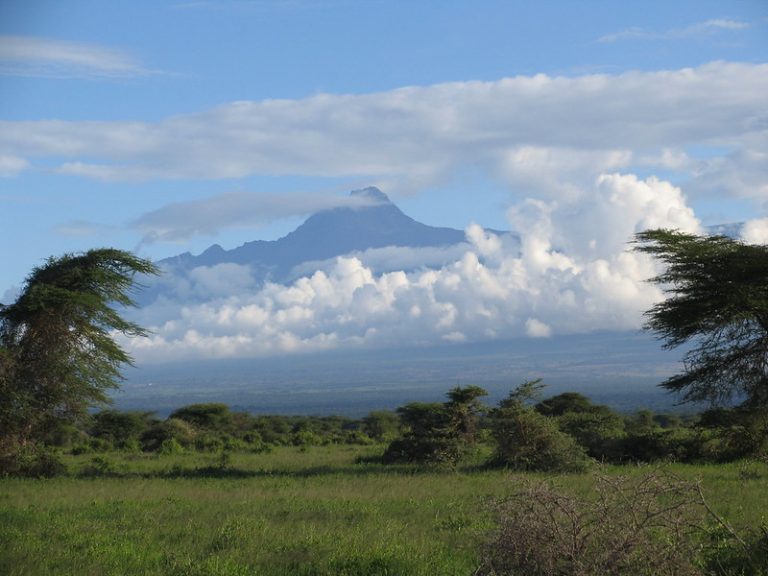
Standing at an incredible 5,895 meters (19,341 feet) above sea level, Mount Kilimanjaro is the roof of Africa and the tallest free-standing mountain on earth. Located in Tanzania—the primary Mount Kilimanjaro country—this iconic snow-capped peak draws thousands of adventurers every year.
Whether you want to combine your East African road trip with an epic trek or are looking for dedicated Kilimanjaro hiking tours, standing at Uhuru Peak is a life-changing milestone.
Key Trekking Facts & Logistics
Before you lace up your boots, it helps to understand what you are up against in terms of distance, difficulty, and budget.
- Mt Kilimanjaro hike distance: Depending on the route you choose (such as Machame, Marangu, or Lemosho), the total walking distance ranges between 62 to 90 kilometers (37 to 56 miles) round trip.
- Kilimanjaro hike difficulty: Kilimanjaro is a non-technical walk-up, meaning you do not need ropes, ice axes, or mountaineering experience. However, do not underestimate it. The extreme altitude, steep inclines, and rapid temperature changes make the Kilimanjaro hike difficulty rating high. Proper acclimatization is your key to success.
- Climbing Kilimanjaro on a budget: While park fees are fixed by the government, you can save substantially by joining a group trek, choosing the classic Marangu route, and renting gear locally rather than buying brand-new equipment.
Best Time to Hike Mount Kilimanjaro
While it is possible to climb year-round, you will have the safest and most comfortable experience during the dry seasons:
- January to March: Clear skies, beautiful snow-capped views, and slightly cooler temperatures. Perfect for photography.
- June to October: The long dry season. Warm days, minimal rain, and optimal trail conditions make this the most popular window.
Accommodations: Lodges & Campsites
Where you sleep depends heavily on the specific Kilimanjaro trekking packages you book:
Pre- and Post-Hike Gateway Lodges
Before and after your climb, you will stay in nearby towns like Moshi or Arusha to rest and prep your gear.
- Sal Salinero Hotel (Moshi): A comfortable, quiet retreat with lush gardens and a pool—ideal for post-climb muscle recovery.
- Protea Hotel by Marriott Safari Lodge (Moshi): Excellent amenities, reliable hot water, and stunning views of the mountain base.
On-the-Mountain Lodging
- The Hut Route (Marangu): If you choose the Marangu route, you will sleep in permanent, solar-powered wooden A-frame huts (Mandara, Horombo, and Kibo).
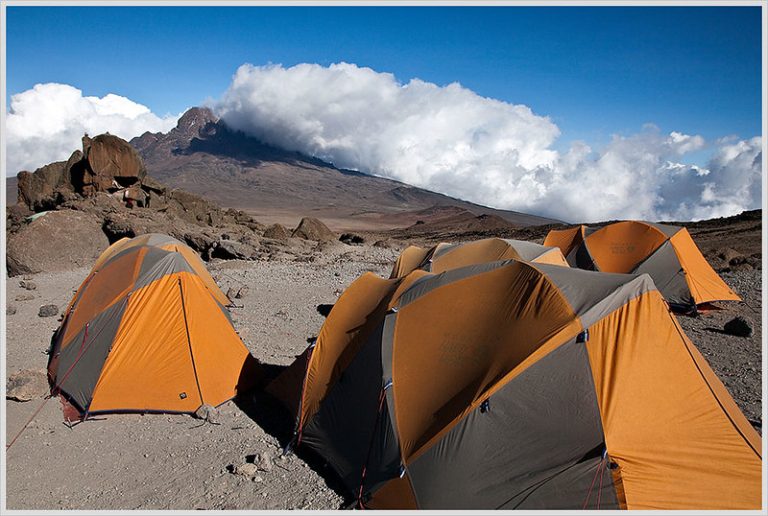
- The Camping Routes (Machame, Lemosho): On all other routes, you sleep in high-altitude mountain tents set up by your porter team at designated park campsites.
Classic Marangu: Kilimanjaro 5 Day Hike Itinerary
The Marangu route is the oldest, most established pathway up the mountain. It is often favored by those looking for a shorter trail or looking into climbing Kilimanjaro on a budget due to its shared hut accommodations.
Here is the standard Kilimanjaro hike itinerary for the 5-day option.
1.Day 1: Marangu Gate to Mandara Huts:Distance: 8km | Time: 4-5 hours.
Register at the park gate (1,860m) and begin your trek through the lush, dense montane rainforest. Keep an eye out for blue monkeys and bright colobus monkeys. Reach Mandara Huts (2,700m) for dinner and your first night on the mountain.
2.Day 2: Mandara Huts to Horombo Huts:Distance: 12km | Time: 6-8 hours.
Leave the forest behind as you enter the low alpine moorland zone, dominated by giant lobelias and groundsels. The trail opens up to offer panoramic views of the twin peaks, Kibo and Mawenzi. Arrive at Horombo Huts (3,720m).
3.Day 3: Horombo Huts to Kibo Huts:Distance: 10km | Time: 5-7 hours.
Cross the stark, rocky lunar desert of the “Saddle” connecting Mawenzi and Kibo. Vegetation thins out completely as you approach the high-altitude desert zone. Rest early at Kibo Huts (4,703m) to prepare for the midnight summit push.
4.Day 4: Summit Night & Descent to Horombo Huts:Distance: 22km | Time: 10-15 hours.
Wake up at midnight. Push up steep scree switchbacks in the freezing cold to Gilman’s Point (5,685m) on the crater rim, then continue to Uhuru Peak (5,895m) for sunrise. After celebrating at Africa’s highest point, begin the long descent back down to Horombo Huts (3,720m).
5.Day 5: Horombo Huts to Marangu Gate:Distance: 20km | Time: 5-7 hours.
Complete your descent back through the moorland and rainforest zones to Marangu Gate. Collect your official gold summit certificate, say goodbye to your guiding crew, and catch your private vehicle transfer back to your lodge.