
What is Giraffe? Complete Guide to Seeing Giraffes on a Self-Drive Safari in Tanzania
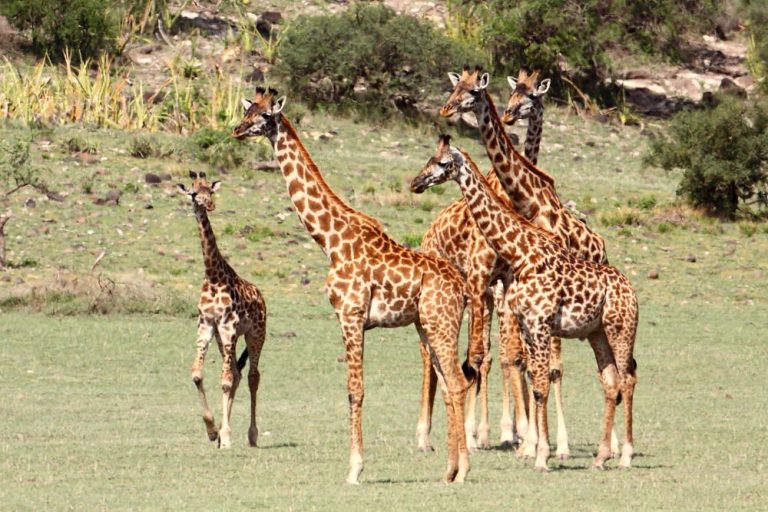
What is a giraffe? If you’ve ever wondered about these towering, magnificent creatures, you’re not alone. Giraffes capture the imagination of wildlife enthusiasts and safari lovers worldwide. They are more than just tall animals – they are iconic symbols of African wilderness and natural beauty.
In this comprehensive guide, we’ll answer the question ‘What is Giraffe?’ in depth. We’ll explore their fascinating characteristics, behavior, and habitat. More importantly, we’ll show you exactly how to see giraffes and the Big 5 on an unforgettable self-drive safari across Tanzania’s Serengeti National Park.
Let’s dive into the world of giraffes and discover why a self-drive adventure with 4×4 Kenya is the perfect way to experience these incredible animals.
What is a Giraffe? Definition and Basic Characteristics
A giraffe is the world’s tallest living terrestrial animal. When you ask ‘What is a giraffe?’, the first thing that comes to mind is their extraordinary height. Adult male giraffes can reach heights of 14 to 19 feet tall, with their necks alone measuring 6 feet in length. Females are slightly shorter, typically reaching 14 to 16 feet.
The scientific name for the giraffe is Giraffa camelopardalis. These herbivorous mammals belong to the family Giraffidae and are found exclusively in Africa. Giraffes are built for survival in their natural habitat, with adaptations that make them perfectly suited to African savannas.
Types of Giraffes: What is Giraffe Species Diversity?
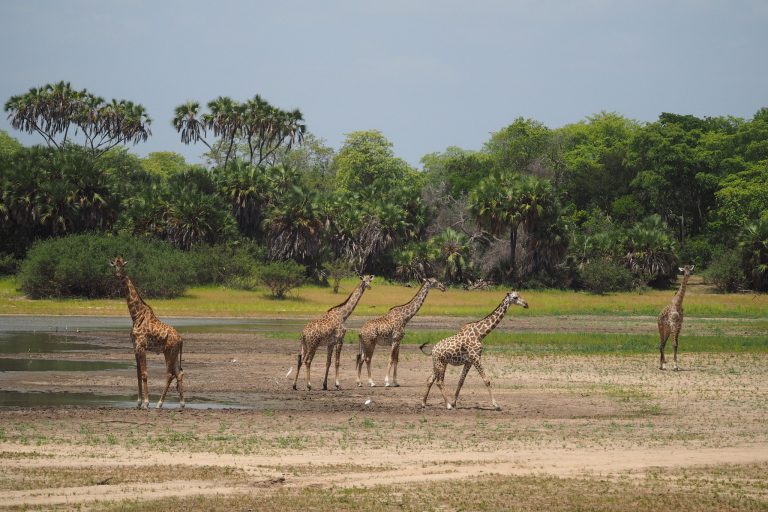
When exploring ‘What is a Giraffe?’, it’s important to understand there are different subspecies. Giraffes are classified into several distinct subspecies, each with unique characteristics:
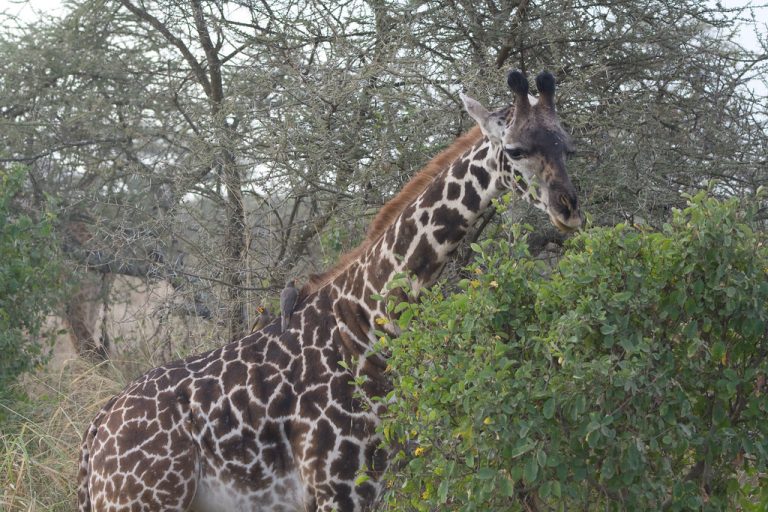
- Masai Giraffe – Featured prominent dark brown patches with lighter tan coloring. Found in Tanzania and Kenya. This is the species you’ll encounter on your self-drive safari in Serengeti.
- Reticulated Giraffe – Characterized by a distinctive reddish-brown coloring with a white reticulated pattern. Primarily found in Somalia and northern Kenya.
- Northern White Giraffe – The rarest subspecies with a pale cream coloring. Found only in the Central African Republic.
- South African Giraffe – Lighter tan coloring with irregular brown blotches. Found in southern African countries including South Africa and Botswana.
Distinctive Physical Features: Understanding What is a Giraffe
What is a giraffe without its most recognizable features? Let’s explore the unique physical adaptations that define these incredible animals:
- Long Neck – The iconic long neck contains the same number of vertebrae as humans (seven), but each is significantly elongated. This allows giraffes to reach leaves up to 20 feet high.
- Four Legs – Giraffes have powerful legs up to 6 feet long. Despite their height, they can run at speeds up to 35 mph when threatened.
- Distinctive Coat Pattern – The unique spot or reticulated patterns are like fingerprints – no two giraffes have identical markings.
- Ossicones – These are horn-like protrusions on the head. Males have more prominent ossicones than females.
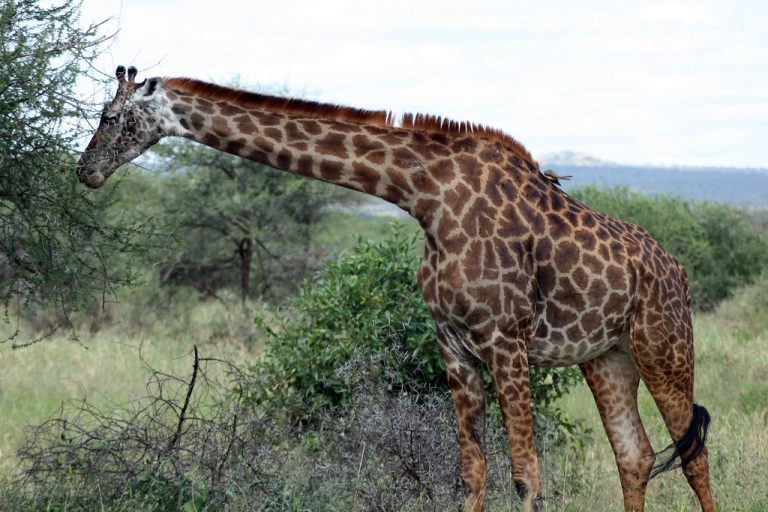
- Long Tongue – Giraffes possess a 20-inch prehensile tongue to grasp acacia leaves. Their lips are also tough enough to handle acacia thorns.
- Weight – Adult males weigh 2,600 to 2,800 pounds, while females weigh 1,600 to 1,800 pounds.
What is Giraffe Diet and Behavior?
Feeding Habits – The Acacia Diet
Giraffes are herbivores with a specific preference for acacia trees. They spend most of their day feeding, consuming approximately 75 pounds of vegetation daily. The acacia tree provides both sustenance and moisture, which helps giraffes survive during dry seasons.
Their long necks and tongues give them a unique advantage over other herbivores. Giraffes can reach leaves that other animals cannot, reducing competition for food resources on the African savanna.
Social Behavior and Group Dynamics
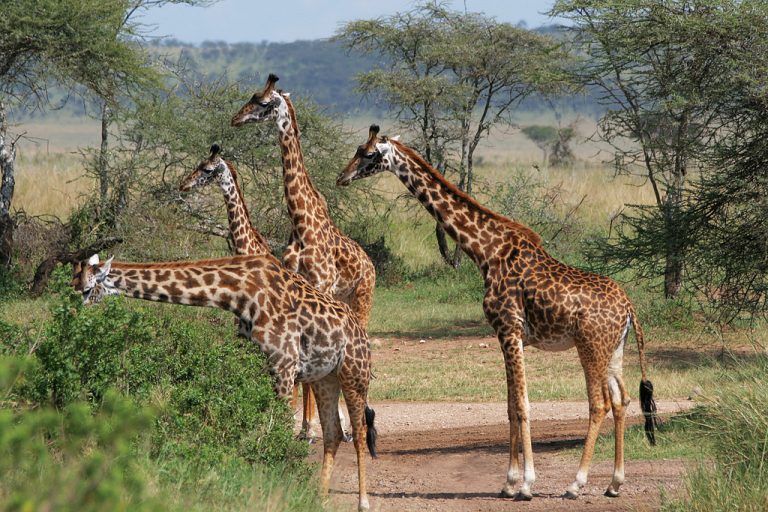
Giraffes are social animals that live in herds called ‘towers’ or ‘groups.’ A tower of giraffes typically consists of 10 to 20 individuals, though groups can vary. Unlike many herd animals, giraffes don’t have a strict hierarchical structure. Members can join or leave groups relatively freely.
- Communication – Giraffes are largely silent animals. They communicate through visual signals, body language, and infrasound (low-frequency sounds below human hearing).
- Mating – Males establish dominance through ‘necking,’ where they swing their necks at each other. The victor earns mating rights with females.
- Calves – Baby giraffes (calves) are born after a 14-month gestation period. Newborns are 6 feet tall and can run within hours of birth.
Where Do Giraffes Live? Habitat and Distribution
Understanding ‘What is a Giraffe’ requires knowing where they live. Giraffes are exclusively African animals, found across the continent’s savannas, grasslands, and open woodlands. They prefer areas with scattered trees, particularly acacia forests, where food and shelter are abundant.
Tanzania is one of the best destinations to see giraffes in their natural habitat. The Serengeti National Park, in particular, is home to large giraffe populations. The park’s diverse ecosystem provides ideal conditions for giraffe survival.
- Tanzania – Home to the Masai giraffe. Serengeti, Tarangire, and Amboseli are prime giraffe viewing locations.
- Kenya – Another giraffe stronghold with populations throughout the Maasai Mara and other protected areas.
- Botswana and Namibia – Southern populations thrive in these countries’ vast wilderness areas.
- Angola and Democratic Republic of Congo – Home to smaller, more elusive giraffe populations.
What is Giraffe Conservation Status?
While giraffes may seem abundant, they face significant conservation challenges. Giraffe populations have declined by approximately 30% over the last three decades. Habitat loss, poaching, and human-wildlife conflict threaten their survival.
By choosing a self-drive safari with 4×4 Kenya in Tanzania, you directly support conservation efforts. Tourism revenue funds park management, anti-poaching patrols, and habitat protection programs. Your visit helps ensure that future generations can experience the wonder of seeing giraffes in the wild.
Experience Giraffes on a Self-Drive Safari: Tanzania Adventure
Now that you understand ‘What is a Giraffe,’ it’s time to see them in action. A self-drive safari is the ultimate way to experience giraffes and the Big 5 across Tanzania’s magnificent landscape. With 4×4 Kenya, you control your adventure.
Why Choose a Self-Drive Safari in Tanzania?
- Freedom and Flexibility – Set your own schedule. Stop when you want. Spend extra time photographing giraffes without rushing.
- Cost-Effective – Self-drive safaris are more affordable than guided tours. Reduce costs without sacrificing experience quality.
- Personal Adventure – Create your own unique safari story. Discover hidden spots and off-the-beaten-path locations.
- Wildlife Encounters – More flexibility means more giraffe sightings. Stop immediately when you spot these incredible animals.
- Photography Opportunities – Position your vehicle for perfect shots. Capture the moment without guide constraints.
7-Day Self-Drive Safari Itinerary: See Giraffes and the Big 5 in Serengeti
Note: This itinerary is flexible. Tours can be customized for 5, 6, 8, or more days based on your preferences and availability. Contact 4×4 Kenya to adjust your adventure.
Day 1: Arrival in Arusha – Prepare for Your Giraffe Adventure
- Arrive at Kilimanjaro International Airport (KIA)
- Transfer to Arusha (1 hour drive)
- Collect your 4×4 Kenya vehicle – fully equipped with camping gear, spare parts, and emergency supplies
- Briefing on your vehicle, park regulations, and safety protocols
- Overnight in Arusha
Day 2: Arusha to Serengeti – Journey Begins
- Early morning departure (4:00 AM)
- Drive to Serengeti National Park (5-6 hours). Stop at Ngorongoro Conservation Area viewpoint.
- First giraffe sightings! Watch for Masai giraffes alongside wildebeest and zebras.
- Set up camp in Serengeti or choose lodge accommodation
- Evening game drive – spot giraffes during golden hour
Day 3: Northern Serengeti – Big 5 Search Begins
- Full day exploring northern Serengeti
- Search for Big 5: Lions, African Elephant, African Buffalo, Leopard, and Rhinoceros
- Giraffe viewing: Northern Serengeti offers excellent opportunities to photograph giraffes in their natural habitat
- Morning drive (6:00 AM – 10:00 AM) – best wildlife viewing time
- Afternoon break at camp
- Evening drive (4:00 PM – 7:00 PM)
Day 4: Central Serengeti – Giraffe Heartland
- Explore central Serengeti – prime giraffe territory
- Seronera Valley offers multiple towers of giraffes. Ideal for understanding giraffe behavior.
- Look for elephant, buffalo, and predators including lions and hyenas
- Photography session – capture giraffes with acacia trees and other wildlife
- Full day game drive or split into morning and afternoon sessions
Day 5: Southern Serengeti – Migration and Wildlife
- Drive to southern Serengeti (Ngorongoro Conservation Area border region)
- Witness the Great Migration (seasonal – June to October)
- Giraffe sightings in open plains mixed with millions of wildebeest
- Predator activity increases – lions, hyenas, and leopards follow the migration
- Multiple game drives throughout the day
Day 6: Return Journey and Tarangire Option
- Option A: Return to Arusha with stops at scenic viewpoints
- Option B: Divert to Tarangire National Park (additional giraffe and Big 5 sightings)
- Tarangire features elephant concentrations and abundant giraffe populations
- Game drive in your chosen park
- Overnight accommodation in Arusha
Day 7: Departure
- Relax in Arusha or enjoy early morning activities
- Return rental vehicle to 4×4 Kenya with inspection
- Transfer to Kilimanjaro International Airport
- Depart Tanzania with unforgettable memories
| CAMPING | LODGE/HOTEL |
| Price $1,200 - $1,500 per person | Price $1,800 - $2,800 per person |
| Experience Sleep under stars. Feel African wilderness. Connect with nature. Authentic safari experience. | Experience Comfort and amenities. Hot showers. Restaurant meals. Relaxation between drives. |
| Best For Budget travelers. Adventure seekers. Nature lovers. | Best For Comfort-focused travelers. Families. Those wanting modern amenities. |
4×4 Kenya Vehicles: Your Safari Companion
Our specially equipped 4×4 vehicles are designed for East African safari conditions. Each vehicle includes:
- High suspension for rough terrain
- Pop-up roof for optimal wildlife viewing and photography
- Camping equipment (tents, sleeping bags, cooking gear)
- Spare tires and basic maintenance tools
- Cooler box for food storage
- All-terrain tires for maximum traction
Packing Checklist: What to Bring for Your Giraffe Safari
Prepare for your self-drive adventure with these essential items:
Photography & Binoculars
- Camera (DSLR or mirrorless recommended)
- Telephoto lens (200mm-400mm for wildlife)
- Binoculars (8×42 or 10×42)
- Extra memory cards and batteries
Clothing
- Neutral-colored clothing (browns, greens, tans – blends with landscape)
- Long sleeves and pants (sun and insect protection)
- Hat or cap with brim
- Comfortable walking shoes
Health & Safety
- Sunscreen (high SPF)
- Insect repellent
- Medications (personal prescriptions)
- Malaria prophylaxis (if recommended)
- Vaccinations (yellow fever, etc.)
When to See Giraffes: Best Time to Visit Serengeti
Giraffes can be seen year-round in Serengeti. However, certain seasons offer enhanced experiences:
Dry Season (June – October)
- Best time overall. Water scarcity concentrates wildlife at remaining water sources.
- Great Migration peaks (July-August) – massive wildebeest herds with giraffes
- Clear skies. Easy wildlife spotting.
Wet Season (November – May)
- Lush vegetation. Birds active.
- Calves born – young giraffes visible with mothers
- Lower tourist numbers. More solitude.
- Roads can be muddy – 4×4 essential
Ready to See Giraffes? Book Your 4×4 Kenya Vehicle Today!
Don’t just read about giraffes. Experience them firsthand on a self-drive safari through Tanzania. 4×4 Kenya provides everything you need for an unforgettable adventure. Our vehicles are regularly maintained, fully equipped, and ready for your giraffe discovery journey.
📞 Call us now at +256 789 741 049 / +256 701 819 223 | 📧 info@4x4kenya.com | 🌐 www.4x4kenya.com
Interesting Giraffe Facts: What is Giraffe Really?
- Giraffes sleep only 10-30 minutes per day, often standing up
- Their 20-inch tongue is longer than their ears
- A giraffe’s heart weighs 25 pounds and produces immense pressure
- Newborn giraffes drop 6 feet to the ground at birth – a survival mechanism
- Giraffes are born with horns (ossicones) but they don’t harden until later
- Despite their size, giraffes can run 35 mph for short distances
- Giraffes don’t have vocal cords but communicate through infrasound
- A group of giraffes is called a ‘tower’
Safety on Your Self-Drive Safari
Your safety is paramount. Self-drive safaris are safe when you follow essential guidelines:
- Never leave your vehicle unless in designated rest areas
- Maintain distance from wildlife (at least 25 meters from most animals)
- Never approach mother animals protecting offspring
- Stick to marked roads and stay within designated safari areas
- Avoid night driving outside camps
- Carry communication devices (satellite phone or radio)
- Brief orientation provided before departure
Ready to See Giraffes? Book Your 4×4 Kenya Vehicle Today!
Don’t just read about giraffes. Experience them firsthand on a self-drive safari through Tanzania. 4×4 Kenya provides everything you need for an unforgettable adventure. Our vehicles are regularly maintained, fully equipped, and ready for your giraffe discovery journey.
📞 Call us now at +256 789 741 049 / +256 701 819 223 | 📧 info@4x4kenya.com | 🌐 www.4x4kenya.com
FAQ: Giraffes and Self-Drive Safaris
Q: Is a self-drive safari safe for first-timers?
A: Absolutely. Self-drive safaris are as safe as guided tours when you follow regulations. 4×4 Kenya provides comprehensive orientation and 24/7 support. Thousands of tourists drive safely through Serengeti annually.
Q: Will we definitely see giraffes?
A: Giraffe sightings are extremely likely. Serengeti has substantial populations. Your 7 days virtually guarantees multiple giraffe encounters. We recommend photography experience for stunning shots.
Q: What about extreme weather?
A: Vehicles are weatherproof. Tents are rainproof. Pack layered clothing. Rain rarely prevents game viewing. Actually, wet season wildlife viewing can be excellent as animals concentrate around water.
Q: Can families with children go?
A: Yes. Many families self-drive. Children (5+ years old) enjoy safaris. Educational experience. Slower pace allows relaxation. Camping can be modified to lodge stays for comfort.
Q: Do I need a driver’s license to rent a vehicle?
A: International driver’s license is required. Valid passport also needed. 4×4 Kenya checks all documents at rental. Not complex – standard rental requirements.
Book Your Giraffe Adventure with 4×4 Kenya Today
You now understand ‘What is a Giraffe’ and the incredible experience of seeing them in their natural habitat. The Serengeti awaits. The giraffes are waiting. Your adventure is ready to begin.
Contact 4×4 Kenya today to book your self-drive safari. Choose your dates. Select your accommodation. Prepare for the experience of a lifetime. Flexible plans for 5, 6, 7, or more days available. Group discounts possible.
Every moment watching giraffes in Serengeti changes perspective. Stand beneath their height. Witness their grace. Experience their world. This is what a safari should be.
Ready to See Giraffes? Book Your 4×4 Kenya Vehicle Today!
Don’t just read about giraffes. Experience them firsthand on a self-drive safari through Tanzania. 4×4 Kenya provides everything you need for an unforgettable adventure. Our vehicles are regularly maintained, fully equipped, and ready for your giraffe discovery journey.
📞 Call us now at +256 789 741 049 / +256 701 819 223 | 📧 info@4x4kenya.com | 🌐 www.4x4kenya.com