
Things to Avoid on a Kenya Road Trip
Embarking on a self-drive safari through Kenya is the ultimate adventure. The sheer freedom of piloting a 4×4 vehicle across the vast savannahs, navigating through the Great Rift Valley, and tracking magnificent wildlife at your own pace is unmatched. Kenya offers some of the most spectacular landscapes and wildlife viewing opportunities on earth. However, an independent road trip in East Africa also presents unique challenges that can quickly turn a dream vacation into a stressful ordeal if you are unprepared.
To ensure your journey is safe, seamless, and utterly unforgettable, you need to understand the local driving dynamics, terrain requirements, and park regulations. From vehicle selection and navigation blunders to wildlife safety and cultural etiquette, here are 10 critical things to avoid on a Kenya road trip.
10 Critical Things to Avoid on a Kenya Road Trip
1. Avoid Renting a 2WD or Underpowered Vehicle
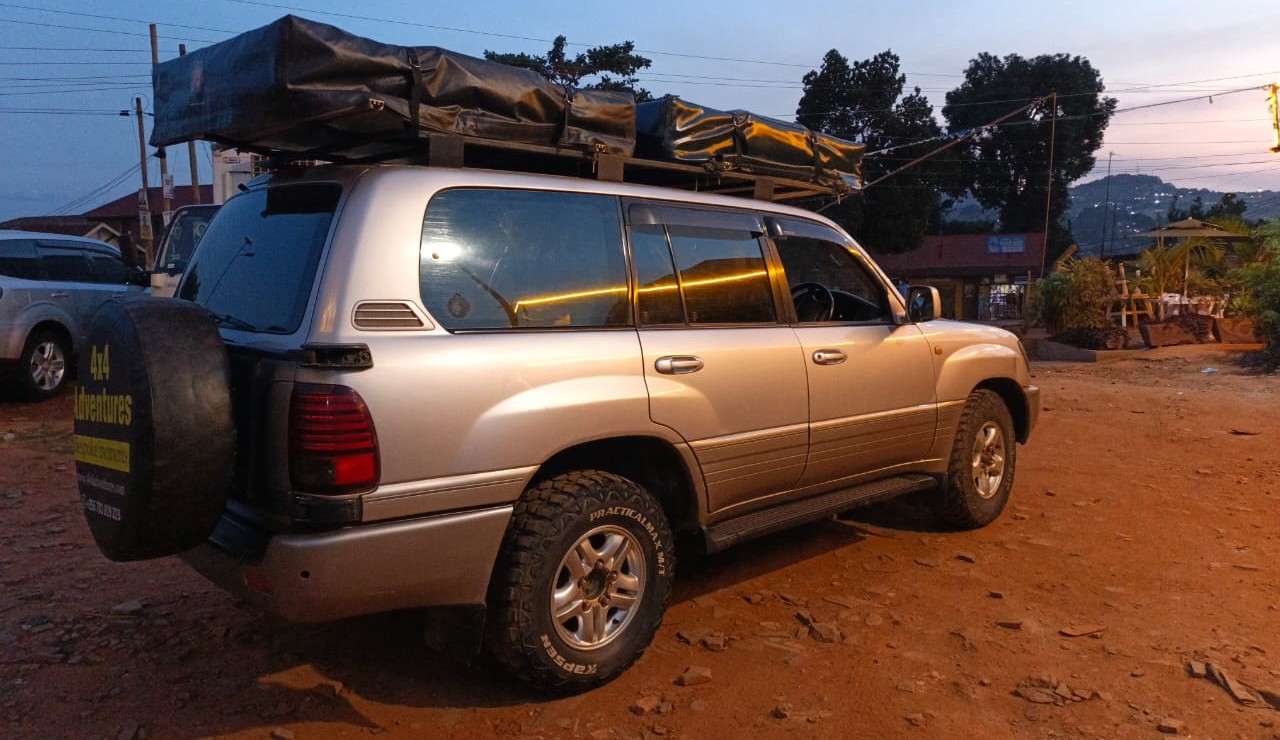
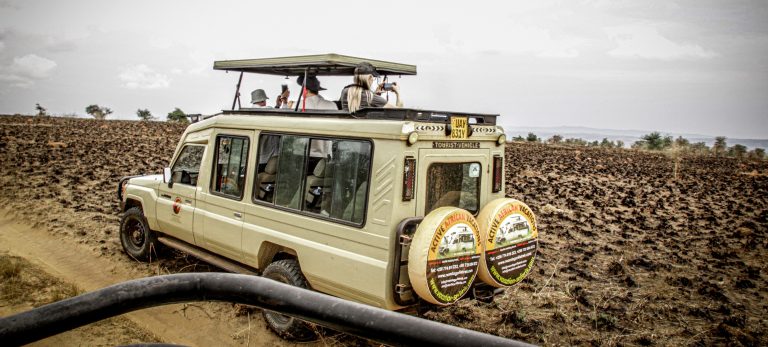
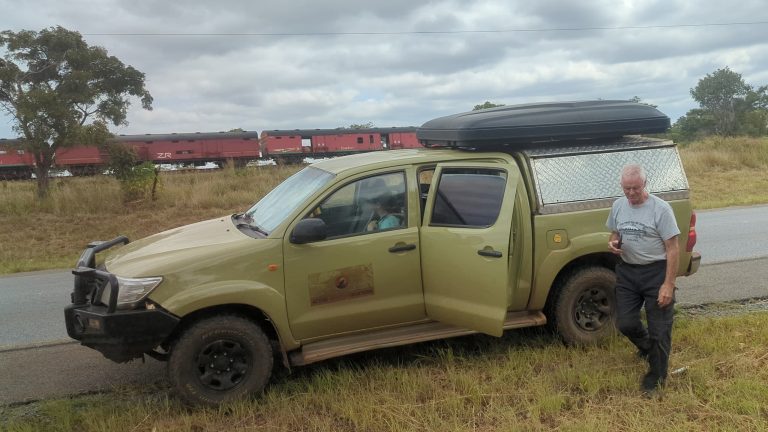
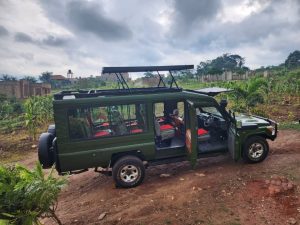
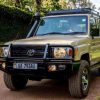
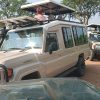
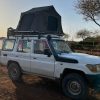
The most fundamental mistake you can make when planning a self-drive safari in Kenya is choosing the wrong vehicle. While a standard sedan or a two-wheel-drive (2WD) compact SUV might seem budget-friendly and perfectly adequate for the paved highways connecting major towns, it will fail you the moment you enter a national park or encounter rough terrain. Many safari tracks are deeply rutted, sandy, muddy, or littered with sharp volcanic rocks. Without a robust 4×4 vehicle featuring high ground clearance, a low-range gearbox, and heavy-duty tires, you risk getting stuck in remote areas, damaging the oil pan, or puncturing tires frequently. Always opt for a tried-and-true safari vehicle, such as a customized Toyota Land Cruiser or a reliable Toyota RAV4/Prado 4×4, depending on your destination.
2. Avoid Underestimating Travel Times and Distance
On a map, the distance between Nairobi and a destination like the Masai Mara or Serengeti-adjacent ecosystems might look relatively short. However, calculating travel time based on Western highway standards is a massive error. In Kenya, traffic congestion leaving major cities, strictly enforced speed limits, police checkpoints, heavy cargo trucks, and unexpected potholes dramatically slow down your average speed. A 250-kilometer drive that would take two hours on a European motorway can easily take five to six hours in Kenya. Always add a generous buffer to your travel estimates and never expect to rush from one destination to the next.
3. Avoid Driving at Night
This is a golden rule for any self-drive traveler in East Africa: never drive on highways or rural roads after dark. Street lighting is virtually non-existent outside major city centers. Pedestrians, livestock, and wild animals frequently cross or walk along the edges of unlit roads. Furthermore, broken-down trucks are often left in the middle of lanes without warning triangles, and huge, unpainted speed bumps can suddenly appear without signage. Driving at night dramatically increases the risk of serious accidents, navigation errors, and security issues. Plan your itinerary so that you always arrive at your lodge or campsite by 6:00 PM.
4. Avoid Relying Solely on GPS and Digital Maps
Google Maps and other digital navigation applications are incredibly useful tools, but they are not infallible in rural Kenya. GPS apps frequently suggest “shortcuts” that turn out to be impassable dirt tracks, private property, or seasonal riverbeds that require a specialized winch to cross. In remote conservation areas, cellular data signals can drop completely, leaving you without live navigation. Always download offline maps before setting out, carry a physical topographical map of Kenya, and never hesitate to ask local shopkeepers or fuel station attendants for directions. Local knowledge is always more accurate than a satellite algorithm.
5. Avoid Overlooking Local Traffic Rules and Police Checkpoints
Kenya has strict traffic laws, and traffic police frequently set up speed traps and checkpoints along major safari routes like the Nairobi-Mombasa highway or the Nakuru highway. Avoid speeding at all costs; the standard highway speed limit is 100 km/h, but it drops sharply to 50 km/h when approaching towns, trading centers, or schools. Always ensure your physical international driving permit (IDP) and domestic license are accessible. Ensure your rental vehicle has valid insurance and inspection stickers prominently displayed on the windshield. If stopped at a police checkpoint, remain polite, respectful, and cooperative.
6. Avoid Getting Too Close to Wildlife or Leaving Your Vehicle
When entering national parks like Amboseli, Tsavo, or the Masai Mara, you are entering the natural habitat of wild, unpredictable, and potentially dangerous animals. Avoid the temptation to edge too close to elephants, lions, or rhinos to get a better photo. Large bulls or protective mothers can easily charge and flip a vehicle if they feel cornered or threatened. Furthermore, never get out of your vehicle except at designated picnic sites or viewpoints. Even if the savannah looks empty, predators like leopards and lions excel at camouflage and can be hiding in short grass just feet away.
7. Avoid Driving Off-Road in National Parks
It can be incredibly tempting to steer off the designated tracks to follow a pride of lions or a cheetah on a hunt. However, off-road driving is strictly prohibited in almost all Kenyan national parks and reserves. Doing so crushes the fragile vegetation, accelerates soil erosion, destroys small animal habitats, and disturbs the natural hunting or resting behaviors of wildlife. Getting caught off-road results in hefty, immediate fines from park rangers and can lead to expulsion from the reserve. Stick to the established tracks and protect the environment you came to admire.
8. Avoid Ignoring Weather Forecasts and Seasonal Conditions
Kenya experiences two distinct rainy seasons: the “long rains” from late March to May, and the “short rains” from November to December. Avoid embarking on a self-drive trip during these times without checking road reports. Heavy downpours can wash away bridges, turn black cotton soil into an impassable quagmire, and cause flash floods in seasonal rivers (luggas). Even during the dry season, weather can be unpredictable. If a road looks flooded or deeply muddy, do not attempt to cross it blindly; always check the depth first or wait for a local vehicle to navigate it ahead of you.
9. Avoid Forgetting to Manage Your Fuel and Cash Reserves
Fuel stations can be few and far between once you venture off the main highways into remote wilderness areas. Avoid letting your fuel tank drop below half-full. Whenever you pass a reputable, branded fuel station (such as Total, Shell, or Rubis), pull in and top up your tank. Additionally, while mobile money (M-Pesa) and credit cards are widely accepted in Kenyan towns, electronic payment systems can fail in remote areas due to network outages. Always carry an adequate amount of cash in Kenyan Shillings (KES) for emergency fuel, park entry fees, tipping, or local guides.
10. Avoid Displaying Valuables Openly
While Kenya is generally a welcoming and hospitable country for travelers, petty theft can occur, particularly in busy urban areas, markets, and traffic jams in Nairobi. Avoid leaving expensive camera gear, smartphones, laptops, or wallets visible on the seats of your vehicle when parked or driving through slow-moving city traffic. Keep your windows rolled up when navigating congested urban areas, and always lock your vehicle securely when leaving it unattended at viewpoints or fuel stations.
Plan Your Ultimate Kenyan Adventure
Are you ready to experience the ultimate freedom of navigating these incredible landscapes yourself? To make the most of your journey and avoid the pitfalls of choosing the wrong setup, you need the right preparation and expert advice.
Discover everything you need to know about crafting an incredible independent itinerary by visiting our comprehensive guide on planning a Kenya Road Trip.
The 6-Day Masai Mara Self-Drive Safari
The crown jewel of any Kenyan road trip is the world-renowned Masai Mara National Reserve. Famed for its exceptional populations of lions, leopards, cheetahs, and elephants, as well as the legendary annual Wildebeest Migration, the Mara offers an unparalleled wildlife spectacle.
Below is an expertly designed 6-day self-drive safari itinerary optimized for independent travelers seeking an unforgettable wildlife experience.
Day 1: Nairobi to the Masai Mara National Reserve
- Drive Time: Approximately 5–6 hours (260 km).
- The Route: Depart Nairobi early to avoid morning traffic. Head via the unmissable Great Rift Valley viewpoint, dropping down the escarpment and driving past Narok town. The final stretch from Sekenani Gate transitions into dirt roads where your 4×4 capability becomes essential.
- What to Expect: Arrive at your accommodation in time for a late afternoon game drive. Keep your eyes peeled for your first sightings of zebras, giraffes, and gazelles dotting the plains.
Day 2 & 3: Exploring the Endless Plains – Lions, Cheetahs, and Elephants
- Activity: Dedicate these two full days to morning and afternoon game drives. The Masai Mara is famous for its massive lion prides and excellent cheetah sightings, as the flat savannah offers the perfect hunting ground for these swift felids.
- Highlights: Track herds of African elephants moving majestically through the acacia woodlands, and search the open plains for large pods of hippos and massive Nile crocodiles along the Mara River. If traveling between July and October, you will witness the breathtaking sight of hundreds of thousands of wildebeests and zebras blanketing the landscape.
Day 4: Tracking the Elusive Leopard and the Mara Triangle
- Activity: Cross over to the Mara Triangle, the western section of the reserve managed by the Mara Conservancy. This area features stunning scenery bounded by the Oloololo Escarpment.
- Wildlife Focus: Leopards are famously elusive and prefer the dense riverine forests. Scan the branches of sausage trees and desert dates along the riverbanks. The Triangle is also fantastic for spotting rare black rhinos, completing your quest for the iconic Big Five.
Day 5: Cultural Immersion and Evening Sundowner
- Activity: Spend your morning on a final intensive game drive. In the afternoon, arrange a respectful visit to a traditional Masai Manyatta (village) to learn about the vibrant culture, ancient traditions, and conservation coexistence strategies of the Masai people.
- Evening: Toast to an incredible expedition with a classic safari sundowner overlooking the sweeping plains as the sun dips below the horizon.
Day 6: Masai Mara back to Nairobi
- Drive Time: 5–6 hours.
- Activity: Enjoy an early morning sunrise game drive as predators are active before the heat of the day sets in. Return to your lodge for breakfast, pack up your 4×4, and begin your journey back to Nairobi, arriving in the late afternoon for your onward flight or urban stay.
Choosing the Right Accommodation in the Masai Mara
To maximize your self-drive experience, picking the right base camp is essential. Here are top-tier accommodation options categorized by travel style:
- Luxury / High-End:
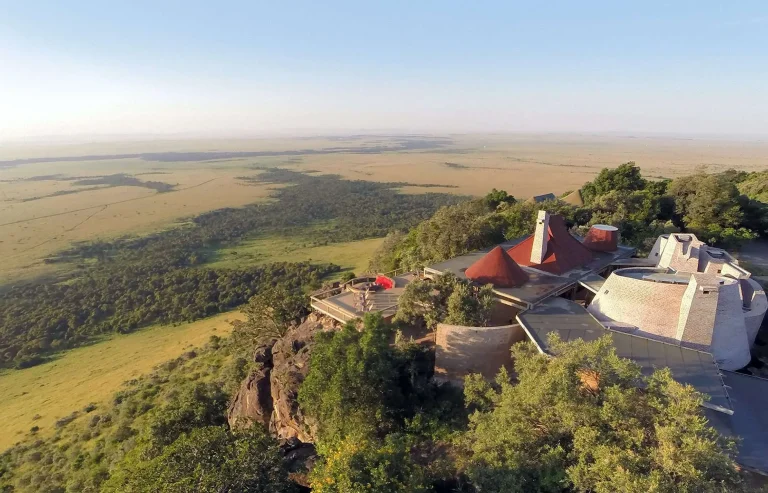
- Angama Mara: Perched high on the Oloololo Escarpment, offering breathtaking, panoramic bird’s-eye views over the entire Mara Triangle.
- Mara Serena Safari Lodge: Perfectly situated deep within the Mara Triangle, featuring traditional Masai-inspired architecture and direct access to prime river crossing viewing spots.
- Mid-Range Comfort:
- Ashnil Mara Camp: Located right along the Mara River, perfect for watching wildlife congregate to drink directly from your luxury tent deck.
- Sekenani Camp: An eco-friendly tented camp raised on wooden platforms, offering an authentic bush experience immersed in a pristine riverine forest setting near the main gate.
- Budget / Adventure Camping:
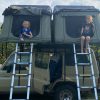
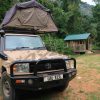
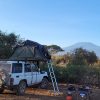
- Public Campsites (Maji Moto, Oloololo): Managed by the reserve, these sites offer basic amenities (long-drop toilets and showers) for self-sufficient travelers carrying their own rooftop tents and cooking gear. It provides the unmatched experience of listening to hyenas and lions call through the night.
Secure Your Perfect Safari Vehicle
The key to a successful, stress-free self-drive safari through the rugged terrains of the Masai Mara and beyond is a mechanical setup you can trust implicitly. Do not compromise on safety or capability when navigating the African wilderness.
Explore our fleet of fully equipped, rough-terrain ready safari vehicles and secure your rental today by visiting Car Rentals Kenya.



No responses yet