
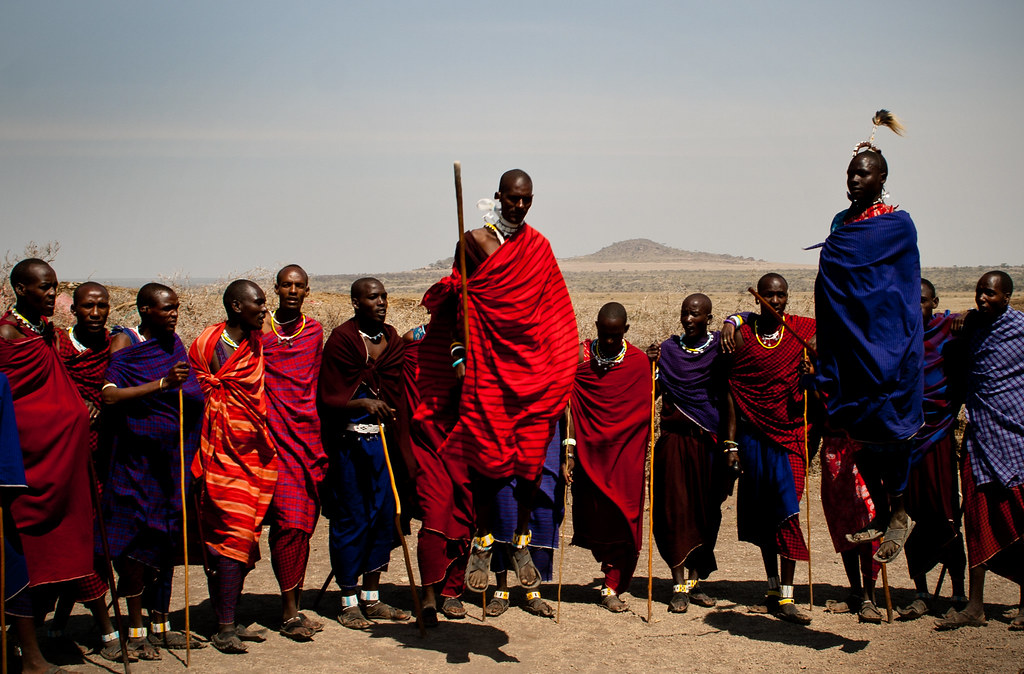
Maasai Cultural Tour on Self-Drive
Stepping out of a standard tour van and taking the wheel of your own adventure is one of the most liberating ways to experience East Africa. A Maasai cultural tour on self-drive gives you the unique freedom to set your own pace, venture off the standard tourist tracks, and build meaningful connections with one of the world’s most iconic indigenous communities.
The semi-nomadic Maasai people inhabit the vast, sweeping plains of southern Kenya and northern Tanzania. They have famously held fast to their ancestral way of life, distinctive crimson shúkàs (wraps), vibrant beadwork, and deep pastoral traditions despite the rapid modernization around them.
By choosing a self-drive safari, you can skip the hurried, transactional stopovers of large tour groups. Instead, you can enjoy a deeply immersive, respectful, and educational cultural exchange. This comprehensive guide covers everything you need to know to plan a flawless self-drive itinerary, including routes, accommodation options, traditional cuisine, and what to expect along the way.

Why Choose a Self-Drive Route for a Maasai Cultural Tour?
| Self-Drive Cultural Tour | Standard Group Package Tour |
|---|---|
| Flexible pacing; stay as long as you wish in a village. | Strict, rushed schedules dictated by a fixed itinerary. |
| Access to remote, less commercial community eco-camps. | Restricted to highly commercial villages near main park gates. |
| Direct economic contribution to community-run projects. | Significant portion of fees kept by urban tour operators. |
Choosing a self-drive vehicle allows you to bypass the heavily commercialized “model villages” positioned right next to the park gates of the Maasai Mara or Amboseli. Armed with a rugged 4×4, you can navigate deeper into community conservancies and group ranches—such as Maji Moto, Loita Plains, or the West Kilimanjaro region—where cultural interactions remain completely authentic, community-led, and unscripted.

Top Accommodations for Self-Drive Cultural Expeditions
A successful self-drive expedition relies on choosing the right base. For an authentic experience, look for community-owned eco-camps, cultural homestays, and conservancy lodges that reinvest their profits directly into local healthcare, water access, and education.
1. Maji Moto Maasai Cultural Camp (Loita Hills, Kenya)
Tucked away at the base of the Loita Hills, this camp is an exceptional destination for self-drive travelers. It is run entirely by local Maasai staff and offers a hands-on, authentic immersion without any staged performances.
- The Vibe: Rustic, educational, and deeply connected to nature.
- Access: Easily reachable via a 4×4 from Narok town. The dirt tracks leading into the Loita Hills can become muddy during the rainy season, making a high-clearance four-wheel-drive vehicle essential.
- Accommodation Style: Traditional mud-and-thatch cottages (manyattas) or sturdy safari tents equipped with comfortable beds.
2. Olpopongi Maasai Cultural Village & Museum (West Kilimanjaro, Tanzania)
If your self-drive road trip crosses into Tanzania, Olpopongi is a premier stopover. It is a purpose-built, 100% traditionally constructed village functioning as an eco-tourism and cultural museum center.
- The Vibe: Informative and highly organized, balancing authentic architecture with comfortable guest amenities.
- Access: Located roughly 74 km from Moshi and 85 km from Arusha. The roads are mostly gravel and volcanic dust plains, making it highly accessible for independent drivers.
- Accommodation Style: Authentic individual huts fitted with private, hygienic bathroom facilities nearby.
3. Siana Conservancy Eco-Camps (Fringe of Maasai Mara, Kenya)
For travelers who want to combine a world-class wildlife safari with deep cultural engagement, the community-run campsites within the Siana Conservancy offer the perfect balance.
- The Vibe: Independent wilderness camping under the stars, surrounded by community grazing lands.
- Access: Accessible from the Sekenani gate highway via rough, unpaved tracks that put your 4×4’s suspension to the test.
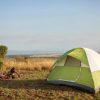
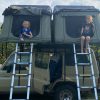
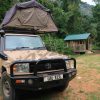
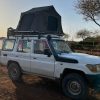
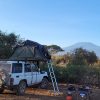
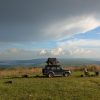
- Accommodation Style: Roof-top tent camping on your vehicle or basic ground-tent pitches with shared eco-showers.

Core Activities to Include in Your Itinerary
A self-drive itinerary lets you spend entire days engaging in daily village activities. Here are the core experiences you should plan for:
| Activity & Duration | Cultural Significance |
|---|---|
| Bushcraft & Fire-Making 1 – 2 Hours | Essential survival skill for young Morans (warriors). |
| Traditional Beadwork 2 – 3 Hours | Artistic expression of age-grade, status & lineage. |
| Pastoral Herding Walks Half-Day (Morning) | Livestock is the central pillar of wealth and life. |
Bushcraft and Ancient Fire-Making
Witnessing the generation of fire without matches is an unforgettable experience. Maasai warriors (Morans) use two specific pieces of wood: a flat, notched piece of soft cedar wood (ol-piron) and a hard stick rotated quickly between their palms. They use dry elephant dung or wild grass as tinder, creating a smoldering ember within seconds. As a self-drive visitor, you will be invited to try this technique yourself.
Joining the Pastoral Livestock Herding
Livestock is the ultimate measure of wealth, social status, and survival in Maasai culture. In the early morning, you can join the elders and young herders as they release cattle, goats, and sheep from the protective central thorny enclosure (boma). Walking alongside them through the whistling thorn acacia trees teaches you how to track wildlife footprints, identify water sources, and understand the complex rotational grazing systems that allow the Maasai to coexist seamlessly with apex predators.
The Art of Beadwork (Enkang)
Maasai beadwork is a sophisticated visual language crafted exclusively by the women of the village. The colors and geometric patterns stitched onto leather necklaces, bracelets, and bridal collars convey a person’s age-grade, marital status, health, and sub-clan. Sitting with the women’s cooperative inside the village shade provides a wonderful opportunity for relaxed conversation, storytelling, and purchasing authentic crafts directly from the artisans without middlemen.

The Culinary Heritage: Traditional Maasai Food
To truly understand the Maasai way of life, you must explore their culinary traditions. Historically, the traditional Maasai diet relied almost entirely on three primary ingredients yielded by their livestock: milk, meat, and blood.
While modern access to trading centers has introduced cornmeal (ugali), cabbage, rice, and tea into their daily meals, traditional dishes remain central to ceremonies, gatherings, and long expeditions across the bush.
Kule Naoto (Fermented Milk in Gourds)
Milk is a daily staple consumed fresh or fermented. Kule Naoto is prepared inside specialized long gourds (calabashes) that have been thoroughly cleaned, scrubbed internally with burning embers of the Olorien (wild olive) tree, and left to dry. The charcoal dust flavors the milk with a distinct smoky taste, acts as a natural preservative, and turns the beverage an ash-grey color. It is rich in nutrients and remarkably refreshing in the heat of the plains.
Nyama Choma (Traditional Roasted Meat)
Meat is reserved for major life milestones, including weddings, warrior initiations, and welcoming honored guests. Goat, beef, and mutton are roasted over open fires using skewers made from green acacia wood.
The Spice of Nature: True Maasai nyama choma uses absolutely no commercial spices or marinades. Instead, it is seasoned simply with coarse salt and natural oils from the wood smoke, letting the rich, grass-fed flavor of the meat stand out.
Oloipua (Medicinal Herbal Soups)
Maasai cuisine is deeply connected to traditional medicine. Oloipua is a strong, bitter soup made by boiling pieces of bone, joints, and meat alongside roots and bark harvested from specific wild trees, such as the Ol-kiloriti (Acacia nilotica). These herbal broths are consumed regularly by warriors to boost stamina, cleanse the digestive tract, and prevent malaria and low blood pressure.
Emenye (The Sacred Blood Blend)
Perhaps the most famous aspect of the traditional diet is the consumption of cattle blood. The blood is harvested sustainably without killing the animal. A warrior uses a blunt arrow shot from a loose bow to pierce the jugular vein of a cow. Once a gourd of blood is collected, the wound is treated with ash and mud, healing quickly within days. The raw blood is often mixed directly with fresh milk to create a rich, purple beverage called Emenye, which is given to new mothers, circumcised initiates, and elders to accelerate strength recovery.
What to Expect: Etiquette and Realities on the Road
Navigating rural community lands on a self-drive trip requires an understanding of local cultural boundaries and driving conditions.
1. Road Conditions and Navigation Challenges
Once you leave the smooth tarmac of the trans-national highways, you will encounter sand tracks, rocky riverbeds, and heavy corrugated gravel roads.
- Always download offline navigation maps (like Google Maps or Maps.me) before setting out, as cellular data networks can be weak in deep valleys.
- Keep your speed below 40 km/h on dirt tracks to avoid damaging your tires on sharp volcanic rocks and to prevent throwing up blinding dust clouds near local pedestrian herders.
2. Photography Etiquette
The Maasai are a proud people, and taking photos of individuals without express permission is considered highly disrespectful. When entering a village, always ask the village elder or your local host guide before pulling out your camera. Once permission is granted, you can take photos freely, though it is courteous to show the images to your subjects on your camera screen afterward.
3. Financial Contributions and Tips
When visiting a traditional boma, there is usually a community entry fee ranging from $25 to $50 per vehicle or person. This money functions as a direct contribution to the village welfare fund. Ensure you carry crisp, small-denomination bills in Kenya Shillings (KES) or US Dollars (USD), as card machines and electronic payments are rarely available in remote settlements.
Your Masai Self-Drive Cultural Safari
A self-drive Maasai cultural tour offers an unforgettable blend of overland adventure and authentic human connection. By choosing community-centered accommodations, participating respectfully in daily life, and trying traditional foods like Kule Naoto, you will gain a profound appreciation for a culture that continues to thrive in perfect harmony with the African wilderness.
Ensure your journey is safe, comfortable, and seamless by booking from our premier fleet of 4x4 self-drive vehicles. All our vehicles are fully serviced, comprehensively insured, and ready for your independent cultural expedition.
Ready to start planning your independent road trip?
Click Here to Secure Your Vehicle Today!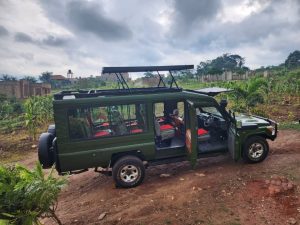






No responses yet