
1 Week Masai Mara Self-Drive Safari: 7-Day 4x4 Route, Map & Expert Guide
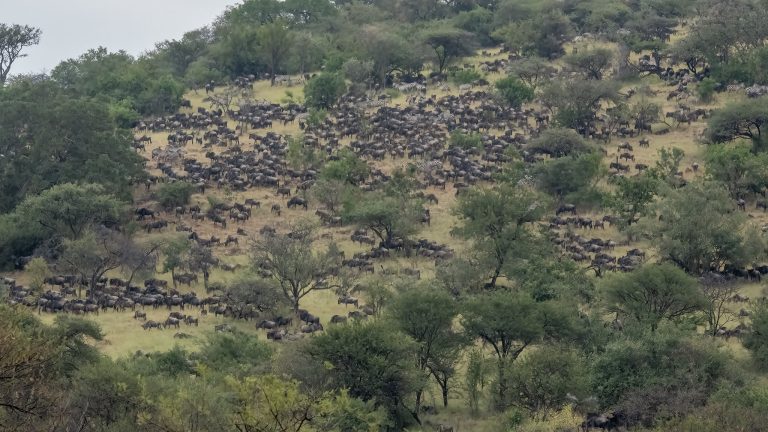
Embarking on a 1 week Masai Mara self-drive safari is the ultimate bucket-list adventure for independent travelers, wildlife photographers, and road-trip enthusiasts. Few experiences on Earth match the raw adrenaline of steering a rugged 4×4 across the golden savannahs of the Great Rift Valley, tracking lion prides in the Central Mara, or positioning your vehicle along the Mara River during the Great Migration.
While most tourists experience Kenya’s premier wildlife reserve via organized tour vans with pre-arranged drivers, taking control of your own steering wheel grants you complete freedom. You choose when to stop, which tracks to explore, how long to linger at a leopard sighting, and where to pitch your rooftop tent under the African stars.
Whether you are searching for an exhaustive guide to a 1 week Masia Mara safari on self-drive or looking for technical advice on 4×4 hire in Nairobi, this detailed 7-day itinerary covers everything: vehicle selection, park gate logistics, seasonal wildlife migrations, gear checklists, budget breakdowns, and critical bush-driving rules.
Why Choose a Self-Drive Safari in the Masai Mara?
Self-driving in the Masai Mara offers distinct advantages over traditional group tours or fly-in safaris:
- Unmatched Flexibility: You aren’t bound by a tour operator’s rigid schedule. If you want to spend four hours waiting for a cheetah to hunt near the Olare Orok contour, you can.
- Cost Efficiency for Groups & Families: Shared vehicle rentals, fuel split across passengers, and self-catering or public campsite stays dramatically reduce per-person costs compared to luxury lodge packages.
- True Wilderness Immersion: Navigating your own route using offline GPS tracks and visual landscape cues brings back the spirit of classic African exploration.
Private Photography Positioning: As the driver, you can position your vehicle to get the best angle for lighting and focal distance
Essential Pre-Trip Planning for Your Self-Drive Expedition
1. Choosing the Right 4×4 Vehicle
Never attempt a self-drive safari in the Masai Mara with a standard 2WD or light crossover SUV (like a Toyota RAV4 or Honda CR-V). The Mara’s terrain features deep black cotton soil, river crossings, steep gullies, and unpaved corrugations that will easily strand under-equipped vehicles.
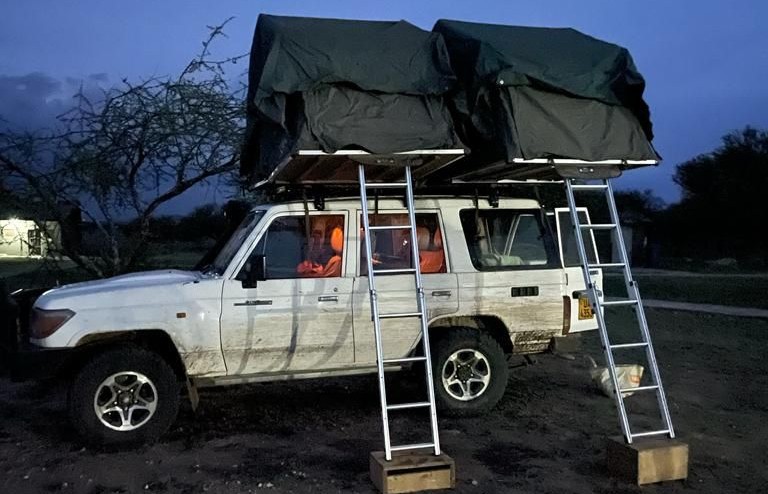
Toyota LX with Rooftop Tent
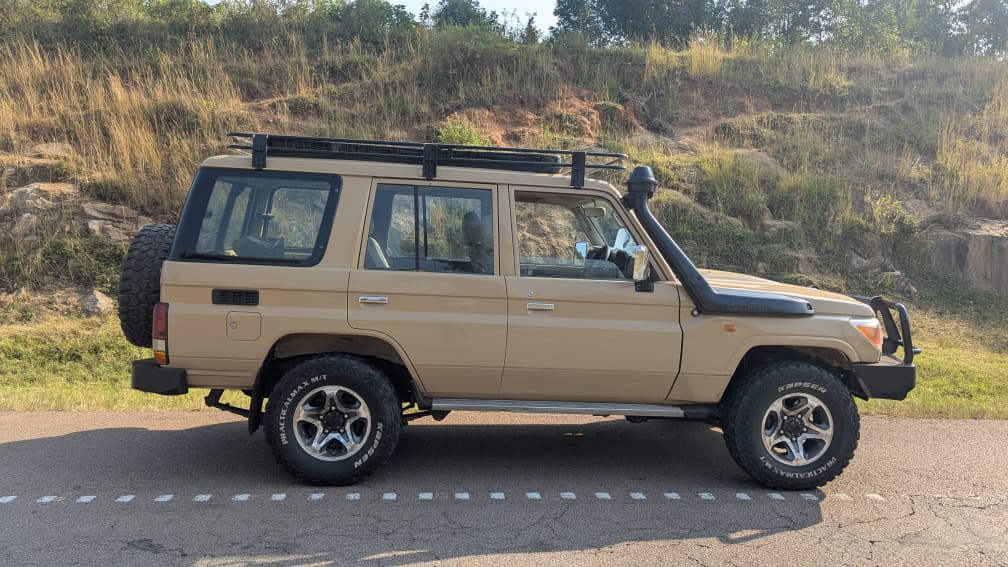
The Toyota Land Cruiser LX with a Rooftop Tent is widely regarded as the ultimate off-road rig for self-drive expeditions across the Masai Mara. Combining legendary 4×4 mechanics with mobile accommodation, it delivers complete self-sufficiency on the open plains.
- Conquers Unforgiving Terrain: Built on the heavy-duty Land Cruiser 70-series chassis with low-range 4WD, high ground clearance, and solid axles to tackle black cotton mud, river beds, and steep escarpments effortlessly.
- Elevated Bush Safety: The heavy-duty canvas rooftop tent unfolds in minutes, keeping you elevated, dry, and completely safe above ground-level wildlife at night.
- Long-Range Autonomy: Equipped with dual fuel tanks and space for extra water, allowing you to venture deep into remote sectors like the Mara Triangle without daily refuel stops.
- Preserves Interior Space: Mounting your sleeping quarters on the roof rack frees up the massive rear cargo area for a 12V fridge, recovery tools, and food supplies.
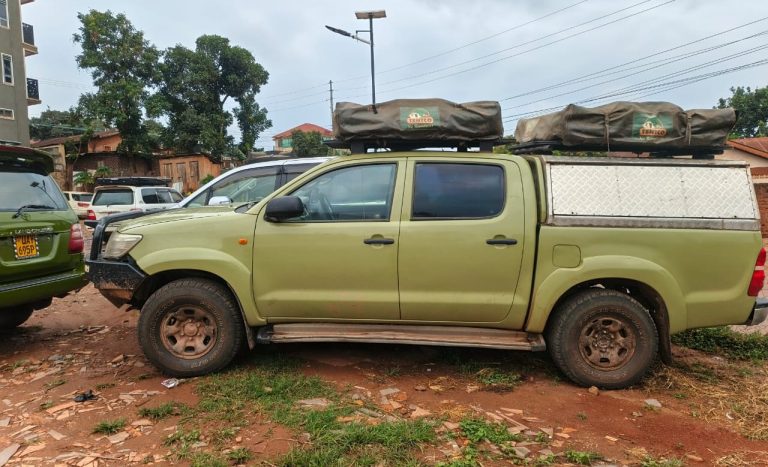
Toyota Hilux Double Cab 4×4
The Toyota Hilux Double Cab 4×4 with a Rooftop Tent is the ideal balance of modern highway comfort, rugged off-road capability, and versatile camping utility for a Masai Mara expedition.
- All-Terrain Performance: Equipped with a high-clearance 4WD system, rear differential lock, and low-range options to handle muddy tracks, steep gradients, and corrugated gravel roads with ease.
- Elevated Sleeping & Quick Setup: The fold-out rooftop tent keeps you elevated above ground predators and damp soil, opening quickly so you can set up camp within minutes.
- Spacious 5-Passenger Cabin: The double-cab layout provides comfortable air-conditioned seating for up to 5 people, keeping cameras, daypacks, and electronics safe inside the vehicle.
- Lockable Canopy Storage: The rear bed features a secure, dust-proof aluminum canopy that cleanly isolates camping gear, a 12V fridge, recovery tools, and food crates.
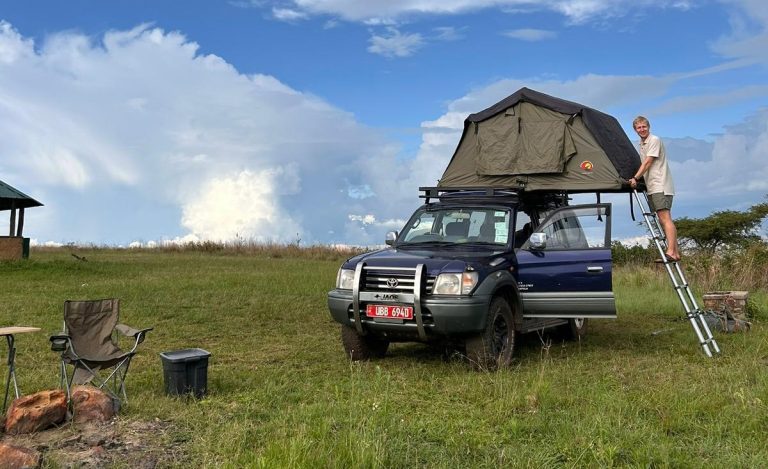
Toyota Prado TX
The Toyota Land Cruiser Prado TX (with a Rooftop Tent) is the ideal choice for budget-conscious drivers and small families seeking modern comfort, smooth highway performance, and dependable off-road capabilities.
- Comfortable Highway & Park Cruising: Features coil-spring suspension and automatic transmission, making long highway drives from Nairobi and game drives on dry Mara tracks smooth and comfortable.
- Reliable Full-Time 4WD: Equipped with full-time 4WD, high/low range, and excellent ground clearance to easily manage moderate mud, dirt tracks, and rough terrain.
- Budget-Friendly Efficiency: Offers lower daily rental rates and better fuel economy than heavy-duty Land Cruisers, making a 1-week Mara trip much more economical.
- Integrated Rooftop Camping: Mounts a sturdy pop-up rooftop tent, leaving plenty of boot space inside for luggage, food supplies, and camping gear while keeping you safely elevated at night.
Would you like to choose a different vehicle other than these, please go through our 4x4 rugged fleet of vehicles built for African safaris
Navigation & Communication
Trip Highlights: A Summary Of The Entire Trip
-
Day 1
Nairobi to Sekenani: Pick up your 4x4, drive through the Rift Valley, and enjoy a sunset game drive entering the Mara.
-
Day 2
Central Mara & Talek River: Track big cats at dawn, picnic along the river, and explore predator-rich plains.
-
Day 3
Mara Triangle Crossing: Drive west to the scenic Mara Triangle under the dramatic Oloololo Escarpment.
-
Day 4
Great Migration Rivers: Spend the full day positioning near Mara River crossing points for wildlife action.
-
Day 5
Private Conservancies: Transition to Mara North for an exclusive night game drive and guided bush walk.
-
Day 6
Paradise Plains & Culture: Track black rhinos near Paradise Plains and visit a cultural Maasai Manyatta.
-
Day 7
Final Dawn Drive & Return: Complete a early morning game loop before driving back to Nairobi by evening.
Detailed 7-Day Itinerary: 1 Week Masai Mara Safari on Self-Drive
Here is a tested day-by-day itinerary designed to maximize wildlife viewing, minimize back-tracking, and cover both the Main Masai Mara National Reserve and the famous Mara Triangle.

Day 1: Nairobi to Masai Mara National Reserve (Sekenani Gate)
Morning: Vehicle Pick-Up & Supplies
Start early from Nairobi (by 6:00 AM) to beat the heavy traffic along the Waiyaki Way exit. Ensure your rental agent provides a thorough briefing on high/low 4WD engagement. Stop at Naivas Supermarket in Mai Mahiu or Narok Town to stock up on drinking water, non-perishable food, firewood, and cooking gas.
Afternoon: The Scenic Rift Valley Descent
Drive down the Great Rift Valley escarpment via the B3 highway, taking in views of Mount Longonot and Lake Naivasha in the distance. Fuel up your vehicle completely in Narok Town—this is your last reliable spot for major gas stations before reaching the reserve.
From Narok, take the paved C12 road toward Sekenani. The final stretch transitions into gravel and dirt, providing your first taste of off-road driving.
Nairobi ➔ Mai Mahiu ➔ Narok Town ➔ Sekenani Gate
Distance: ~240 km | Driving Time: 5.5 to 6.5 Hours
Evening: Arrival & Golden Hour Drive
Arrive at Sekenani Gate, complete park entry payments (via the official cashless platform/eCitizen or credit card), and enter the reserve. Take a relaxed 2-hour late afternoon game drive toward your camp or lodge, keeping an eye out for giraffes, topis, and elephants grazing in the dusk light.
Day 2: Central Mara & Talek River Basin Exploration
Dawn Game Drive (06:15 AM – 10:30 AM)
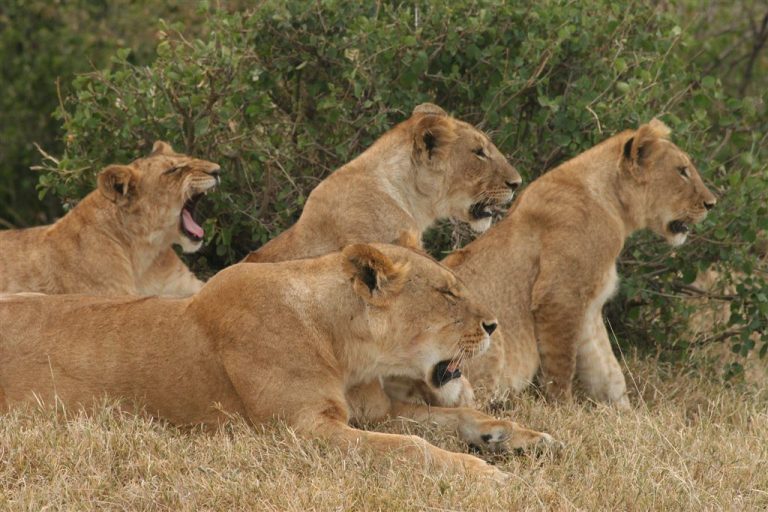
Wake up before sunrise. The early morning hours offer your highest statistical probability of spotting predators on the move. Head toward the Talek River circuit, an area rich in resident lion prides (such as the famous Marsh Pride lineage) and spotted hyenas returning from night hunts.
Midday: Picnic & Rest at Talek Gate area
Park at a designated picnic site along the river under the shade of acacia trees. Never step out of your vehicle unless you are in an officially designated, safe picnic zone or campsite.
Late Afternoon Drive (03:30 PM – 06:30 PM)
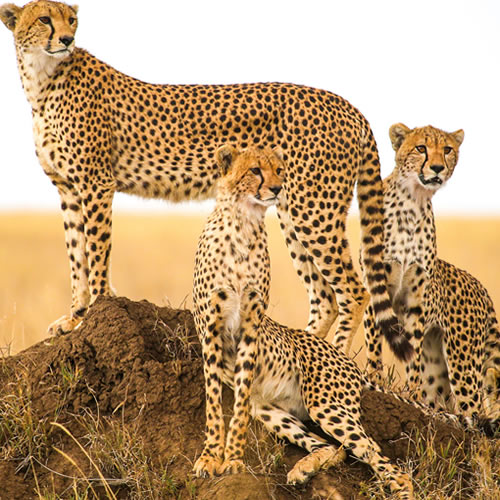
Focus on the Lookout Hill area. The elevated terrain provides broad panoramic views of the open plains, making it easier to spot cheetahs perched on termite mounds or scanning for gazelles.
Day 3: Crossing to the Mara Triangle & Oloololo Escarpment
Morning: Game Drive En Route to the Mara Triangle
Pack up early and drive west toward the Mara Triangle, managed independently by the Mara Conservancy. Cross the Mara River via the New Bridge / Serena Crossing.
The Mara Triangle is renowned for strict anti-poaching enforcement, well-maintained dirt tracks, and high densities of black rhinos, leopards, and large elephant herds.
Afternoon: Check-in & Escarpment Drive
Check into your campsite or lodge near Oloololo Gate or Kilima Camp. In the late afternoon, drive along the base of the Oloololo Escarpment. The mix of riverine woodland and grassland provides excellent cover for elusive leopards and large buffalo bulls (“dagga boys”).
Day 4: Mara River Crossings & Sand River Tracks
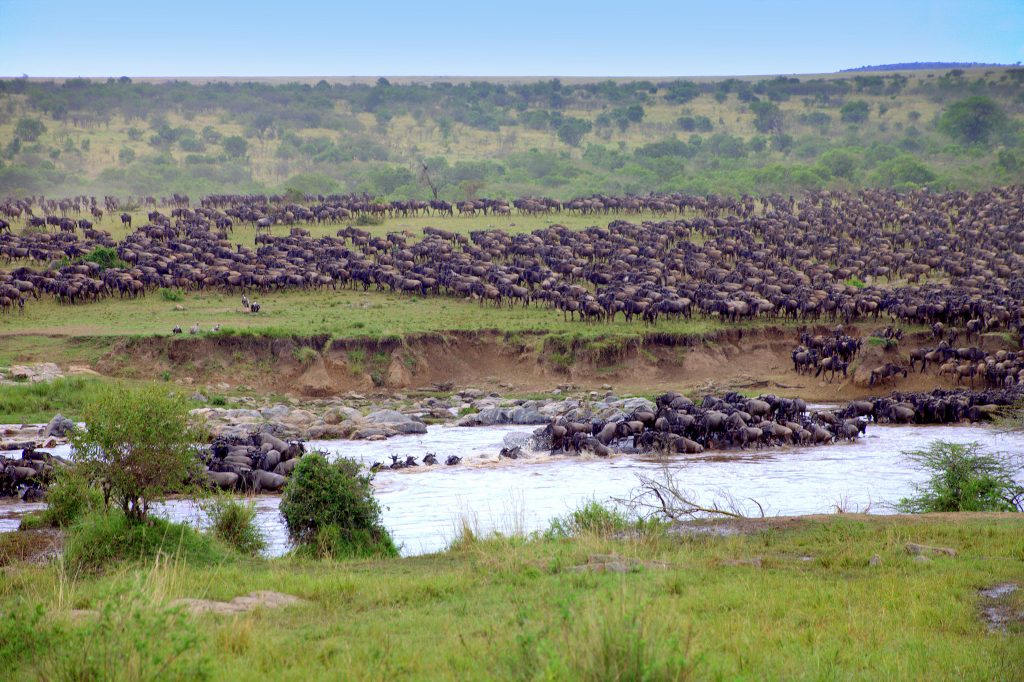
All-Day Game Drive: Tracking the Great Migration
If traveling between July and October, dedicate this entire day to tracking the wildebeest and zebra herds along the major river crossing points:
- Cul-de-Sac Crossing
- Main Crossing Point
- Purungat Bridge Area
Driving Tactics for River Crossings
- Patience is Critical: Wildebeest herds can spend hours pacing near the bank before a single brave leader leaps in.
- Keep Your Distance: Stay back at least 100 meters from the river bank until the crossing actively begins. Parking too close scares the herd and delays the event.
- Engine Off: Turn off your engine while waiting to prevent disturbing the wildlife and to conserve fuel.
Day 5: Mara North Conservancy & Community Lands
Transitioning to the Conservancies
Exit the main reserve via Oloololo or Musiara Gate to explore the neighboring Mara North or Olare Orok Conservancies. Private conservancies offer exclusive benefits that are prohibited inside the main national reserve:
- Regulated Night Game Drives: Spot nocturnal species like aardvarks, servals, genets, and bushbabies using high-powered red-filter spotlights.
- Guided Bush Walks: Walk with experienced Maasai guides to learn tracking skills, plant ecology, and insect life.
- Lower Vehicle Density: Strictly enforced limits on vehicle numbers at sightings ensure intimate wildlife viewing.
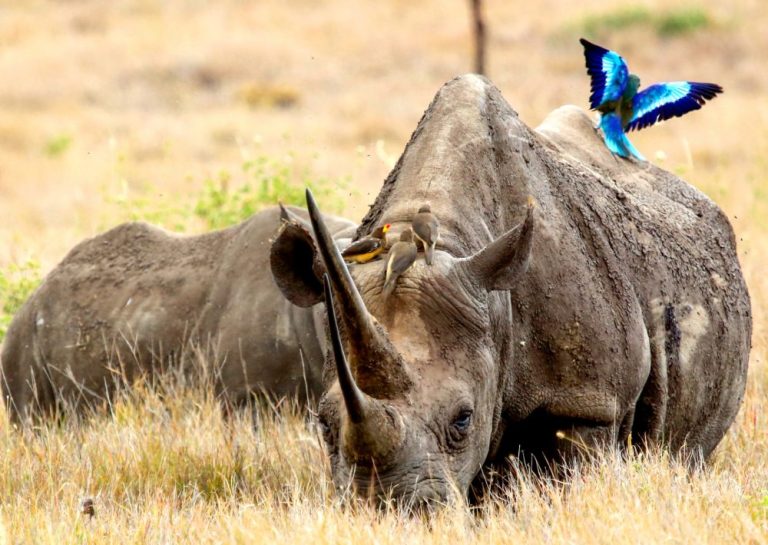
Day 6: Off-the-Beaten-Track: Paradise Plains & Rhino Ridge
Morning: Searching for Black Rhinos
Head to Rhino Ridge and Paradise Plains. Paradise Plains features marshy grass tracks where lions frequently ambush prey near small mud pools.
Afternoon: Cultural Engagement
Spend two hours visiting an authentic, community-managed Maasai Manyatta (village) outside Talek or Sekenani. Learn about traditional pastoralist life, medicinal plants, cultural beadwork, and land conservation efforts directly from village elders.
Day 7: Final Dawn Game Drive & Return to Nairobi
Morning Track (06:00 AM – 08:30 AM)
Conduct a final short morning game drive near your exit gate. Dawn often brings cooler temperatures and active wildlife along the main drainage lines.
Departure & Highway Drive
Exit through Sekenani or C12 route by 9:30 AM. Drive back toward Narok Town for lunch and refuel, before ascending the Great Rift Valley back to Nairobi by late afternoon (around 4:30 PM – 5:30 PM).
Park Entry Fees, Rules & Gate Logistics
Understanding the entry rules and fee structures is vital when executing a 1 week Masai Mara safari on self-drive:
Fee Structure Overview
- Non-East African Adults: ~$100 – $200 USD per 24-hour period (varies between high season July–December and low season January–June).
- Vehicle Entry Fee: Tiered by vehicle weight/seat capacity (standard 4x4s typically incur ~400–1,000 KES per day).
- Payment Method: Must be paid via official digital portals (such as eCitizen) or credit card at major gates. Cash is generally not accepted at entry gates.
Essential Reserve Gates
Self-Drive Budget Breakdown (Estimated 7-Day Costs)
Below is an estimated budget table for two adults undertaking a 1 week Masai Mara self-drive safari in a rented 4x4 Toyota Land Cruiser with a rooftop tent setup.
| Cost Item | Estimated Cost (USD) | Notes |
|---|---|---|
| 4x4 Vehicle Rental (7 Days) | Contact Us for Vehicle Price ↗ | Fully equipped 4WD with customized options |
| Fuel (Diesel) | $180 – $250 | Includes Nairobi round-trip + daily drives |
| Park Fees (2 Adults, 7 Days) | $1,400 – $2,800 | Based on seasonal per-day entry rates |
| Vehicle Park Fees | $30 – $50 | Standard 4x4 daily charges |
| Campsites / Budget Lodges | $350 – $1,050 | $50–$150/night depending on style |
| Food, Water & Supplies | $200 – $350 | Self-catering from Nairobi supermarkets |
| Total Estimated Budget (Excl. Vehicle) | $2,160 – $4,500 | Park fees, fuel, stay & food for 2 pax |
Critical Bush Driving & Safety Protocols
Driving inside a African game reserve requires constant situational awareness. Adhere strictly to these rules:
- Speed Limits: The legal speed limit inside the reserve is 40 km/h. Driving fast kicks up dust, damages vehicle suspension on corrugations, and risks running over small animals or birds.
- Off-Road Driving Prohibition: Driving off designated tracks is strictly illegal inside the main reserve. It destroys delicate grass root systems and causes long-term soil erosion. Offenders face heavy fines or eviction from the park.
- Animal Right-of-Way: Wildlife always has the right of way. Maintain a minimum distance of 25 meters from large mammals like elephants, rhinos, and buffaloes.
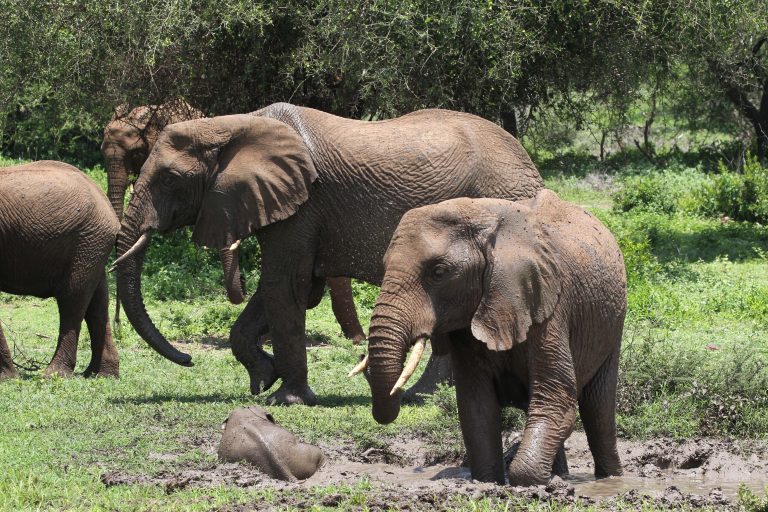
- Elephant Courtesy: If a herd of elephants approaches your vehicle, stop, turn off your engine, remain quiet, and do not make sudden movements. Never drive between a mother elephant and her calf.
- Getting Stuck in Mud: If stranded in black cotton soil, stay calm. Engage low-range 4WD ($4L$), air down your tires slightly to increase traction, and place recovery boards or acacia branches under the spinning wheels. If completely bogged down, call park rangers or use your satellite/cellular phone to contact your rental company’s recovery network.

Self-Drive Packing Checklist
Pro Tip: Pack your supplies in soft duffel bags rather than hard suitcases—they flex and fit much better inside a fully loaded 4×4 vehicle.
Vehicle & Recovery Gear
- Heavy-duty tow strap & D-shackles
- 12V Air compressor & tire pressure gauge
- High-lift jack & wooden jack base board
- Puncture repair kit & spare tire valve cores
- Offline GPS device / pre-downloaded mobile maps
- Heavy-duty work gloves & folding shovel
Personal & Camping Essentials
- High-SPF sunscreen, wide-brim hat, and UV sunglasses
- Headlamps & rechargeable lanterns with extra battery banks
- Binoculars (8×42 or 10×42 magnification recommended)
- Wildlife field guides & bird identification books
- Comprehensive first aid kit (including rehydration salts, antiseptic, bandages, and malaria medication as advised by your doctor)
- Portable 12V fridge or insulated cooler box with ice packs
Frequently Asked Questions (FAQs)
No. Standard 2WD vehicles lack the necessary ground clearance, differential locks, and low-range gears needed to navigate rutted tracks, mud holes, and steep river approaches. You risk severe vehicle damage and stranding.
Before leaving Nairobi or Narok, download offline maps on applications like Maps.me or iOverlander. These apps utilize your smartphone's internal GPS hardware, which works independently of cellular towers.
Yes, provided you drive a reliable 4x4, stick to established tracks, respect park boundaries, obey speed limits, and stay inside your vehicle except at designated safe areas.
Depending on what experience you are looking for, here is how the seasons break down:
- July to October: Best for dry weather, clear tracks, and witnessing the Great Migration river crossings.
- November to February: Excellent for predator sightings, bird watching, newborn wildlife, and lower crowd levels.
- March to May: The long rainy season. Tracks become extremely muddy; recommended only for experienced off-road drivers in heavily equipped 4x4s.
Ready for Your Masai Mara Self-Drive Expedition?
Equip your journey with a fully outfitted, heavy-duty 4x4 built to tackle the Mara wilderness. Choose from our Toyota Land Cruisers and Hilux double cabs equipped with rooftop tents.