
Car Rental with Rooftop Tent in Kenya, Uganda and Rwanda For Self-Drive and Safari Tour Guide Options
Car Rental with Rooftop Tent in Kenya, Uganda and Rwanda : There is a particular kind of freedom that only East Africa can give you. It is the freedom of waking up inside your rooftop tent on the rim of the Great Rift Valley, unzipping the canvas door, and looking straight out at zebra grazing fifty metres away while your kettle warms on a gas stove below. It is the freedom of deciding, on a whim, that you will stay one more night at Lake Bunyonyi instead of driving on to Kampala, because nobody is waiting for you and no itinerary is carved in stone. This is what a self-drive car rental with a rooftop tent delivers, and it is why it has become the fastest-growing way to explore Kenya, Uganda and Rwanda.
At 4x4Kenya.com we specialise in exactly this experience. We rent fully equipped 4×4 vehicles fitted with rooftop tents, camping gear, recovery equipment and everything else you need to drive yourself through some of the most spectacular landscapes on the planet, from the plains of the Maasai Mara to the misty slopes of the Virunga volcanoes and the shores of Lake Kivu.
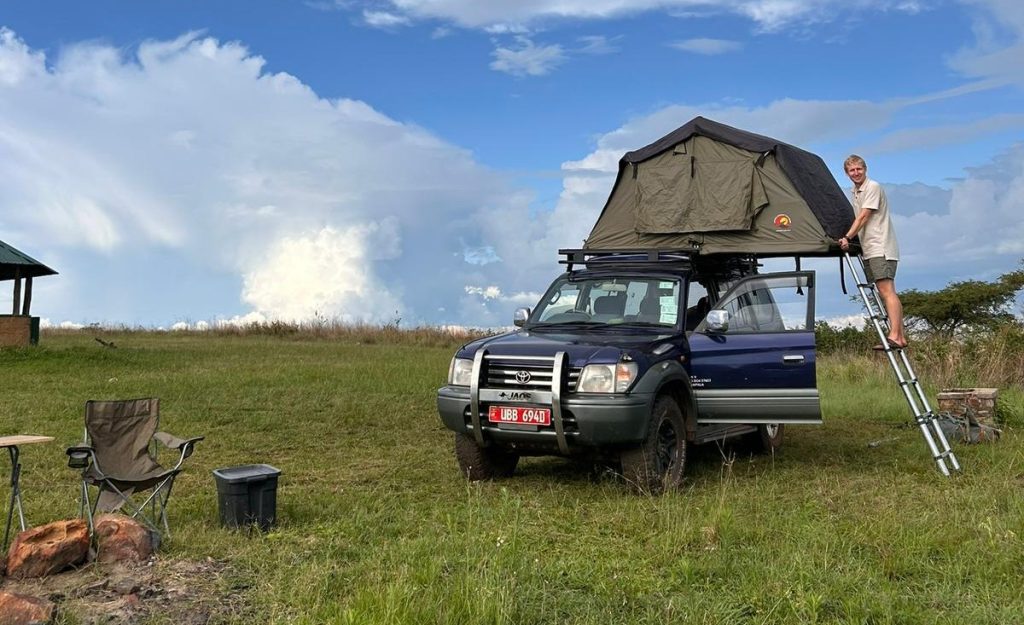
This guide walks you through everything you need to know about renting a 4×4 with a rooftop tent in Kenya, Uganda and Rwanda: why it is the smartest way to travel, which routes and parks to prioritise in each country, what our fleet includes, how much it typically costs, how border crossings work, and how to plan an itinerary that actually fits the time you have.
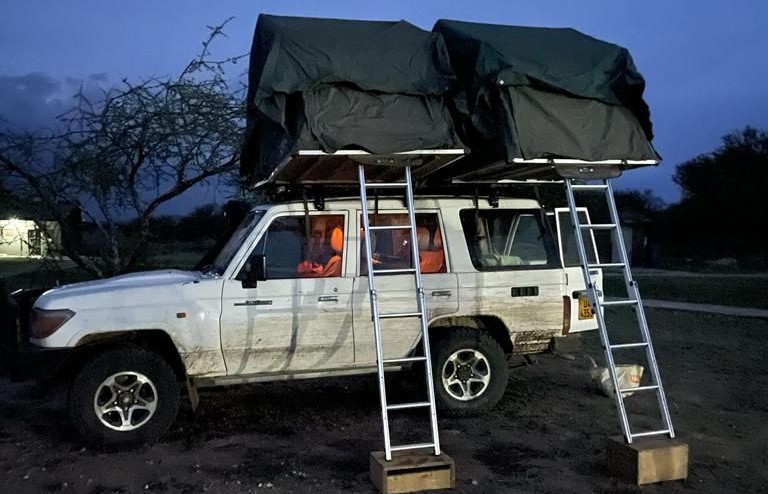
Why Choose a Rooftop Tent Car Rental Instead of a Standard Safari
Most visitors to East Africa still imagine a safari as something that happens to them: a driver-guide picks them up at the airport, drives a fixed loop between lodges, and drops them off again a week later. That style of travel has its place, but it is not the only way, and for a growing number of travellers it is not the best way. Renting a 4×4 fitted with a rooftop tent flips the model. You become the driver, the navigator and the decision-maker, while still having a proper support system behind you in the form of a well-prepared vehicle, a 24-hour helpline, and a company that knows the roads, the parks and the paperwork inside out.
The appeal comes down to five things: freedom, cost, immersion, flexibility and safety.
Freedom to set your own pace
When you are not tied to a group itinerary, you can linger at a waterhole for an extra hour because the elephants have just arrived, or skip a stretch of road you find less interesting in favour of an extra night at a campsite you love. Self-driving with a rooftop tent means the itinerary bends around your curiosity rather than the other way round.
A more affordable way to see three countries
Rooftop tent camping is dramatically cheaper than staying in lodges or tented camps every night, without sacrificing comfort. A night in a rooftop tent at a well-run campsite typically costs a fraction of a lodge room, and because the vehicle itself is your accommodation, your biggest daily cost is simply fuel, park fees and camping fees. For families, groups of friends or long-term travellers moving through Kenya, Uganda and Rwanda over two or three weeks, this adds up to substantial savings that can be redirected toward gorilla trekking permits, chimpanzee tracking, or a few nights at a luxury lodge as a treat partway through the trip.
Total immersion in the landscape
There is no glass, no itinerary card on your pillow, no separation between you and the place. You hear hyenas at night, you smell the woodsmoke from a nearby campsite, you feel the temperature drop as you climb from the Kenyan lowlands into the Ugandan highlands. A rooftop tent puts you inside the experience rather than beside it.
Genuine flexibility across borders
Kenya, Uganda and Rwanda sit close enough together that a well-planned self-drive route can take in all three in a single trip. With your own vehicle, you decide exactly where to cross, when to stop, and how long to spend in each country, rather than being locked into a fixed multi-country package.
Safety, without giving up independence
A rooftop tent sits well above ground level, off the ground on top of the vehicle, which matters more than people expect in wildlife areas. It keeps you above the reach of most animals, off damp or insect-prone ground, and inside a stable, weatherproof shelter that goes up in minutes and folds away just as fast. Combined with a well-maintained 4×4, a full recovery kit, and support from a local company that can talk you through any situation over the phone, self-driving in East Africa is both freeing and secure.
Kenya: The Original Home of the Self-Drive Safari
Kenya is where the safari as we know it was born, and it remains the single best country in East Africa for self-driving. The road network connecting the major parks is well developed, campsites are plentiful, wildlife density is extraordinary, and the range of landscapes within a few hours of Nairobi is hard to match anywhere on the continent. Renting a 4×4 with a rooftop tent from 4x4Kenya.com in Nairobi puts you within striking distance of the Maasai Mara, Amboseli, Lake Nakuru, Lake Naivasha, Hell’s Gate, Samburu, Tsavo and the Rift Valley escarpments, all connected by routes that reward a driver who wants to see the country properly rather than fly over it.
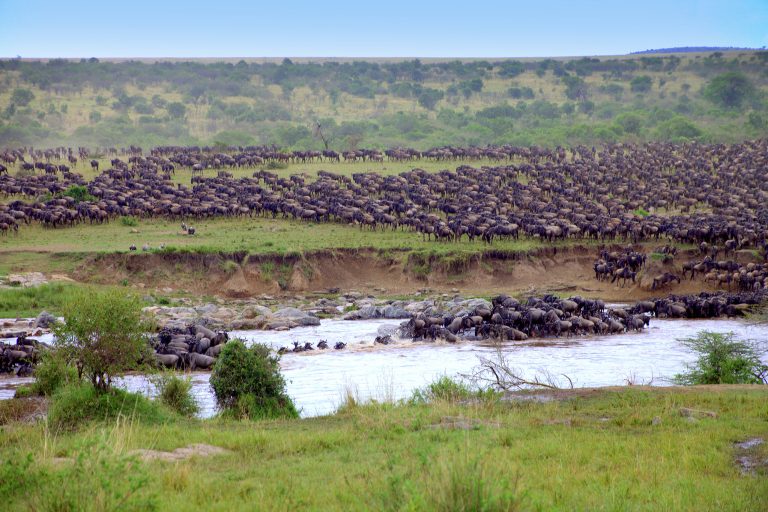
Maasai Mara National Reserve
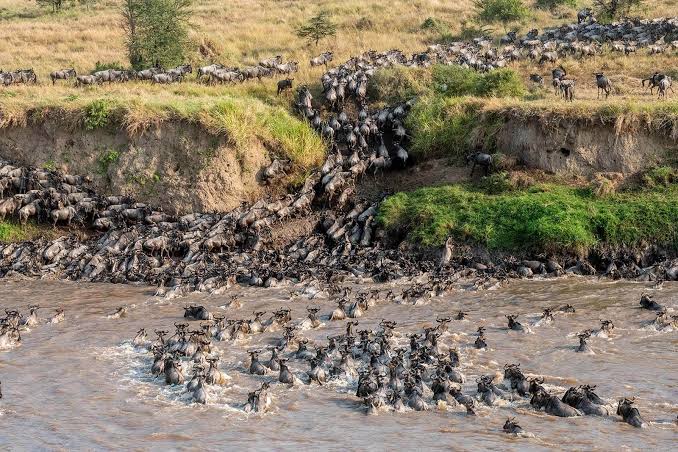
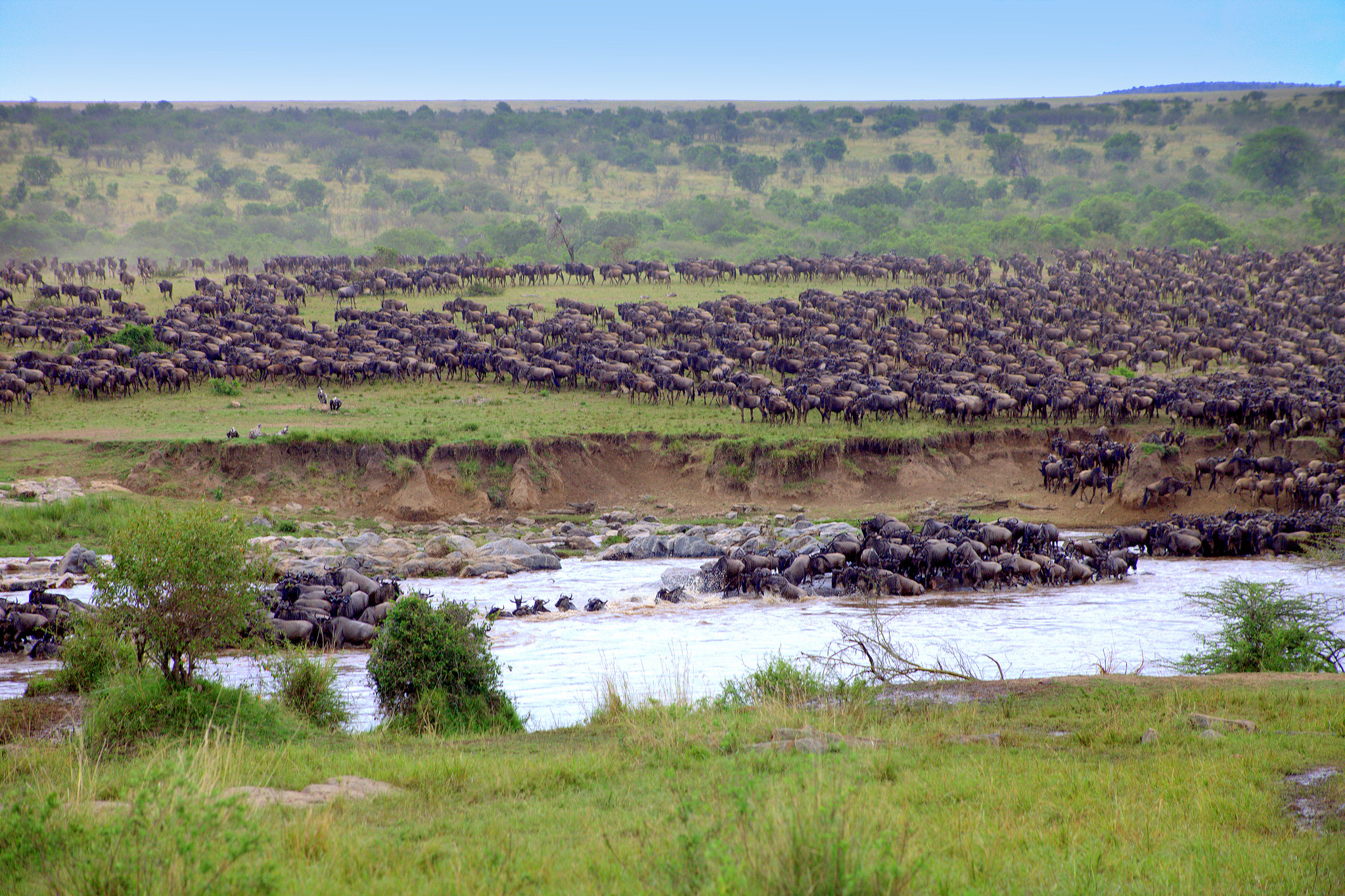
No self-drive itinerary in Kenya is complete without the Mara. This is the northern extension of the Serengeti ecosystem and the stage for the Great Migration between roughly July and October, when wildebeest and zebra cross the Mara River in their hundreds of thousands. Outside migration season the Mara is still one of the best big-cat destinations on earth, with resident lion prides, leopard along the riverine forest, and cheetah on the open plains. Public and community campsites along the Talek and Mara rivers let you set up your rooftop tent within earshot of hippo grunts and, on a good night, a distant lion roar. The drive from Nairobi takes around five to six hours via Narok, much of it on tarmac, with the final stretch into the reserve on graded dirt roads that a well-prepared 4×4 handles comfortably.
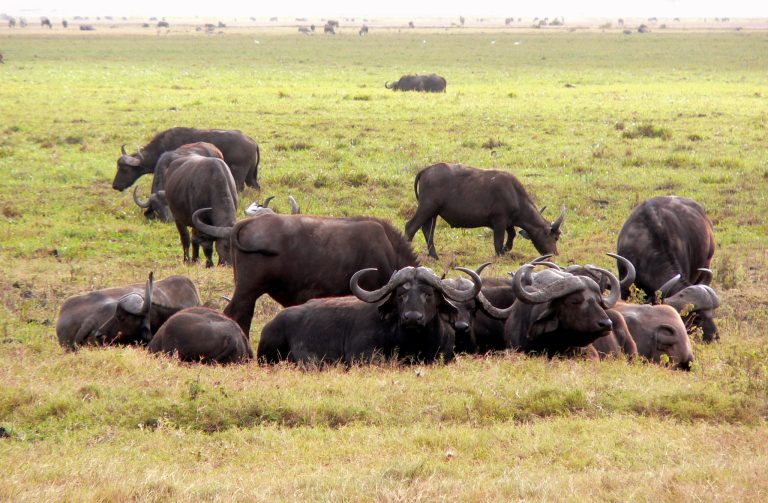
Amboseli National Park
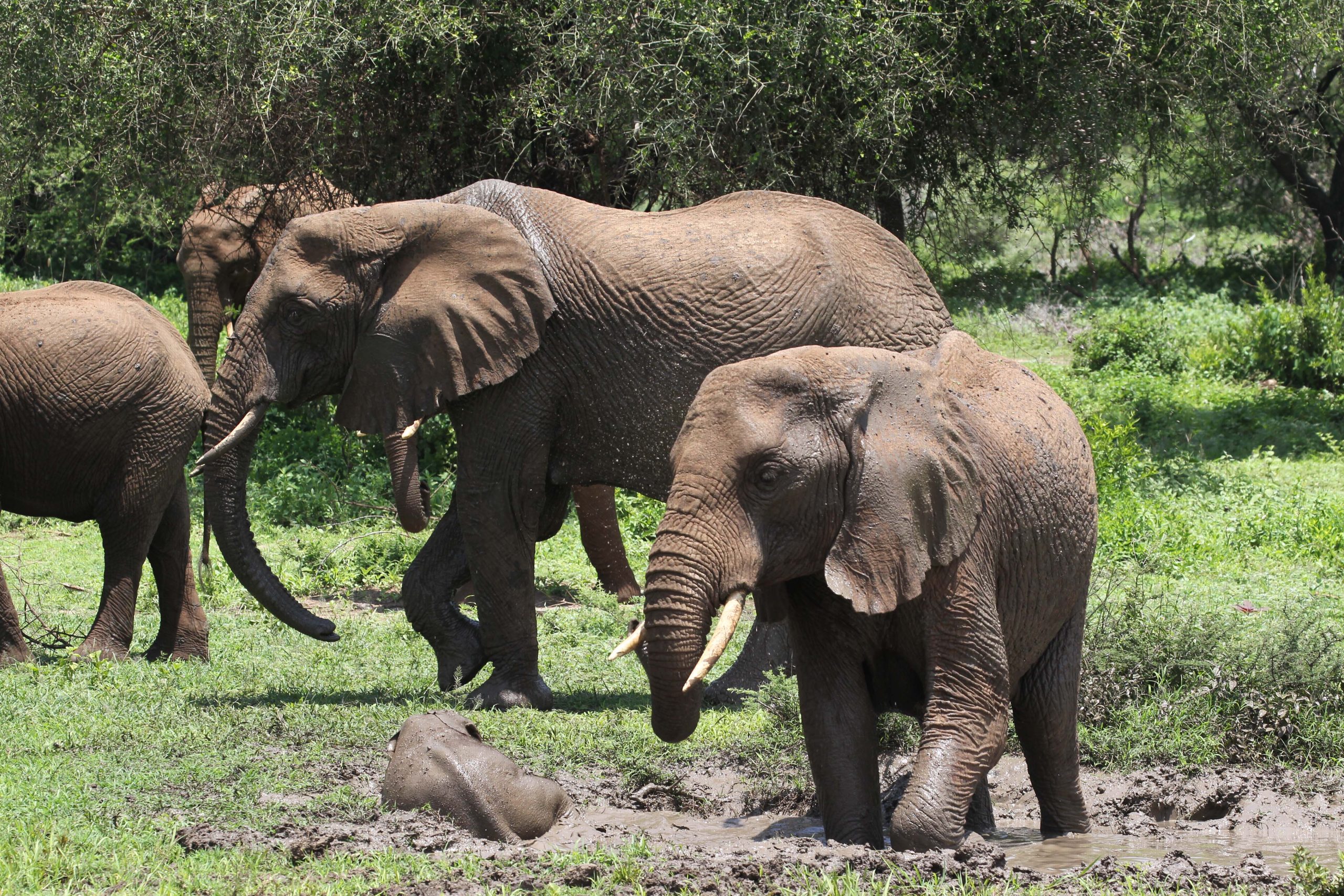
Amboseli is famous for one image above all others: large-tusked elephants walking across dusty plains with the snow-capped peak of Mount Kilimanjaro rising behind them. The park itself is compact and easy to self-drive, with well-marked circuits around swamps that draw elephant herds throughout the day. Several public campsites sit just outside the main gate, giving you a front-row seat for sunrise over Kilimanjaro without paying lodge prices. Amboseli sits roughly four hours south of Nairobi and pairs naturally with a loop through Tsavo West on the way back.
Lake Nakuru National Park
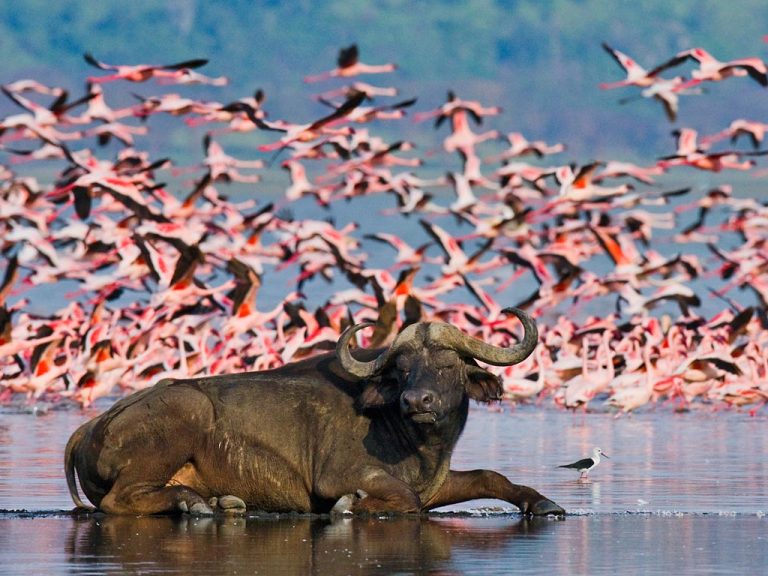
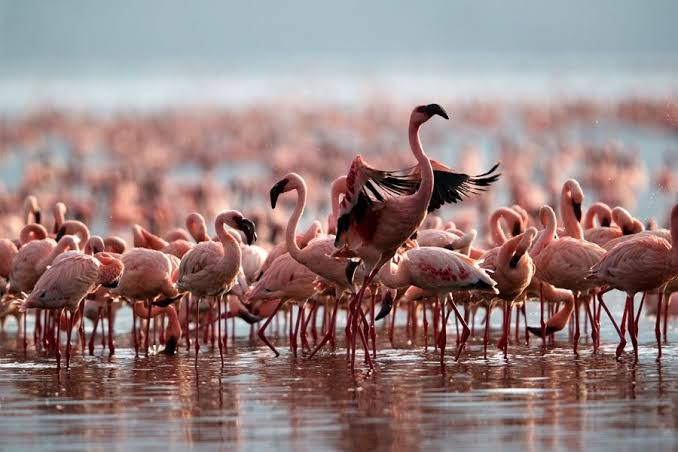
A little over two hours from Nairobi, Lake Nakuru is one of the most accessible parks in the country and a favourite first stop for self-drivers easing into Kenyan roads. The park protects both black and white rhino in meaningful numbers, along with dense forest, acacia woodland and a soda lake that, depending on water levels, still attracts significant flocks of flamingo. Because it is fully fenced, Nakuru is one of the more relaxed parks to explore, and its network of well-graded roads makes it a gentle introduction to game driving in your own vehicle.
Lake Naivasha and Hell’s Gate National Park
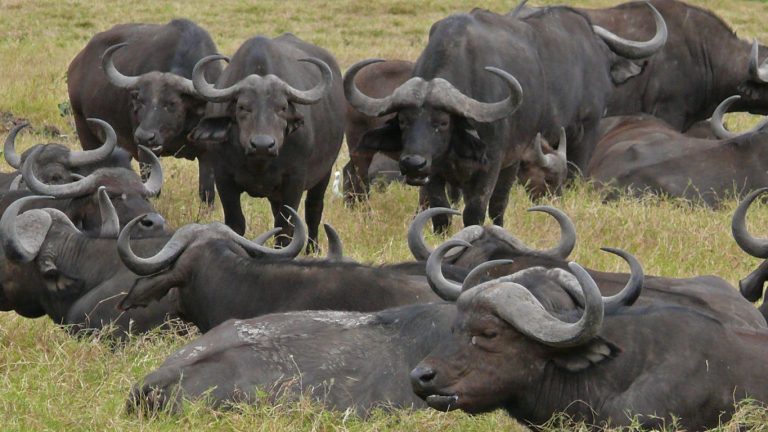
Naivasha is a freshwater lake ringed with campsites, many of them right on the water with resident hippo grazing the lawns after dark. It is an easy hour and a half from Nairobi, making it a natural first or last night on any Kenyan itinerary. Next door, Hell’s Gate National Park is unique in Kenya for allowing visitors to walk and cycle among wildlife such as zebra, giraffe and buffalo, beneath dramatic red-rock cliffs that reportedly inspired scenes in The Lion King. It is a rewarding half-day detour for anyone based at Naivasha.
Samburu, Buffalo Springs and Shaba National Reserves
North of the equator, the landscape turns drier, redder and more rugged, and the wildlife changes with it. Samburu and its neighbouring reserves are home to species found nowhere else in Kenya’s southern circuit: Grevy’s zebra, reticulated giraffe, Somali ostrich and the long-necked gerenuk. The Ewaso Nyiro River cuts through the reserves and supports healthy populations of elephant and predators, including a strong presence of leopard. This is a longer drive from Nairobi, around five hours, and suits travellers with ten days or more who want to add a genuinely different landscape to their Kenyan itinerary.
Tsavo East and Tsavo West National Parks
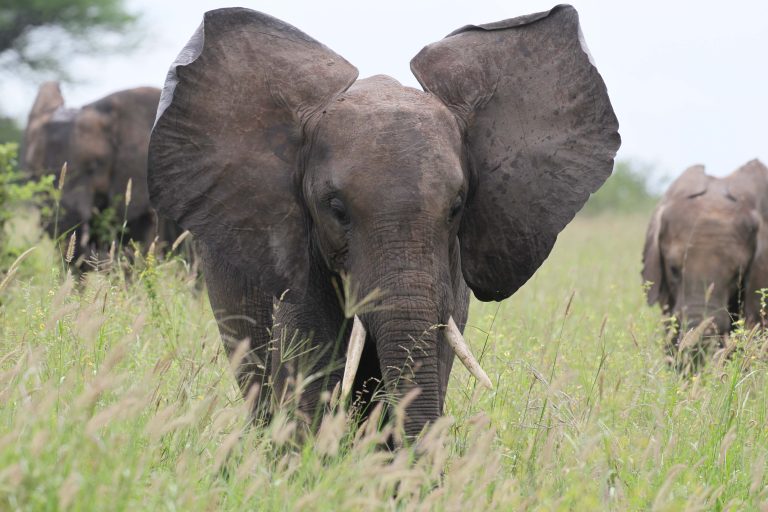
Together, the two Tsavo parks form one of the largest protected areas in the world. Tsavo East is known for its red elephants, coloured by the iron-rich dust they dust themselves in, and for wide open plains that make for easy self-driving and long, uninterrupted sightlines. Tsavo West is more rugged, with the Mzima Springs underwater viewing chamber, volcanic Chaimu Crater, and views toward Kilimanjaro on clear days. Both parks sit conveniently along the Nairobi to Mombasa route, making them a natural link between an inland safari circuit and a few final days relaxing on the coast.
Uganda: The Pearl of Africa by 4×4
Uganda earns its nickname honestly. Within a single self-drive loop you can go from the source of the Nile to the snow line of the Rwenzori Mountains, from the open savannah of Murchison Falls to the dense, primate-rich forests of Bwindi and Kibale. Roads in Uganda are generally good on the main routes and progressively rougher as you head into the west and south-west, which is exactly where a 4×4 with high clearance and good ground clearance earns its keep. A rooftop tent works especially well here because campsites are frequently perched on hillsides or riverbanks with views that a fixed-room lodge simply cannot always claim.
Murchison Falls National Park
Uganda’s largest national park is built around the point where the entire Nile River is forced through a gap in the rock barely seven metres wide before crashing 43 metres down into the valley below. The park has recovered strongly in wildlife terms over the past two decades, with healthy numbers of elephant, giraffe, buffalo and lion on the northern savannah, plus excellent boat trips to the base of the falls where hippo and crocodile line the banks. Self-drive tracks through the park are well maintained, and several campsites sit along the river with views across to the Rwenzori foothills in the distance on clear days.
Kibale Forest National Park
Kibale is widely regarded as the primate capital of East Africa, holding the highest density and diversity of primates on the continent, including a thirteen-species count that headlines with chimpanzee. A guided chimpanzee tracking walk here is one of the highlights of any Ugandan itinerary, and because the forest sits at a comfortable elevation, mornings and evenings at the campsites nearby are pleasantly cool, ideal rooftop tent sleeping weather.
Queen Elizabeth National Park
Straddling the equator in Uganda’s far west, Queen Elizabeth combines savannah, wetland, crater lakes and forest in one park, with a species list to match. The Kazinga Channel, linking Lake Edward and Lake George, hosts one of the largest concentrations of hippo in Africa alongside buffalo, elephant and a huge variety of waterbirds, all easily viewed from a boat cruise. The Ishasha sector in the park’s south is famous for tree-climbing lion, a behaviour rarely seen elsewhere, and one worth the detour on a slower southern route toward Bwindi.
Bwindi Impenetrable National Park
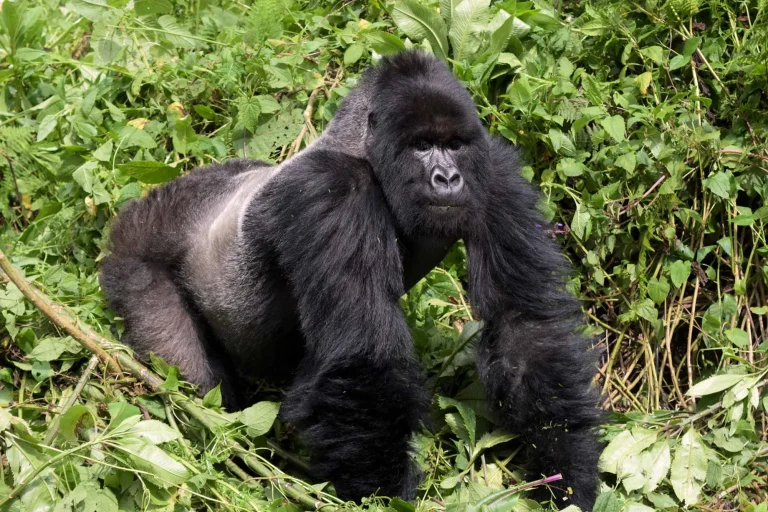
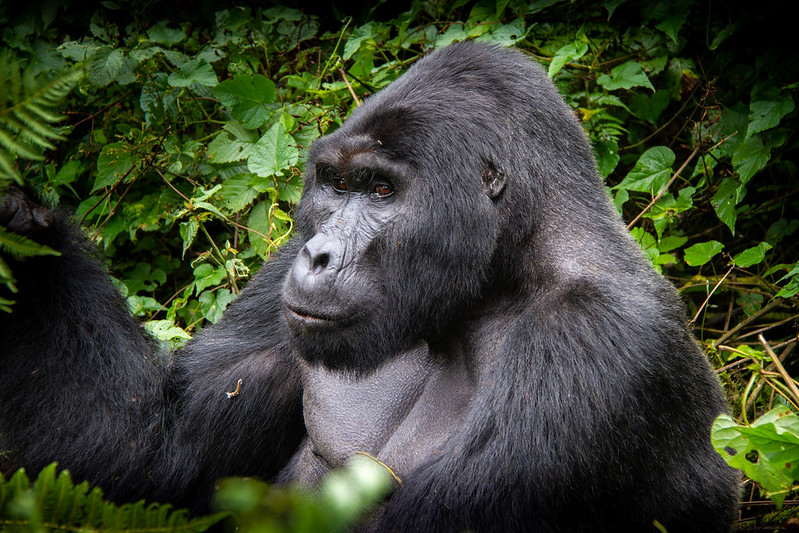
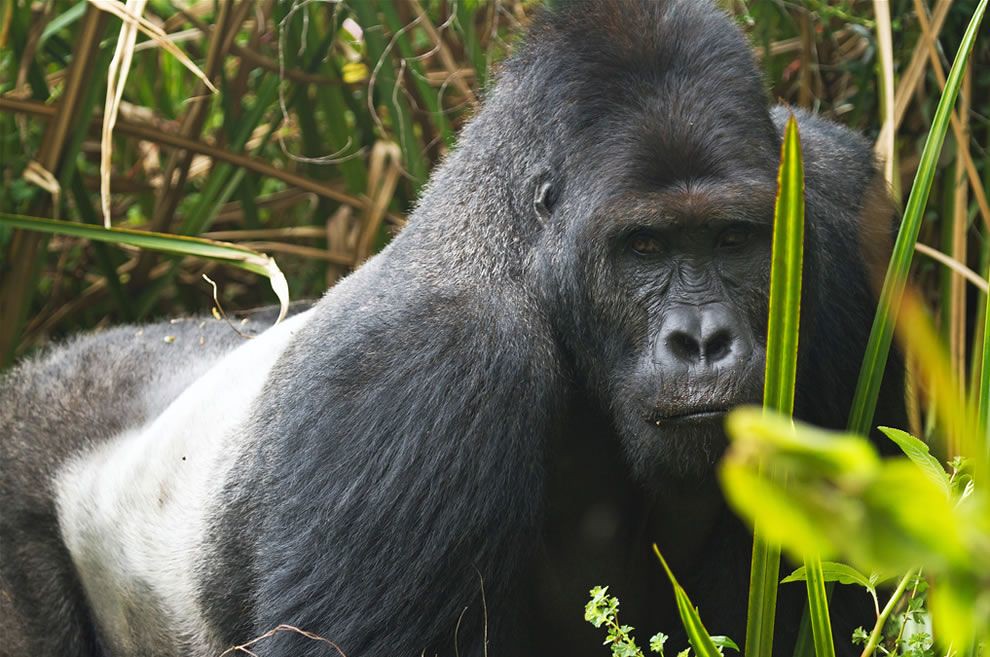
Bwindi is the reason many travellers come to Uganda at all: roughly half of the world’s remaining mountain gorillas live in this ancient, tangled forest. Gorilla trekking here requires a permit booked in advance and a guided trek with park rangers, but getting to Bwindi and setting up camp is entirely something you can do yourself. The drive in from Queen Elizabeth National Park winds through terraced hillsides and small trading towns, and campsites around the park’s Buhoma and Rushaga sectors offer some of the most dramatic forest-edge views in the country.
Lake Bunyonyi
Often described as one of the most beautiful lakes in Africa, Bunyonyi is a maze of islands and terraced hills in Uganda’s far south-west, close to the Rwandan border. There is no bilharzia here, unlike most East African lakes, so swimming is genuinely safe. It makes an excellent final Ugandan stop before crossing into Rwanda, or a peaceful rest day after the physical demands of gorilla or chimpanzee trekking.tex
Rwanda: Compact, Spectacular and Increasingly Self-Drive Friendly
Rwanda is the smallest of the three countries by a wide margin, but it packs an outsized amount of scenery and wildlife into a road network that is, in truth, the best-maintained in the region. Tarmac roads reach into corners of the country that would still be dirt tracks elsewhere, which makes Rwanda a comfortable place to self-drive even for travellers who are slightly nervous about doing it for the first time. What Rwanda lacks in sheer size it makes up for with the Virunga volcanoes, mountain gorillas, golden monkeys, and a capital city, Kigali, that is consistently rated one of the cleanest and safest in Africa.
Volcanoes National Park
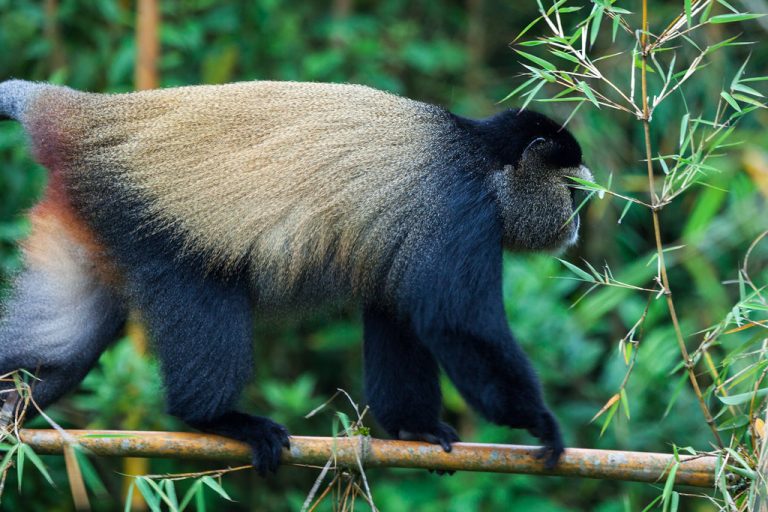
This is Rwanda’s headline destination, home to a significant share of the world’s mountain gorillas across the forested slopes of five volcanoes that form part of the wider Virunga range shared with Uganda and the Democratic Republic of Congo. Gorilla trekking permits here are the most expensive in the region, but the experience of sitting quietly within a few metres of a gorilla family in misty bamboo forest routinely tops travellers’ lists of life highlights. Golden monkey tracking is available in the same park at a fraction of the cost and is a worthwhile addition if your schedule allows. Campsites near Kinigi, the park’s gateway town, sit at altitude, so pack accordingly; nights are genuinely cold here compared to the Kenyan lowlands.
Lake Kivu
One of Africa’s Great Lakes, Kivu forms much of Rwanda’s western border with the DRC and is ringed by a scenic, increasingly well-paved road that makes for one of the most enjoyable drives in the country. Towns along the shore such as Gisenyi and Kibuye have lakeside campsites with calm water safe for swimming, and the drive itself, climbing and dropping through terraced hillsides with the lake appearing and disappearing around each bend, is a highlight in its own right.
Nyungwe Forest National Park
In Rwanda’s south-west, Nyungwe protects one of the oldest rainforests in Africa and is best known for chimpanzee tracking and a canopy walkway suspended high above the forest floor, offering a rare view down onto the treetops rather than up through them. The park also holds a dozen other primate species, making it a strong alternative or complement to Uganda’s Kibale for travellers who want primates without repeating the same experience twice.
Akagera National Park
On Rwanda’s eastern border with Tanzania, Akagera is the country’s only savannah park and a genuine conservation success story, having reintroduced lion and black rhino after both were locally extinct. The park now offers a full Big Five experience in a landscape of lakes, papyrus swamp and rolling savannah that feels closer to classic East African safari country than anywhere else in Rwanda. Akagera is well set up for self-drivers, with clear tracks and lakeside campsites overlooking hippo pods.
Combining All Three Countries in One Self-Drive Trip
Because Kenya, Uganda and Rwanda border one another and share reasonably well-connected road corridors, a single self-drive trip covering all three is entirely realistic for travellers with three to four weeks available. A typical route begins in Nairobi, loops through the Maasai Mara, Lake Nakuru and Lake Naivasha, then crosses into Uganda at the Busia or Malaba border post, continues through Kampala to Murchison Falls, Kibale, Queen Elizabeth and Bwindi, before crossing into Rwanda near Cyanika or Gatuna to finish with Volcanoes National Park, Lake Kivu and Kigali. Vehicles can often be dropped off in a different city from where they were collected, which removes the need to backtrack the entire route; ask our team about one-way rentals when you enquire, as availability depends on the season and the specific vehicle.
Travellers on a tighter schedule sometimes choose a two-country combination instead, most commonly Uganda and Rwanda together, since the gorilla trekking and primate experiences in these two countries complement each other well and the driving distances between them are short. A Kenya and Uganda combination is also popular, pairing classic Big Five safari country with Uganda’s primates and the source of the Nile.
Our Fleet: 4×4 Vehicles Built for Rooftop Tent Camping
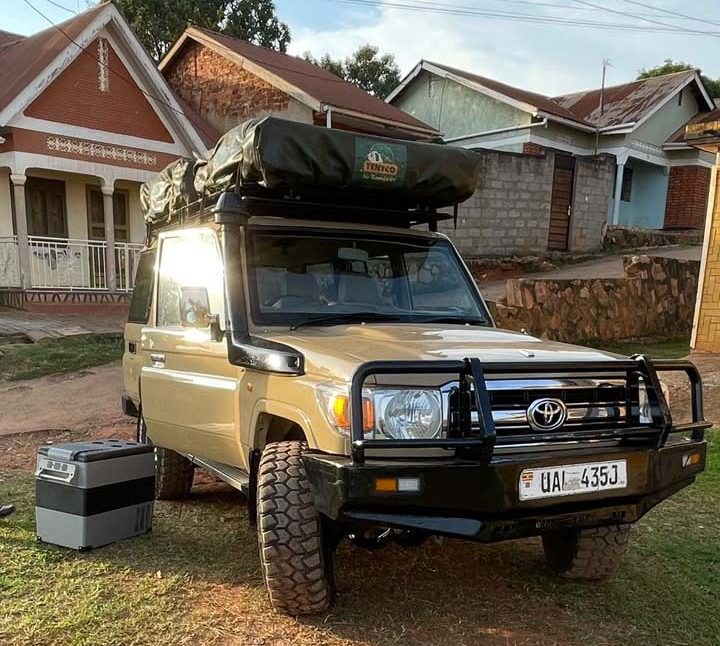
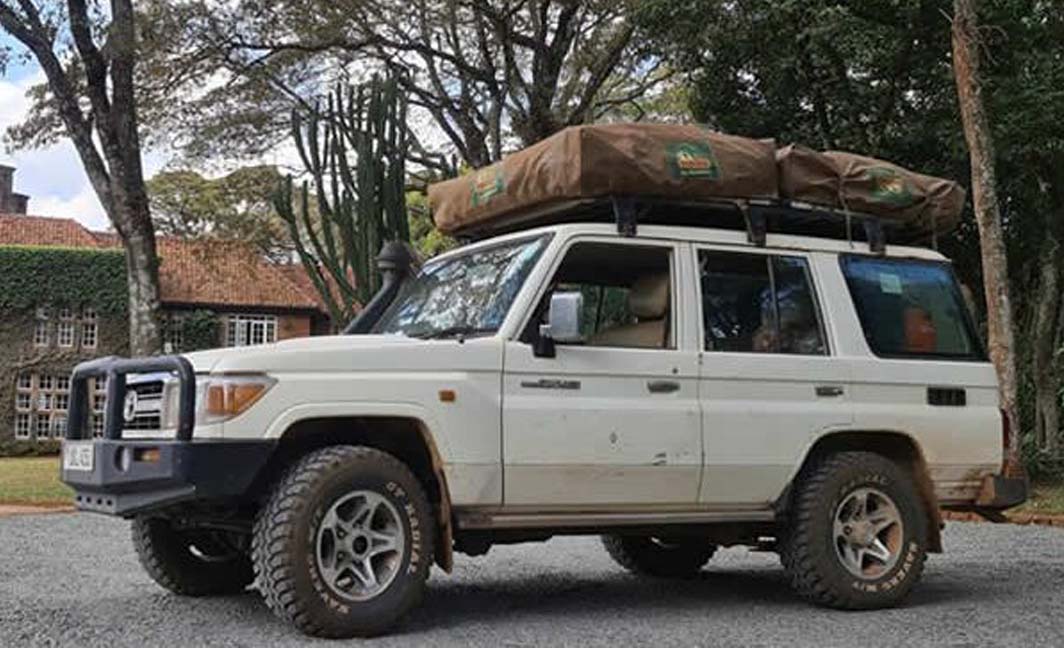
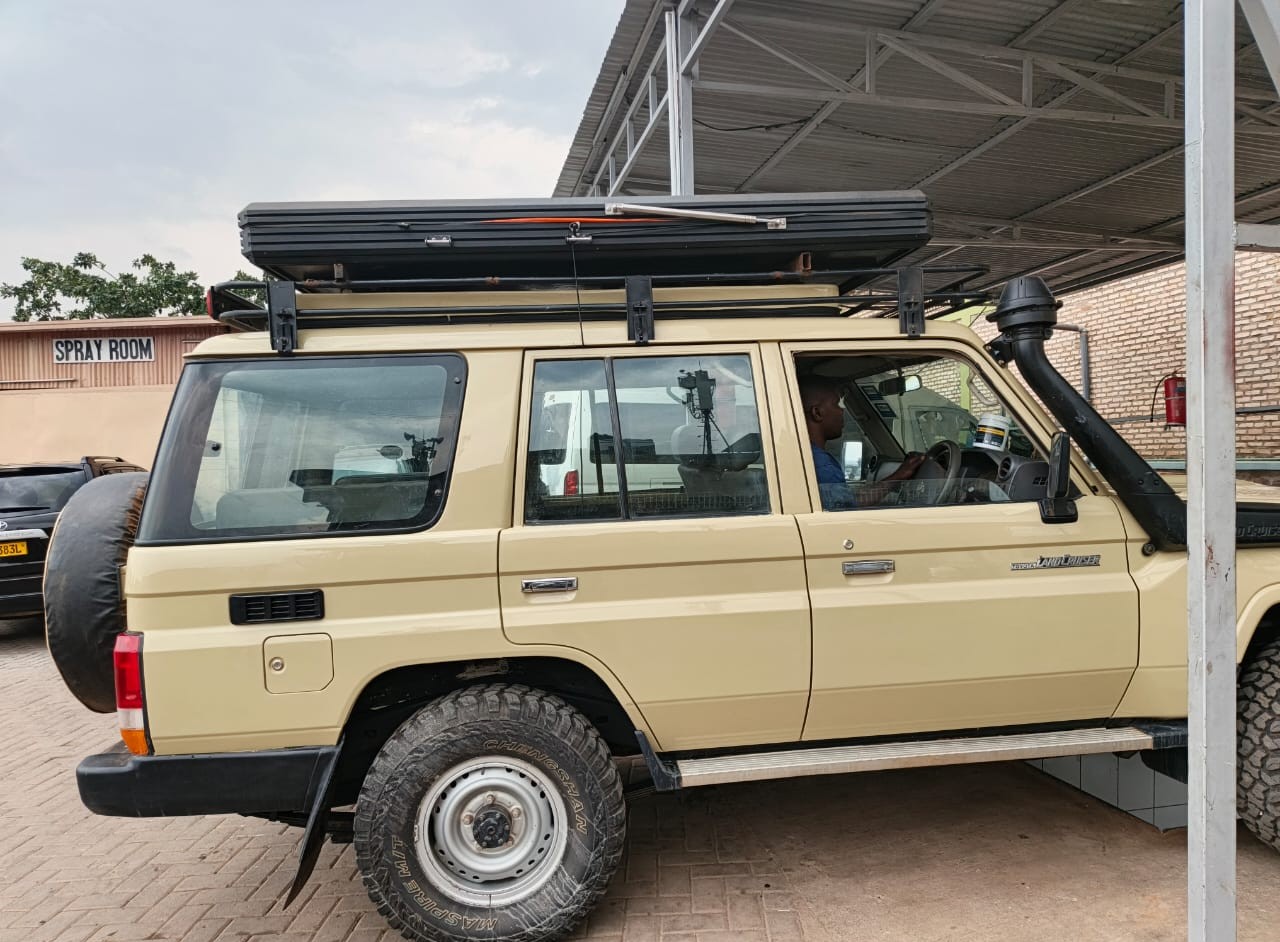
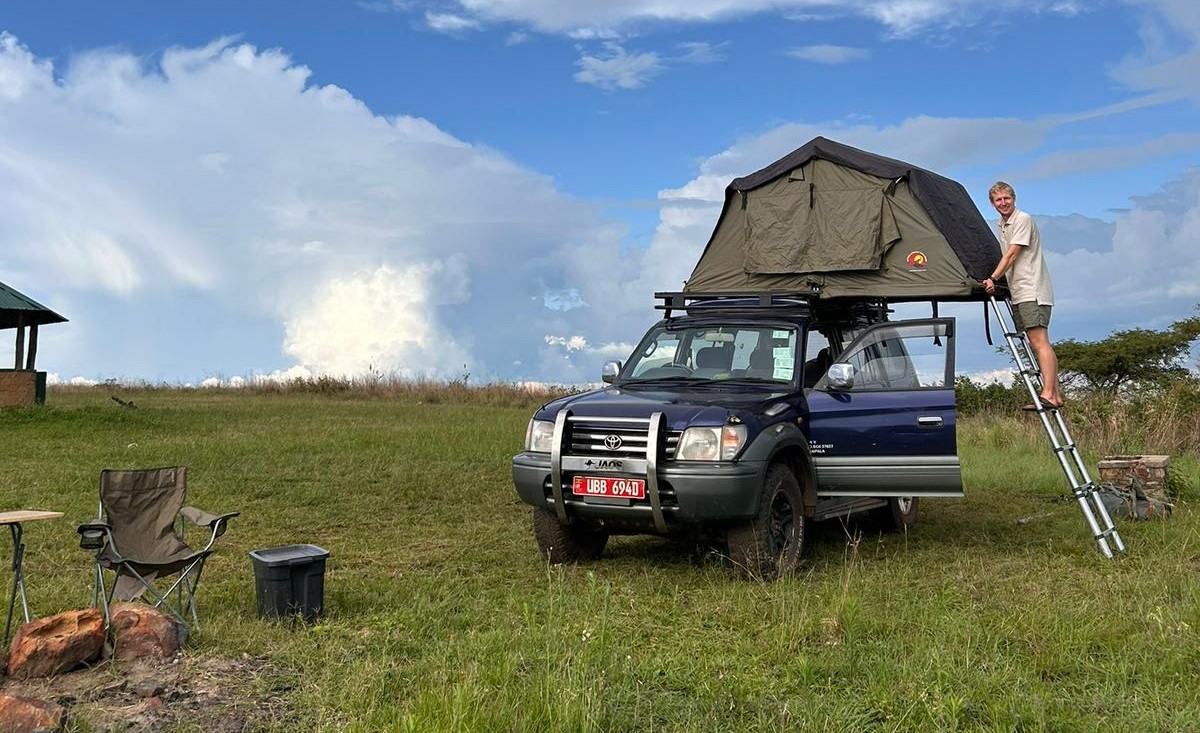
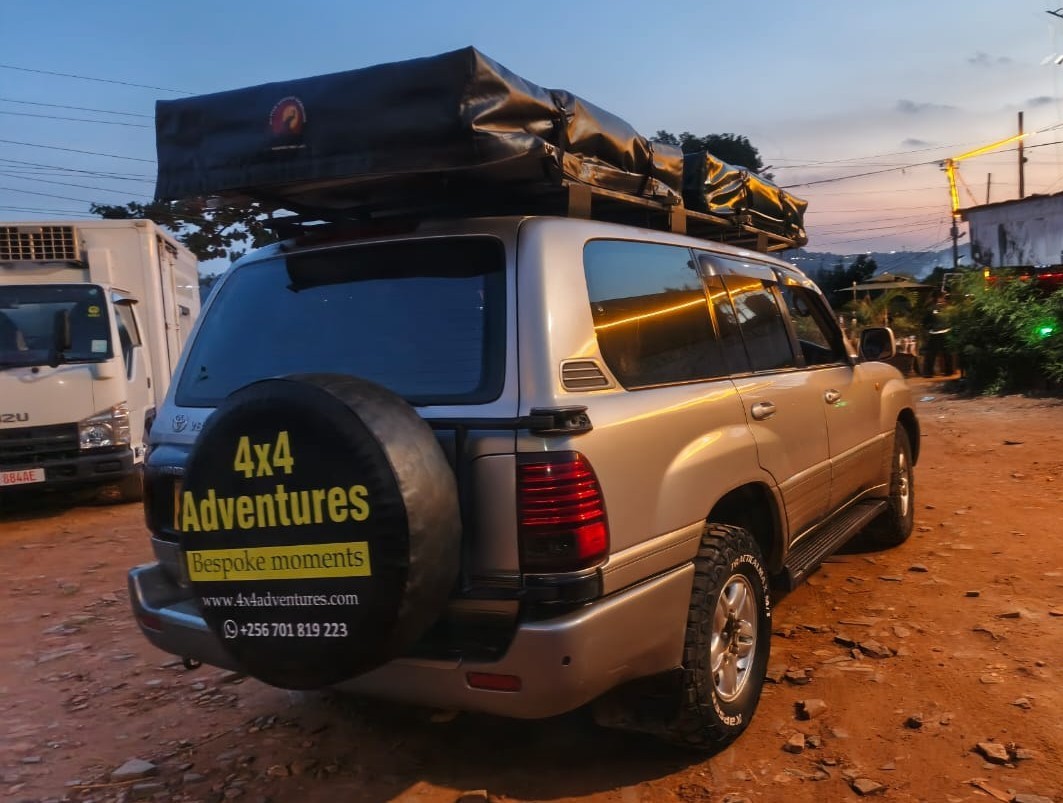
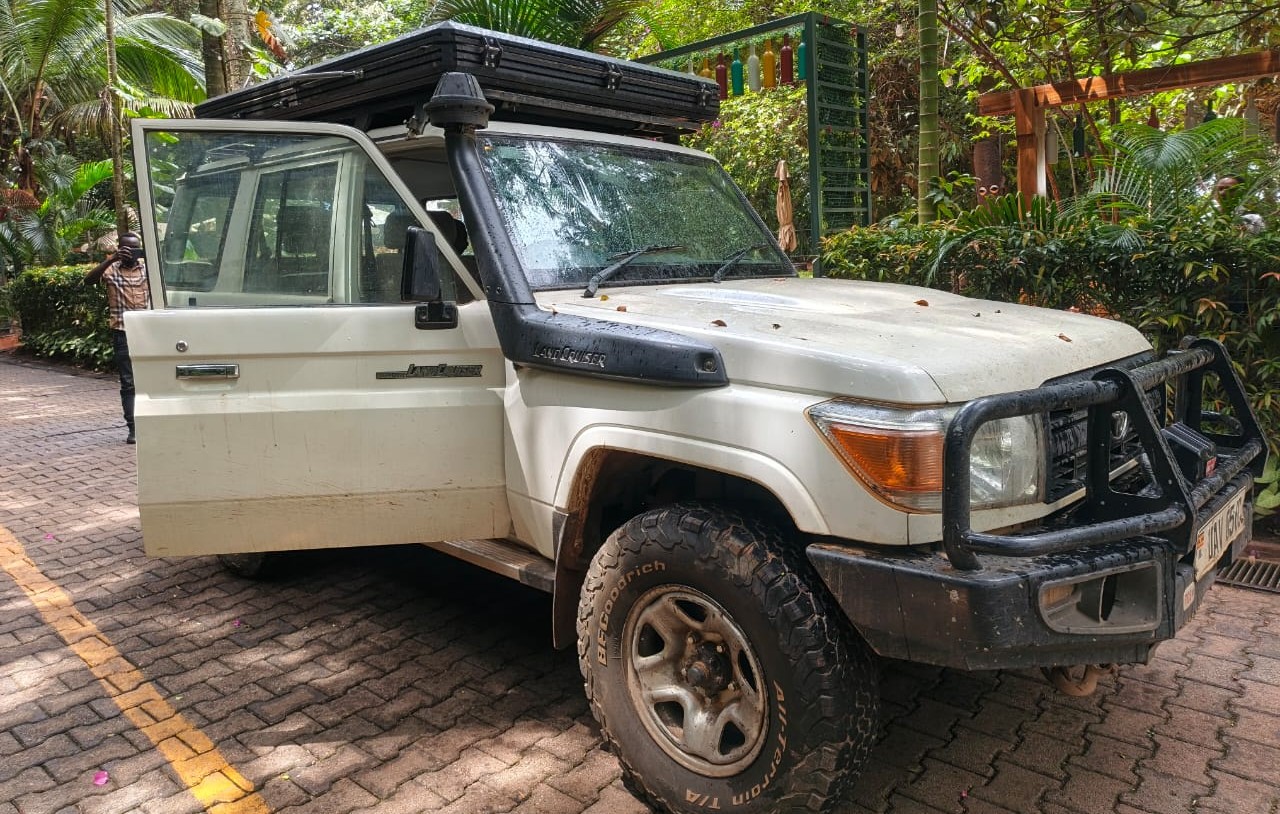
Every vehicle in the 4x4Kenya.com fleet is chosen and prepared specifically for long-distance, self-drive travel with a rooftop tent, not adapted from a city rental car as an afterthought. We run a mix of Toyota Land Cruisers and Land Cruiser Prados, alongside Toyota Hilux double-cab pickups converted for camping, because these models represent the best combination of reliability, parts availability and off-road capability anywhere in East Africa. If something goes wrong with a Land Cruiser in a small town in western Uganda, there is a mechanic nearby who has seen the problem before and knows how to fix it. That matters enormously on a self-drive trip.
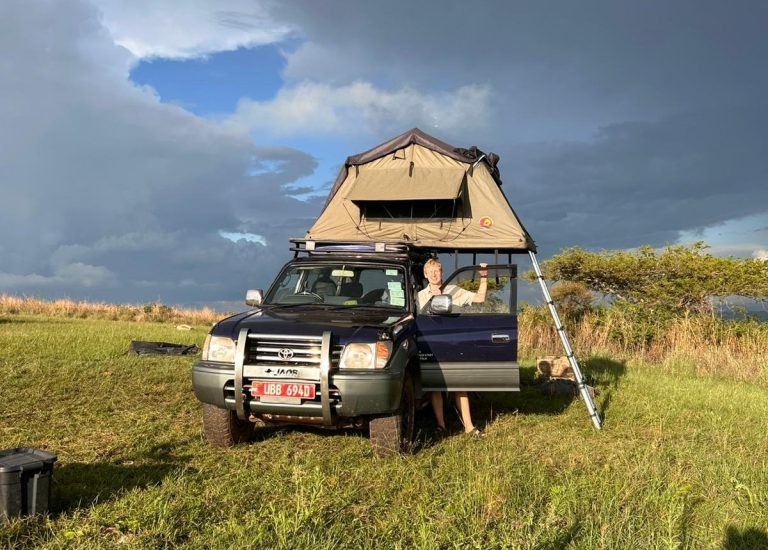
What comes fitted to every rooftop tent vehicle
- A quality hard-shell or soft-shell rooftop tent, sized for two to four people depending on the vehicle, with a built-in mattress, bedding and a ladder for access.
- A sturdy roof rack rated for the tent’s weight plus additional gear, with tie-down points for jerry cans and camping boxes.
- Two spare tyres, a full tool kit, a hi-lift or bottle jack, and a compressor for adjusting tyre pressure on rough terrain.
- Long-range fuel capacity via auxiliary tanks or extra jerry cans, important on remote stretches in northern Kenya and western Uganda.
- A dual battery system on most vehicles, running a fridge or cool box independently of the main starter battery.
- A full camping kitchen: gas cooker, cookware, plates, cutlery, a table and folding chairs, packed into a dedicated storage box.
- GPS navigation preloaded with park routes, campsite locations and border crossings, plus paper maps as backup.
- A first aid kit, fire extinguisher, warning triangles and a comprehensive recovery kit including a tow strap and shovel.
- Snorkel and upgraded suspension on selected vehicles for the more demanding routes into northern Kenya or remote sections of Uganda.
Choosing between a Land Cruiser, Prado or Hilux
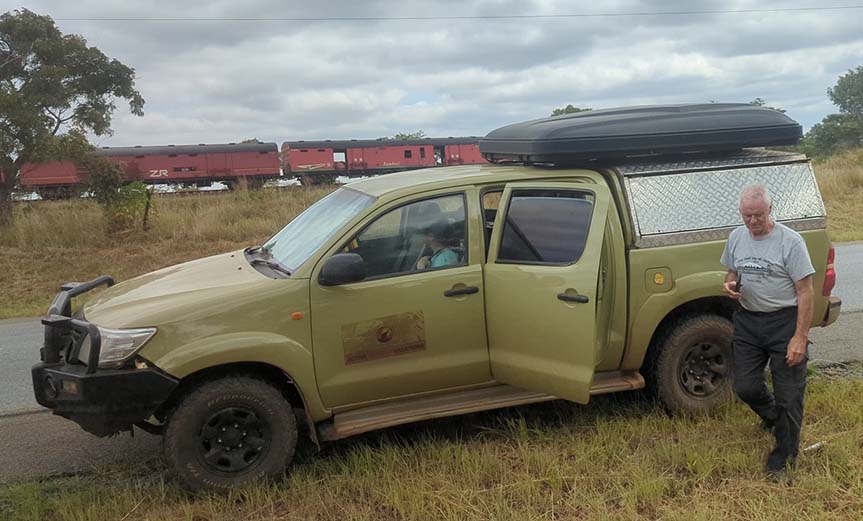
The Land Cruiser 79 or 105 series is our top recommendation for larger groups, longer trips and anyone planning to venture into the more remote parks such as Samburu or the northern reaches of Murchison Falls, thanks to its payload capacity and proven reliability under heavy loads. The Land Cruiser Prado suits couples and small families who want strong off-road capability with a slightly more comfortable on-road ride and better fuel economy on tarmac stretches. The Hilux double-cab, fitted with a rooftop tent over the load bed, is a popular choice for two travellers who want a nimbler, more fuel-efficient vehicle for a Kenya-only or Uganda-only trip that will stay mostly on established routes. Our team is always happy to talk through your specific itinerary and group size to recommend the right vehicle before you book.
What Is Included in Your Rooftop Tent Car Rental
A rental from 4x4Kenya.com is designed to be complete, so you are not left improvising equipment at a remote fuel station. Every booking includes a full vehicle briefing at collection, where a member of our team walks you through the rooftop tent setup and takedown, the camping kitchen, the recovery gear, and the vehicle’s specific quirks, so you leave our yard confident rather than guessing. Comprehensive insurance is included as standard, along with 24-hour roadside support for the duration of your rental, so if something does go wrong, you are never simply on your own in the middle of the bush.
- Unlimited or generous daily kilometre allowance, depending on the rental package selected.
- Comprehensive insurance covering the vehicle, with options to reduce your excess further.
- A full camping and cooking equipment set, cleaned and checked before every rental.
- 24-hour emergency and breakdown support throughout Kenya, Uganda and Rwanda.
- Detailed route notes and campsite recommendations tailored to your chosen itinerary.
- Airport or hotel delivery and collection in Nairobi, Kampala, Entebbe or Kigali on request.
- Assistance with park booking and, where requested, help arranging gorilla or chimpanzee trekking permits in advance.
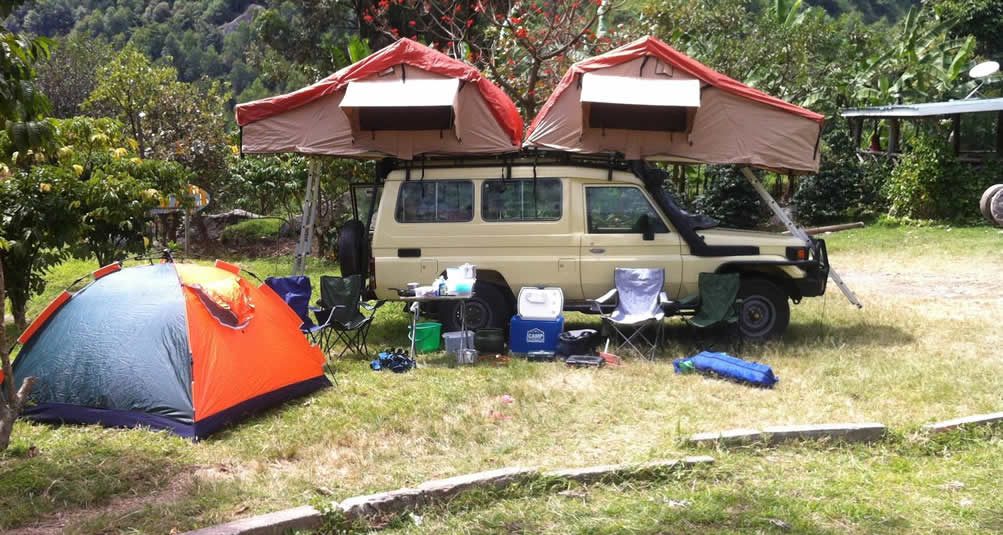
Optional extras are available for travellers who want to fine-tune their setup, including a second rooftop tent for larger groups travelling in one vehicle, satellite phones for peace of mind in remote areas, additional camping furniture, a portable shower and toilet setup, and child seats for families travelling with younger children.
Living Out of a Rooftop Tent: What to Expect
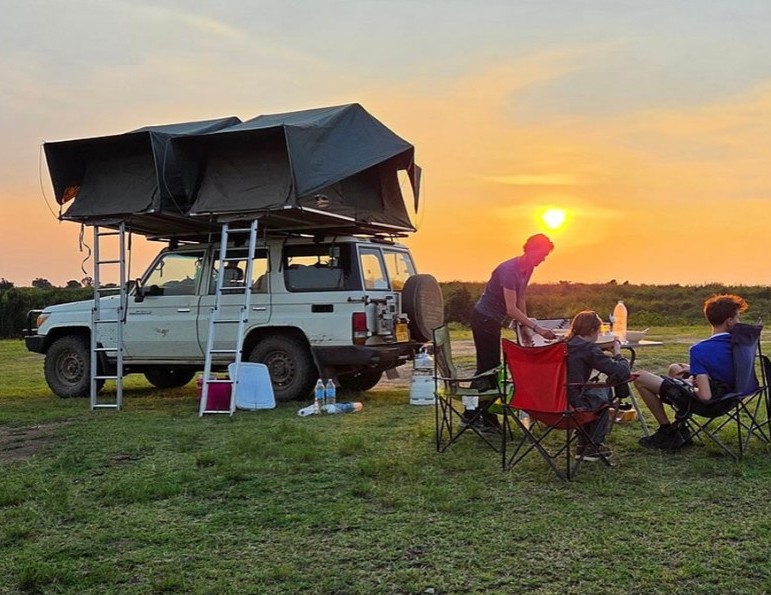
For first-time rooftop tent campers, the setup is refreshingly simple. On arrival at your campsite, you release the tent’s cover straps, unfold it upward using its own built-in ladder as a lever, and it opens fully within two to three minutes. The mattress inside is already made up with bedding, so there is no assembling a sleeping system from scratch each night. In the morning, the process reverses just as quickly, and you are back on the road within minutes of finishing breakfast.
Because the tent sits roughly a metre and a half above the ground, on top of the vehicle roof, it keeps you clear of crawling insects, damp ground and, in wildlife areas, curious animals that might otherwise investigate a ground tent overnight. Many campers describe the sound of rain on the tent canvas, or the view through the mesh window at a star-filled sky far from any city lights, as one of the most memorable parts of an East African self-drive trip.
A short list of practical habits makes rooftop tent living even smoother:
- Choose your campsite spot with the vehicle roughly level, since the mattress will follow the angle of the vehicle.
- Keep valuables and anything you need overnight in a small bag you bring up the ladder with you, rather than climbing down repeatedly.
- Pack down the tent before breakfast on travel days so you are not rushing at the last minute.
- In wildlife areas, use the campsite’s designated cooking area rather than cooking right beside the vehicle, to avoid attracting animals overnight.
- Zip the tent fully closed even for short trips down the ladder, since monkeys at several campsites are notorious for investigating an open tent.
Border Crossings, Documents and Driving Requirements
Crossing borders overland between Kenya, Uganda and Rwanda is straightforward and increasingly common among self-drive travellers, but it does require some paperwork prepared in advance. 4x4Kenya.com handles the vehicle-side documentation, including the temporary import permit, the COMESA yellow card insurance that is valid across the region, and a formal letter of authority confirming you are permitted to take our vehicle across borders, since a rental agreement alone is not always sufficient at immigration and customs posts.
On your side, you will need a valid driving licence from your home country, ideally accompanied by an International Driving Permit, and a passport with sufficient validity and blank pages for the entry and exit stamps of each country you plan to visit. Most nationalities can obtain an East Africa Tourist Visa, which covers Kenya, Uganda and Rwanda on a single visa and single fee, and is by far the most convenient option for anyone planning to cross all three countries, since it avoids paying separately for each border and generally speeds up the crossing process itself.
The main overland crossings used by self-drive travellers are Busia and Malaba between Kenya and Uganda, and Cyanika or Gatuna (also known as Katuna) between Uganda and Rwanda. Crossings are generally busiest with commercial trucks in the morning, so travelling in the early afternoon, after the worst of the queue has cleared, often makes for a faster process. Our team briefs every self-drive client on the specific documents required for their route and provides copies of everything needed before departure, so there are no surprises at the barrier.
Best Time to Go Self-Driving in Kenya, Uganda and Rwanda
East Africa’s climate is shaped more by altitude than by a single wet or dry season across the whole region, so timing depends partly on which countries and parks are on your route.
Kenya
The classic dry seasons, from late June to October and again from late December to March, offer the easiest driving conditions, with firmer roads and wildlife concentrated around permanent water sources, making game viewing more predictable. The Great Migration river crossings in the Maasai Mara typically peak between July and September, making this the single most popular window for a Kenyan self-drive safari, though also the most crowded at the main crossing points. The shorter rains around November bring a green, dramatic landscape and far fewer other vehicles, appealing to travellers who prioritise a quieter experience over guaranteed dry tracks.
Uganda
Uganda’s two dry seasons, roughly December to February and June to August, are the most comfortable months for self-driving, particularly on the red murram roads that lead into Bwindi and Kibale, which turn slick and challenging after heavy rain. Gorilla and chimpanzee tracking happens year-round, but the forest floor is considerably easier underfoot in the drier months.
Rwanda
Rwanda’s dry seasons mirror Uganda’s closely, from June to September and again from December to February. Because much of the country sits at altitude, expect cool mornings and evenings year-round in and around Volcanoes National Park regardless of season, so warm layers are worth packing whenever you go.
If your trip combines all three countries, the June to September window is generally the best overall compromise, offering dry roads across the whole route, peak migration viewing in the Maasai Mara, and comfortable trekking conditions in both Uganda and Rwanda.

Driving Tips for a Confident Self-Drive Trip
Self-driving in East Africa is entirely manageable for anyone with reasonable driving experience, including travellers who have never driven a 4×4 before, but a few local realities are worth knowing before you set off.
- Traffic drives on the left in all three countries, matching the UK, Australia and much of southern Africa.
- Roads range from excellent tarmac highways to graded dirt tracks to genuinely rough, rutted sections inside some national parks; our team will brief you on which sections of your specific route need extra care.
- Speed bumps appear frequently and often without much warning as you pass through towns and villages; slow down as soon as you see roadside buildings and pedestrians increase.
- Wildlife has right of way inside national parks, always; keep to posted speed limits, usually around 40km/h, and never approach animals closer than is comfortable for both you and them.
- Night driving outside towns is best avoided where possible, both for wildlife on the roads and general visibility, so plan to reach your campsite before dark.
- Fuel up whenever you pass a reliable station, rather than waiting until the tank is low, since stations can be sparse on some remote park approach roads.
- Reduce tyre pressure slightly for extended driving on soft murram or sandy tracks, and re-inflate once you are back on tarmac; our briefing covers the recommended pressures for your specific vehicle.
- Save our 24-hour support number in your phone before you leave, and do not hesitate to call if you are ever unsure about a road, a river crossing, or a mechanical noise.
Frequently Asked Questions
Do I need previous 4×4 driving experience?
No. Most of our clients have never driven a 4×4 before their trip. We provide a full vehicle briefing before you leave, covering everything from engaging four-wheel drive to setting up the rooftop tent, and our 24-hour support line is there if you need guidance once you are on the road.
How many people can sleep in one rooftop tent?
Most of our rooftop tents comfortably sleep two adults, with some larger models accommodating two adults and one or two children. For groups of three or four adults, we recommend either a vehicle fitted with a second rooftop tent or two vehicles travelling together, both of which we can arrange.
Is it safe to camp near wildlife in a rooftop tent?
Yes, when you follow campsite guidelines. The elevated position of a rooftop tent keeps you well above ground level, and established campsites inside and around national parks are chosen specifically for safe, sensible distances from wildlife activity. Our team briefs every client on campsite etiquette, including keeping food secured and the tent zipped when unattended.
Can I cross from Kenya into Uganda and Rwanda with a rental vehicle?
Yes, this is one of our most popular trip types. We prepare all the necessary cross-border documentation, including temporary import permits and regional insurance, and brief you thoroughly on the specific border crossing procedure for your route before you depart.
Do you help with gorilla trekking permits?
We can advise on the process and, on request, assist with booking permits for Bwindi Impenetrable National Park in Uganda or Volcanoes National Park in Rwanda. Because permits are limited and sell out during peak months, we recommend confirming these as early as possible, ideally at the same time you book your vehicle.
What happens if the vehicle breaks down in a remote area?
Every rental includes 24-hour roadside support. Our team will talk you through basic troubleshooting over the phone and, where a repair cannot be handled on the spot, arrange recovery or a replacement vehicle as quickly as the location allows. Every vehicle also carries a full recovery and tool kit for minor issues along the way.
How far in advance should I book?
For travel during peak months, roughly July to September and the December holidays, we recommend booking at least two to three months ahead, both for vehicle availability and to align with gorilla or chimpanzee permit bookings. Shoulder-season trips can often be arranged with a few weeks’ notice.
What is not included in the rental price?
Fuel, national park entrance fees, camping or accommodation fees, trekking permits and personal travel insurance are not included in the vehicle rental price. Our team provides a full cost estimate for these additional items alongside your vehicle quote, so you can budget for the whole trip in advance.
Your Kenya, Uganda and Rwanda Self-Drive Adventure
A self-drive safari with a rooftop tent is not just a cheaper alternative to a guided tour, it is a genuinely different way to experience East Africa, one that puts you inside the landscape rather than passing through it.
From the wildebeest herds of the Maasai Mara to the gorilla-filled forests of Bwindi and the volcanic slopes above Lake Kivu, Kenya, Uganda and Rwanda offer a self-drive route unlike anywhere else on the continent.
Contact 4x4Kenya.com today with your travel dates, group size and the parks you most want to see, and let our team put together the right vehicle, route and rooftop tent set-up for your trip.