
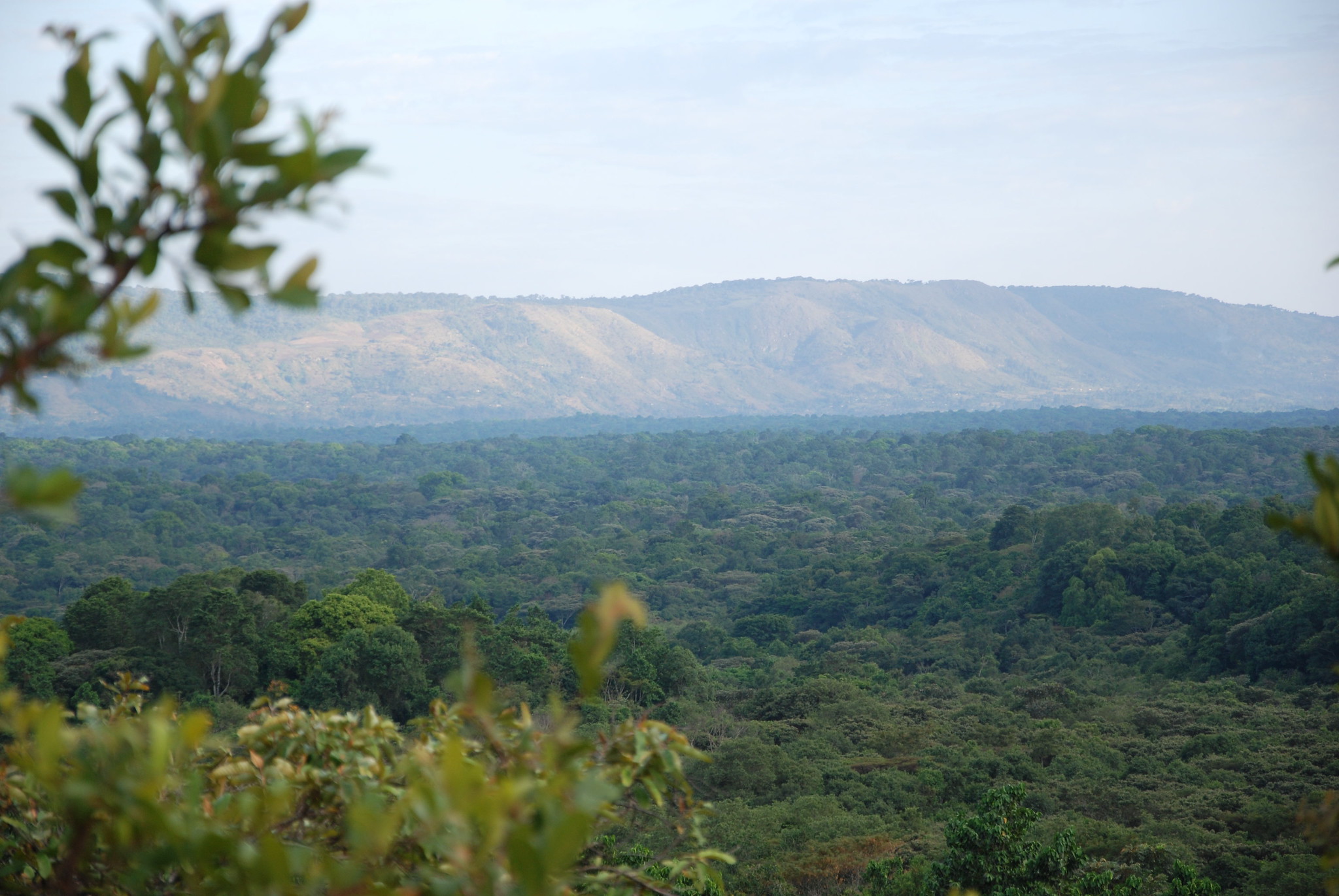
Tucked away in western Kenya, Kakamega Forest National Reserve is the country’s only surviving remnant of the ancient Guineo-Congolian rainforest that once stretched across equatorial Africa. For travelers seeking something beyond the classic savannah safari, Kakamega Forest National Reserve offers a completely different Kenya — one of dense green canopy, birdsong, primates swinging overhead, and trails that wind through a living, breathing ecosystem found nowhere else in the country.
Whether you’re a birder chasing a long checklist, a self-drive adventurer plotting your next 4×4 route, or simply someone who wants to experience Kenya’s wild side away from the crowds, Kakamega Forest National Reserve deserves a spot on your itinerary. This guide covers everything you need to know: where to stay, what to do, what to pack, and ten self-drive itinerary ideas that put Kakamega Forest National Reserve at the heart of a bigger Kenyan road trip.

Why Visit Kakamega Forest National Reserve
Kakamega Forest National Reserve is a biodiversity hotspot managed by the Kenya Wildlife Service, sitting in Kakamega County roughly 30 kilometers north of Kakamega town and about 415 kilometers northwest of Nairobi. Covering roughly 45 square kilometers of protected tropical rainforest (with the wider Kakamega Forest ecosystem, including adjoining reserves, spanning over 230 square kilometers), it is one of the last places on Earth to see the kind of rainforest that once blanketed much of equatorial Africa millions of years ago.
What makes Kakamega Forest National Reserve so special is its sheer concentration of life. The reserve is home to over 380 recorded bird species, more than 400 species of butterflies, seven primate species including the red-tailed monkey, blue monkey, and the elusive potto, and hundreds of plant and tree species, some found nowhere else in Kenya. For photographers, hikers, researchers, and nature lovers, a visit to Kakamega Forest National Reserve is genuinely unlike anything else on the Kenyan safari circuit.
Because it sits along key routes connecting western Kenya to Uganda, Kakamega Forest National Reserve also makes an excellent stopover for overlanders and self-drive travelers exploring the region in a 4×4, whether you’re heading toward Kisumu and Lake Victoria, the Ugandan border, or looping back through the Rift Valley.

Getting to Kakamega Forest National Reserve
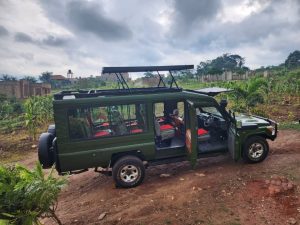
Most visitors reach Kakamega Forest National Reserve by road. From Nairobi, the drive takes approximately 6 to 7 hours via Nakuru, Kericho, and Kisumu, or via Eldoret if approaching from the north. The roads are tarmacked for most of the journey, though the final stretches into the forest access points (such as Isecheno or Buyangu) can involve murram and dirt tracks, especially during the rainy season — making a 4×4 vehicle the ideal choice for a comfortable, worry-free trip. Self-drive travelers should budget extra time for these final approach roads and always check current conditions before setting out.
The two main entry points are:
- Buyangu Gate (northern access, closer to the main Kakamega–Webuye road, home to the Kenya Wildlife Service visitor center)
- Isecheno / Forest Rest House area (southern access, favored by researchers and birders, close to the Isecheno Forest Station)

You can choose to stay at Rondo Retreat Centre on your trip to Kakamega
Accommodation Options Near Kakamega Forest National Reserve
Accommodation around Kakamega Forest National Reserve ranges from rustic forest rest houses to comfortable mid-range lodges, giving travelers on every budget a place to base themselves for exploring the reserve.
1. Rondo Retreat Centre
Set inside the forest itself, Rondo Retreat is the most atmospheric place to stay near Kakamega Forest National Reserve. Originally a colonial-era timber estate, it now operates as a peaceful retreat with cottages surrounded by indigenous trees, manicured gardens, and resident bird and primate life right outside your window. It’s a favorite among birders and honeymooners alike, offering full board and easy access to forest trails.
2. Kenya Wildlife Service (KWS) Guesthouses and Bandas — Buyangu
For travelers wanting to stay directly inside the reserve, KWS operates self-catering bandas and a guesthouse near Buyangu Gate. These are simple, affordable, and put you right at the trailhead each morning — ideal for early birding walks and night forest walks.
3. Isecheno Forest Rest House
A budget-friendly option run by the Forest Department near the Isecheno entrance, popular with researchers, students, and independent travelers. Facilities are basic but the location — deep in the forest, near key primate and bird territories — is unbeatable for serious wildlife watching.
4. Udo’s Bandas (Buyangu)
A rustic, budget camping and banda option close to the Buyangu Gate, run in partnership with KWS, offering a simple, no-frills base for early forest walks and camping under the canopy.
5. Kakamega Town Hotels
For travelers who prefer a proper hotel with modern amenities — hot showers, restaurants, secure parking for 4×4 vehicles — Kakamega town (about 30–45 minutes’ drive from the reserve) has a growing range of mid-range hotels. This is a practical option for self-drive travelers who want a comfortable overnight stop before or after exploring the forest.
6. Camping Inside the Reserve
Designated campsites are available near both Buyangu and Isecheno for travelers with their own camping gear — a great option for overlanders and 4×4 self-drive groups looking to fully immerse themselves in the forest at night, when nocturnal species like bushbabies and tree hyraxes become active.

Isecheno Forest House – Kakamega, Kenya
Tourist Activities at Kakamega Forest National Reserve
Kakamega Forest National Reserve rewards travelers who slow down and explore on foot. Below is a detailed look at the top things to do.
Guided Nature Walks and Hiking Trails
The best way to experience Kakamega Forest National Reserve is on foot with a local guide. Trails such as the Buyangu Hill Trail, Isecheno Loop, and the trail to the scenic Lirhanda Hill viewpoint (offering sweeping views over the forest canopy) range from easy one-hour strolls to half-day treks. Local guides, many trained in ornithology and botany, are essential both for safety and for spotting wildlife you’d otherwise walk right past.
Birdwatching
Kakamega Forest National Reserve is arguably Kenya’s premier birding destination outside the Rift Valley lakes. With over 380 species recorded, including several found nowhere else in the country — such as the great blue turaco, blue-headed bee-eater, Turner’s eremomela, and Chapin’s flycatcher — the reserve draws serious birders from around the world. Early morning walks (starting around 6:00–6:30 AM) offer the best sightings and cooler temperatures.
Primate and Wildlife Spotting
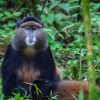
Watch for red-tailed monkeys, blue monkeys, De Brazza’s monkeys, and, if you’re lucky, the nocturnal potto. The forest is also home to flying squirrels, tree pangolins, various duiker species, and a rich reptile population, including the Gaboon viper — a good reason to always walk with a guide.
Night Walks
Guided night walks reveal an entirely different side of Kakamega Forest National Reserve. Bushbabies, tree hyraxes, nightjars, owls, and a spectacular array of nocturnal insects and glowing fungi become active after dark, making this one of the most memorable activities on offer.
Butterfly Watching
With more than 400 recorded species, Kakamega Forest National Reserve is a haven for butterfly enthusiasts, particularly during and just after the rainy seasons when numbers and diversity peak.
Visiting Local Communities and Cultural Sites
Nearby communities, including Luhya villages surrounding the reserve, offer opportunities to learn about traditional forest use, herbal medicine practices, and local customs — adding cultural depth to a nature-focused trip.
Photography
Between the dramatic canopy light, colorful birdlife, and rare primates, Kakamega Forest National Reserve is a rewarding destination for wildlife and landscape photographers alike. Early mornings and the golden hour before dusk offer the best light filtering through the canopy.
Waterfalls and Forest Streams
Smaller, lesser-known waterfalls and forest streams dot the reserve and make excellent rest stops along longer hiking routes — ask your guide to include one on your walk.
What to Pack for Kakamega Forest National Reserve
Because Kakamega Forest National Reserve is a genuine tropical rainforest environment — humid, occasionally wet, and with dense undergrowth — packing right makes a real difference to your comfort and enjoyment.
- Sturdy, closed-toe hiking shoes or boots with good grip
- Lightweight, quick-dry long-sleeved shirts and long trousers (protection from insects and undergrowth)
- A waterproof rain jacket or poncho (rain is possible year-round, even in the dry season)
- Insect repellent (DEET-based recommended)
- Binoculars — essential for birding and primate spotting
- A camera with a zoom lens, plus spare batteries and memory cards
- A wide-brimmed hat and sunglasses
- Reusable water bottle and a small day pack
- Basic first-aid kit, including antihistamines
- Cash (small denominations) for entry fees, guide tips, and local purchases
- A torch or headlamp for night walks
- Sunscreen, though the canopy provides significant shade
- Field guide or bird checklist app if you’re a serious birder
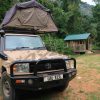
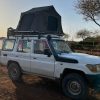
- For self-drive travelers: a 4×4 vehicle with good ground clearance, a tow rope, spare tire, and a fully stocked vehicle recovery kit, as some access roads become slippery after rain

A Heron at Kakamega
10 Self-Drive Itinerary Options Featuring Kakamega Forest National Reserve
Kakamega Forest National Reserve pairs naturally with other western Kenya highlights — Lake Victoria, the Kerio Valley, Mount Elgon, and the Rift Valley lakes — making it a great anchor point for a longer 4×4 self-drive adventure. Below are ten itinerary ideas of varying length.
| Itinerary | Route Overview |
|---|---|
| 1. Nairobi – Kakamega Forest Weekend Getaway (3 Days) |
|
| 2. Western Kenya Birding Circuit (5 Days) |
Nairobi – Lake Nakuru – Kakamega Forest National Reserve – Kisumu (Lake Victoria) – Nairobi
|
| 3. Kakamega Forest & Lake Victoria Explorer (4 Days) |
Nairobi – Kisumu – Kakamega Forest National Reserve – Kisumu – Nairobi
|
| 4. Rift Valley to Rainforest Adventure (6 Days) |
Nairobi – Lake Naivasha – Lake Nakuru – Kericho tea trails – Kakamega Forest National Reserve – Nairobi
|
| 5. Kenya–Uganda Border Overland Route (7 Days) |
Nairobi – Eldoret – Kakamega Forest National Reserve – Busia border crossing – return via Kisumu
|
| 6. Mount Elgon and Kakamega Forest Combo (5 Days) |
Nairobi – Eldoret – Mount Elgon National Park – Kakamega Forest National Reserve – Nairobi
|
| 7. Western Kenya Culture and Nature Trail (6 Days) |
Nairobi – Kericho (tea estates) – Kisumu (Luo cultural sites) – Kakamega Forest National Reserve (Luhya communities) – Nairobi
|
| 8. Grand Western Circuit (8 Days) |
Nairobi – Lake Nakuru – Lake Bogoria – Kericho – Kisumu – Kakamega Forest National Reserve – Eldoret – Nairobi
|
| 9. Photographer's Rainforest & Rift Valley Tour (5 Days) |
Nairobi – Lake Elementaita – Lake Nakuru – Kakamega Forest National Reserve
|
| 10. Quick Escape: Eldoret – Kakamega Forest Loop (2 Days) |
Eldoret – Kakamega Forest National Reserve – Eldoret
|
Each of these routes can be adapted based on how much time you have, your vehicle’s capability, and whether you prefer camping or lodge-based stays. A reliable 4×4 is strongly recommended for all itineraries that include the final approach roads into Kakamega Forest National Reserve, particularly during the long rains (March–May) and short rains (October–December).
Best Time to Visit Kakamega Forest National Reserve
Kakamega Forest National Reserve can be visited year-round, but conditions vary:
- Dry seasons (January–February and June–September): Easier road access and hiking conditions, though the forest remains lush year-round.
- Wet seasons (March–May and October–December): Higher humidity and muddier trails, but this is also when butterfly activity peaks and the forest is at its greenest — a trade-off many photographers happily accept.
Birdwatchers will find good sightings throughout the year, though early mornings are consistently the best time of day regardless of season.
Entry Fees and Practical Tips
Entry fees for Kakamega Forest National Reserve are payable at the KWS gate (Buyangu) or Forest Department checkpoint (Isecheno), with different rates for citizens, residents, and non-residents. Hiring a local guide is highly recommended — not officially compulsory at every entry point, but invaluable for safety, navigation, and wildlife spotting, and it directly supports the local community. Guide fees are typically negotiated on-site or arranged through your accommodation in advance.
Mobile network coverage is limited within the forest interior, so download offline maps before you set out, and always inform your accommodation or guide of your planned route and expected return time.
Final Thoughts
Kakamega Forest National Reserve offers a side of Kenya that few travelers experience — ancient rainforest, extraordinary biodiversity, and a genuine sense of discovery on every trail. Whether you’re planning a quick weekend escape from Nairobi or building it into a longer 4×4 self-drive circuit through western Kenya, Kakamega Forest National Reserve rewards visitors who take the time to explore it properly, on foot, with a good guide, and the right vehicle to get there comfortably.





Comments are closed