
10 Days Kenya 4×4 Self-Drive & Camping Adventure: Samburu, Ol Pejeta, Lake Nakuru, Tsavo & Amboseli Safari
This 10-day Kenya self-drive safari is designed for independent travellers who want to combine wildlife, scenery and the freedom of driving their own 4×4 vehicle. The route links Samburu National Reserve, Ol Pejeta Conservancy, Lake Nakuru National Park, Tsavo National Park and Amboseli National Park. You can
| Day | Destination | Main Experience | Night |
|---|---|---|---|
| 1 | Nairobi → Samburu | Drive north, arrive and afternoon game drive | Samburu |
| 2 | Samburu | Full-day self-drive wildlife safari | Samburu |
| 3 | Samburu → Ol Pejeta | Scenic transfer and afternoon conservancy drive | Ol Pejeta |
| 4 | Ol Pejeta | Rhino, chimpanzee and wildlife experiences | Ol Pejeta |
| 5 | Ol Pejeta → Lake Nakuru | Transfer via Laikipia/Nyeri area and afternoon safari | Lake Nakuru |
| 6 | Lake Nakuru → Tsavo | Long transfer toward Tsavo; optional transit overnight planning | Tsavo area |
| 7 | Tsavo | Full-day Tsavo self-drive safari | Tsavo |
| 8 | Tsavo → Amboseli | Transfer to Amboseli and afternoon game drive | Amboseli |
| 9 | Amboseli | Full-day Kilimanjaro-viewing wildlife safari | Amboseli |
| 10 | Amboseli → Nairobi | Final game drive and return to Nairobi | Nairobi |
Why Choose This 10-Day Kenya 4×4 Self-Drive Safari?
- It combines five major safari destinations in one carefully sequenced road trip.
- It is built around a capable 4×4 rather than a fixed tour vehicle and guide.
- Camping can reduce accommodation costs and gives the trip a true overlanding feel.
- Lodge and tented-camp alternatives allow you to mix adventure with comfort.
- The route offers different landscapes: northern dry-country scenery, Laikipia ranchland, the Rift Valley, Tsavo’s red-earth wilderness and Amboseli’s Kilimanjaro backdrop.
- The itinerary leaves room for photography, birding, wildlife watching and flexible stops rather than treating every transfer as a race.
Recommended 4×4 Vehicle Setup
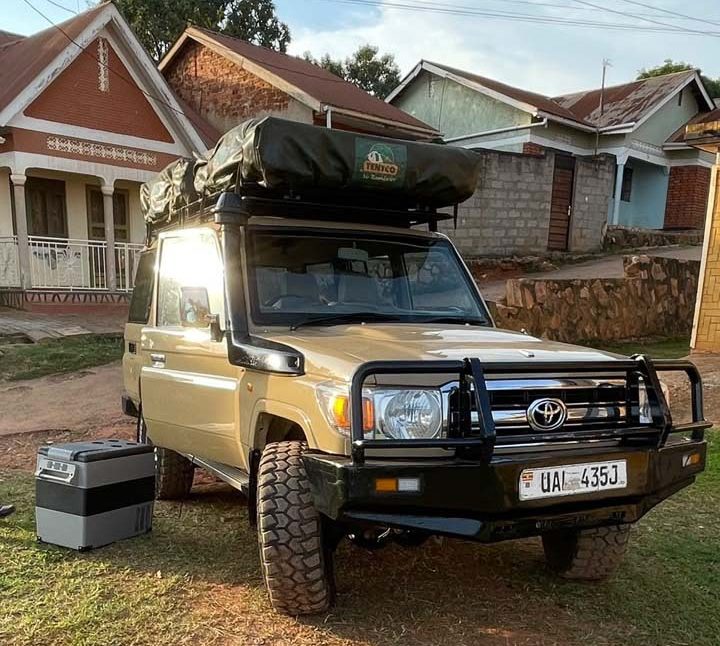
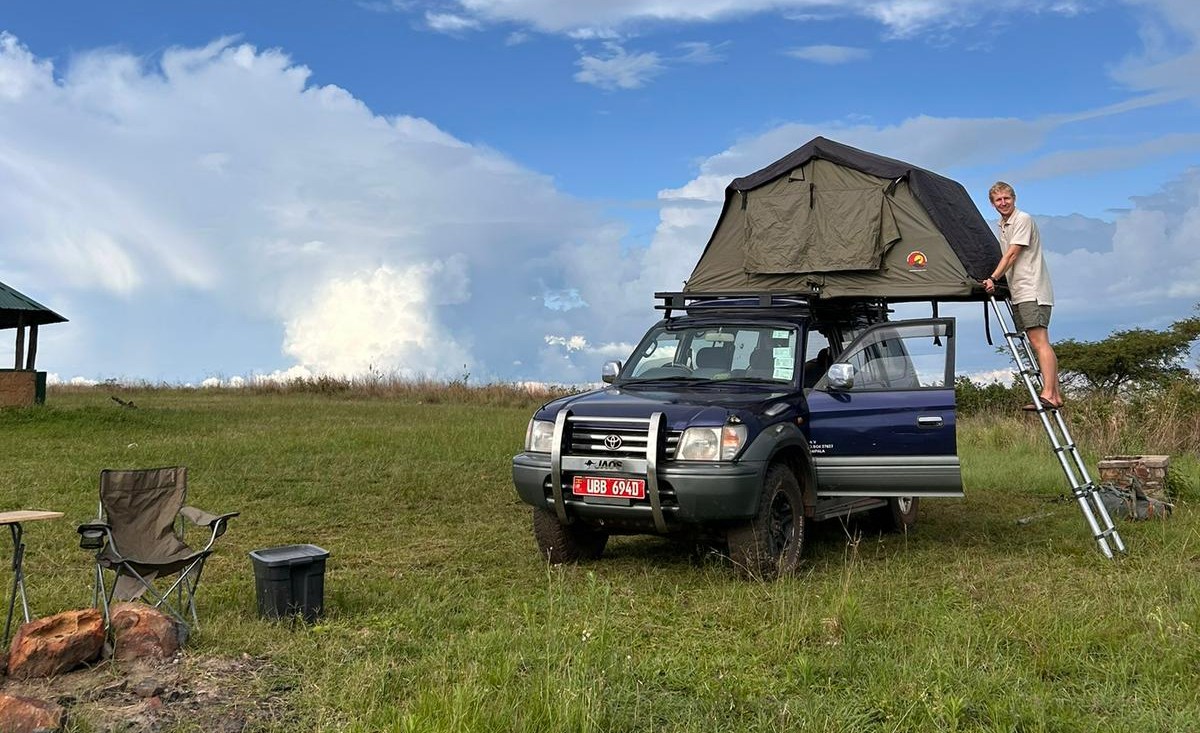
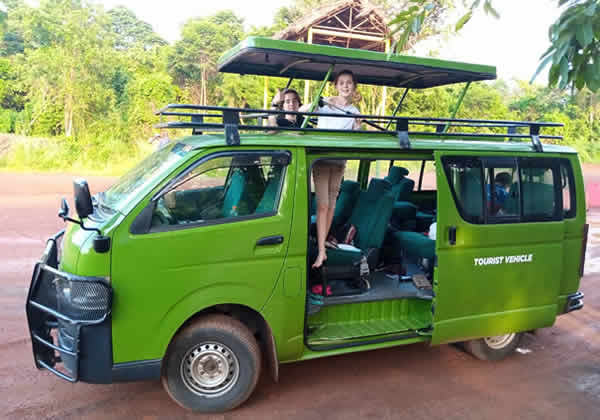
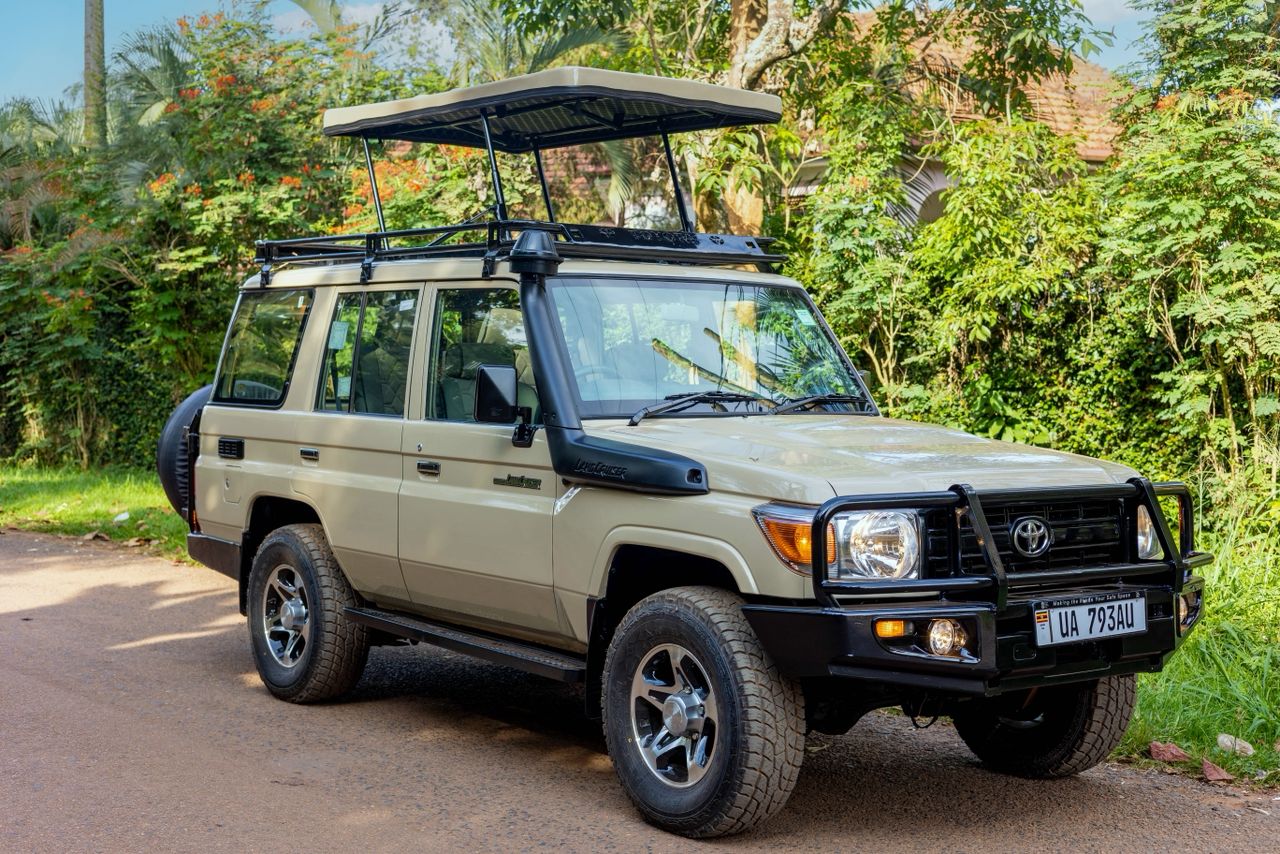
For this route, a reliable 4×4 safari vehicle is strongly recommended. A Toyota Land Cruiser, Toyota Prado, Land Cruiser Prado or another properly equipped 4WD can provide useful clearance and traction on park tracks. A rooftop-tent-equipped vehicle is especially practical for travellers who want to camp without carrying a separate ground tent.
Before departure, confirm that the rental vehicle includes a spare tyre, jack, wheel spanner, recovery equipment, basic tools, compressor, camping gear if requested, fridge or cooler where available, navigation capability and appropriate insurance. Do not assume every rental package includes every item: confirm the exact vehicle and equipment list before booking.
Detailed Safari Itinerary

Day 1 – Nairobi to Samburu National Reserve
Begin your 10 Days Kenya Self-Drive Safari by leaving Nairobi early and heading north toward Samburu. The journey is an important part of the adventure because the scenery changes progressively from the Nairobi metropolitan area to the drier landscapes of northern Kenya. Plan fuel, food and water stops before leaving the main highway.
Arrive in the Samburu area with enough daylight for an introductory game drive if park access and your arrival time permit. Samburu National Reserve is known for its distinctive dry-country scenery, the Ewaso Nyiro River, doum palms, rocky outcrops and wildlife adapted to the northern Kenyan environment. The county tourism information identifies several public and special campsites, including sites near Samburu Game Lodge, Butterfly, Vervet and Jua Kali, as well as special campsites such as Kimpla Geo, Aardvark and Grant.
Camping option: use a designated campsite and set up before darkness. Keep food securely stored and follow local wildlife-safety rules. Lodge alternative: Samburu Sopa Lodge, Samburu Game Lodge, Elephant Bedroom Camp, Samburu Intrepids or another suitable property in the reserve or its surroundings. Accommodation availability and access rules should be confirmed before travel.
Driving strategy: do not attempt to squeeze a full game drive into a late arrival. The priority on Day 1 is reaching camp safely, checking in and preparing for Day 2.
Day 2 – Full-Day Samburu Self-Drive Safari
Day 2 is dedicated to Samburu wildlife. Start early, carry water and food, and keep the vehicle prepared for a long morning drive. A self-drive safari works best when you move slowly, watch animal behaviour and avoid rushing between sightings.
The Ewaso Nyiro River is a useful geographic reference for exploring the reserve because water attracts wildlife and creates productive habitat. Look for elephants, giraffes, zebras, antelopes, buffalo and predators where conditions allow. Samburu is also associated with several northern-specialist species, so the destination adds a different wildlife character to the southern parks later in the itinerary.
Photography tip: carry binoculars, spare batteries or power banks, cleaning cloths and a camera with a flexible focal range. Dust can be significant, so protect cameras and keep windows closed when another vehicle is passing.
Camping night: return to your designated campsite with sufficient daylight. If using a rooftop tent, inspect the vehicle position before raising the tent, and keep cooking, food storage and waste management well organized. If you prefer comfort, use a lodge or tented camp instead.
Day 3 – Samburu to Ol Pejeta Conservancy
Leave Samburu after breakfast and drive toward Nanyuki and Ol Pejeta Conservancy. This is one of the most interesting transitions of the trip: you move from northern Kenya’s dry Samburu landscape into the Laikipia ecosystem.
Ol Pejeta confirms that visitors can arrive in their own cars and that its graded all-weather roads allow self-drive exploration. The conservancy also notes that some western and northern tracks can require a large 4WD during wet conditions. This makes a proper 4×4 a practical choice for an independent safari.
Aim to arrive early enough for an afternoon wildlife drive. Depending on your interests and current operating arrangements, plan time for rhino conservation experiences, chimpanzee sanctuary visits and other conservancy activities.
Camping options at Ol Pejeta include Ewaso, Hippo Hide, Mbogo, Murera Donga, Ol Lerai and other designated sites listed by the conservancy. Ol Pejeta states that an armed ranger is mandatory for its camping experience and currently lists a ranger charge of KSh 5,000 per ranger per night; confirm the current fee and booking conditions before travel.
Lodge alternatives include The Stables for basic budget accommodation, Sweetwaters Serena Camp, Ol Pejeta Bush Camp, Kicheche Laikipia Camp, Porini Rhino Camp, Ol Pejeta Safari Cottages, Pelican House, River Camp and other properties listed by the conservancy.
Day 4 – Full-Day Ol Pejeta Self-Drive Safari
Spend the fourth day inside Ol Pejeta rather than rushing to another park. This is important because a 10-day Kenya self-drive safari should not become a list of road transfers. A full day gives you time to explore different sections of the conservancy, take breaks and schedule conservation experiences.
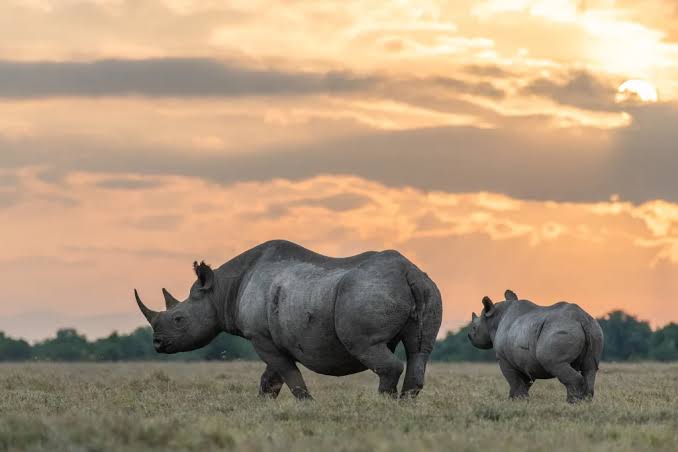
Ol Pejeta is particularly significant for rhino conservation. The conservancy’s visitor experiences and conservation programs can add an educational dimension to the wildlife drive. Follow all ranger instructions and respect wildlife distances.
For independent drivers, the best approach is to download or obtain the current conservancy map, understand the marked roads and ask staff about seasonal track conditions. Avoid driving into tracks that are unsafe for your vehicle or that are closed.
Camping option: spend a second night at a designated Ol Pejeta campsite if your booking permits. The conservancy states that its campsites are booked exclusively for one group at a time and recommends confirming availability ahead of arrival.
Day 5 – Ol Pejeta to Lake Nakuru National Park
Leave Ol Pejeta and drive south-west toward Lake Nakuru. The route passes through changing highland scenery and eventually reaches the Rift Valley. Allow sufficient time for traffic, fuel and road conditions because this is a transfer day as well as a safari day.
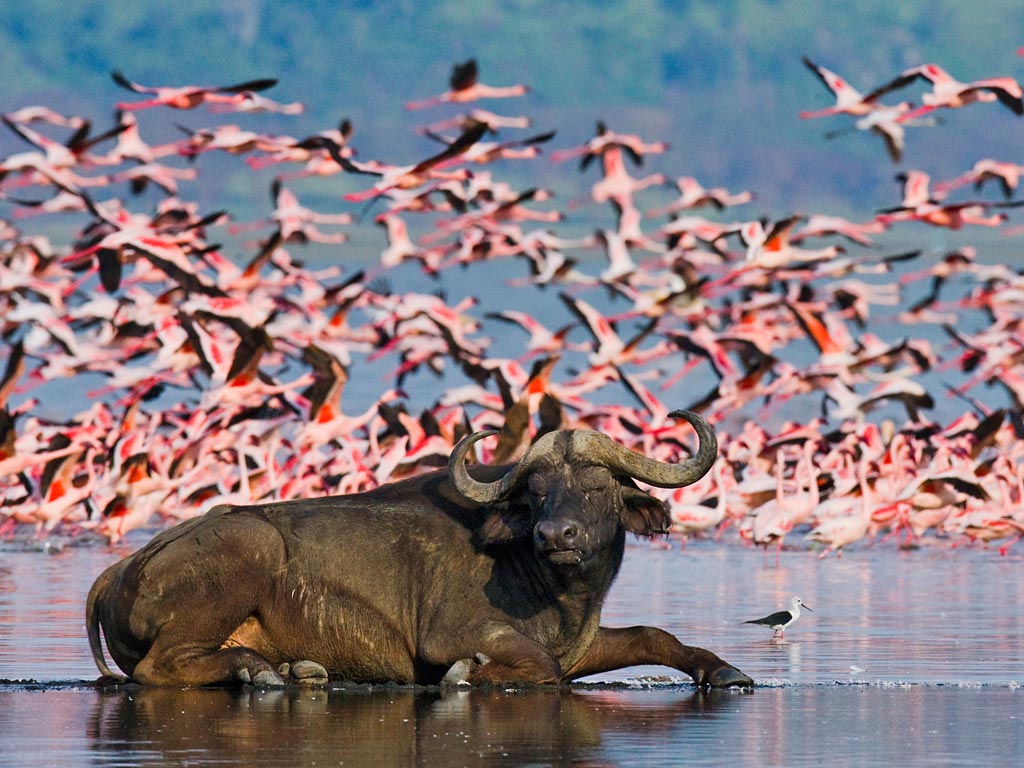
Lake Nakuru National Park is a strong addition to a Kenya self-drive itinerary because it combines lake scenery, woodland, grassland, birdlife and rhino habitat. KWS identifies approximately 450 bird species and highlights Makalia Waterfalls, viewpoints and its rhino sanctuary.
If you arrive with enough daylight, take an afternoon game drive. Avoid entering late simply to say you entered the park: park access, gate procedures and overnight arrangements matter more than squeezing in a short drive.
Camping option: KWS lists Makalia as a public campsite and Reedbuck, Naishi, Rhino, Chui, Soysambu, Kambi Nyuki and Kambi Nyati as special campsites. Lodge alternatives listed by KWS include Lake Nakuru Lodge, Lake Nakuru Sopa Lodge, Sarova Lion Hill and other properties.
Day 6 – Lake Nakuru to Tsavo
Day 6 is the longest logistical section of this itinerary. Tsavo is far from Lake Nakuru, so start early. For travellers determined to complete all five destinations in ten days, careful time management is essential.
Break the drive into manageable sections. Refuel before leaving major towns, carry drinking water and keep snacks accessible. A self-drive safari vehicle should be treated as a mobile safety system: inspect tyres, engine fluids, lights and recovery equipment before the long transfer.
Depending on your exact route and arrival time, choose the Tsavo gate and accommodation that best fits your next day’s game drive. Tsavo East is particularly logical if you want a large wilderness experience before continuing toward Amboseli.
If you reach your Tsavo campsite or lodge late, do not attempt an unnecessary night drive unless you have a properly arranged, authorized experience. Use the evening to rest and prepare for an early game drive.
Day 7 – Full-Day Tsavo East Self-Drive Safari
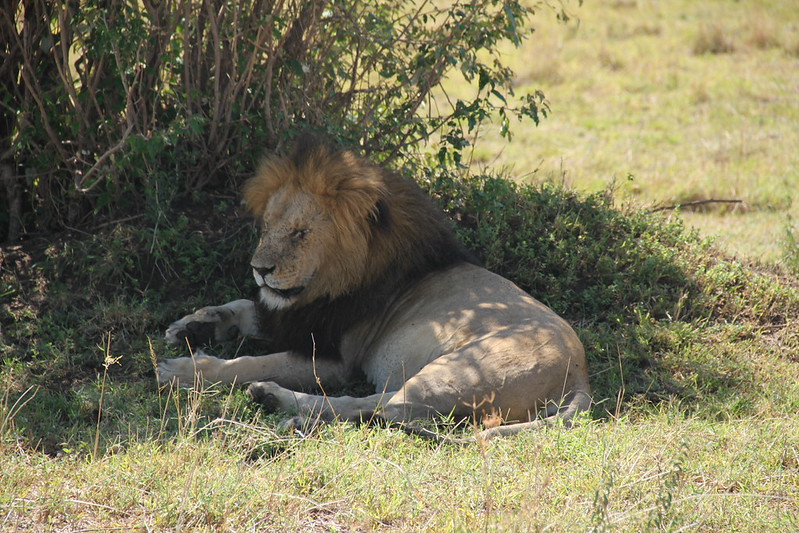
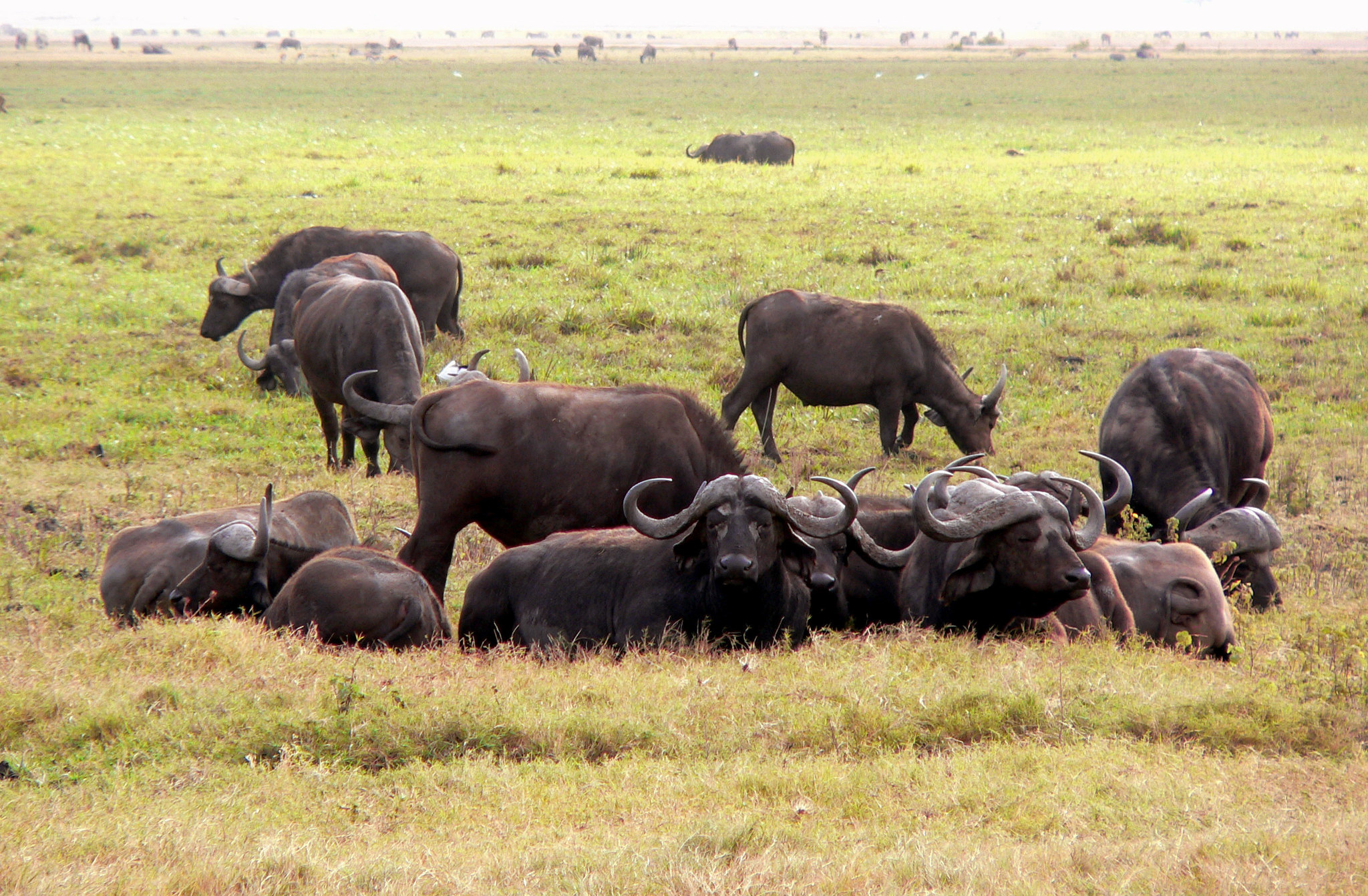
Spend Day 7 exploring Tsavo. KWS highlights attractions including Aruba Dam, Mudanda Rock and Lugard’s Falls, while the park’s expansive landscape provides a very different safari experience from Samburu, Ol Pejeta and Lake Nakuru.
For a self-drive safari, begin early. Wildlife is often easier to locate when temperatures are cooler, and early driving also gives you more time to explore without rushing.
Camping option: KWS currently lists Ndololo as a public campsite in Tsavo East, with special campsites including Makoka and Roka in the northern section and Lugards, Epiya Chepeyo, Mbololo, Durusikale and Thabagunji in the southern section. Confirm which sites are currently bookable and accessible for your travel dates.
Lodge/tented-camp alternatives include Voi Safari Lodge, Ashnil Aruba Lodge, Satao Camp and Galdessa Tented Camp, among other properties. Choose accommodation based on the gate you plan to use the following morning.

Day 8 – Tsavo to Amboseli National Park
After an early breakfast, begin the drive toward Amboseli. The objective is to arrive early enough for an afternoon game drive and, if weather permits, photography of Mount Kilimanjaro. Amboseli’s landscape is especially attractive when the mountain is visible above the plains.
KWS identifies Iremito, Kimana and Meshanani as access gates. The approach you choose should depend on your previous Tsavo location, accommodation and the road conditions on your travel date.
Camping option: KWS lists an Amboseli public campsite. Lodge alternatives include Ol Tukai Lodge, Amboseli Serena Lodge, Kilima Safari Camp, Tawi Lodge, Tortilis Camp, Sentrim Amboseli, Kibo Villa and other accommodation properties listed by KWS.
For a self-drive traveller, the best accommodation is usually the one that reduces unnecessary driving at the end of the day and positions you conveniently for the next morning’s game drive.
Day 9 – Full-Day Amboseli Self-Drive Safari
Day 9 is the final full safari day and should be used efficiently. Amboseli is famous for its elephant-rich ecosystem and spectacular views toward Mount Kilimanjaro when the skies are clear.
Leave camp early and spend the morning exploring. Use designated roads and viewing areas, keep a respectful distance from elephants and other animals, and never leave the vehicle in an undesignated location.
Return for lunch and a short rest if practical, then continue with an afternoon drive. The late afternoon can provide excellent photographic light, particularly across open plains and wetland areas.
Camping night: return before dark and secure your camp. Lodge alternative: choose one of the park-area lodges or tented camps. If your flight or onward travel is early on Day 10, pack most of your luggage tonight.
Day 10 – Amboseli to Nairobi
Wake early for a final short game drive if your departure schedule allows. Then pack the rooftop tent or camping equipment carefully and begin the journey back toward Nairobi.
Allow extra time for traffic as you approach Nairobi. If the vehicle is being returned at a specified time, build a generous buffer. Before handing back a rental 4×4, check the vehicle interior, roof tent, camping equipment, spare wheel, recovery gear and personal luggage.
Your 10-day Kenya self-drive adventure ends in Nairobi, leaving you with a route that has covered northern Kenya, Laikipia, the Rift Valley and two of Kenya’s major southern safari ecosystems.
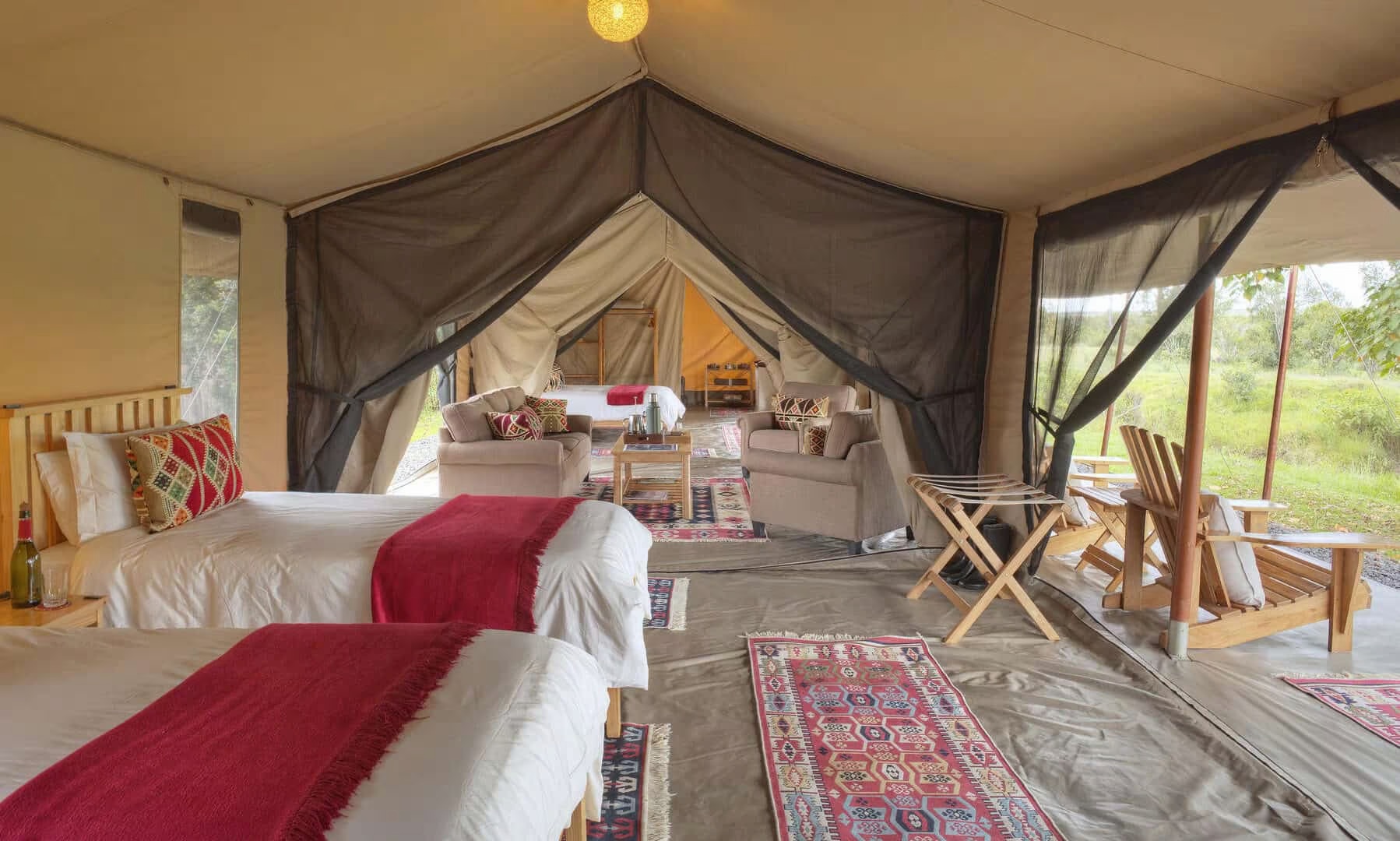
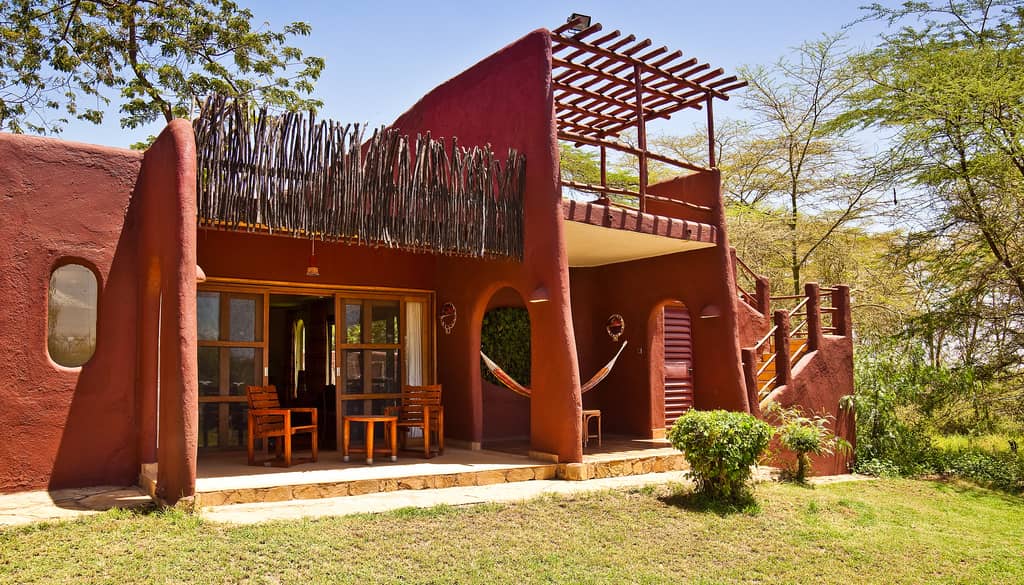
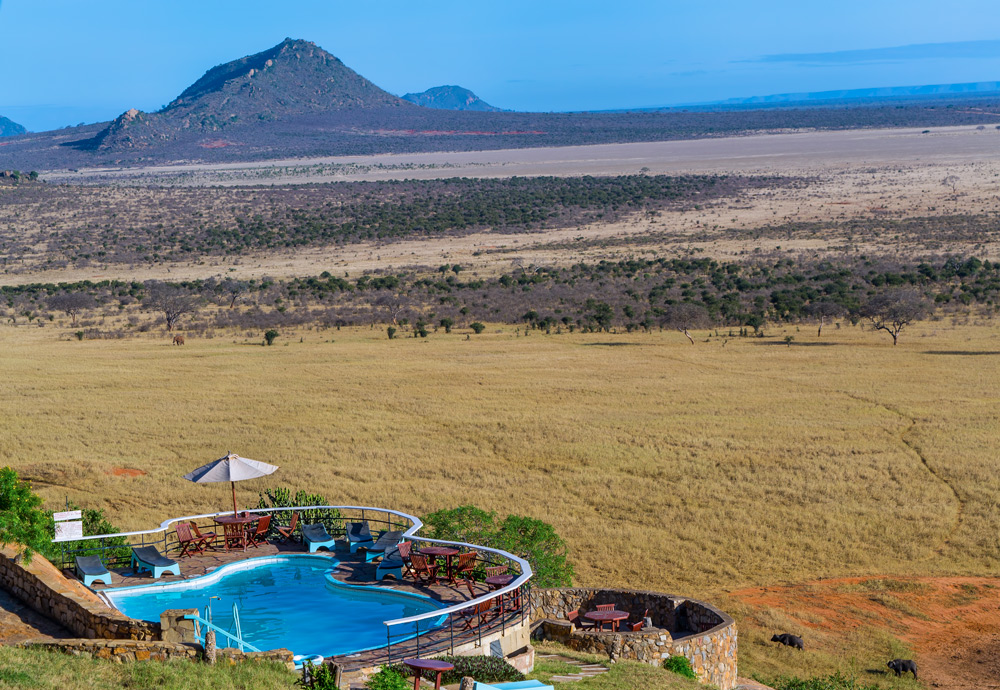
Camping & Lodging Options by Destination
| Destination | Camping Options | Lodging Alternatives |
|---|---|---|
| Samburu | Public/special campsites around Samburu; confirm current access | Samburu Sopa Lodge; Samburu Intrepids; Elephant Bedroom Camp; Samburu Game Lodge |
| Ol Pejeta | Ewaso; Hippo Hide; Mbogo; Murera Donga; Ol Lerai and other designated sites | The Stables; Sweetwaters Serena; Ol Pejeta Bush Camp; Kicheche Laikipia; Porini Rhino Camp; Pelican House |
| Lake Nakuru | Makalia public campsite; Reedbuck, Naishi, Rhino, Chui, Soysambu, Kambi Nyuki, Kambi Nyati special sites | Lake Nakuru Lodge; Lake Nakuru Sopa Lodge; Sarova Lion Hill; The Cliff; Flamingo Hill |
| Tsavo East | Ndololo public campsite; several special campsites | Voi Safari Lodge; Ashnil Aruba; Satao Camp; Galdessa |
| Amboseli | Amboseli public campsite | Ol Tukai Lodge; Amboseli Serena; Kilima Safari Camp; Tawi; Tortilis; Sentrim Amboseli |
How to Make This Kenya Self-Drive Safari More Affordable
- Use a rooftop tent for several nights instead of booking a lodge every night.
- Mix camping with budget accommodation rather than choosing luxury properties throughout.
- Buy fuel and basic food supplies in major towns before entering remote safari areas.
- Use a cooler or portable fridge where practical so you can carry breakfast and lunch supplies.
- Share the vehicle and campsite costs among compatible travellers.
- Book park and conservancy access in advance and confirm current rates before departure because fees can change.
- Avoid unnecessary backtracking by selecting accommodation near your next day’s exit or entry gate.
Self-Drive Safety Rules & Responsible Safari Driving
Self-drive safari is independent travel, not unrestricted off-road driving. Stay on authorized tracks, obey park speed limits, respect gate opening and closing times, and follow instructions from park rangers and conservation staff.
Lake Nakuru KWS guidance, for example, requires visitors to remain in vehicles except in designated areas, keep to established roads, respect wildlife viewing distances, and observe a 40 km/h maximum speed limit. KWS also states that visitors should carry out their trash and must not feed wildlife.
- Never approach elephants, lions, buffalo, rhinos or other dangerous wildlife on foot.
- Do not drive between animals or block their movement.
- Never leave food exposed around camp.
- Do not drive off-road simply to obtain a closer photograph.
- Carry sufficient water and a first-aid kit.
- Have a reliable means of communication.
- Check weather and road conditions each morning.
- Keep recovery equipment accessible rather than buried beneath luggage.
- Tell your accommodation where you are going when heading into remote areas.
- Respect local communities and wildlife conservation rules.
What to Pack for a Kenya 4×4 Camping Safari
- Passport, visas/entry documents and travel insurance
- Driving licence and required rental documentation
- Lightweight clothing plus warm layers for cool highland mornings
- Rain jacket
- Closed walking shoes
- Sun hat and sunglasses
- Sunscreen and insect repellent
- Binoculars
- Camera and spare batteries
- Power banks and charging cables
- Headlamp or torch
- Reusable water bottles
- Personal medication and first-aid supplies
- Small cooler or fridge if supplied with the vehicle
- Sleeping bag or suitable bedding if required by the rental package
- Camping stove and cooking equipment if not supplied
- Waste bags
- Navigation device or offline maps
- Basic vehicle recovery equipment
Best Time for This 10-Day Kenya Self-Drive Safari
Kenya can be visited year-round, but road conditions, wildlife viewing, rainfall and camping comfort vary by season. For a self-drive itinerary, the most important consideration is not simply the weather forecast but the condition of individual park tracks and access roads.
Dry periods can make some dirt tracks easier to navigate but may also produce dust and concentrated wildlife around water. Rain can transform landscapes and improve scenery but can make minor tracks slippery or difficult. Ol Pejeta specifically advises that its smaller bush tracks can become tricky when wet, while larger all-weather roads remain more dependable.
Who Is This 10-Day Kenya Self-Drive Safari For?
- Couples seeking an independent African road trip.
- Friends travelling together and sharing a 4×4 and campsite.
- Families experienced with long-distance road travel.
- Photographers who want flexible time at wildlife sightings.
- Overlanders adding Kenya to a wider East African journey.
- Travellers who want to combine camping and lodges.
- Visitors comparing Kenya self-drive safari options with guided safaris.
Frequently Asked Questions
Can I do this itinerary with a 4×4 rental car?
Yes. The itinerary is specifically structured around a 4×4 self-drive vehicle. Confirm that your rental company permits the vehicle to enter each park and conservancy and check the insurance and recovery conditions.
Is camping better than staying in lodges?
Camping and lodging serve different travel styles. Camping offers greater independence and can reduce accommodation costs, while lodges provide beds, meals and easier evening routines. Mixing both is practical for a 10-day road trip.
Do I need a rooftop tent?
No. A rooftop tent is convenient but not mandatory. You can use a ground tent where permitted, provided the campsite accepts your setup and you have the required equipment.
Can I self-drive inside Ol Pejeta?
Yes. Ol Pejeta states that visitors can come in their own cars and use its marked road network. Wet conditions can make smaller bush tracks difficult, so follow conservancy guidance.
Where can I camp at Lake Nakuru?
KWS lists Makalia as a public campsite and several special campsites including Reedbuck, Naishi, Rhino, Chui, Soysambu, Kambi Nyuki and Kambi Nyati.
Where can I camp in Tsavo East?
KWS currently lists Ndololo as a public campsite and several special campsites. Confirm current availability and access before travel.
Where can I camp in Amboseli?
KWS lists an Amboseli public campsite. Confirm booking and current conditions before departure.
How many kilometres will I drive?
The exact distance depends on your Nairobi starting point, chosen gates, accommodation and local game-drive routes. Do not plan this itinerary using only intercity road distance; park driving can add substantial kilometres.
Is this itinerary suitable for first-time self-drivers?
It can be, but first-time safari drivers should prepare carefully, avoid rushing, understand wildlife safety and choose a properly equipped 4×4 with dependable navigation and recovery gear.
Should I book campsites in advance?
Yes. Campsites can have limited capacity, and some are exclusive-use or require special arrangements. Confirm availability before travelling.
Can I replace camping with lodges?
Yes. Each destination has lodge or tented-camp alternatives, allowing you to create a mixed accommodation itinerary.
Ready to plan your Kenya 4×4 self-drive safari?
Request a free quote for a properly equipped 4×4, rooftop tent or camping setup, route planning and vehicle rental support. Tell us your travel dates, number of travellers, preferred camping/lodge balance and whether you want a Toyota Land Cruiser, Prado, Hilux or another 4×4.