Car Hire in Rwanda: A 4x4 Guide to Best Rwanda Car Rentals
Tucked in the heart of East Africa, is Rwanda, a small but striking country that has built a reputation for having the cleanest city, hospitable natives, and some of the world’s most rewarding wildlife experiences. From the misty slopes of Volcanoes National Park, home to the mountain gorillas, to the Big Five’s home of Akagera, the serene waters of Lake Kivu, and the ancient rainforest canopy of Nyungwe, Rwanda offers an extraordinary scenery you can cross in a few days’ with either a self or guided drive. It is really a rewarding destination for travellers who wish to move at their own leisure.
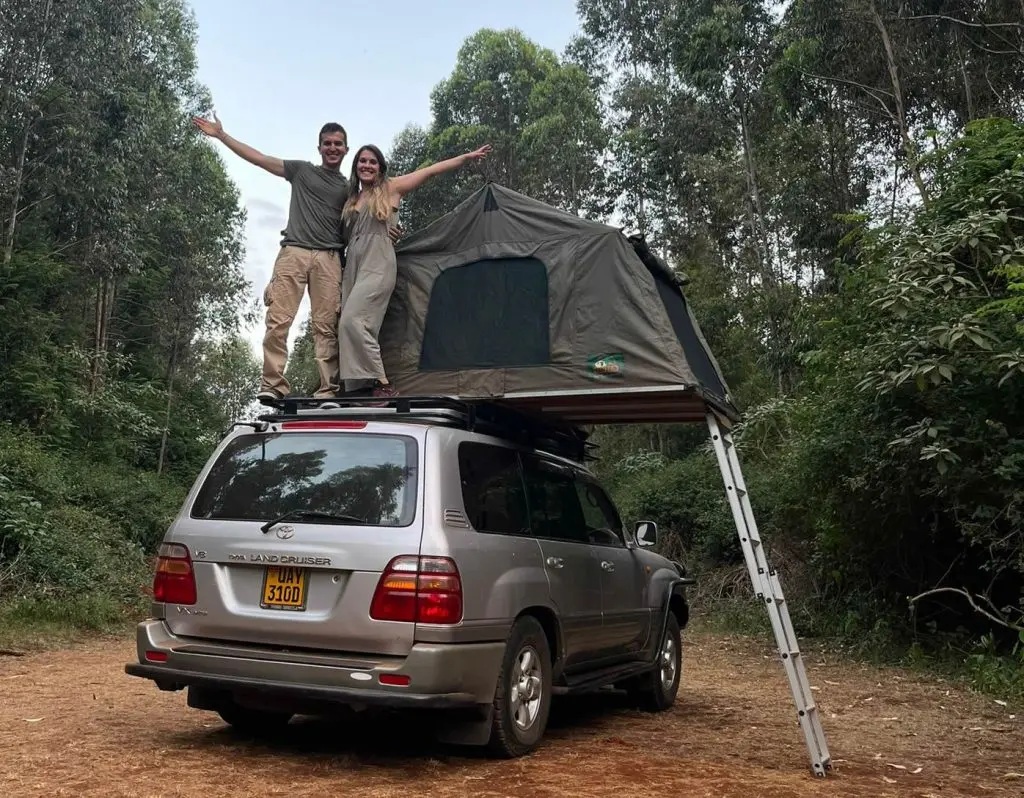
Rwanda’s attractions are more spread across the country rather than being clustered in one region, and a rented vehicle gives you the freedom to link them together on your own schedule. Whether you’re planning a wildlife safari, a business trip, a family holiday, or a cross-country adventure, Self-drive and chauffeur-driven rentals are both well established in Rwanda, with a wide range of vehicles available, from economy city cars to rugged 4x4s built for park roads and rooftop-tent camping trips, you can experience the country’s beauty.
Recommended safaris

Explore Rwanda’s Wildlife, Gorillas and Hidden Wonders
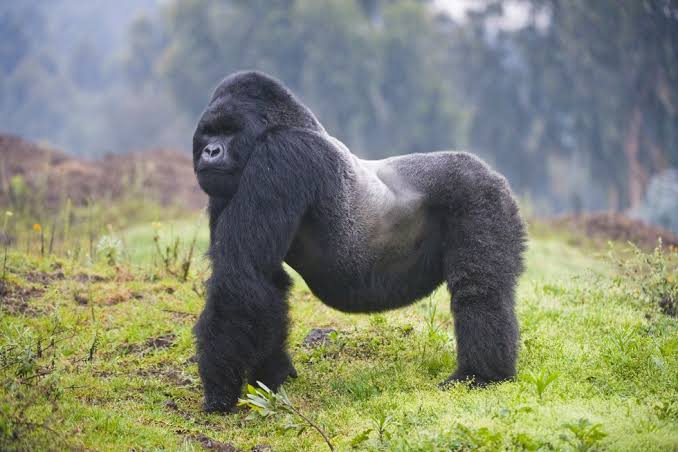
Explore Rwanda’s Wildlife, Gorillas and Hidden Wonders There is a distinct moment that occurs for almost every traveler who flies into Kigali for the very first time. The aircraft banks low over a landscape that resembles less of a standard country and more of a rumpled, vibrant green blanket that has been shaken out and left to settle across rolling hills stretching as far as the eye can see. These hills are meticulously terraced with tea fields and banana groves, threaded seamlessly with rich red dirt roads, and dotted with corrugated tin roofs that catch the brilliant afternoon light. Visitors invariably find themselves pressing their foreheads against the cabin window, only for a seasoned seatmate to smile and offer the classic greeting: “Welcome to the land of a thousand hills”. This phrase is not merely a marketing exaggeration; Rwanda genuinely possesses over a thousand hills—and likely considerably more. However, what consistently surprises newcomers is not the topography itself, but everything else. The extraordinary cleanliness of the streets, the quiet efficiency of the capital city, and the immediate sense that this nation has thought deeply about its identity and is intentionally building toward a prosperous future. Rwanda does not fit the outdated narratives that outsiders sometimes picture upon hearing its name, and that profound gap between reputation and reality is precisely why it has emerged as one of Africa’s most compelling travel stories. This is a country that can easily be fallen in love with over the course of a week, and one that generously rewards a slower, more immersive two-week stay. Kigali: The Cleanest Capital in Africa and a City That Faces Its History Most comprehensive itineraries begin and end in Kigali, and rightfully so, because this urban center deserves far more than a routine one-night layover. Sprawling across several hills, every neighborhood in Kigali possesses its own microclimate and distinct perspective. Traveling from one district to another frequently involves a satisfying downhill coast followed by a steady climb that serves as a reminder of the city’s high elevation of approximately 1,500 meters. The Kigali Genocide Memorial The Kigali Genocide Memorial The single most essential stop in Kigali—and arguably throughout the entire nation—is the Kigali Genocide Memorial located in Gisozi. This is not a destination visited for light entertainment, and any honest travel guide must acknowledge that reality. The memorial safeguards the physical remains of more than 250,000 victims who perished during the 1994 genocide against the Tutsi. It narrates this dark chapter with a profound clarity and emotional honesty that fundamentally transforms almost every visitor. Exhibits trace events chronologically, moving from the origins of ethnic division sown under colonial rule through the harrowing days of the genocide and onward into the nation’s ongoing reconciliation journey. A dedicated wing focuses specifically on children, displaying photographs and intimate biographical sketches that are deeply moving. Visitors are advised to allocate at least two hours for this experience and to allow themselves quiet time afterward to process the heavy emotional impact before engaging in conversation. Contextualizing Modern Rwanda Visiting the memorial is vital because it recontextualizes everything a traveler observes afterward in Rwanda. The pristine cleanliness of the streets, the strict nationwide ban on single-use plastic bags enforced since 2008, the mandatory community service days known as umuganda held on the final Saturday of every month, and the extraordinary representation of women in Parliament—giving Rwanda one of the highest percentages of female legislators globally—are not incidental features. They represent the visible outcomes of a collective national endeavor to rebuild trust, civic institutions, and identity from the ground up. Walking through Kigali with this historical and cultural context creates an entirely different appreciation of the city. Modern Design, Arts, and Dining On a lighter note, Kigali has evolved into a thriving design and culinary destination. The Inema Arts Center in Kacyiru operates as an active studio and gallery space established by two local brothers, standing out as one of the premier locations across the African continent to purchase contemporary art directly from the creators. Kimironko Market offers a vibrant sensory experience filled with textiles, fresh produce, and colorful energy. First-time visitors benefit greatly from exploring the market with a local guide, both for easy navigation and fair pricing. Additionally, the city’s restaurant scene has matured significantly, offering everything from traditional Rwandan comfort food featuring cassava, beans, and grilled goat to exceptional Ethiopian, Indian, and ambitious fine-dining establishments run by internationally trained chefs. Volcanoes National Park: One Hour with the Mountain Gorillas The primary draw for many travelers booking a ticket to Rwanda is the opportunity to encounter mountain gorillas. Situated in the nation’s northwestern region, Volcanoes National Park forms an integral part of the Virunga Massif—a chain of volcanic peaks, several of which remain active, blanketed by dense montane forests and bamboo thickets spanning the borders of Rwanda, Uganda, and the Democratic Republic of Congo. This protected habitat is one of only two places on Earth where mountain gorillas survive in the wild, with Rwanda supporting more than a dozen habituated families open for trekking. Trekking Logistics and Conservation Impact Understanding the logistical framework of gorilla trekking is essential. International visitor permits cost $1,500 per person, a fee that functions far beyond a standard park entrance ticket. These funds directly support anti-poaching patrols, continuous veterinary monitoring of the gorilla population, and vital community development projects in villages bordering the park. This robust funding model is a primary reason why mountain gorillas are among the few great ape populations globally experiencing population growth rather than decline. To protect the animals, Rwanda strictly limits trekking groups to a maximum of eight people per gorilla family per day. Because permits sell out months in advance during the peak dry seasons from June through September and December through February, securing bookings three to six months ahead through a licensed operator or the Rwanda Development Board is strongly recommended. Furthermore, periodic promotional pricing structures are occasionally introduced for East African Community citizens and other African nationals, making the
What You Should Know Before Hiring a Car
1. Choose the Right Vehicle for Your Trip
As you choose a vehicle, you should not only look at your budget but also consider your route. An economy SUV is perfectly fine for getting around Kigali or driving the main tarmac highways, but if your itinerary includes places with harsh terrain like the savanna parks , some parts of Volcanoes National Park, and long distance drives to Nyungwe, a 4×4 is a better and safer choice. Some park access roads and rural routes are rugged or filled with dirt, and always muddy and slippery during the rain season.
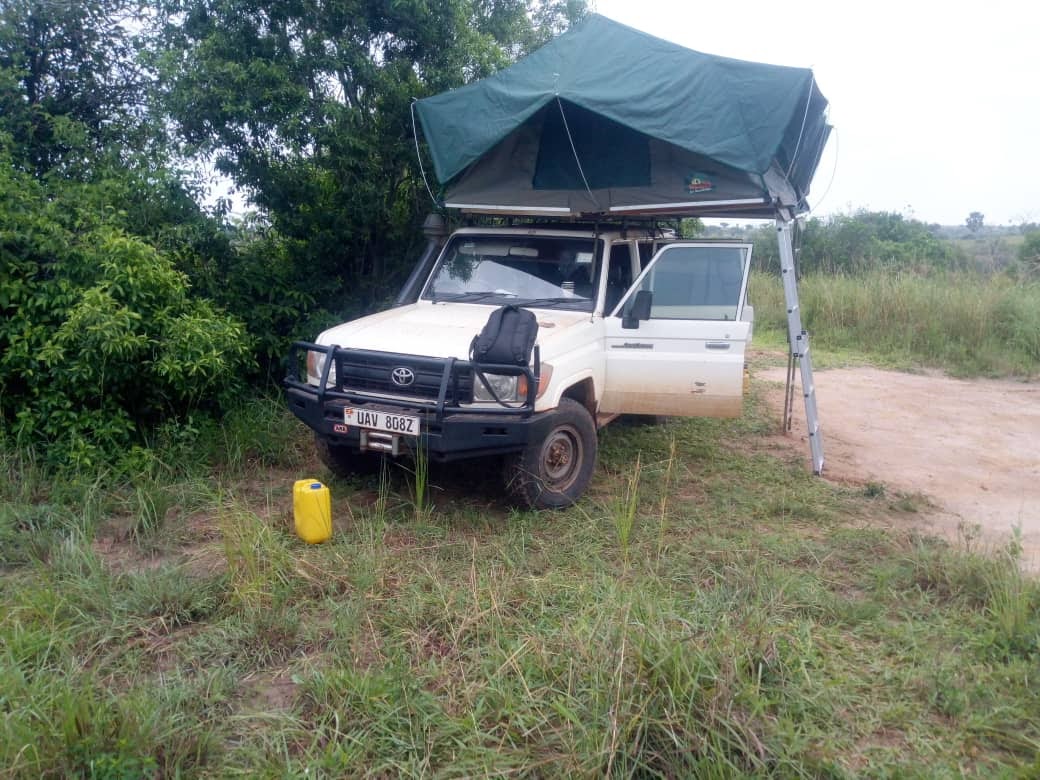
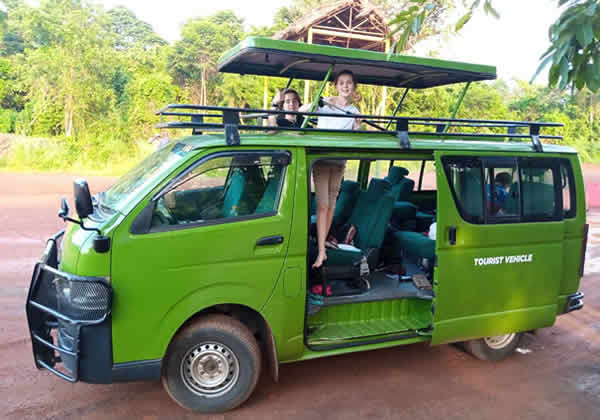
Group travellers and travellers opting for camping, their trips do better with 4×4 land cruisers or similar solo travellers or couples on a budget often choose smaller SUV as they are economical to run though at times come with an elevated rental cost due to their privacy and comfort. It’s always good to have a comparison of different vehicle classes before your final decision.
2. Why You Should Consider Advance Vehicle Booking
Reserving your vehicle in advance is one of the simplest ways to get a better rate and a wider choice of cars. This matters even more during the dry seasons, roughly June to August and December to February, which are the busiest months for gorilla trekking and safaris and car rental prices and choices are so competitive. Booking ahead helps you confirm your preferred vehicle type rather than settling for whatever is provided on arrival.
3. Getting Comfortable with Right-Hand Side Driving in Rwanda
Un like other East African countries, Rwanda drives on the right-hand side of the road, which can take some adjusting if you’re used to driving on the left. It’s worth practicing in less busier areas before joining the main traffic roads. Roundabouts are common, especially in Kigali, and the vehicle already inside the roundabout always has the right of way. If you’re not confident with is, inform your rental company in advance to provide a driver before making mistakes that will lead to traffic fines.
4. Know the Age and Licensing Rules
Age requirements vary by rental company, but most set the minimum at somewhere between 21 and 25 years old, though some ask for at least two years of driving experience on top of the desired driving age. There’s typically an upper age limit too, often in the 65 to 70 range, mainly for insurance purposes. If you fall outside a company’s accepted age bracket, a chauffeur-driven rental is considered best for you to have a successful trip. A valid driver’s license from your home country, and an International Driving Permit (IDP) is highly recommended, particularly if your license isn’t in English or French. Foreign licenses are generally usable for a limited time after arrival; if you’re staying longer term, you may need to convert to a Rwandan license through the relevant transport authority.
5. Don’t Leave Valuables in the Car
Make sure you do not leave any personal valuables in the vehicle though this can happen after tiring long drives as you get into the hotel. Stepping out at a hotel or restaurant with your phone, wallet, or travel documents. Always lock the car well and check of the car every time you step away from it. At the end of the rental period, check the vehicle thoroughly well to avoid leaving behind your property as recovering them may not be easy after the same vehicle being rented to another traveller.
6. Choose Your Transmission
Rental companies offer both manual and automatic transmission vehicles with automatics being the more common but slightly pricier option. If you’re comfortable driving manual, it can work out cheaper, but it’s worth confirming availability in advance since automatic transmission fleets tend to be larger. Choose what works best for your driving experience.
7. Understand the Insurance policy and Deposit Setup
Nearly all reputable rental companies include some form of insurance in the rental price, often covering third-party liability, theft, and collision damage, but coverage details vary, so it’s worth asking exactly what’s included before you sign. Many companies also ask for a refundable security deposit, payable by card or cash, which is returned once the vehicle is handed back undamaged. This calls for proper observation and understanding the contents of the rental agreement before signing. All the insurance policies and other deductables. Most tour operators do not offer full comprehensive insurance, so expect liability in some situations.
8. Planning Cross-Border Travel and Chauffeur Services
If you are planning to extend your adventure to Rwanda’s neighbours like Uganda, Kenya, Tanzania, DR Congo or Burundi, you must know that not all rental companies have this offer. You should give a specific itinerary to your rental company, for proper cross-border documentation like the insurance policy, visa, comesa and vehicle paperwork.
9. Consider hiring a driver
If you are a first-time visitor to Rwanda, it’s advisable to hire a driver to take to your planned destinations, this makes your trip easier. Local drivers know more tourist attractions in the country, road conditions, security issues, this allows you to sit back and relax as you enjoy the country’s beautiful scenery.
10. Use GPS Navigation
Though Rwanda has proper road signs at various spots, Using the GPS and google maps make travelling easier. Travellers are advised to download offline maps to use them especially in rural areas where internet coverage is limited.
11. Consider fuelling up before travelling to remote areas.
Fuel stations are commonly found in the city and the major towns. Its always good to fuel your rented vehicle to full tank as rural areas and some national parks don’t have fuel stations.
12. Inspect the vehicle before driving away.
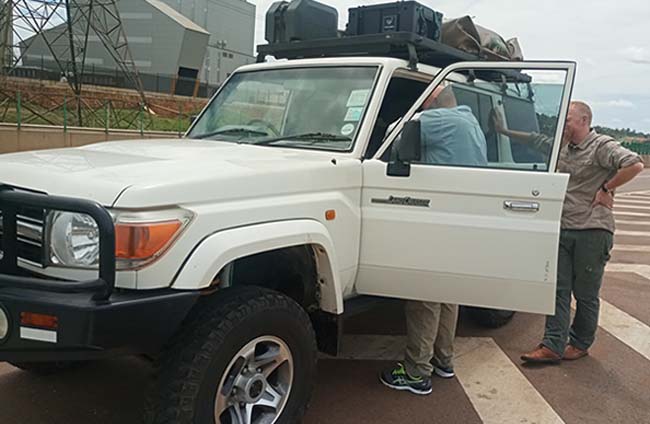
Before starting your trip, walk around the vehicle with the company representative as you check and record for: tyre conditions, scratches and dents, mirrors, lights, spare tyre, emergency equipment (car jack, spanner, first aid box, etc…), fuel level among others. Take photos and short videos to make sure the vehicle is in good condition.
Recommended 4×4 Fleet for Your Rwanda Expedition
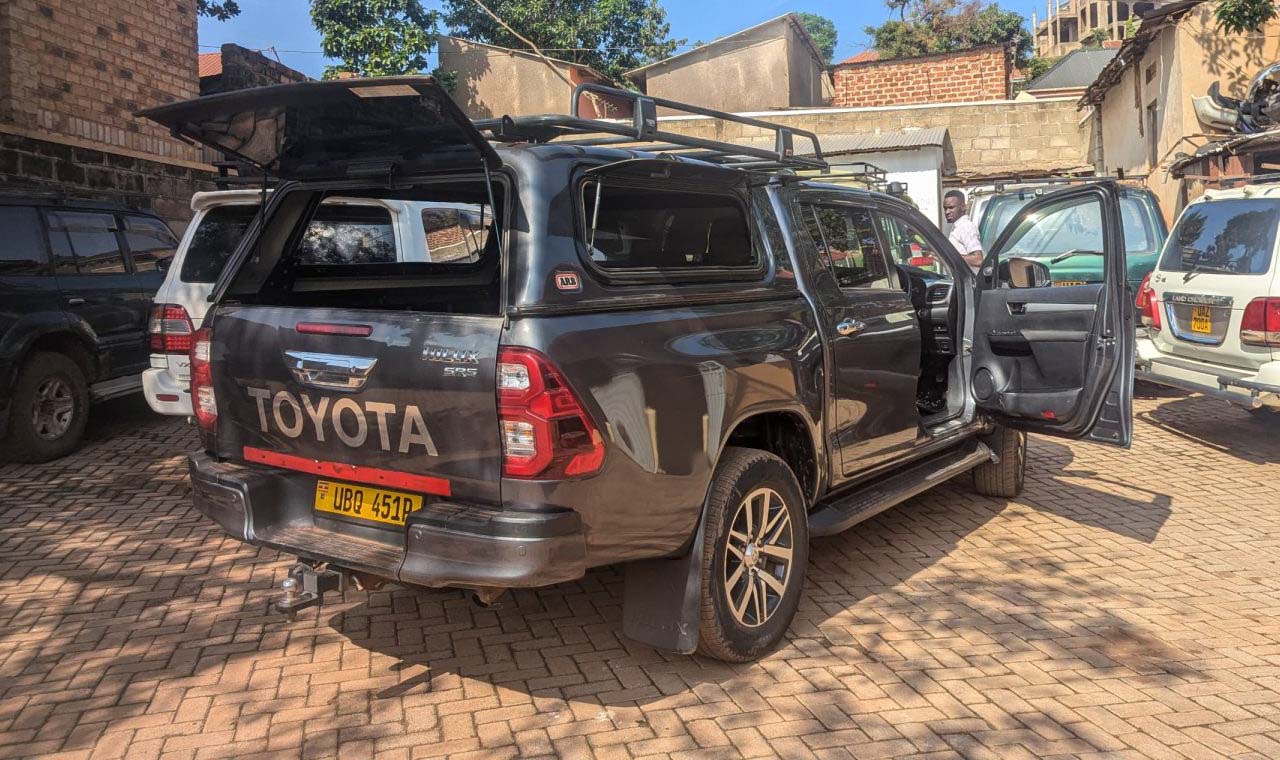
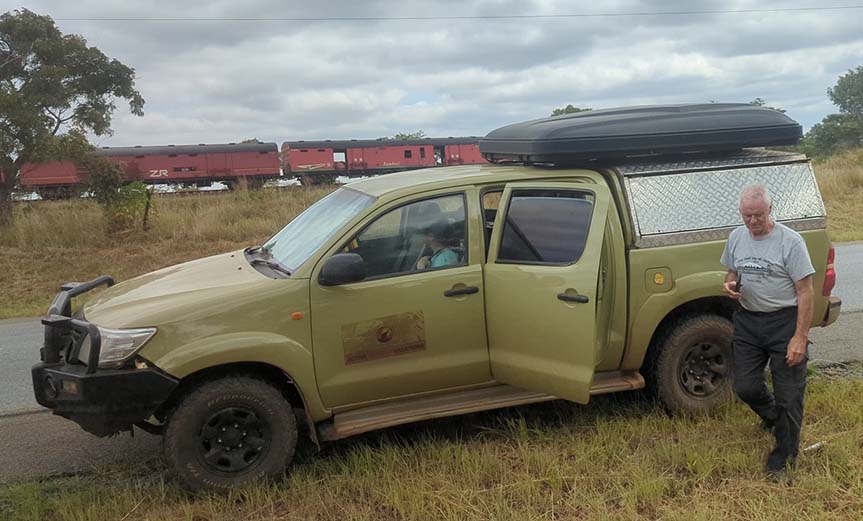
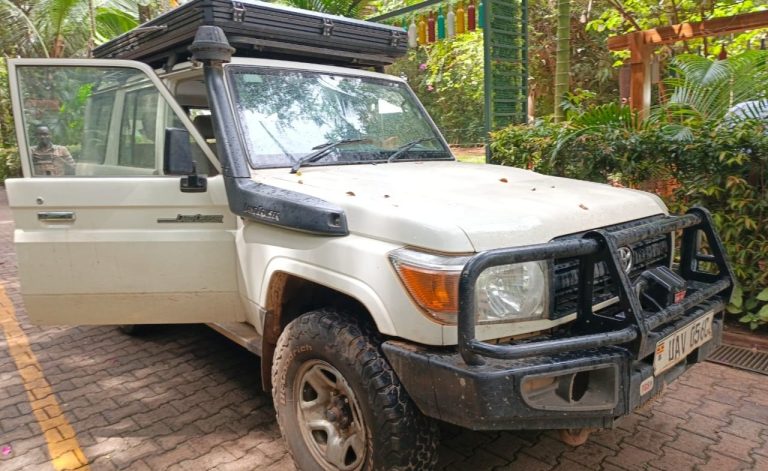
Conquering Rwanda’s diverse terrain—from the paved highways of Kigali to the rugged, muddy tracks of Volcanoes National Park and Akagera—demands a dependable vehicle. Explore our carefully selected range of well-maintained 4x4s, equipped to handle your self-drive safari safely, comfortably, and in style.
Frequently Asked Questions About Car Hire in Rwanda
- Can foreigners hire a vehicle for self-drive in Rwanda? Self-drive rentals are available for both locals and international travellers. Self driving is widely available and a popular way to explore the country independently. Several rental companies of different vehicles at different rates, from city cars to fully kitted-out 4x4s for safari routes. foreign visitors are recommended to have an international driving permit.
- Is it safe to drive in Rwanda? Yes, Rwanda is one of the safest countries in Africa and is so convenient for self-driving safaris. Most of the roads are well paved and maintained, traffic rules are respected and the law enforcers are so active.
- What is the approximate car rental cost in Rwanda? Vehicle rental rates depend on the vehicle type, rental duration, season, and any extras like camping equipment or a driver. Generally, a small SUV typically runs from around $45 to $75 per day, mid-size 4x4s and vans from roughly $90 to $150 per day, and minibuses from about $200 to $300 per day. Prices tend to rise during the peak (dry) seasons, so advance booking helps to secure better rates.
- Can I extend my rental while I’m already on the road? Usually, yes. Just contact your rental company to arrange the extension and agree on payment for the extra days. It’s easier to sort out earlier in your trip rather than at the last minute.
- Should I rent a 4×4? If you plan to Rwanda’s visit national parks such as Volcanoes, Akagera, Nyungwe, and Gishwati Mukura a 4×4 vehicle is most convenient because their locations are a bit distant from the Kigali city and accessing some of them (Akagera) takes you through un paved roads and harsh terrain which require a standard 4×4 for greater comfort and reliability.
- What are the speed limits in Rwanda? Speed limits are strictly enforced and monitored by an extensive speed camera network, especially around Kigali and along the main roads connecting to different tourist destinations. The required speed limit is 40 km/hr in urban areas and 60 to 80 km/hr on highways and rural roads. However, the speed limit changes with constructions at different road spots. Limits can change quickly near schools and town centres, so always follow the posted signage rather than relying on a fixed number.
- Can I hire a car with a driver? Most rental companies offer experienced English-speaking drivers who are familiar with tourist attractions, routes and roads.
- What should I do if I’m involved in an accident? Contact your rental company immediately, they will immediately arrange a replacement vehicle or get in touch with the maintenance team for repairs if needed. If you’re on a self-drive rental, you may be liable for damages as per your rental agreement, though most companies carry insurance that covers a good portion of this. If you’re traveling with a driver guide, they’ll handle the situation on your behalf.
- Can I return the rented vehicle before the end of the rental period? Yes, you can return the vehicle before end of the rental period but don’t expect a refund for the unused days. Most rental agreemesnts are calculated for the full period you booked.
- Can I extend my rental period? Extensions are usually possible, subject to vehicle availability. Inform the rental company as early as possible or even at the start of the trip to avoid scheduling conflicts as the same vehicle may have been fixed for another client on the next days.
Conclusion: Your Gateway to Exploring the Land of a Thousand Hills
Hiring a car in Rwanda is, in many ways, the most rewarding way to experience the country. The roads connecting major destinations are well maintained, the driving culture is disciplined, and the distances between Rwanda’s biggest draws are short enough that a single road trip can take you from misty volcano slopes to lakeside relaxation to rainforest canopy walks. A little preparation goes a long way: choose a vehicle suited to your route, get your documents in order, book early during peak season, and stay alert to local road rules, especially around speed limits. Do that, and a rented car becomes less of a logistical detail and more of a gateway to seeing Rwanda exactly the way you want to.
Experience the Land of a Thousand Hills in total comfort and safety. Secure your rugged 4x4 or plan your custom expedition today.