Self Drive Kenya: The Ultimate 4×4 Safari & Expedition Guide

Welcome to the ultimate hub for self drive Kenya adventures. Experiencing Kenya on a self-drive 4×4 safari offers unparalleled freedom, raw adventure, and true flexibility. Whether you are navigating the sweeping savannahs of the Masai Mara, tracking elephant herds beneath the snowcapped peak of Mount Kilimanjaro in Amboseli, or exploring the rugged, semi-arid wilderness of Samburu, taking the wheel of your own fully equipped 4WD vehicle allows you to experience East Africa on your own terms.

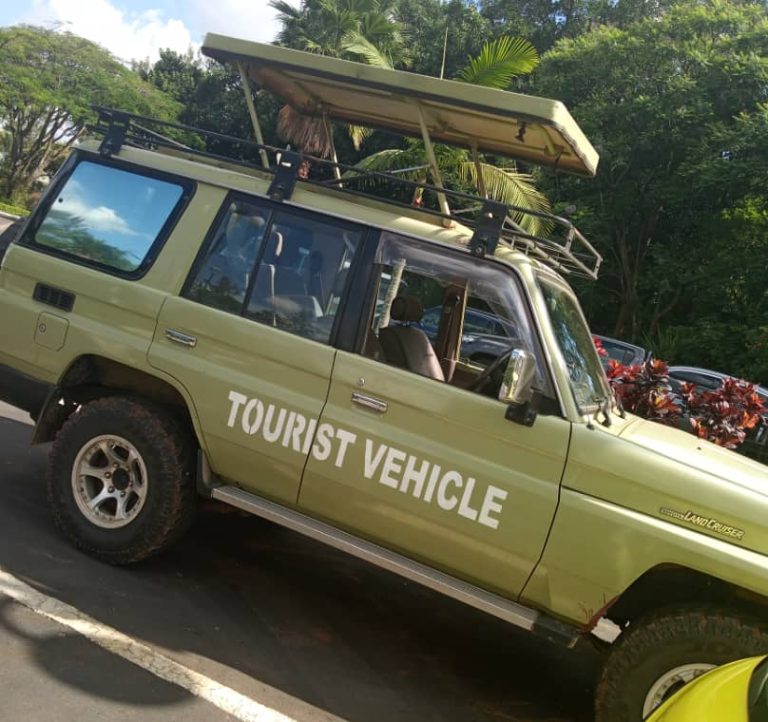
At 4×4 Kenya, we specialize in providing heavy-duty, off-road self-drive vehicles—including rooftop tent Toyota Land Cruisers and Hilux double cabs—paired with meticulously designed self-drive safari itineraries. This comprehensive guide covers everything you need to know about planning, budgeting, navigating, and executing an unforgettable self-drive Kenya expedition.

1. Why Choose a Self Drive Safari in Kenya?

When most travelers think of a Kenyan safari, they imagine packaged group tours inside driven pop-roof minivans. While guided safaris have their place, opting for a self drive Kenya experience unlocks a level of intimacy and adventure that guided tours simply cannot match.

Total Freedom and Flexibility

On a self-drive safari, there are no fixed tour schedules or shared vehicle compromises. If you encounter a lion pride near the Mara River at dawn, you can stay and observe them for hours without worrying about a tour guide’s rigid schedule. If you decide to spend an extra afternoon exploring the Great Rift Valley lakes, the choice is entirely yours.

Cost Efficiency for Families and Groups

Renting a robust 4x4 for a self drive Kenya expedition is significantly more economical than paying per-person rates for private guided tours, especially for couples, families, or small groups of friends traveling together. By combining your vehicle rental with rooftop tent camping setups, you drastically reduce accommodation costs while staying right inside or adjacent to East Africa’s prime game reserves.

True Wilderness Immersion

Driving through remote tracks in Samburu, Laikipia, or Tsavo East puts you directly in touch with East Africa's natural landscapes. Negotiating dry riverbeds, navigating volcanic terrain, and sitting around your campsite campfire under the African night sky creates an authentic connection to the wild.

2. Essential Requirements for Driving in Kenya

Before embarking on a self drive Kenya journey, ensuring you have the correct legal documentation, driving permits, and border clearances is critical.

Driving Licenses & Permits

  • Valid National Driver’s License: Visitors from most English-speaking countries (UK, US, Canada, Australia, South Africa) can drive in Kenya using their national driver's license for up to 90 days, provided it is printed in English.
  • International Driving Permit (IDP): While not always strictly mandated if your original license is in English, carrying an IDP alongside your national license is highly recommended. It serves as an official translation and is routinely accepted at traffic checkpoints.
  • Minimum Age: Drivers must be at least 23 to 25 years old (depending on insurance parameters) with a minimum of 2 years of active driving experience.

Cross-Border Regulations (COMESA & Custom Clearances)

If your self drive Kenya itinerary includes crossing borders into Uganda, Tanzania, or Rwanda:

  1. COMESA Yellow Card: This acts as regional third-party motor insurance valid across East and Central Africa.
  2. Carnet de Passages / Temporary Import Permits (TIP): Required when moving vehicles across East African Community (EAC) borders.
  3. Power of Attorney Letter: A written authorization from 4x4 Kenya permitting you to take the rental vehicle across international borders.

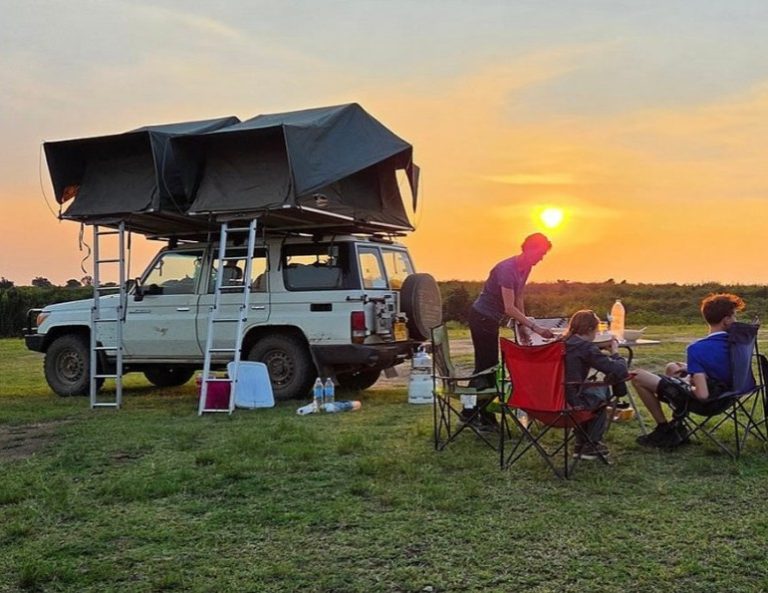
3. Choosing the Right 4×4 Vehicle for Self Drive Kenya

Not all 4×4 vehicles are built equal. Kenya’s diverse terrain—ranging from highway tarmac to deep mud, loose volcanic sand, and corrugated gravel—demands a reliable, heavy-duty 4WD vehicle with low-range transfer cases and high ground clearance.

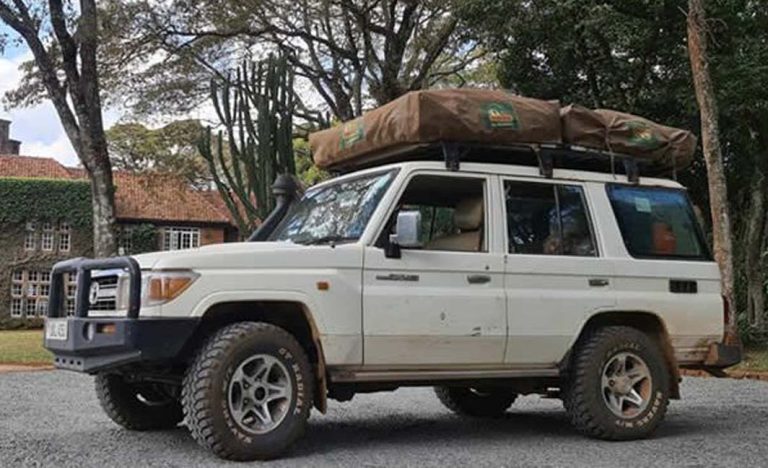
Toyota Land Cruiser LX

Toyota Land Cruiser LX

Engineered with rigid live axles, high-displacement turbodiesel power, and exceptional ground clearance built to mount dual rooftop tents and heavy recovery gear. The Land Cruiser LX stands as the ultimate heavy-duty machine for demanding off-road wilderness expeditions throughout East Africa.

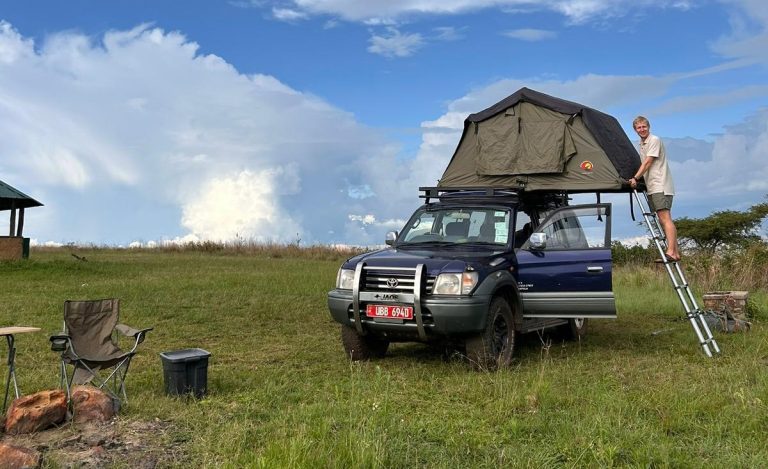
Toyota Prado TX With Rooftop Tent

Toyota Land Cruiser Prado

Combining comfort with exceptional 4WD capability, the Prado features permanent 4WD, center differential locks, and coil-spring suspension. It is the ideal choice for couples and small families planning a self drive Kenya trip through major parks like Masai Mara, Amboseli, and Lake Nakuru.

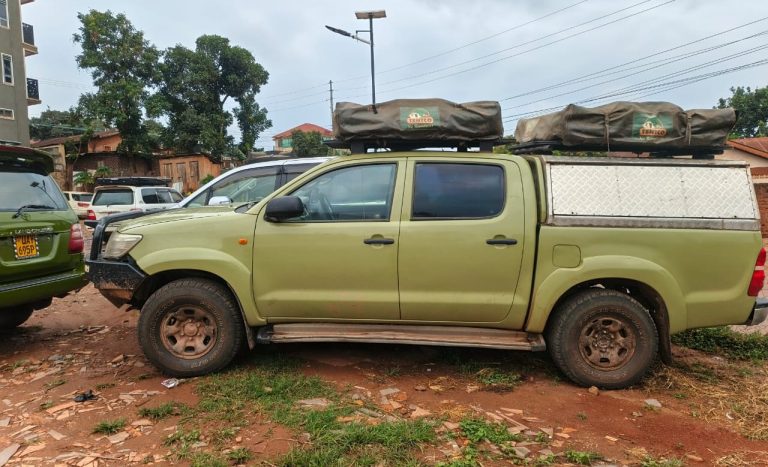
Toyota Hilux With Rooftop Tent

Toyota Hilux Double Cab 4×4

Equipped with heavy-duty rear suspension, high torque diesel engines, and spacious rear beds ideal for mounting single or double rooftop tents. The Hilux is the premier vehicle for self-drive camping expeditions across East Africa.

Navigate the entire fleet of 4x4 vehicles, camping equipment, and vehicle options for 4x4 Kenya

Explore the Entire Fleet

4. Top Featured Self Drive Kenya Itineraries

Below is an overview of our most popular self drive Kenya trip packages. Each itinerary can be completely customized based on your travel timeframe, preferred accommodation style (camping vs. lodges), and specific wildlife interests.


1 Week Masai Mara Self Drive

Planning a 1-Week Masai Mara Self-Drive? Master your expedition with our complete guide featuring interactive route maps, gate logistics, seasonal park fees, and estimated budget breakdowns
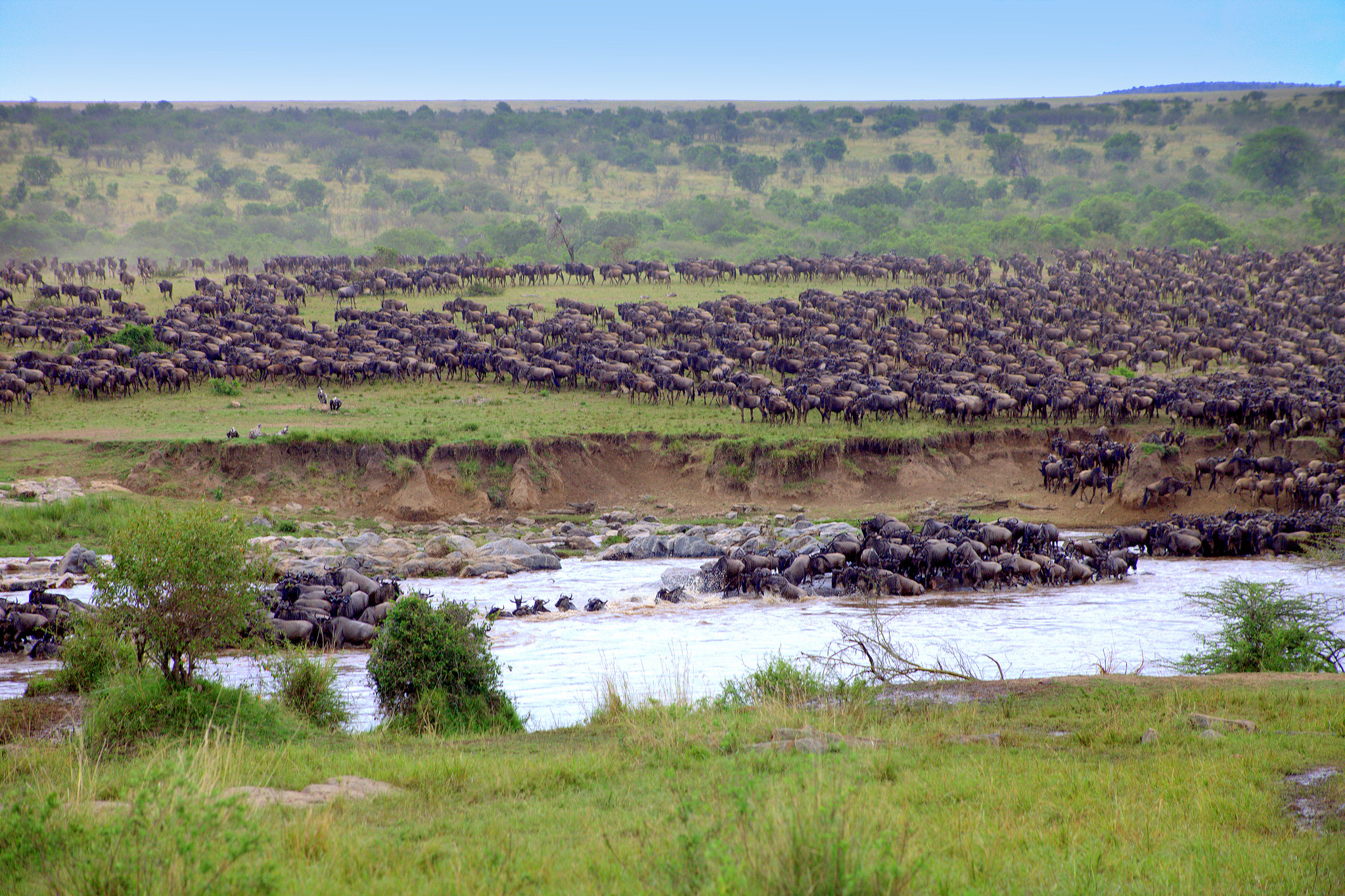
The Great Migration Masai Mara

Trip 1: The Classic 7-Day Masai Mara & Rift Valley Expedition

  • Duration: 7 Days / 6 Nights
  • Distance: ~850 km
  • Primary Focus: Wildlife viewing, Great Migration, Rift Valley lakes, Big Five tracking.
  • Best Vehicle: Toyota Land Cruiser Prado or Hilux Double Cab.

Day-by-Day Itinerary Summary:

  • Day 1: Nairobi to Lake Naivasha — Pick up your 4x4 in Nairobi, receive a full vehicle orientation, stock up on supplies, and drive through the Great Rift Valley to Lake Naivasha. Afternoon boat safari and walking tour on Crescent Island.
  • Day 2: Lake Naivasha to Lake Nakuru National Park — Morning drive to Lake Nakuru. Full afternoon game drive tracking white rhinos, Rothschild giraffes, and flamingos along the lake shore.
  • Day 3: Lake Nakuru to Masai Mara National Reserve (Sekenani Gate) — Early morning departure south through Narok town to the Sekenani Main Gate of the Masai Mara. Afternoon game drive in the eastern plains.
  • Day 4: Full Day Central Masai Mara & Talek River — Full day tracking lions, leopards, cheetahs, and massive elephant herds across the Central Mara and Talek River basins.
  • Day 5: Mara Triangle & Oloololo Escarpment — Cross over into the Mara Triangle. Game drives near Mara River crossing points, observing hippos and Nile crocodiles.
  • Day 6: Mara North Conservancy to Narok — Morning game drive in private conservancy buffer zones before relaxing at a lodge or campsite near the park boundary.
  • Day 7: Narok Return to Nairobi — Scenic morning drive back up the Rift Valley escarpment to Nairobi for vehicle drop-off.
Book a 4x4 Vehicle for This Safari →
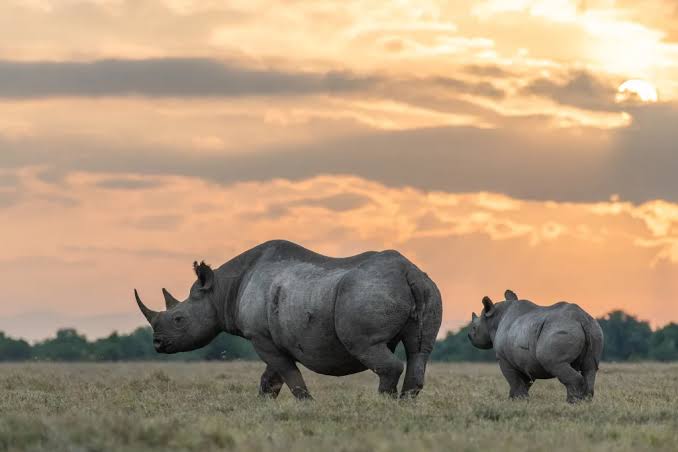
Ol Pejeta Black Rhino

Trip 2: The 10-Day Northern Wilderness & Samburu Circuit

  • Duration: 10 Days / 9 Nights
  • Distance: ~1,350 km
  • Primary Focus: Remote landscapes, rare endemic wildlife (Special 5), Mount Kenya, cultural immersion.
  • Best Vehicle: Toyota Land Cruiser 76 Series.

Itinerary Highlights:

  • Nairobi to Ol Pejeta Conservancy: Track black rhinos and chimpanzees under the shadow of Mount Kenya.
  • Ol Pejeta to Samburu & Buffalo Springs National Reserves: Cross the equator north into semi-arid wilderness. Search for the "Samburu Special 5" (Gerenuk, Grevy's Zebra, Reticulated Giraffe, Somali Ostrich, Beisa Oryx).
  • Samburu to Meru National Park: Explore the lush, untamed streams and dense bush where Elsa the Lioness was returned to the wild.
  • Meru to Mount Kenya Foothills & Nairobi: Return via the agricultural highlands of Embu and Nyeri.
Book a 4x4 Vehicle for This Safari →
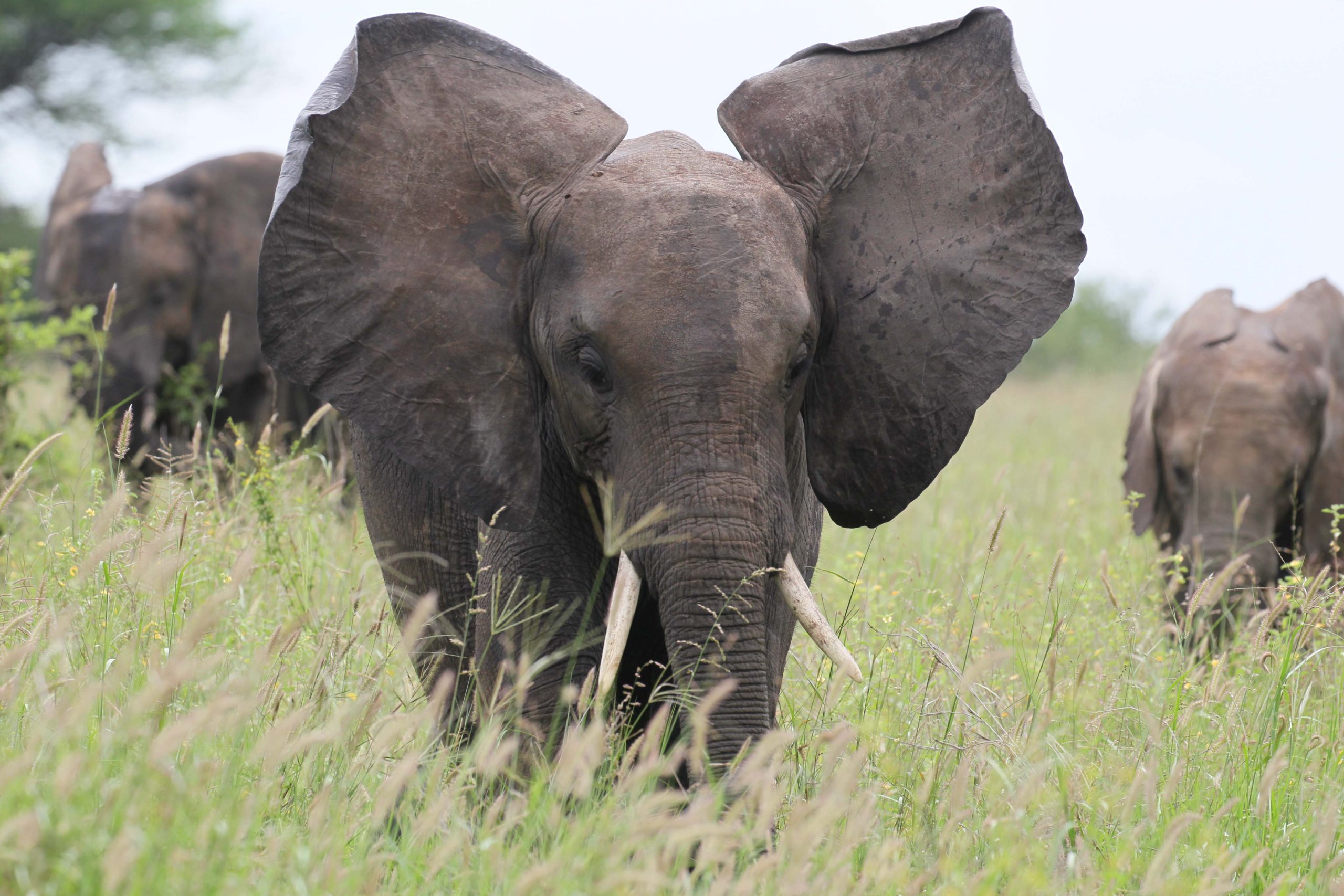
Elephants at Tsavo National Park

Trip 3: The 14-Day Ultimate Kenya Bush to Beach Expedition

  • Duration: 14 Days / 13 Nights
  • Distance: ~1,850 km
  • Primary Focus: Complete Kenya overview—Rift Valley, Masai Mara, Amboseli, Tsavo East & West, ending at Diani Beach.
  • Best Vehicle: Toyota Hilux 4x4 with Rooftop Tent or Land Cruiser.

Key Route Stops:

  1. Nairobi → Masai Mara Reserve: (3 Days)
  2. Masai Mara → Lake Amboseli via Great Rift Valley: (2 Days under Mt. Kilimanjaro)
  3. Amboseli → Tsavo West National Park: (2 Days exploring Mzima Springs and volcanic lava flows)
  4. Tsavo West → Tsavo East National Park: (2 Days tracking red elephants along the Galana River)
  5. Tsavo East → Diani Beach / Indian Ocean Coast: (3 Days relaxing on white sand beaches before returning or dropping off the vehicle in Mombasa)
Book a 4x4 Vehicle for This Safari →

5. Understanding Kenya’s National Parks, Gates & Entry Fees

Navigating park fees and payment methods correctly is vital for a smooth self drive Kenya expedition.

Masai Mara Reserve Main Gates
North Gate Oloololo Gate (Mara Triangle Access)
Central Gate Talek Gate (Central Plains)
East Gate Sekenani Gate (Nairobi Entry)

Payment Portals (eCitizen Platform)

Most national parks managed by the Kenya Wildlife Service (KWS)—such as Amboseli, Tsavo, Lake Nakuru, and Aberdare—no longer accept cash or credit card payments directly at the entry gates.

  • eCitizen Requirement: Drivers must create an account on the official Kenyan eCitizen portal prior to travel to pay for entry permits digitally.
  • County-Managed Reserves: Reserves managed by county governments (such as Narok County for the Masai Mara) accept direct credit/debit card payments at major gates or through specific online county portals.

Typical Park Entry Fee Structure (Subject to Seasonal Updates)

Park / Reserve Non-Resident Adult (24 Hrs) Vehicle Entry Fee (Daily) Notes
Masai Mara National Reserve ~$100 - $200 USD ~400 - 1,000 KES High season rates apply July–Dec
Amboseli National Park ~$80 - $100 USD ~300 - 500 KES KWS Managed (eCitizen required)
Tsavo East & West ~$52 - $80 USD ~300 - 500 KES KWS Managed
Lake Nakuru National Park ~$70 - $80 USD ~300 - 500 KES KWS Managed
Samburu National Reserve ~$70 - $80 USD ~500 KES County Managed
4x4 with Rooftop Tent

6. Navigating Roads, Tracks, and Off-Road Driving in Kenya

Self-driving in East Africa requires an active understanding of local driving etiquette, road conditions, and navigation tools.

Recommended Offline Navigation Apps

Cellular towers can be sparse in deep game reserves and remote northern counties. Always download offline mapping software before leaving major urban hubs:

  • me: Highly accurate for unpaved tracks, park gate coordinates, and remote village roads.
  • iOverlander: Essential for self-drive campers. Features user-updated information on campsites, fuel availability, road conditions, and police checkpoints.
  • Google Maps (Offline Areas): Download offline map packs for Nairobi, Narok, Naivasha, and Coastal regions.

Essential Rules for Driving Inside Game Reserves

  1. Never Off-Road: Driving off designated tracks damages delicate ecosystems, creates erosion ruts, and incurs severe cash fines from park wardens.
  2. Obey Speed Limits: The speed limit inside national parks and game reserves is 40 km/h. Wildlife always has the right of way.
  3. Respect Elephant Herds: Maintain a safe distance (at least 30–50 meters) from elephant herds. Never block their path or surround mothers with calves. Turn off your engine if a herd approaches your vehicle.
  4. Park Gate Closing Times: Most park gates strictly open at 06:00 AM and close at 06:00 PM. Driving inside national parks after dark is illegal unless you are on a licensed night game drive in a private conservancy.

7. Seasonal Guide: When is the Best Time for Self Drive Kenya?

Choosing the right time of year for your self drive Kenya expedition impacts track accessibility, wildlife density, and accommodation availability.

Month Season Track Conditions Wildlife Visibility
Jan - Feb Dry & Warm Excellent High (Concentrated at Water)
Mar - May Long Rains Very Muddy Lush Scenery / Low Crowds
Jun - Oct Peak Dry Firm / Dusty Peak (Great Migration)
Nov - Dec Short Rains Moderate Rains Green / Bird Watching Peak

Dry Season (July to October) — Peak Migration Period

  • Track Conditions: Firm, dusty, highly accessible.
  • Wildlife Viewing: Exceptional. Vegetation thins out, and animals concentrate around permanent water sources. Millions of wildebeest and zebras cross the Mara River.
  • Considerations: Popular parks see higher visitor numbers; advance vehicle booking is essential.

Warm Dry Season (January to February)

  • Track Conditions: Clear and dry across almost all circuits.
  • Wildlife Viewing: Excellent for predator tracking, newborn mammals, and coastal extensions to Diani.

Long Rains Season (March to May)

  • Track Conditions: Deep mud, flooded dry riverbeds (laggas), challenging off-road conditions.
  • Best For: Experienced off-road drivers using heavy-duty 4x4s with winches, mud-terrain tires, and recovery gear. Enjoy lower park rates and empty reserves.
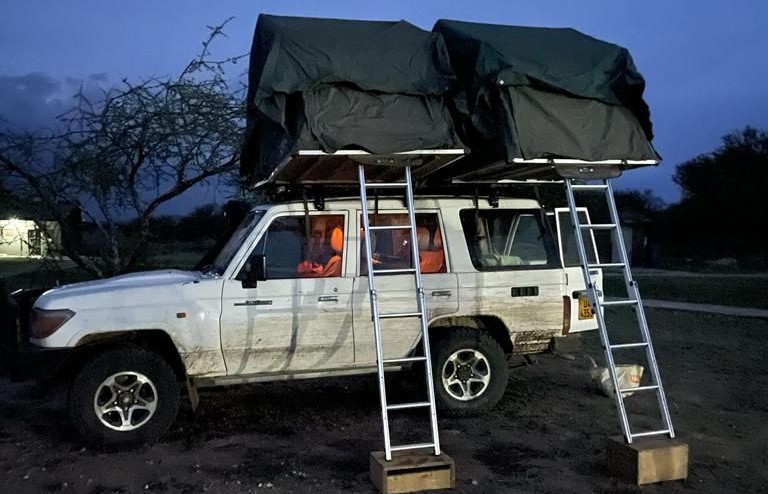
Toyota LX with Family Rooftop Tent

8. Camping vs. Lodge Stay on a Self Drive Safari

When planning your self drive Kenya itinerary, you can choose between rooftop tent camping, staying at mid-range/luxury safari lodges, or combining both.

Option A: Rooftop Tent Camping

Our Toyota Hilux and Land Cruiser 4x4s can be fitted with integrated rooftop tent systems, high-density mattresses, cooking stoves, fridges, chairs, tables, and complete kitchen kits.

  • Pros: Highly affordable, maximum flexibility, fall asleep to the sounds of the African bush inside official public or private campsites.
  • Best For: Adventurous travelers, budget-conscious groups, and long-term overland explorers.

Option B: Lodge & Tentated Camp Accommodations

Drive yourself between established safari lodges, tented camps, and boutique guesthouses along your route.

  • Pros: Enjoy hot showers, fine dining, swimming pools, and private rooms after a full day of self-driving.
  • Best For: Families with young children, couples seeking comfort, or first-time East Africa visitors.

9. Comprehensive Self Drive Kenya Cost & Budget Guide

To help you plan your finances effectively, below is a realistic 7-day budget breakdown for two adults embarking on a self drive Kenya safari using a rented 4x4 vehicle with a rooftop tent setup.

Estimated 7-Day Budget Table (2 Adults)

Budget Category Estimated Cost Range (USD) Breakdown Notes
4x4 Vehicle Rental Contact Us for Pricing Fully insured 4WD with camping equipment
Fuel (Diesel) $180 – $260 Covers ~1,000–1,400 km of driving
Park Entry Fees (2 Pax) $1,200 – $2,400 Based on seasonal per-day entry rates
Vehicle Park Entry Fees $30 – $60 Daily vehicle permit charges
Campsites / Lodges $250 – $1,200 $35–$150 per night depending on style
Food & Grocery Supplies $150 – $300 Self-catering from major supermarkets
Total Est. Budget (Excl. Vehicle) $1,810 – $4,220 Total for 2 travelers (~$900–$2,100 per person)

10. Frequently Asked Questions (FAQs) About Self Drive Kenya

Q1: Is self-driving in Kenya safe for first-timers?

Yes. Driving in Kenya is generally safe if you adhere to key guidelines: drive during daylight hours (avoid driving after dark), observe posted speed limits, use a reliable 4x4 vehicle, and keep your vehicle locked when passing through urban centers. Inside game reserves, respect wildlife boundaries and stay on established tracks.

Q2: Can I rent a 2WD sedan for a safari in Kenya?

No. Standard 2WD vehicles lack the necessary ground clearance, differential locks, and low-range power required to navigate unpaved park tracks, mud holes, and steep inclines. A heavy-duty 4x4 vehicle is mandatory for driving inside Kenya's national parks and reserves.

Q3: What happens if I get a flat tire or mechanical issue in a remote area?

All 4x4 Kenya vehicles are equipped with full recovery kits, heavy-duty jacks, wheel spanners, and dual spare tires. In the rare event of a mechanical issue, our 24/7 support team assists you remotely or dispatches a mobile mechanic or replacement vehicle to your location.

Q4: Which side of the road do they drive on in Kenya?

In Kenya, driving is on the left-hand side of the road, and steering wheels are positioned on the right-hand side of the vehicle.

Ready to Begin Your Self Drive Kenya Adventure?

Planning a self drive Kenya expedition is the ultimate way to experience East Africa's wild landscapes, world-famous wildlife, and vibrant cultures. With a fully equipped 4x4 from 4x4 Kenya, you gain the freedom to craft your own itinerary, set your own pace, and create unforgettable memories across the African continent.

Next Steps for Your Expedition

  • 📱
    Explore Our Fleet: Browse our selection of premium 4x4 Rental Vehicles designed for off-road reliability and wilderness camping.
  • ✉️
    Get a Customized Quote: Contact 4x4 Kenya today to discuss custom itineraries, vehicle availability, and current rental rates.

Take the Wheel Today