
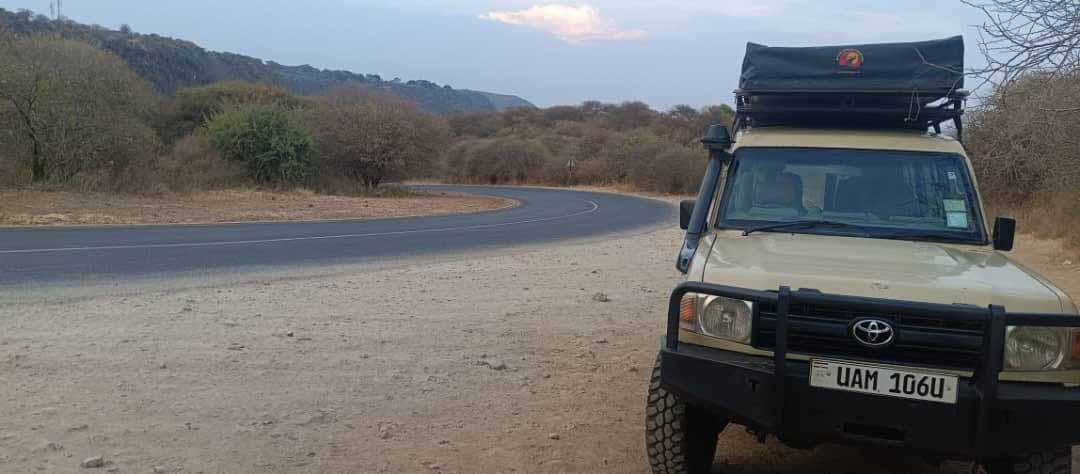
Planning an unforgettable African safari adventure but feeling a bit anxious about navigating the local traffic laws? If you are sitting behind your screen wondering, “which side of the road do people drive on in Kenya?”, you are not alone. For many international travelers, adjusting to a country’s specific driving orientation is the very first step toward a safe and successful road trip.
At 4×4 Kenya, we specialize in providing rugged, expedition-ready vehicles for self-drive safaris and guided tours. To ensure you stay confident and safe behind the wheel from the moment you leave Nairobi, this comprehensive guide answers your primary driving questions and provides essential road safety strategies.
The Core Rule: Left-Hand Traffic
So, let’s answer it directly: Which side of the road do people drive on in Kenya?
People drive on the LEFT side of the road in Kenya.
As a proud member of the Commonwealth, Kenya follows left-hand traffic laws. This means that if you are visiting from the United States, Canada, mainland Europe, or parts of West Africa where driving is done on the right, you will need to adjust your driving habits.
Vehicle Configuration: Right-Hand Drive
Because traffic keeps to the left, almost all vehicles in Kenya are Right-Hand Drive (RHD). The driver’s seat is located on the right side of the vehicle, and you will operate the gear stick with your left hand. The indicator and windshield wiper stalks are often inverted compared to what right-hand side drivers are accustomed to.
If you are transitioning from a right-hand traffic country, it takes a little bit of conscious focus during the first hour or two, but most travelers adapt very quickly—especially when following the flow of local traffic.
Cross-Border Overlanding: Regional Variations
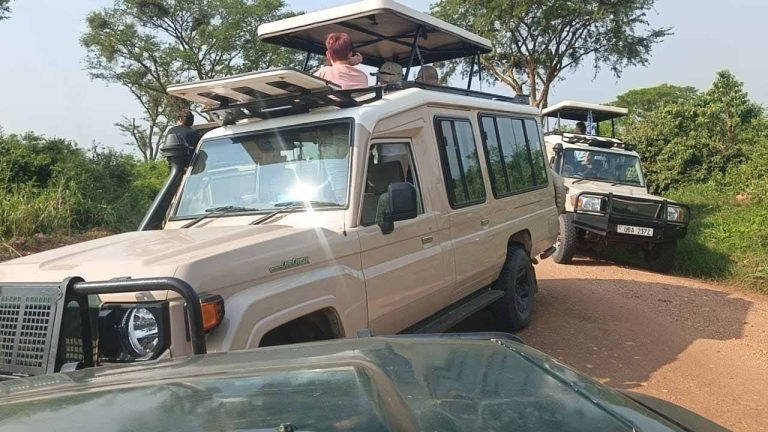
If you are renting a 4×4 from our fleet at [https://www.4x4kenya.com](https://www.4x4kenya.com) for a cross-border expedition through East Africa, keeping track of driving sides is critical. The region is uniquely split based on historical colonial architectures:
- Drive on the LEFT: Kenya, Uganda, and Tanzania.
- Drive on the RIGHT: Rwanda and Burundi.
When crossing land borders—such as transitioning from Uganda into Rwanda—pay close attention to the road signage at the customs checkpoint, as the lanes will physically criss-cross to shift your driving orientation to the opposite side.
Essential Safety Precautions for Driving in Kenya
Answering which side of the road do people drive on in Kenya is only the baseline. Navigating Kenyan highways, bustling urban centers like Nairobi, and remote national park tracks requires a proactive defensive driving mindset. Implement these core precautions to protect yourself and your vehicle:
1. Core Rule & Vehicle Setup
- Drive on the LEFT: Kenya follows left-hand traffic laws.
- Right-Hand Drive (RHD): Vehicles have the steering wheel on the right side, operated with left-hand gear shifting.
2. Master the Art of Defensive Overtaking
The primary highways connecting major hubs (such as the A109 highway between Nairobi and Mombasa) are busy with long-distance passenger buses and slow-moving freight trucks. Because these are often single-lane roads, you must overtake on the opposite side of the road against oncoming traffic. Never rush an overtake. Stay patient, maintain a wide gap behind large trucks so you can see past them, and only execute the pass when you have a completely clear, long-distance view of the road ahead.
3. Guard Against Unmarked Speed Bumps
Kenyan roads feature frequent, heavy-duty speed bumps, particularly when approaching small towns, trading centers, or schools. Many of these bumps are not painted or marked with warning signs. Keep a sharp eye on the brake lights of the vehicles ahead of you. Slowing down proactively prevents severe damage to your vehicle’s suspension system.
4. Respect the Legal Speed Limits
Speed limits are actively enforced by traffic police using mobile radar guns. Falling victim to an aggressive fine is easily avoided by adhering to the standard traffic act matrix:
- Highways: Maximum 100\km
- Towns & Trading Centers: Maximum 50 km/h
- National Parks & Wildlife Reserves: Maximum $40 km/h
5. Stay Calm at Traffic Police Checkpoints
You will encounter routine police checkpoints along major travel corridors. If an officer flags you down, roll down your window fully, remove your sunglasses, smile, and treat them with absolute respect. Keep high-quality laminated color photocopies of your passport, visa, and driver’s license handy so you don’t have to hand over your original documents immediately.
6. Navigating Traffic & Urban Areas
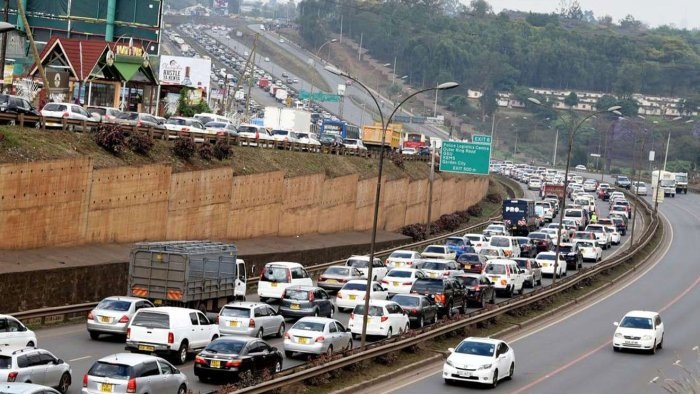
- Avoid Driving Through Nairobi: Traffic jams in Nairobi can be severe. Avoid driving through the city center during peak hours:
- Morning commute: 7:00 AM – 9:00 AM
- Lunch hours: 12:30 PM – 2:00 PM
- Evening rush: 5:00 PM – 7:00 PM
- Keep Windows Up in Urban Areas: Roll up windows and lock doors in high-traffic or city areas to prevent phone snatching and opportunistic theft.
- Avoid Slum Areas: For safety, steer clear of informal settlements and slum neighborhoods.
7. Local Transportation & Culture
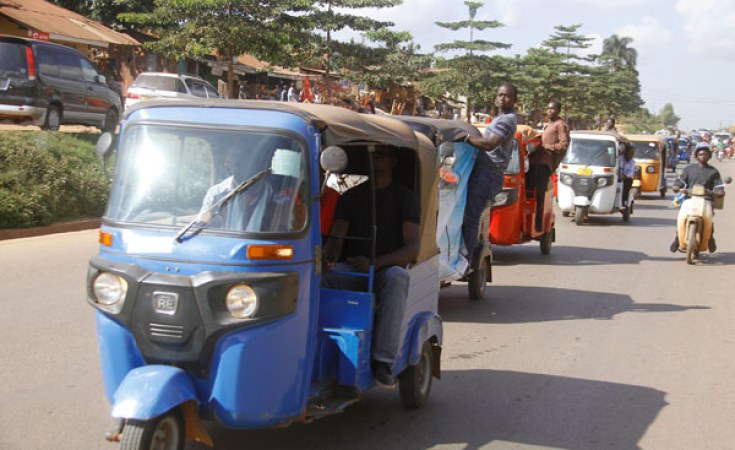
- Try Tuktuks for Town Safaris: Feel free to use local Tuktuks for short trips in towns. They offer an affordable way to explore and learn more about local Kenyan life.
8. Money & Currency Tips
- Carry Enough Cash (Kenya Shillings – KES): Always convert sufficient currency before leaving major towns. Foreign exchange bureaus are not available in remote wilderness areas, safari parks, or game reserves.
9. Security & Awareness
- Stay Updated on Current News: Civil demonstrations or localized political riots can occur. Check local news and traffic updates regularly to avoid affected areas.
10. Rooftop Tent & Camping Safety
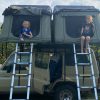
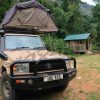
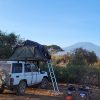
Ensure rooftop tents are double-checked before driving. Source: EMS-FORSTER-PRODUCTIONS / Getty Images
- Fasten Rooftop Tents Securely: Double-check all mounting bolts, latches, and straps before driving.
- Insurance Warning: Standard vehicle insurance does not cover damage to rooftop tents or any vehicle damage caused by an unsecured rooftop tent falling off.
11. Highway & Off-Road Driving
- Defensive Overtaking: Overtake with caution on single-lane highways (e.g., Nairobi–Mombasa road).
- Unmarked Speed Bumps: Watch for sudden speed humps when approaching trading centers.
- Strict 4:00 PM Curfew: Avoid driving at night on rural roads due to poor lighting, wildlife, and unlit vehicles.
Why a Reliable 4×4 is Essential for Your Kenya Trip
While the main highway arteries between Nairobi, Nakuru, and Mount Kenya are covered in smooth tarmac, the moment you detour toward iconic conservation zones like the Maasai Mara, Amboseli, or Samburu, the terrain changes dramatically.
You will face deeply corrugated gravel trails, deep sand wallows, and thick mud tracks during the rainy seasons. Standard passenger cars or two-wheel-drive vehicles simply lack the ground clearance and traction to handle these environments safely. Furthermore, low-clearance vehicles are strictly barred from entering major national parks for safety reasons.
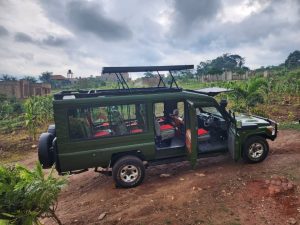
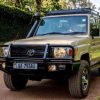
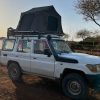
At 4×4 Kenya, our entire vehicle fleet is meticulously maintained and customized to handle the unique challenges of East African roads.
Find the Perfect 4×4 Match for Your Journey:
Now that you know which side of the road do people drive on in Kenya, you are fully equipped to take the wheel. Explore our premium fleet, book your rugged 4×4 with integrated camping gear, and start mapping out the self-drive safari of a lifetime!











No responses yet