
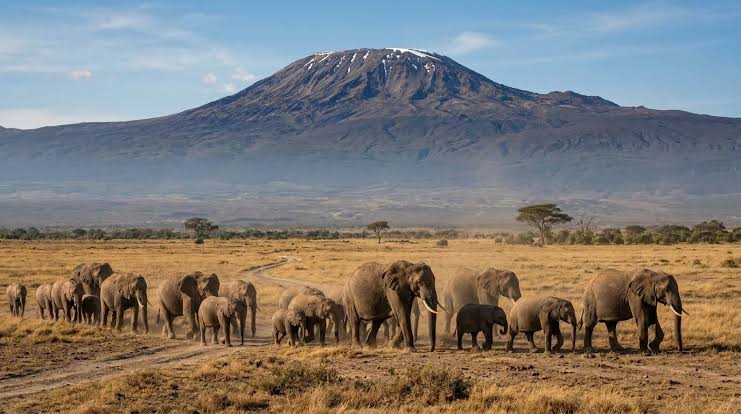
2027 Kenya 4×4 Car Rental & Rooftop Tent Guide: Best Vehicles, Self-Drive Routes, Camping & Safaris by Month
Planning an overland road trip across East Africa for 2027? Renting a 4×4 vehicle in Kenya—with or without a rooftop tent—gives you ultimate freedom to explore legendary destinations like the Maasai Mara, Amboseli, Lake Nakuru, Samburu, and Tsavo, or embark on cross-border adventures into Tanzania and Uganda.
Whether you are looking for a budget Toyota RAV4, a rugged Toyota Land Cruiser Prado, a fully equipped Land Cruiser 79 Series with dual rooftop tents, or a Safari Van with a pop-up roof, this comprehensive 2027 guide covers everything you need to know about self-drive 4×4 rentals, camping equipment, safari routes, permit requirements, and seasonal wildlife insights in Kenya.
Why Rent a 4×4 Car in Kenya in 2027?
Kenya is a premier safari destination, but its diverse terrain demands a capable four-wheel-drive vehicle:
- Navigating Rough & Muddy Terrain: Major highways connecting Nairobi to cities like Nakuru, Eldoret, and Mombasa are paved. However, access roads inside national parks, conservation areas, and remote regions (such as Turkana or the Mara North Conservancy) consist of corrugated black cotton soil, sand, and deep mud during the rainy seasons.
- Ultimate Flexibility & Savings: A self-drive 4×4 rental combined with camping equipment or a rooftop tent drastically cuts accommodation costs while allowing you to set your own safari pace.
- Elevated Wildlife Viewing: Our 4×4 safari vehicles feature pop-up roofs or rooftop setups that give you an unobstructed 360-degree view during game drives.
- Cross-Border Safari Freedom: Start your trip in Nairobi and explore the greater East African circuit, crossing seamlessly into Tanzania (Serengeti, Ngorongoro) or Uganda (Bwindi, Queen Elizabeth).
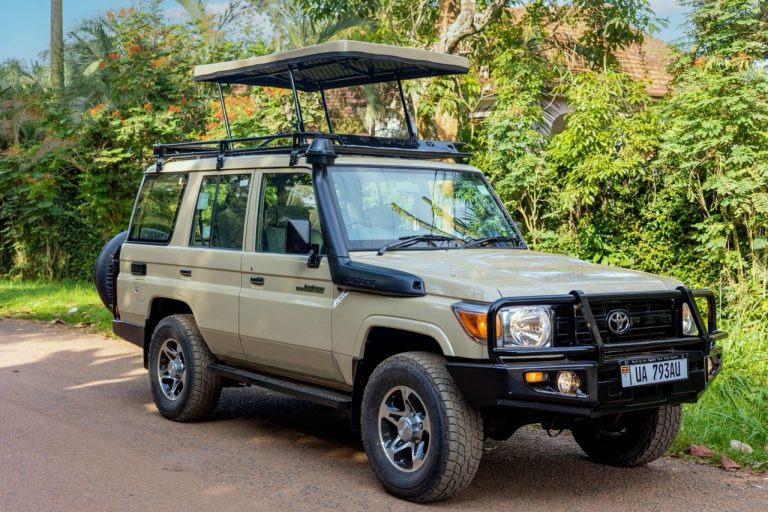
Toyota Safari Land Cruiser (Pop-up Roof)
- Ideal For: 4–7 Pax / Families, filming crews, and wildlife photography groups.
- Features: Full-length pop-up roof for 360-degree game viewing, built-in refrigerator, dual battery system for charging electronics, long-range fuel tanks, and custom elevated safari seating.
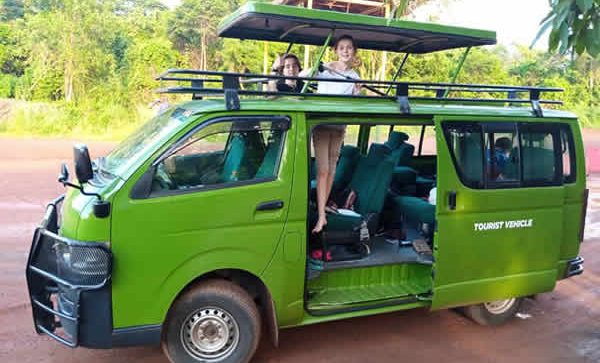
Toyota Safari Minivan (4WD HiAce)
- Ideal For: 4–6 Pax / Budget-conscious group travelers and extended family tours.
- Features: Elevated pop-up roof modification, specialized 4WD drivetrain capability for rough park tracks, wide-opening windows for game viewing, and spacious, configurable cabin seating.
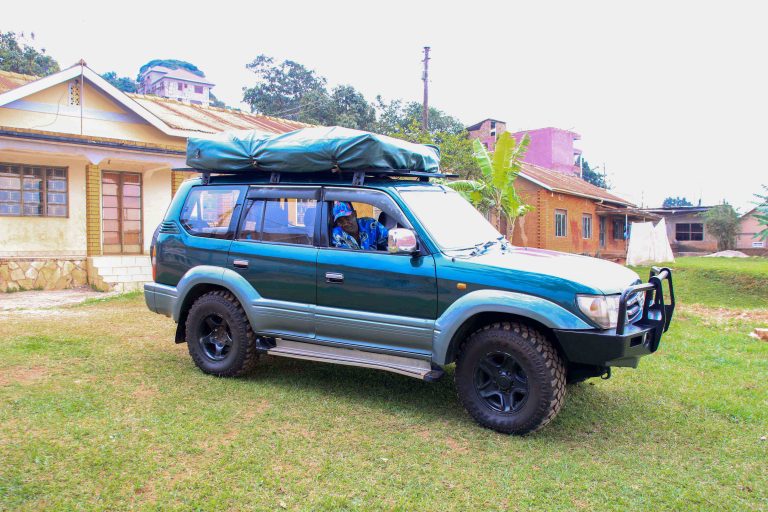
Toyota Land Cruiser Prado TX/TZ
- Ideal For: 2–4 Pax / Couples, small families, and campers wanting extra comfort and power.
- Features: Responsive diesel or petrol engine options, high ground clearance, robust suspension for rough terrain, dual-zone climate control, and structural capability to support a rooftop tent.
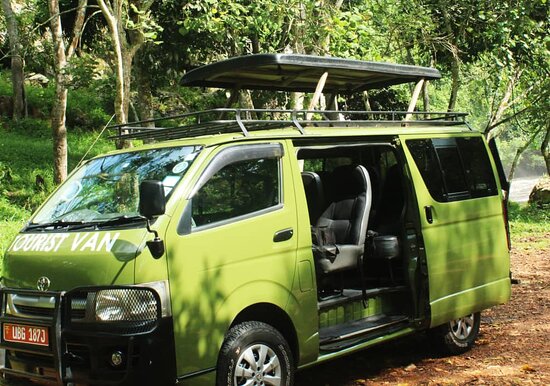
Toyota Safari Minivan (4WD HiAce)
- Ideal For: 4–6 Pax / Budget-conscious group travelers and extended family tours.
- Features: Elevated pop-up roof modification, specialized 4WD drivetrain capability for rough park tracks, wide-opening windows for game viewing, and spacious, configurable cabin seating.
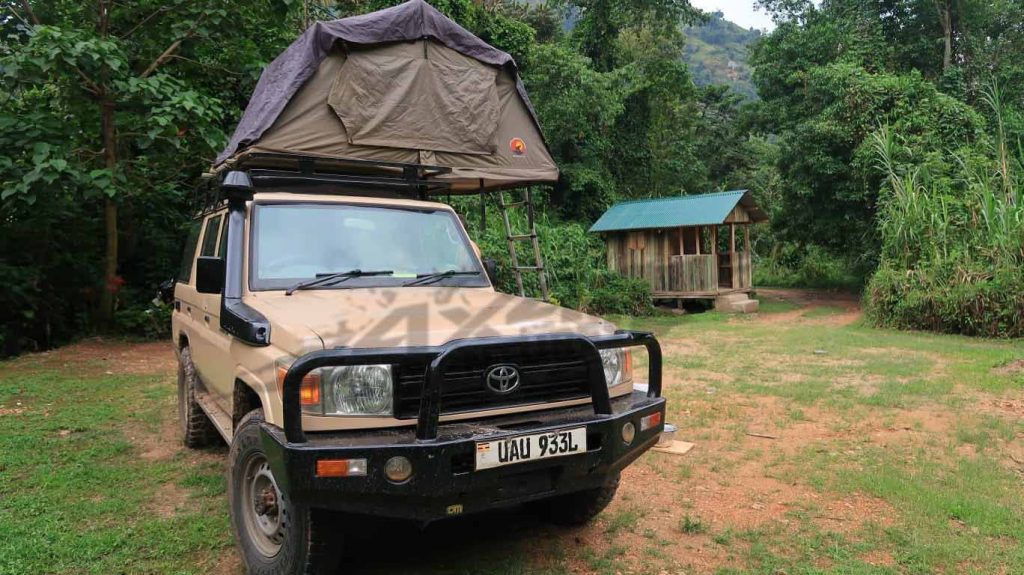
4×4 Rooftop Tent Camping in Kenya
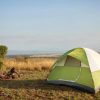
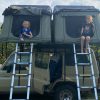
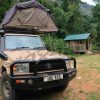
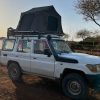
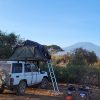
Rooftop tent camping is one of the fastest-growing travel trends across Kenya. It elevates you safely off the ground away from wildlife and damp soil, and sets up in less than 5 minutes.
What is Included in Our 4×4 Camping Gear Package?
- Rooftop Tent(s): Heavy-duty canvas tent with high-density foam mattresses and flysheet.
- Bedding Set: Sleeping bags/duvets, pillows, and clean bedsheets.
- Kitchen Equipment: Portable gas cooker with cylinder, pots, pans, cutlery, plates, cups, and cutting boards.
- Camping Essentials: 12V portable electric fridge/freezer or cooler box, folding camping chairs, outdoor table, solar lantern/flashlight, and 20L water jerrycan.
- Vehicle Recovery Gear: Spare tires, high-lift jack, tow rope, jumper cables, and basic toolkit.
Top Self-Drive 4×4 Safari Routes in Kenya
January 2027: Southern Circuit & Calving Season Prelude
January launches Kenya’s warm dry season with sunny skies, excellent road conditions, and dense wildlife gatherings around remaining waterholes. It is one of the most reliable months for a self-drive safari.
- Best Route: Nairobi ➔ Amboseli National Park ➔ Lake Naivasha & Hell’s Gate ➔ Lake Nakuru ➔ Maasai Mara ➔ Nairobi.
- Why Choose This Route: Clear morning skies reveal unobstructed views of Mount Kilimanjaro in Amboseli. Dry weather hardens the black cotton soil tracks in the Maasai Mara, making navigation easy for a standard 4×4 Land Cruiser Prado or budget Toyota RAV4.
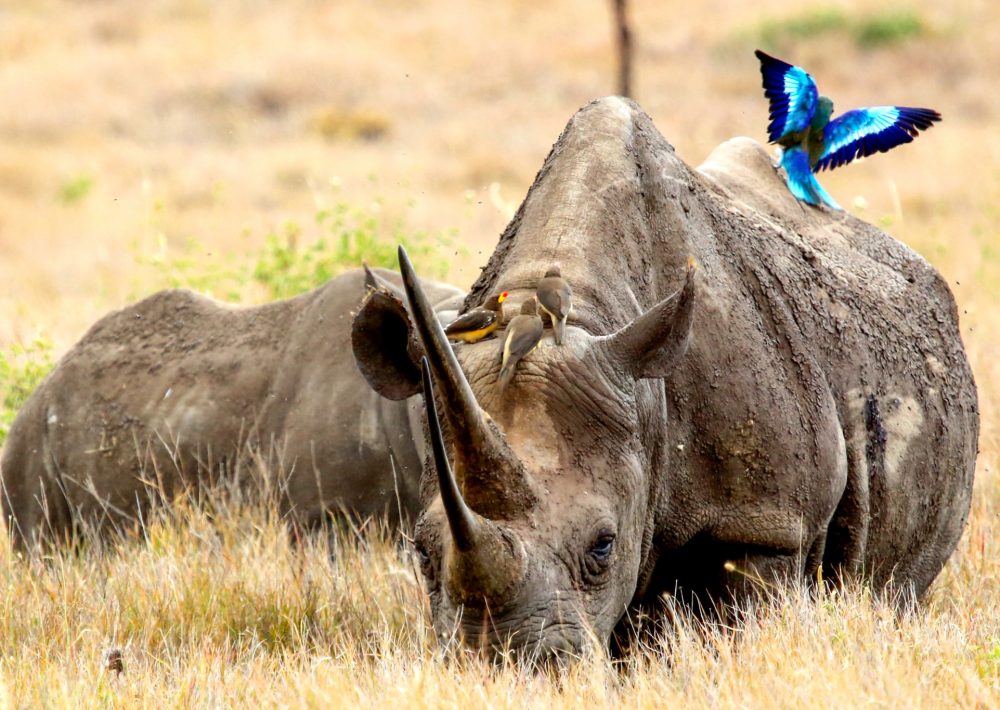
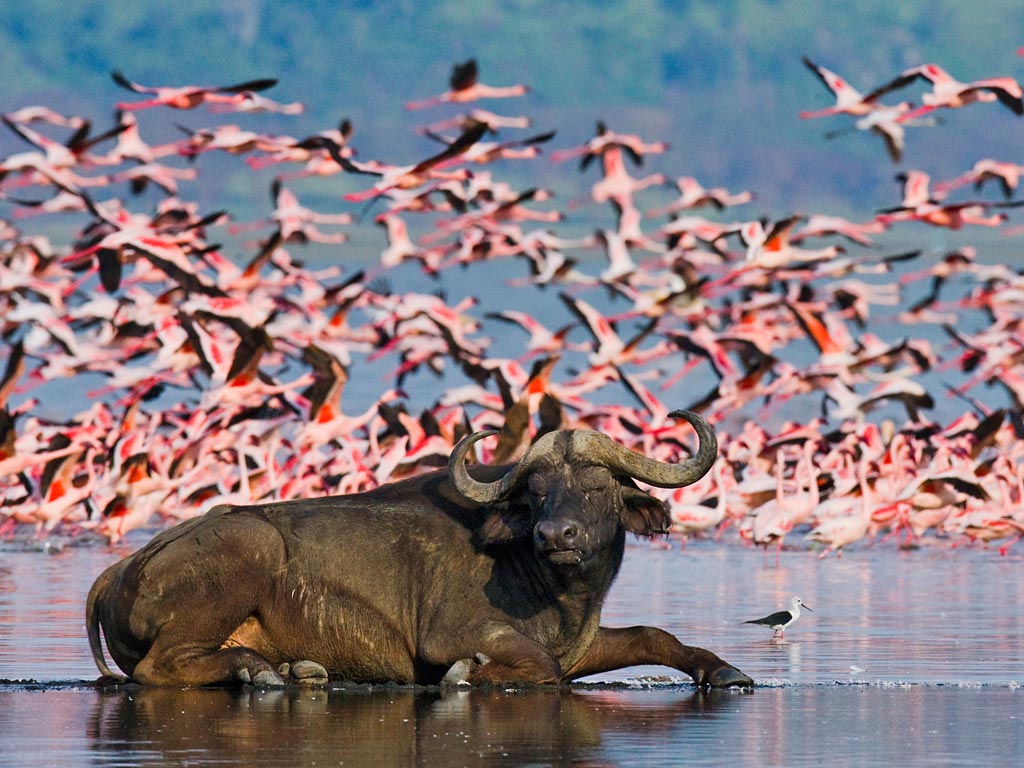
- Top Tourist Activities: Tracking big cats on game drives, cycling past geothermal gorges in Hell’s Gate, boat birding safaris on Lake Naivasha, and viewing flamingos and endangered rhinos at Lake Nakuru.
- Best For: First-time self-drive travelers, family groups, and wildlife photographers looking for predictable weather, excellent visibility, and smooth road conditions.
February 2027: Northern Wilderness & Big Cat Tracking
February marks the peak of Kenya’s short dry season. Hot days and minimal rainfall dry up inland water sources, forcing wildlife to gather along permanent riverbanks across the rugged northern frontier.
- Best Route: Nairobi ➔ Ol Pejeta Conservancy ➔ Samburu National Reserve ➔ Buffalo Springs ➔ Solio Ranch ➔
- Why Choose This Route: The Ewaso Ng’iro River in Samburu becomes an essential lifeline, making game viewing along the riverbanks effortless. Meanwhile, Ol Pejeta and Solio Ranch offer practically guaranteed sightings of endangered black and white rhinos.
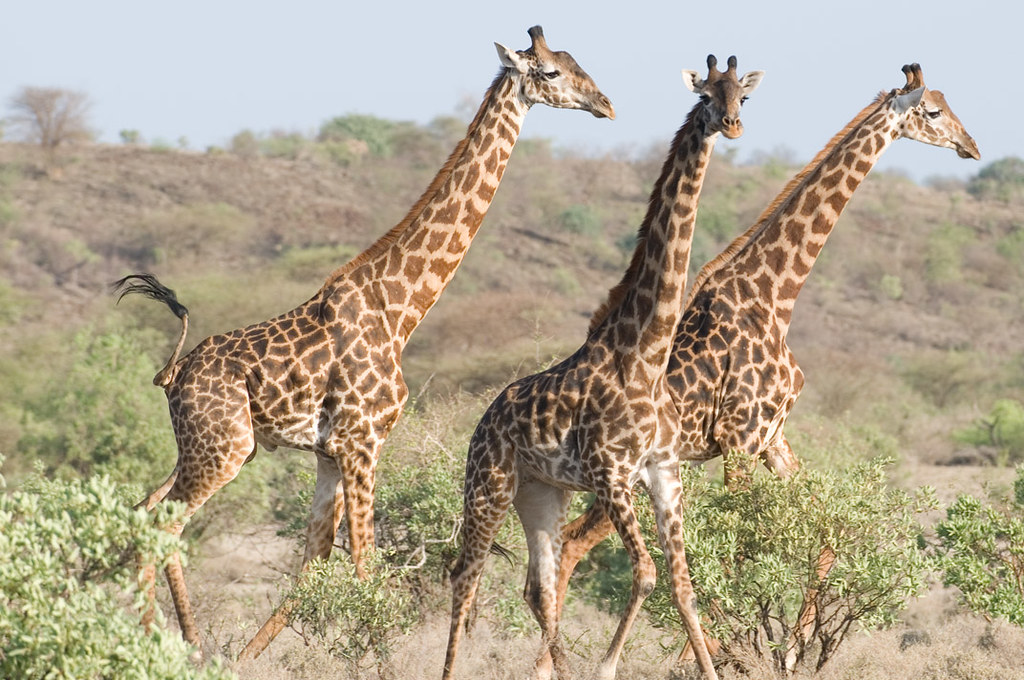
- Top Tourist Activities: Tracking the unique “Samburu Special Five” (Grevy’s zebra, reticulated giraffe, Beisa oryx, Somali ostrich, and gerenuk), visiting the Sweetwaters Chimpanzee Sanctuary, and embarking on guided night game drives in private conservancies.
- Best For: Repeat safari travelers, wildlife photographers, and rugged off-road enthusiasts looking for remote landscapes and specialized species sightings.
March 2027: The Great Rift Valley & Birding Odyssey
March marks the transition into Kenya’s green shoulder season. Early March stays mostly dry, while late-month light showers transform the Great Rift Valley lakes into lush, vibrant paradises brimming with wildlife.
- Best Route: Nairobi ➔ Lake Elementaita ➔ Lake Nakuru ➔ Lake Bogoria ➔ Lake Baringo ➔ Eldoret ➔
- Why Choose This Route: The Rift Valley lakes burst with life as European migratory birds gather alongside resident species. Major tarmac highways connect these destinations, ensuring smooth, effortless driving despite occasional afternoon showers.
- Top Tourist Activities: Exploring steaming geothermal hot springs and geysers at Lake Bogoria, taking scenic bird-watching boat safaris on Lake Baringo, and tracking endangered black and white rhinos at Lake Nakuru.
- Best For: Avid bird watchers, budget-conscious travelers taking advantage of discounted shoulder-season rates, and casual self-drive travelers seeking well-paved, low-stress driving routes.
April 2027: The Green Season Coast & Tsavo Wilderness
April brings Kenya’s “long rains,” turning landscapes vibrant green. While northern clay tracks become muddy, the paved southern corridor through Tsavo offers scenic views, empty parks, and discounted rates.
- Best Route: Nairobi ➔ Tsavo West ➔ Tsavo East ➔ Taita Hills Conservancy ➔ Diani Beach / Mombasa ➔ Nairobi (or SGR train return).
- Why Choose This Route: Tsavo’s main tracks consist of volcanic gravel and well-drained red soil, handling rainfall far better than clay-heavy reserves. Finishing at Diani Beach provides coastal relaxation between afternoon showers.
- Top Tourist Activities: Observing hippos and fish from the underwater viewing chamber at Mzima Springs, exploring the Shetani Lava Flow, tracking Tsavo’s famous “red dust” elephants, and unwinding along Diani’s white sand beaches.
- Best For: Adventure road-trippers unfazed by rain, budget rooftop tent campers seeking low-season rates, and off-grid explorers (heavy-duty 4×4 with mud tires recommended).
May 2027: The Grand Cross-Border Expedition (Uganda & Tanzania)
May is typically the wettest month across the open savannahs of Kenya, making it the perfect time to launch a long-distance cross-border expedition into neighboring Uganda, where lush highland forests remain fully accessible and gorilla trekking operates year-round.
- Best Route: Nairobi ➔ Busia Border ➔ Jinja (Source of the Nile) ➔ Queen Elizabeth National Park ➔ Bwindi Impenetrable Forest ➔ Entebbe or Nairobi return.
- Why Choose This Route: Heading west into Uganda’s mountainous terrain provides natural shelter from open plains downpours. It seamlessly combines a rugged East African road trip with world-class primate trekking.
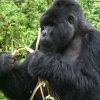
- Top Tourist Activities: White-water rafting on the Nile in Jinja, trekking for mountain gorillas in Bwindi, spotting tree-climbing lions in Ishasha, and tracking chimpanzees in Kibale National Park.
- Best For: Long-term overlanders, adventurous self-drive travelers looking beyond Kenya’s borders, and dedicated wildlife and primate enthusiasts.
June 2027: The Early Migration & Rift Valley Escarpments
June brings cooler temperatures and the conclusion of the long rains across Kenya. The bush begins to thin out, tracks dry up rapidly, and the vanguard herds of the Great Migration arrive along the southern Maasai Mara boundary.
- Best Route: Nairobi ➔ Aberdare National Park ➔ Lake Naivasha ➔ Mara North Conservancy ➔ Maasai Mara Main Reserve ➔
- Why Choose This Route: Favorable driving conditions return across all major routes. Exploring exclusive private conservancies like Mara North grants early, uncrowded viewing access to the initial wave of migrating wildebeest before the heavy July peak rush.
- Top Tourist Activities: Discovering hidden waterfalls in Aberdare National Park, enjoying guided walking safaris among giraffes and zebras on Crescent Island, and capturing breathtaking sunrise game drives across open Mara plains.
- Best For: Couples, self-drive rooftop tent campers, and nature enthusiasts seeking fantastic wildlife sightings with significantly lower crowd density before peak season.
July 2027: Peak Great Migration & Mara River Crossings
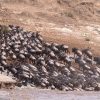
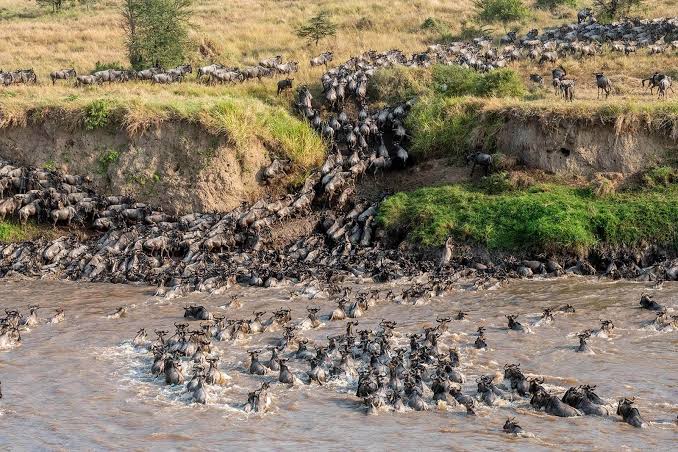
July marks the commencement of Kenya’s most iconic wildlife spectacle: over 1.5 million wildebeest and zebras pour into the Maasai Mara, facing dramatic, high-stakes river crossings guarded by hungry Nile crocodiles.
- Best Route: Nairobi ➔ Lake Nakuru ➔ Mara Triangle ➔ Maasai Mara Central ➔ Lake Naivasha ➔
- Why Choose This Route: Positioning your 4×4 vehicle directly in the Mara Triangle and Central Mara places you alongside the Mara and Talek riverbanks during the peak crossing window. Backcountry tracks remain dry and firm.
- Top Tourist Activities: Witnessing tense river crossings, soaring above the reserve on a sunrise hot-air balloon safari, and tracking big cats like lions, cheetahs, and leopards.
- Best For: Bucket-list travelers, professional wildlife photographers, and family groups looking for prime action. (Note: Advance 4×4 vehicle and campsite bookings are strictly essential for July).
August 2027: The Ultimate Safari Circuit & Kilimanjaro Views
August delivers magnificent dry weather, pleasant daytime temperatures, and peak game-viewing conditions across Kenya’s premier national parks. As the heart of the dry season, it offers optimal driving performance across rugged backcountry tracks, ensuring seamless navigation for your self-administered overland expedition.
- Best Route: Nairobi ➔ Amboseli National Park ➔ Lake Naivasha ➔ Maasai Mara National Reserve ➔ Ol Pejeta Conservancy ➔
- Why Choose This Route: This master circuit successfully combines the two greatest spectacles in African travel—witnessing the thunderous Great Migration herds roaming across the Maasai Mara alongside iconic, dust-bowl elephant herds marching majestically beneath the snow-capped peak of Mount Kilimanjaro in Amboseli.
- Top Tourist Activities: Tracking the legendary Big Five across sprawling savannahs, embarking on specialized guided night game drives to spot elusive nocturnal predators in Ol Pejeta, taking tranquil guided bush walks along the shores of Lake Naivasha, and engaging in authentic cultural visits with local Maasai communities.
- Best For: High-budget travelers, fully equipped 4×4 Land Cruiser rooftop tent expeditions, and international tourists seeking the absolute pinnacle of an East African safari adventure.
September 2027: The Northern Frontier & Samburu Culture
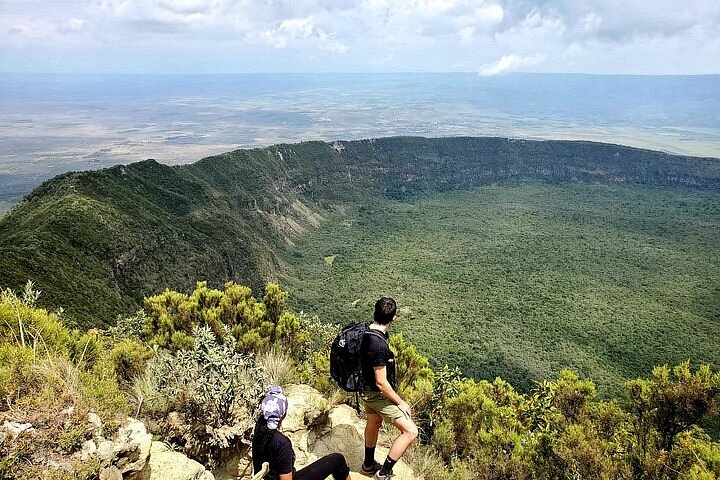
As the Maasai Mara reaches peak visitor capacity during the height of the migration season, September offers the perfect opportunity to escape the crowds by heading north toward Mount Kenya, Laikipia, and Samburu, where the weather remains dry, warm, and wonderfully peaceful.
- Best Route: Nairobi ➔ Mount Kenya / Meru National Park ➔ Samburu & Shaba National Reserves ➔ Laikipia Conservancies ➔
- Why Choose This Route: Meru and Samburu provide a completely untamed, arid wilderness experience. Because natural water sources are scarce during this month, wildlife density concentrates heavily around permanent dry riverbeds, making game viewing remarkably predictable and rewarding.
- Top Tourist Activities: Tracking elusive leopards resting in river valley trees, engaging with local communities through authentic visits to Samburu cultural villages, and exploring the remote, rugged wilderness landscapes of Meru National Park.
- Best For: Experienced 4×4 drivers seeking off-grid adventure, self-sufficient rooftop tent campers, and travelers looking for absolute solitude and tranquility far away from the congested high-season tourist hubs.
October 2027: Late Migration & Central Rift Explorations
October brings warm, dry days across Kenya just ahead of the impending short rains. As the magnificent wildebeest herds begin their slow, deliberate southward journey back toward the Serengeti in Tanzania, this month provides final, unhurried opportunities to witness the tail-end of the Great Migration without the overwhelming congestion of peak season.
- Best Route: Nairobi ➔ Hell’s Gate National Park ➔ Lake Nakuru ➔ Maasai Mara Reserve ➔ Maji Moto Eco-Camp ➔
- Why Choose This Route: Outstanding, dry backcountry road conditions and pleasantly warm daytime weather make this an ideal time for comfortable overlanding and rooftop tent camping. Pairing the sweeping wildlife vistas of the Maasai Mara with rich cultural immersion at Maji Moto creates a wonderfully balanced adventure.
- Top Tourist Activities: Catching final river-crossing spectacles before the herds depart, mountain biking past dramatic wildlife herds inside Hell’s Gate, soaking in natural geothermal thermal baths near Olkaria, and embarking on educational bush walks led by traditional Maasai guides.
- Best For: Solo drivers seeking flexible pacing, budget-conscious rooftop tent campers, and cultural travelers eager to blend wildlife viewing with deep community engagement.
November 2027: The Short Rains & Newborn Wildlife
November marks the gentle arrival of Kenya’s short rainy season, transforming the dusty savannah landscapes into vibrant, lush green pastures. While brief afternoon showers refresh the environment, the clearing morning skies provide excellent visibility, and the seasonal shift triggers an abundance of newborn animal births across the parks.
- Best Route: Nairobi ➔ Amboseli National Park ➔ Tsavo West ➔ Shimba Hills National Reserve ➔ Diani Beach ➔
- Why Choose This Route: Rain showers during November are typically brief and concentrated late in the afternoon or evening, leaving mornings dry and ideal for self-drive game viewing. Furthermore, the well-drained southern corridor and coastal routes remain highly accessible for standard 4×4 vehicles.
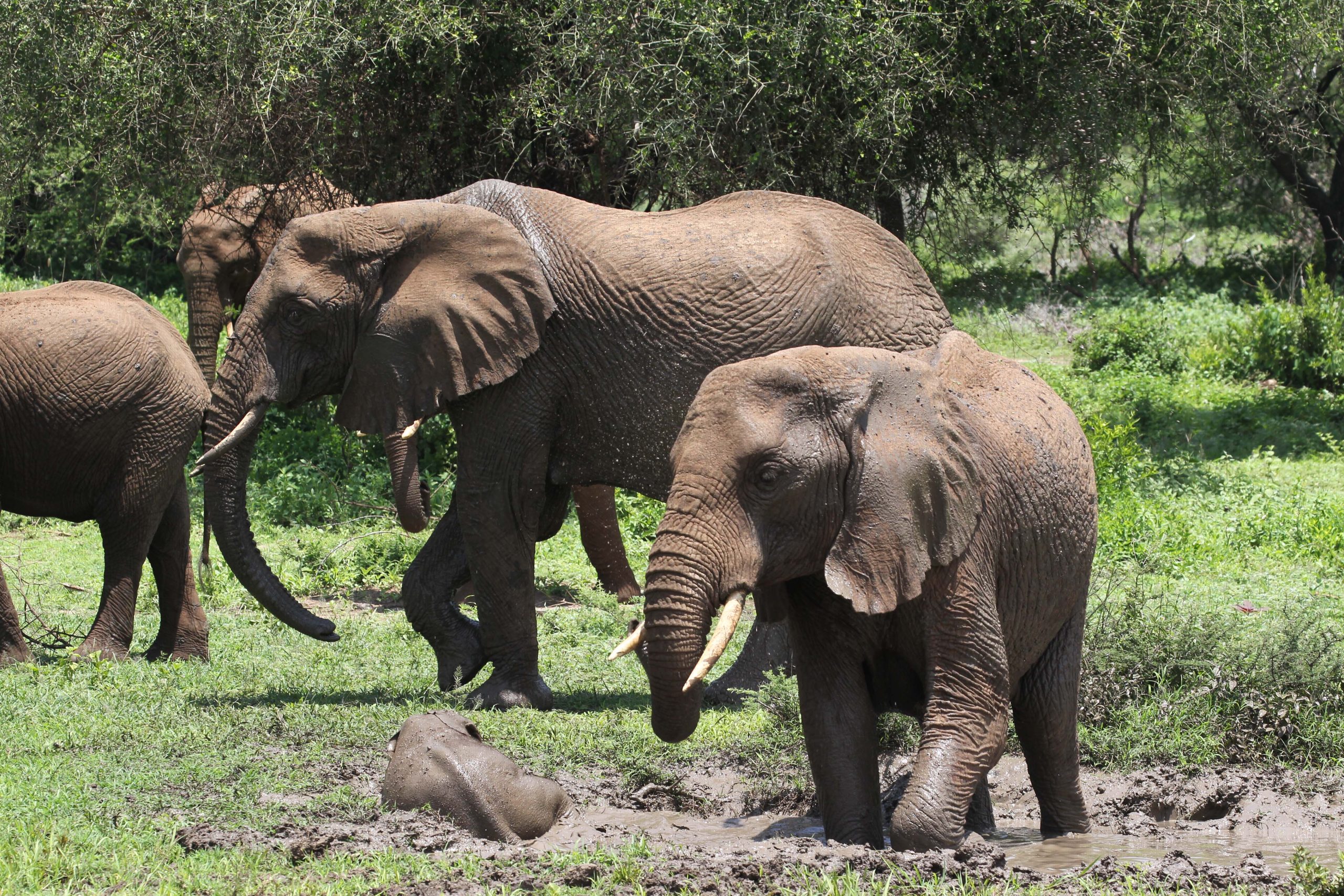
- Top Tourist Activities: Spotting fragile newborn ungulates and elephant calves, bird watching as colorful Palearctic migratory species arrive, exploring the scenic Mwaluganje Elephant Sanctuary, and enjoying a relaxing coastal road trip finale.
- Best For: Landscape photographers seeking dramatic green scenery, avid bird watchers looking for diverse migratory species, and low-season deal hunters wanting exceptional value.
Essential Requirements & Driving Rules in Kenya
To hire a self-drive 4×4 car in Kenya in 2027, ensure you have the following:
- Valid Driving License: An International Driving Permit (IDP) alongside your original national driver’s license.
- Passport Copies: Required for lease agreement generation and park entry registration.
- Age Requirement: Primary drivers must be at least 23 to 25 years old (depending on vehicle class) with at least 2 years of driving experience.
- Road Driving Culture: Drive on the LEFT side of the road in Kenya.
- Park Rules: Respect speed limits (40 km/h inside national parks), never drive off-track in protected reserves, and return to camp before gates close at 6:00 PM.
- Cross-Border Travel: Request COMESA Yellow Card insurance and an official Authority Letter from us in advance if crossing into Tanzania or Uganda.
What is the best 4x4 vehicle for a self-drive safari in Kenya?
For rugged off-road tracks, deep mud during rainy seasons, and remote parks like Samburu or Tsavo, a Toyota Land Cruiser (Prado TX/TXZ or 70 Series) is the top choice due to its high ground clearance, low-range 4WD, and durability.
For lightweight travel, asphalt-heavy circuits, or budget trips on main park roads, a Toyota RAV4 (4WD) is economical and reliable.
What camping equipment is included with a rooftop tent rental?
Rooftop tent rentals come fully equipped for self-sufficient bush camping. A standard kit includes:
- Waterproof rooftop tent with an integrated foam mattress and freshly laundered bedding.
- Foldable camping table and camp chairs.
- Gas cooker, butane bottle, cookware, frying pans, and dining utensils.
- Electric 12V mini-fridge/freezer or insulated cool box.
- Rechargeable camp lanterns, headlamps, and recovery gear (jacks, tow ropes, spare tire, air compressor).
Can I hire a professional driver-guide instead of self-driving?
Yes. If you prefer to focus on game viewing or are uncomfortable driving on rough terrain, you can hire an experienced local driver-guide for an additional daily rate (typically $40 – $50/day plus driver park fees).
How do I pay for National Park entry fees in Kenya?
Kenya Wildlife Service (KWS) national parks (such as Amboseli, Tsavo, Lake Nakuru, and Aberdare) require digital payment prior to entry via the official eCitizen platform (ecitizen.go.ke). Cash is not accepted at park gates. Non-resident adult entry fees range from $50 to $90 per day depending on the park.
What are the rules and fees for self-driving in the Maasai Mara?
The Maasai Mara National Reserve is managed by county councils (Narok County and Mara Conservancy) rather than KWS.
- Park Entry Fees: Approximately $100 per non-resident adult/day from January to June, and $200 per adult/day during the peak Great Migration season (July to December).
- Vehicle Requirements: Entry is strictly restricted to purpose-built 4WD safari vehicles; standard low-clearance passenger cars are turned away at the gate.
Can I camp inside the National Parks and Reserves?
Yes. Parks offer both public campsites (shared drop toilets and running water, roughly $30/person/night) and special/private campsites (exclusive bush camping with no amenities, requiring advance reservation and ranger accompaniment).
Which side of the road do you drive on in Kenya?
In Kenya, driving is on the LEFT side of the road, and vehicles are right-hand drive (RHD).
Is driving at night allowed or recommended?
Night driving outside major urban areas or inside national parks is strongly discouraged. Unlit roads, livestock, wildlife crossings, broken-down trucks, and poor visibility present significant hazards after dark. Park gates strictly close at 6:00 PM, and game driving after hours is forbidden unless accompanied by licensed rangers in private conservancies.
What licenses and documents do I need to drive in Kenya?
To rent and drive a 4x4 in Kenya, you must present:
- A valid national driver’s license from your home country (held for at least 2 years).
- An International Driving Permit (IDP) alongside your original license.
- Your passport and Kenya eTA approval copy.
How do I navigate off-grid when cell coverage drops?
Downloading offline mapping apps such as Maps.me or Gaia GPS prior to entering remote parks (like Samburu, Meru, or Tsavo) ensures reliable offline navigation. Main trunk roads use Google Maps effectively, but park tracks require offline GPS.
Can I take my rental 4x4 across borders into Tanzania or Uganda?
Yes, cross-border road trips are popular, but you must request cross-border documentation from the rental agency at least 2–3 weeks in advance. Required documentation includes:
- COMESA Yellow Card Insurance: Regional third-party motor insurance.
- Authority Letter / Power of Attorney: Official permission from the vehicle owner to cross international borders.
What month is best for a Kenya 4x4 self-drive safari?
- Best for Wildlife & Dry Roads (Peak): July to October (Great Migration in Maasai Mara) and January to February (dry weather, excellent predator action).
- Best for Budget & Lush Scenery: November to December (short rains, newborn animals) and March to May (long rains, low season rates, green landscapes requiring heavy-duty 4WD).
Zero Paperwork Stress
We pre-arrange your COMESA Yellow Cards, cross-border permissions, and park permits prior to your arrival.
Full Travel Planning
Receive tailored month-by-month itineraries, campsite bookings, and custom offline GPS maps for your trip.
Rugged 4x4 Fleet
Hire dependable, fully equipped Toyota Land Cruisers or RAV4s fitted with rooftop tents and full camping gear.
No responses yet