
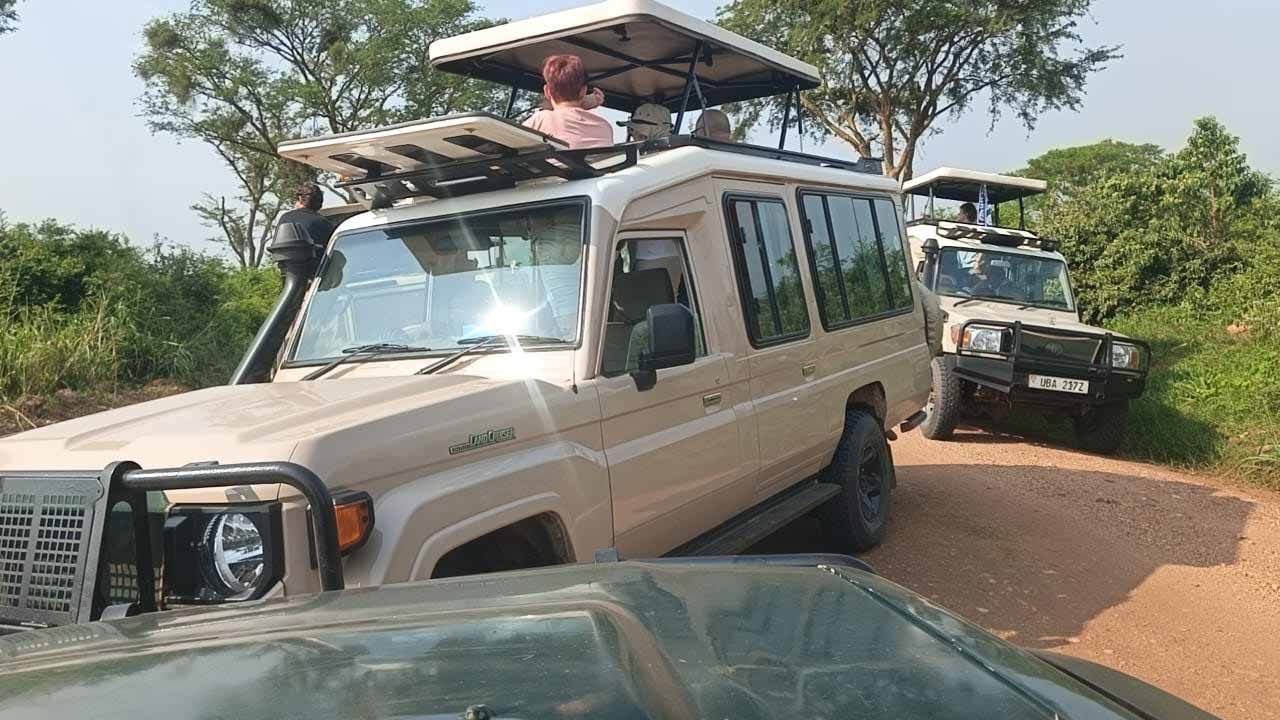
Do You Need a Safari Guide for a Kenyan Safari?
Picture this: The golden East African sun is rising over the sweeping savannahs of the Maasai Mara. A herd of elephants silhouettes against the horizon, and somewhere in the distance, a lion’s roar echoes through the crisp morning air. You are finally on your dream Kenyan safari.
But as you sit behind the wheel—or look at the maze of dusty tracks branching out before you—a crucial question pops into your mind: Do I actually need a safari guide for a Kenyan safari, or can I do this entirely on my own?
It is one of the most common and pivotal dilemmas for travelers planning an East African road trip. Whether you are leaning toward the absolute freedom of a self-drive adventure or the effortless luxury of a guided tour, making the right choice determines whether your safari is an unforgettable wildlife masterpiece or an exhausting, stressful logistical nightmare.
This comprehensive guide breaks down everything you need to know, expanding on the core advantages of professional guiding, analyzing self-drive risks, and equipping high-intent travelers with the insights needed to book the ultimate Kenyan wildlife experience.
The Core Verdict: Do You Need a Safari Guide?
Ultimately, the answer depends entirely on your travel style, confidence level, technical driving experience in rough terrain, and ultimate holiday priorities:
- Choose a Safari Guide if: It is your first time visiting Africa, you want deep educational insights into wildlife behavior, you prefer a stress-free holiday where someone else handles the rough terrain, or you want to maximize your chances of tracking and spotting the elusive Big Five (lion, leopard, elephant, rhino, and buffalo).
- Consider Self-Driving only if: You are an exceptionally experienced overlander, possess advanced mechanical troubleshooting skills, have extensive off-road 4×4 driving experience in sub-Saharan conditions, and are fully prepared to absorb the high financial liabilities of vehicle damage and navigation failures.
When you choose to travel with a professional Kenyan safari guide, you unlock an array of invaluable benefits designed to elevate your entire East African journey from a simple road trip into a life-changing expedition.

Reasons Why You Need a Professional Kenyan Safari Guide
Navigating Kenya’s world-renowned national parks and reserves—such as Amboseli, Tsavo, Lake Nakuru, and the Maasai Mara—is vastly different from driving through European or North American countryside. Here is a deep dive into the 15 distinct advantages of hiring a professional guide.
1. Security and Peace of Mind
Navigating remote wilderness areas, sprawling savannahs, and unfamiliar rural towns can feel profoundly daunting. Professional guides provide a secure safety net through their deep situational awareness, established local networks, and constant communication via VHF radio with park authorities, rangers, and other lodges. You are never truly alone or stranded; you are looked after every step of the way by someone who knows the terrain like the back of their hand.
2. Assured Tracking of Wildlife
Finding predators in vast, open ecosystems isn’t just about casually looking around out of a window—it is an art form rooted in tracking science. Experienced guides achieve this by reading fresh paw prints and dung on dusty tracks, listening closely to bird alarm calls (which signal a predator’s presence nearby), and coordinating via radio channels with a network of other guides across the park. This collaborative tracking dramatically increases your chances of spotting elusive leopards draped in acacia trees or cheetahs scanning the plains.
3. Safer Wildlife Encounters
Getting too close to wild animals—such as protective mother elephants, agitated buffalos, or territorial hippos—can be extremely dangerous, sometimes fatal. Guides know the subtle behavioral warning signals of wildlife, such as flattened ears, stiffened gaits, trunk-swishing, or mock charges. They intuitively position the safari vehicle at a respectful, safe distance to protect both you and the animals, ensuring thrilling photography without triggering aggressive defensive behaviors.
4. Understanding the Ecosystem (Beyond Just Looking)
Without a guide, an animal sighting is often just a fleeting glance: “Oh look, a zebra.” With a guide, the ecosystem instantly comes to life. They explain complex social structures, intricate predator-prey relationships, botanical uses, and the conservation history of the region. This transforms a simple animal sighting into a rich, educational, live documentary experience that deepens your appreciation for nature.
5. Identifying Birds, Flora, and Smaller Creatures
While large mammals naturally capture most of the initial attention, Kenya is a biodiversity hotspot boasting over a thousand bird species, unique acacia trees, and fascinating reptiles and insects. Guides carry expert knowledge, specialized field experience, and trained eyes, quickly pointing out and naming specialized birds (like the colorful lilac-breasted roller), medicinal plants, and smaller creatures you would otherwise easily drive right past.
6. Maximized Photography Opportunities
A breathtaking wildlife photograph requires precise angles, ideal lighting, and anticipation of movement. Guides understand professional wildlife photography positioning; they deliberately maneuver and park the 4×4 safari vehicle with the sun at your back, factoring in wind direction and the animal’s anticipated walking path. This ensures you get that iconic, frame-worthy shot without harsh shadows or obstructed views.
7. Superior Sight-Seeing Without Driving Distractions
When you are behind the wheel on rough, corrugated terrain, 100 percent of your mental focus has to go toward avoiding deep potholes, sharp rocks, washed-out gullies, and steering control. A guide takes over all driving responsibilities entirely, freeing your eyes, neck, and mind to fully scan the horizon, track animal movements through binoculars, and soak in the breathtaking panoramic landscape.
8. Time Efficiency and Optimized Route Planning
Park gates across Kenya have strict operating hours (typically opening at 6:00 AM and closing at 6:00 PM), and distances between camps or reserves can be deceptively long. Guides leverage their intimate knowledge of local terrain, seasonal mud patches, and alternative tracks to map optimized daily routes. They ensure you reach your safari camps, park gates, and prime sunrise/sunset viewpoints right on schedule without getting lost.
9. Zero Hassle with Police and Bureaucratic Paperwork
Administrative checkpoints, park entry fee registrations, county council fees, and routine police traffic stops can severely slow you down if you aren’t familiar with local protocols. Guides handle all communications, digital park fee paperwork (such as Kenya Wildlife Service systems), and local protocols smoothly, professionally, and politely on your behalf.
10. Reduced Physical Stress and Fatigue
Hours of battling heavily corrugated dirt roads, dust, and deep ruts drain your physical energy faster than you might expect. By handing the steering wheel over to a seasoned professional, you arrive at your evening luxury lodge relaxed, refreshed, and ready to enjoy a gourmet dinner and a glass of wine, rather than physically exhausted and sore from driving.
11. Protection From Unexpected Fines and Financial Penalties
Unfamiliarity with local speed limits, restricted off-road driving zones, and strict Kenya Wildlife Service park regulations can lead to extraordinarily heavy traffic fines, vehicle impoundment, or legal penalties. Professional guides know all local laws, park rules, and route regulations intimately, keeping your wallet completely safe from avoidable and costly mistakes.
12. No Need for International Driving Licenses or Special Permits
Renting a car for a self-drive safari often requires complex cross-border documentation, verification of foreign driver’s licenses, and specific commercial vehicle endorsements. Booking a guide-driven safari package completely bypasses these bureaucratic hurdles, letting you step off the plane and straight into vacation mode.
13. Zero Liability for Car Damage and Recovery Charges
True off-roading carries inherent risks: underside rock impacts, punctured oil pans, stuck tires in black-cotton mud, or mechanical strain from deep ruts. When you drive a self-hire car, you carry 100 percent financial liability for trail damage, towing fees, and mechanical recovery. With a professional guide driving a specialized safari vehicle, you carry zero liability for accidental trail challenges.
14. Built-In Mechanical Knowledge and Problem-Solving
If a flat tire, minor electrical glitch, or mechanical hiccup occurs miles away from civilization in the middle of Tsavo or the Maasai Mara, self-drivers can easily panic. Professional safari guides carry the technical know-how, onboard toolkits, dual spare tires, winches, and practical problem-solving skills to diagnose and fix mechanical issues on the spot without ruining your itinerary.
15. A Bridge Across Language and Cultural Barriers
Traveling through local trading centers, rural Maasai or Samburu villages, and community conservancies can involve language gaps. Professional guides act as immediate cultural and linguistic bridges. Fluent in English, Kiswahili, and various regional indigenous languages, they make local interactions, market visits, tipping protocols, and authentic cultural exchanges smooth, respectful, and deeply welcoming.
Comparing Your Options: Guided Safari vs. Self-Drive Safari
To help high-intent travelers weigh their choices transparently, let’s look at a direct side-by-side comparison of what to expect from both approaches:
Guided vs. Self-Drive Safari
| Feature | Professional Guided Safari | Self-Drive Safari |
|---|---|---|
| Stress Level | Zero stress; fully managed logistics | High stress; constant focus on navigation & road conditions |
| Wildlife Sightings | Exceptionally high (radio network & tracking skills) | Hit-or-miss (limited to what is directly visible) |
| Vehicle Safety | Maintained, custom 4x4 with high clearance | Standard rental 4x4 prone to punctures & damage |
| Educational Value | Immersive expert commentary & ecological context | Limited to guidebook reading and guesswork |
| Financial Risk | Predictable, fixed cost with zero damage liability | High exposure to repair bills, towing, and fines |
| Driver Fatigue | None; relax and watch the wildlife | High; hours of strenuous corrugated road driving |
Frequently Asked Questions (FAQs) for High-Intent Travelers
Is tipping a safari guide customary in Kenya?
Yes, tipping is standard practice in the Kenyan tourism industry to reward exceptional service. While amounts vary based on the length of your trip and satisfaction, tipping your guide anywhere from $15 to $30 per day (combined from the travel party) is widely appreciated.
Can I request a private guide for my family or honeymoon?
Absolutely. Most premier tour operators offer private safari vehicles and dedicated private guides, ensuring your itinerary is entirely flexible around your personal schedule, photography interests, and resting preferences.
Are Kenyan safari guides licensed?
Reputable safari companies exclusively employ guides certified by professional bodies such as the Kenya Professional Safari Guides Association (KPSGA), which grades guides across Bronze, Silver, and Gold levels based on rigorous examinations in ornithology, botany, and zoology.
Expert Recommendation
Secure Your Dream Kenyan
Safari Today
Planning a journey to East Africa is a major investment of your time, energy, and financial resources. While the idea of a self-drive safari sounds like rugged independence, the reality of mechanical breakdowns, hidden navigation traps, and missed wildlife sightings makes hiring a professional safari guide the ultimate choice for discerning travelers.
Let an expert take the wheel, handle the tracking, and turn your African vacation into an effortless, educational, and breathtaking adventure of a lifetime.




No responses yet