

Climbing Kilimanjaro: What It Actually Takes to Reach the Roof of Africa
Somewhere around three in the morning, on a scree slope so steep and so cold that your headlamp beam is the only thing that exists, most people climbing Kilimanjaro share the exact same thought: why am I doing this? It arrives on schedule, somewhere between Stella Point and the final push to Uhuru Peak, delivered by a body running on half the oxygen it is used to and legs that have been walking uphill for six days. And then the sky starts to lighten over the curve of the Earth, the crater edge appears out of the dark, and almost everyone who has stood there will tell you, without irony, that it was the best terrible idea they ever had.
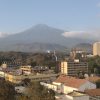
Kilimanjaro is the tallest freestanding mountain in the world, rising to 5,895 meters out of the Tanzanian plains with no connecting mountain range to share the credit—which is a major reason it captures the imagination the way it does. It requires no ropes, no technical climbing skill, and no prior mountaineering experience. That accessibility is precisely why so many people underestimate it, and why so many people fail to reach the top. In the technical sense, this is a walk rather than a climb. However, it is also one of the most physically demanding endeavors most people will ever undertake. Understanding the physical challenges and learning how to give yourself a real shot at the summit matters more than almost anything else in your planning process.

Why “Just a Walk” Still Defeats So Many Climbers
The mountain’s true obstacle is not conventional physical fitness. It is altitude. At 5,895 meters, the air holds roughly half the oxygen available at sea level. Your body’s ability to adapt to that thinning atmosphere has almost nothing to do with how many miles you can run or how much weight you can lift at home. Altitude sickness—manifesting as headaches, nausea, disrupted sleep, and in severe cases conditions like high-altitude pulmonary or cerebral edema—can strike a marathon runner just as easily as a first-time hiker. This remains the single biggest reason climbers turn back short of the summit.
Practically speaking, the most critical decision when planning a Kilimanjaro expedition is not which boots to buy or how many months to train. It is how many days you spend on the mountain. Every extra day provides vital acclimatization, allowing your body time to produce more red blood cells and adjust to the thinner air. Statistics from reputable operators show clear trends:
- 5-day routes: Summit success rates range as low as 25% to 33%.
- 6-day routes: Success rates rise into the 40s and 50s.
- 7-day routes: Success rates climb into the 60s and 70s.
- 8 and 9-day routes (Lemosho and Northern Circuit): Regularly report success rates exceeding 90%.
The mountain does not reward speed; it rewards patience. The Swahili phrase repeated like a mantra by every guide on the mountain is “pole pole”—slowly, slowly.

Choosing Your Route: Seven Paths Up the Same Mountain
There are seven officially recognized routes to the summit. Choosing between them involves balancing scenery, crowd levels, camping style, and—most importantly—your acclimatization profile and duration.
- Lemosho Route (7–8 Days): Widely favored by serious trekking operators, this route approaches from the west through remote rainforest, crosses the expansive Shira Plateau, and traverses the iconic Barranco Wall. Combining stunning scenery with moderate crowds and a strong acclimatization profile, it yields success rates around 90% and is a top pick for first-timers.
- Northern Circuit (9–10 Days): The longest route on the mountain, designed specifically to maximize acclimatization. It wraps around the quiet northern slopes, seeing minimal traffic before joining the standard summit push. If your priority is the highest realistic chance of standing on Uhuru Peak and you have the time and budget, this is the gold standard.
- Machame Route / “Whiskey Route” (6–7 Days): The most popular route on the mountain. It is steeper and more physically demanding than Lemosho, featuring striking landscapes and the same Barranco Wall approach. Due to its popularity, it sees heavier foot traffic, with success rates in the mid-to-high 80s on the seven-day itinerary.
- Marangu Route / “Coca-Cola Route” (5–6 Days): The only route offering communal hut accommodations instead of tents. Because it is the shortest standard option, it features the lowest success rates (50% to 60% on shorter itineraries). It appeals to travelers prioritizing comfort and lower costs over summit odds.
- Rongai Route: Approaching from the north near the Kenyan border, this is the driest route on the mountain. It serves as an excellent option during shoulder rainy seasons, offering lighter traffic and unique arid landscapes.
- Umbwe Route: The steepest and most direct route to the summit. It offers dramatic scenery and near-total solitude, but its rapid ascent profile results in lower success rates, making it suitable primarily for experienced high-altitude climbers.
What a Guided Climb Costs and What You Are Paying For
A quality guided Kilimanjaro expedition generally ranges from $4,500 to $7,500 per person. Understanding what drives this cost helps avoid cheap operators who compromise safety or ethics. Tanzanian National Parks Authority regulations mandate that every climber be accompanied by a licensed guide—solo climbing is strictly prohibited. A proper expedition also requires an extensive support team of assistant guides, cooks, and porters to carry gear and supplies, often numbering three to four staff members per client.
Lower-priced packages typically cover shorter, six-to-seven-day itineraries with no-frills operators. Higher-end costs pay for extended acclimatization itineraries, smaller group sizes, superior equipment, and fair wages for porter teams. Ethical treatment of porters is critical, as some budget operators overload staff or provide inadequate gear. Look for operators affiliated with the Kilimanjaro Porters Assistance Project (KPAP) or similar accountability programs.
Daily Realities on the Mountain
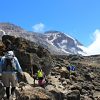
Regardless of your chosen path, the rhythm of a Kilimanjaro climb follows a distinct progression. The journey begins in lush, mist-shrouded montane rainforests where colobus monkeys leap through the canopy. As you ascend, the forest transitions into heath and moorland, populated by bizarre giant lobelias and groundsels adapted to extreme daily temperature fluctuations. Higher still, the environment transforms into an alpine desert—rocky, lunar, and starkly beautiful as the air thins progressively.
The final summit push begins around midnight from high camp. Climbers move in absolute darkness by headlamp toward Stella Point on the crater rim, timing their ascent to catch the sunrise. This stretch tests your physical and mental limits through endless switchbacks of loose scree. Reaching Stella Point (5,756 meters) earns you a certificate, but the true summit—Uhuru Peak at 5,895 meters—requires another 45 to 60 minutes of walking around the crater rim to reach the iconic wooden sign. Groups typically spend 15 to 30 minutes at the peak before beginning the steep, knee-jarring descent to lower camps.
Training, Timing, and Essential Preparation
Physical preparation for Kilimanjaro focuses less on heavy gym training and more on building cardiovascular and muscular endurance for sustained, multi-day walking on uneven terrain. Long training hikes with a loaded daypack, stair climbing, and consistent cardio conditioning deliver the best results. However, no amount of fitness completely prevents altitude sickness; pacing, hydration, and adherence to pole pole ultimately dictate success.
The optimal climbing windows align with Tanzania’s dry seasons: January through March and July through October. July and August experience the heaviest crowds, whereas the January-to-March window offers equally stunning weather with fewer trekkers. Because prime departure slots fill up six to nine months in advance, early booking is essential.
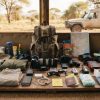
Consulting a travel doctor about prophylactic altitude medication like acetazolamide and reviewing required vaccinations is an important pre-trip step. Quality layered clothing capable of managing extreme temperature shifts—from tropical base heat to sub-zero summit conditions—is non-negotiable.
The Ultimate Mountain Experience
Standing at Uhuru Peak offers a perspective unlike any other. While retreating glaciers serve as a sobering reminder of global climate change, the surrounding panorama remains extraordinary: a 360-degree view stretching across the curvature of the Earth, overlooking the vast plains of Tanzania and Kenya in profound, absolute silence.
The physical exhaustion and thin air often make memories of the summit feel brief and surreal, but the journey—the shifting ecosystems, the camaraderie formed through shared challenge, and witnessing dawn from above the clouds—stays with travelers for a lifetime. It remains one of the most accessible true mountaineering feats available to moderately fit adventurers anywhere in the world.
No responses yet