
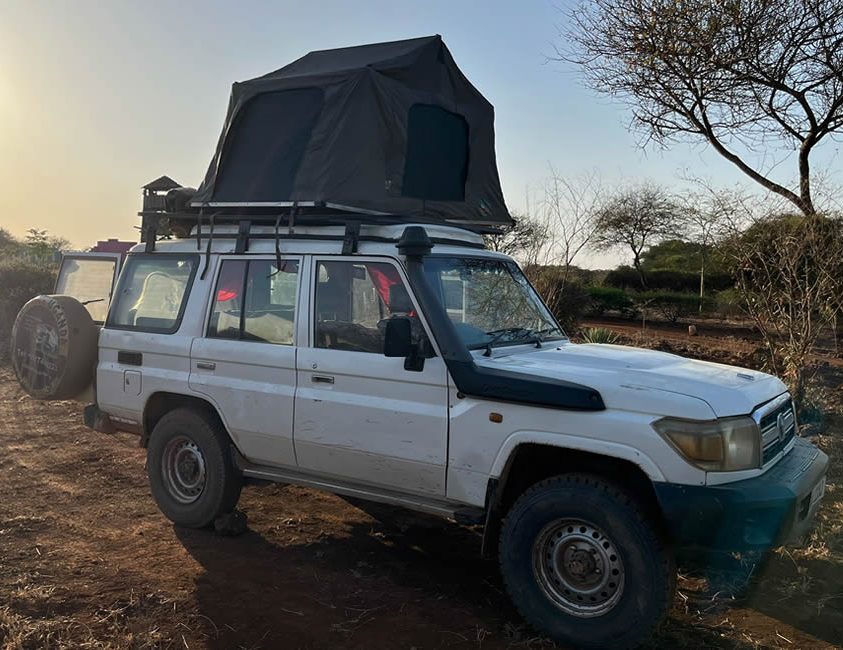
Rooftop Tents vs. Ground Tents for East Africa Self-Drive Safaris: What Decades of Safari Veterans Say
When planning an epic, multi-country self-drive safari across the legendary landscapes of Kenya, Tanzania, Uganda, and Rwanda, your camping setup can completely shape your journey. Whether you are tracking the Great Migration across the Maasai Mara and Serengeti, searching for mountain gorillas in Bwindi and Volcanoes, or traversing remote East African wilderness borders, choosing where you sleep matters.
To cut through the marketing noise, we analyzed a raw debrief from experienced travelers with decades of hands-on experience camping and driving across Africa. Their field-tested wisdom reveals the honest truth about rooftop tents (RTTs) versus traditional ground tents to help high-intent travelers make the right choice for an unforgettable cross-border expedition.
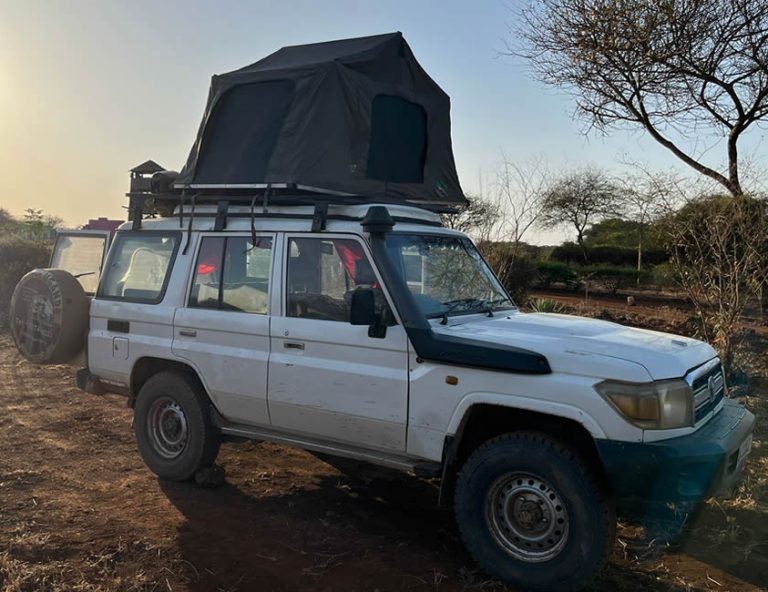
Insights from the Bush: What Veteran Travelers Say
1. Mobility vs. Extended Base Camps
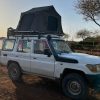
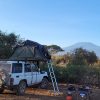
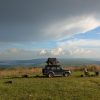
- The Fast-Paced RTT Advantage: Travelers who change locations daily or every couple of days favor pop-up rooftop tents where bedding can stay tucked inside. As long-term overlanders note, if your itinerary keeps you moving across parks constantly, an RTT offers rapid deployment for quick roadside stops or fast campsite breakdowns.
- The Deep-Stay Ground Tent Advantage: If you plan to settle into a camp for three days or longer—such as a multi-day stay near the Serengeti or Queen Elizabeth National Park—veterans strongly recommend a spacious ground tent. They offer full headroom to stand up and change clothes, separate changing space, and a covered veranda to cook or read when sudden East African equatorial rains hit.
2. The Wildlife Reality Check
- Peace of Mind vs. Big Animal Fact: While RTTs elevate you above ground-level annoyances like sand fleas, dust, and smaller nocturnal visitors (like hyenas or ratels), veteran safari guides offer a reality check. Predators like lions and leopards are climbers, and an RTT on a tall 4×4 does not offer absolute immunity from elephants or large wildlife. Long-term travelers point out that wild animals generally ignore tents because they do not know what is inside. Good ground tents provide an immersive, authentic bush experience without letting fear dictate your gear choice.
3. Practical Drawbacks of Rooftop Tents on Long Expeditions
For travelers planning extended cross-border itineraries through rugged terrain, veterans highlight several friction points with RTTs:
- The Ladder Hazard: Multiple seasoned travelers warn that climbing up and down a metal ladder in the dead of night—especially when morning dew or rain makes the rungs slippery—can be a hazardous, heart-racing experience, particularly after a long day of driving.
- Vehicle Weight & Clearance: Mounting a heavy RTT on a fully built safari vehicle (like a Land Cruiser) increases vehicle height, impacts fuel consumption, and creates a major chore every time you want to pack up your entire bedroom just to take a quick afternoon game drive.
- Cross-Border Practicality: For cross-border travelers moving fluidly between Kenya, Tanzania, Uganda, and Rwanda, keeping gear lightweight, modular, and easy to manage simplifies campsite setup under varying weather and park conditions.











No responses yet