
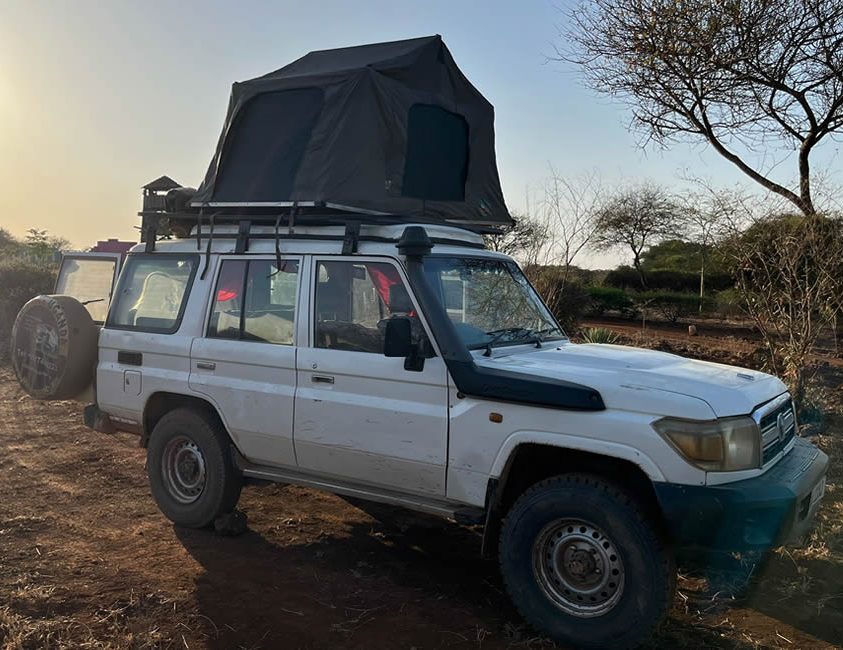
Essential Tips for an Unforgettable Self drive Adventure in Rwanda
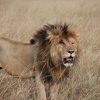
Though many travellers prefer guided safaris, Rwanda has quietly become one of East Africa’s most rewarding destinations for self drive travellers. If you an adventure lover, getting behind the wheel by your self is the best option to explore at your own pace. Rwanda has smooth tarmac roads connecting from Kigali to the countryside, short distances between attractions. While on your self-drive safari in the Land of a Thousand Hills, you are welcomed by a rare combination of scenic attractions: the thrill of a Big Five safari in Akagera National Park, is the heart of this experience, letting you track lions, elephants, rhinos, buffaloes, and leopards at your rhythm, pausing wherever the landscape or the wildlife demands it. Below are the essential tips every visitor should know before setting out, so the freedom of a self-drive safari doesn’t come at the cost of safety, comfort, or a run-in with park rules.
1. Choose the Right Vehicle
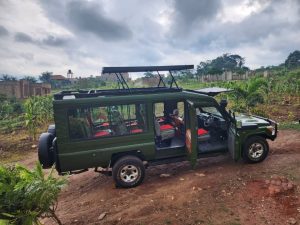
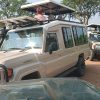
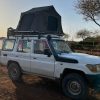
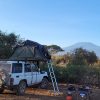
While Rwanda’s main highways are well paved, the tracks inside Akagera range from graded dirt roads to rougher paths, especially in the park’s northern sector. A 4×4 with high ground clearance is highly recommended, and during the rainy seasons it becomes close to essential, since sections of road can turn to thick mud that cannot be traversed by smaller vehicles. Renting a Land Cruiser or similar SUV designed for rough terrain will save you from the frustration, and the cost, of getting stuck far from help. Even some parts of Volcanoes national park require 4×4 land cruisers as some of the starting points of the treks require driving through rough hilly paths.
2. Sort Out Your Documents Before You Arrive
Foreign visitors can drive in Rwanda using a valid national driver’s license with no strict requirement for an International Driving Permit for at least one year. At the park centre gates or any security check point, so keep your passport, license, and payment proof together and easily accessible wherever needed.
3. Know and Respect the Speed Limits
In Rwanda, the general speed limit is 60 km/hr on major highways though some places can indicate up to 80 km/hr, in the city and in major towns, its 40km/hr, but can reduce due to road construction and other emergencies.
Inside Akagera, Rwanda’s only savanna park, speed limits around 30 to 40 kilometres per hour, and rangers enforce this strictly, with fines issued to drivers caught exceeding it. This is because animals often move onto the roads without warning, and slow speeds are what allow both you and the wildlife to react safely. Driving slowly also helps you to spot and observe more wildlife.
4. Stay on Marked Roads and Inside Your Vehicle
Off-track driving is prohibited throughout the park; this helps to both to protect fragile habitats and you ( the driver) from becoming stranded in areas rangers can’t easily reach. Similarly, visitors are required to remain inside their vehicles except in designated picnic spots, lodges, or campsites. Wild animals in Akagera, including buffaloes and elephants, are unpredictable even when they appear calm, stepping out to get a better photo is common mistake that can ruin your safari.
5. Time Your Entry and Exit Around Park Hours
Akagera National Park opens to day visitors at 6 a.m. and closes at 6 p.m., overstaying attracts a search operation and penalty. Plan your entry and exit early, both to comply with the park rules. early morning hours is when predators are often still active after a night’s hunt, herbivores come out for their daily feed, and in the afternoon elephants , buffaloes and antelopes gather near the water sources. Arriving at opening time consistently produces the best sightings of the day.
6. Fuel Up Before You Enter
Fuel stations inside and immediately around the park are scarce, its advisable top up your tank in Kigali or another major town before entering the park. if you have more than three days in the park, consult your rental company to improvise with extra cans to keep excess fuel while in the park. Running out of fuel deep inside the park isn’t just inconvenient, but also costly as the park will charge you for its rescue and getting out of the park means new entrance charges on return.
7. Carry the Right Safety Equipment
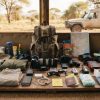
Rwandan law requires vehicles to carry a reflective warning triangle, a fire extinguisher, and a first-aid kit. You should confirm with your rental company that everything is on board before you leave. Beyond the law requirements, it’s wise to carry extra drinking water, a fully charged phone with a backup power bank, and the saved contact numbers for park rangers, local police, and your rental company, for any uncertainties during the trip.
8. Keep Noise to a Minimum
Sounding your horn inside the park is discouraged and can result in a fine, since unexpected noise frightens wildlife and disrupts their natural behaviour. This also applies to loud music or shouting. Part of the appeal of a self-drive safari is the quiet, unhurried pace it allows, so let that quiet nature work in your favour.
9. Consider Adding a Local Guide for Part of Your Visit
Self-driving doesn’t mean you have to go alone for the entire trip. At times you need the company a local ranger or guide especially during game drive, since their knowledge of animal movement patterns and recent sightings can turn your drive into an exceptional experience. You will keep full control of the vehicle and the pace and the guide simply adds local expertise.
10. Don’t Overlook other activities offered in the same park.
Though not part of the driving itself, activities like boat cruises, guided nature walks, birding, or hikes, Boat cruises offer close encounters with aquatic life like hippos, crocodiles, and an impressive range of water birds that are harder to appreciate from the shore or a vehicle window. Activities besides game drives offer a completely different perspective on the park’s ecosystem.
11. Check the Season Before You Book
Rwanda’s dry season, divides two, a long spell in June to September and the shorter dry spell from December to February. during this time, roads are firmer though dusty, animals often congregate around water sources, making it easier for driving and better sightings. The wet season, from March to May and again from late September into November, transforms the park into lush greenery and can bring animals closer to the trails, but muddy roads may limit access to certain areas and sudden downpours can interrupt a day’s plans. However, neither season rules out a great trip, but knowing what to expect helps you pack, plan routes, and set realistic expectations.
12. Plan Ahead if Combining Parks
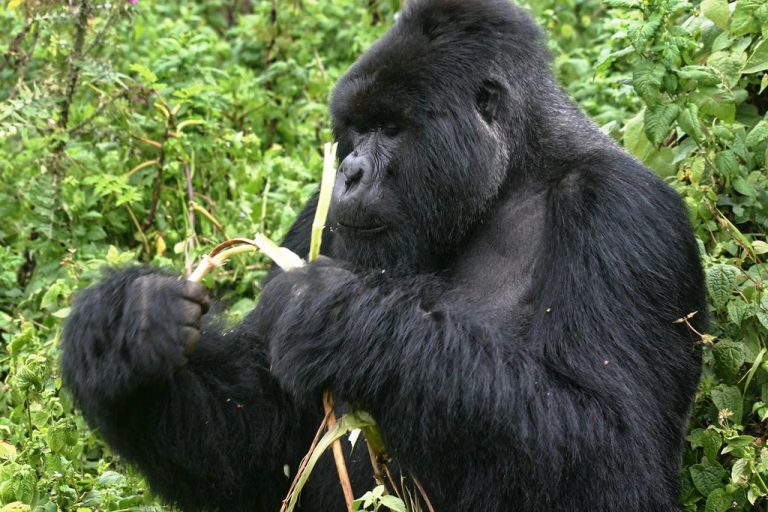
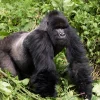
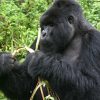
Its always possible to combine self drive safaris to Akagera national park and other tourism destinations in Rwanda. from Akagera you can proceed to Volcanoes National Park for gorilla tracking and chimpanzee tracking in Nyungwe Forest. If your itinerary includes gorilla trekking, book tracking permits in advance, since they sell out quickly. Spending at least two nights in Akagera or Nyungwe in November and May also qualifies you for a discounted gorilla trekking permit. this makes your trip more adventurous more than booking each park or any other tourism attractions in the country in isolation.
Master the Journey. Drive Your Own Adventure.
A self-drive safari in Rwanda becomes deeply rewarding with proper preparation and respect for your destination. Rwanda stands among the easiest places in Africa for first-time independent travelers—compact, featuring well-maintained roads and exceptionally hospitable locals.
Self-drive gives you the freedom to explore vibrant cities, iconic national parks, cultural centers, and tranquil retreats at your own pace, putting you in full control of your adventure behind the wheel.
No responses yet