

Planning a trip to Kenya is an unforgettable adventure, but timing is everything. Whether you are aiming to witness the legendary Great Migration or trying to avoid muddy, impassable roads on a self-drive safari, knowing when to go—and when to hold off—can make or break your trip.
Here is a comprehensive breakdown of the best and worst times to visit Kenya so you can plan the perfect itinerary.
At a Glance: Kenya’s Seasonal Calendar
| Season & Timing | What to Expect & Best For |
|---|---|
| Peak / Best Time July, August, September, October |
Expect: Dry, sunny days. Wildlife congregates heavily around remaining water sources. Best For: The Great Migration, General Safari, Self-Drive |
| Shoulder Season January, February, November, December |
Expect: Short rains (Nov-Dec), followed by a hot, dry spell (Jan-Feb). Fewer crowds. Best For: Bird watching, newborn animals, lower rates |
| Low / Worst Time March, April, May |
Expect: Long, heavy rains. Muddy roads, dense vegetation, closed camps. Best For: Budget travelers (if prepared for logistics) |
| Slight Shoulder June |
Expect: Transition month. Landscapes are green and beautiful. Best For: Avoiding crowds right before peak season mission |

The Best Time to Visit Kenya (July to October)
If you want the quintessential African safari experience, July through October is undisputed. This is Kenya’s dry winter season, offering optimal conditions for exploring the savannah.
Why It’s the Best:
- The Great Migration: From July to October, millions of wildebeest, zebras, and gazelles cross the Mara River from the Serengeti into the Masai Mara. This dramatic spectacle is a bucket-list event for wildlife lovers.
- Excellent Wildlife Viewing: Because it hasn’t rained in months, natural water holes dry up. Animals are forced to congregate around predictable permanent rivers and water sources, making them incredibly easy to spot.
- Impeccable Driving Conditions: If you are renting a 4×4 for a self-drive safari, the dry tracks mean you won’t have to worry about getting bogged down in deep mud.
- Perfect Beach Weather: It is also a fantastic time to hit the coast (Mombasa, Diani, Watamu) for clear blue skies and cool ocean breezes.
Note: Because this is peak season, expect higher lodge rates and more safari vehicles sharing the parks. Booking your 4×4 rental and accommodation months in advance is highly recommended.
The Worst Time to Visit Kenya (March to May)
While Kenya is technically a year-round destination, March, April, and May represent the “long rains” season and are widely considered the worst time to visit for a traditional safari.
Why to Avoid This Period:
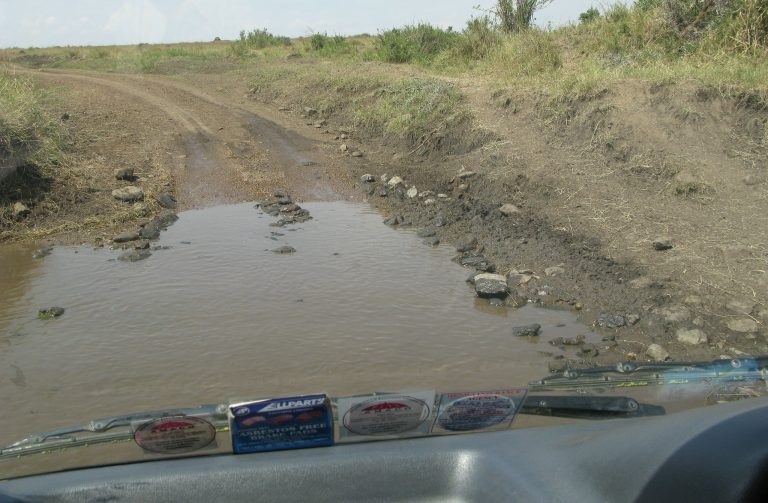
Impassable Roads: Heavy downpours can transform smooth dirt tracks into treacherous clay slips. Even with a highly capable 4×4 vehicle, navigating remote sections of parks like Tsavo or the Masai Mara can become exhausting or outright dangerous.
Scattered Wildlife: Rain fills up small pools across the parks. Animals no longer need to visit major waterholes, spreading out deep into the thick bush where they are much harder to find.
High Vegetation: The bush grows tall and lush rapidly. While beautiful, this dense greenery gives predators like lions and leopards perfect camouflage, reducing your chances of seeing them.
Flooding & Closures: Some remote tented camps and lodges close entirely during April and May for maintenance due to localized flooding and low demand.
The Silver Lining (For Budget Travelers)
If you do choose to travel during the low season, it isn’t all bad news. Lodges drop their prices drastically, and you will often have entire national parks completely to yourself. If you choose this time, renting a heavy-duty, high-clearance 4×4 Land Cruiser is non-negotiable.
The Shoulder Season (November to February)
If you want a great balance of decent weather, fewer crowds, and fair pricing, the November to February window is a fantastic alternative.
- November & December: Known as the “short rains.” Showers usually happen in the late afternoon or night, rarely disrupting daytime game drives.
- January & February: A short dry spell that is historically fantastic for visiting. It’s prime time for bird watching as migratory species arrive from Europe, and it’s also calving season, meaning plenty of baby animals (and predators on the hunt).
Ready to Explore Kenya?
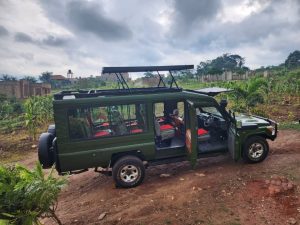
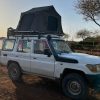
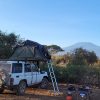
Don’t let the weather catch you off guard. No matter what time of year you choose to experience East Africa, having the right vehicle makes all the difference. Check out our fleet of reliable, fully equipped 4×4 Safari Vehicles to secure your ride for the ultimate Kenyan road trip!











No responses yet