

Lake Victoria Circuit: Complete Cross-Border Overland Itinerary
The Great Lake Victoria Circuit is Africa’s premier trans-boundary overland road trip. This legendary route loops entirely around Lake Victoria—the largest tropical lake in the world and the chief reservoir of the Nile River. Spanning over three countries, this circuit weaves through the ecotones of Uganda, Kenya, and Tanzania.
Unlike standard regional tour packages that confine you to a single country, the Cross-Border Lake Victoria Loop links the primary primate forests of Uganda, the bird-rich tropical canopies and classic big-game plains of Kenya’s Maasai Mara, and the vast, unyielding savannahs of Tanzania’s Serengeti into a seamless, multi-week self-drive or guided overland expedition.
This comprehensive, SEO-optimized, 3,000-plus-word guide delivers an authoritative, day-by-day blueprint for navigating this 21-day itinerary. It outlines primary activities, route logistics, border-crossing procedures, and multi-tier accommodation options for every single overnight stay.
Route Overview and Expedition Logistics
Conquering the Lake Victoria Circuit requires rigorous logistical preparation, a specialized four-wheel-drive vehicle, and clear knowledge of trans-boundary traffic rules. The circuit covers roughly 2,500 to 3,000 kilometers depending on the specific tracks selected within the national parks and reserves.
Vehicle Selection and Requirements
Do not attempt this circuit in a standard two-wheel-drive sedan or a low-clearance crossover vehicle. The seasonal tracks in the Maasai Mara, the corrugations of the western Serengeti, and the remote border routes between Kenya, Tanzania, and Uganda feature deep mud, loose gravel, river crossings, and severe washboarding.
| Vehicle Component | Requirement Specifications |
| Drive System | True 4x4 with high and low-range transfer case capabilities |
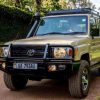
| Vehicle Models | Customized Toyota Land Cruiser (70 Series), Land Cruiser HJ80/V8, or Toyota Hilux |
| Tire Specifications | All-Terrain (A/T) or Mud-Terrain (M/T) tires with at least 8mm tread depth |
| Spares & Recovery | Two full-sized spare tires, high-lift jack, tow straps, shovel, and air compressor |
| Fuel Capacity | Extended long-range fuel tanks or a minimum of two 20-liter auxiliary jerry cans |
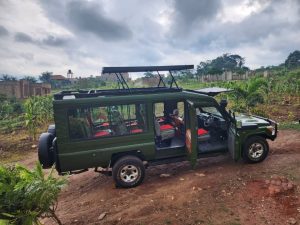
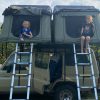
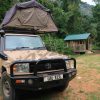
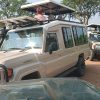
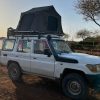
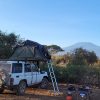
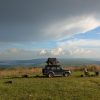
| Roof Structure | Pop-up safari roof for unobstructed wildlife viewing or integrated rooftop tent systems |
Cross-Border Documentation Checklist
Crossing international borders with a motorized vehicle in East Africa demands an organized portfolio of legal documents. Missing a single permit can result in being turned away at remote border stations like Busia, Isebania, or Mutukula.
| Document Title | Operational Purpose and Details |
| Valid Passport | Must possess at least 6 months of validity from your planned date of exit |
| East Africa Tourist Visa | Joint visa covering entry into Uganda and Kenya; must be applied for via the country of first entry |
| Tanzania Tourist Visa | Separate visa required for entry into Tanzania; recommended to secure via the e-visa portal |
| Logbook Original | Proof of vehicle ownership; if rented, a certified power of attorney from the rental agency |
| COMESA Yellow Card | Cross-border third-party insurance recognized across Uganda, Kenya, and Tanzania |
| Carnet de Passages | Customs document for temporary importation of the vehicle; eliminates cash cash-bonds |
| International Driving Permit | Required alongside your domestic driver's license by traffic police units |
Health and Safety Mandates
| Health Requirement | Protocol and Compliance Notes |
| Yellow Fever Certificate | Mandatory for all cross-border movements; checked thoroughly by health officers |
| Malaria Prophylaxis | High-risk zone; consult a travel clinic for Atovaquone/Proguanil or Doxycycline |
| Water Safety | Lake Victoria contains Bilharzia parasites; do not swim in open waters unless specified |
| Emergency Evacuation | Ensure your travel insurance includes AMREF Flying Doctors coverage for remote regions |
Phase 1: Uganda – Primates, Waterfalls, and the Source of the Nile
The expedition begins on the lush, green peninsulas of Entebbe and Kampala before tracking eastward toward the adventure hub of Jinja. This initial phase focuses on unique avian tracking, primate rehabilitation, and the heavy white-water rapids of the infant Nile River.
Day 1: Arrival at Entebbe Peninsula and Vehicle Induction
Arrive at Entebbe International Airport (EBB), which sits directly on the northern shores of Lake Victoria. Upon arrival, complete your immigration clearances and meet your 4×4 vehicle specialist. Your vehicle induction will cover checking oil levels, testing the 4×4 engagement systems, verifying the dual battery setups, and auditing recovery gear. Spend the rest of the day resting and adapting to the tropical climate.
| Accommodation Tier | Recommended Lodging Establishments |
| Luxury | Hotel No.5 / Lake Victoria Serena Golf Resort & Spa |
| Mid-Range | Karibu Guest House / The Boma Hotel Entebbe |
| Budget | BlueMonkey Guesthouse / Via Via Guesthouse Entebbe |
Day 2: Avian Tracking in Mabamba Swamp and Chimpanzee Sanctuary at Ngamba Island
Wake up at 06:00 AM to catch the early morning bird activity at Mabamba Wetland, a globally recognized Ramsar site located west of Entebbe. You will board a traditional, narrow wooden canoe steered by a local expert guide to navigate the dense papyrus mazes.
The primary target is the prehistoric Shoebill Stork (Balaeniceps rex). Mabamba is one of the few places globally where this solitary, giant bird can be viewed reliably at close range as it hunts for lungfish in the floating vegetation. Other key sightings include the Lesser Jacana, Blue-breasted Bee-eater, and African Marsh Harrier.
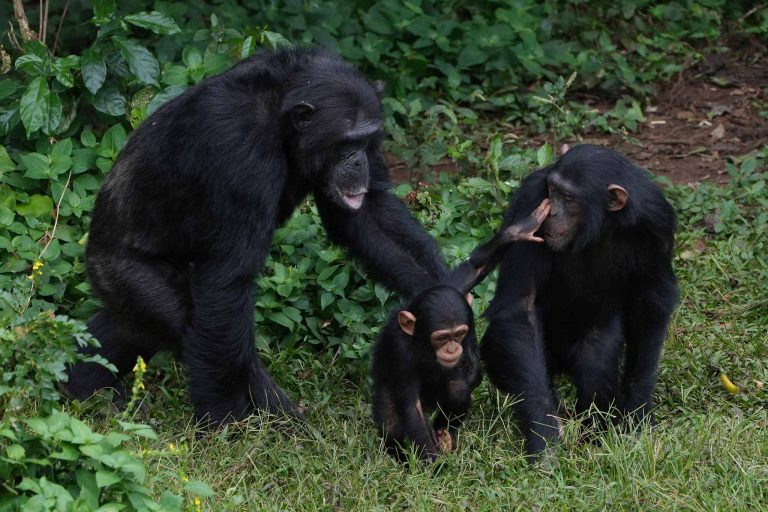
Return to Entebbe for lunch, then head to the waterfront to board a high-speed motorized catamaran across the equator line to Ngamba Island Chimpanzee Sanctuary. Managed by the Chimpanzee Sanctuary and Wildlife Conservation Trust, this 100-acre forested island provides a home for over 50 orphaned and rescued chimpanzees.
You will view the afternoon feeding session from an elevated platform, observing their complex social hierarchies and tool-use behaviors. Learn about the rehabilitation efforts before heading back to the mainland before dusk.
| Accommodation Tier | Recommended Lodging Establishments |
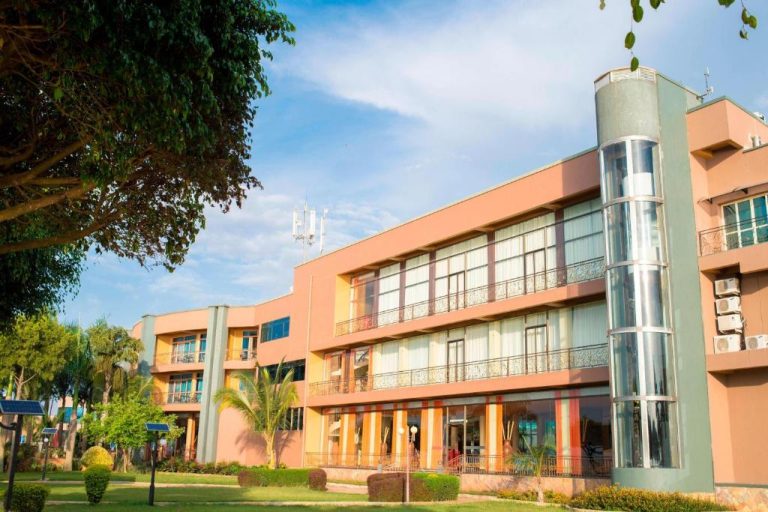
| Luxury | Protea Hotel by Marriott Entebbe / Protea Entebbe |
| Mid-Range | 2 Friends Beach Hotel / Airport Link Guest House |
| Budget | Entebbe Backpackers / Gorilla Clinic Guest House |
Day 3: Cultural Heritage and Architectural Exploration in Kampala
Break camp early and drive 40 kilometers north along the Entebbe-Kampala Expressway into the heart of Kampala, Uganda’s bustling capital city. The urban driving environment is intense; remain alert for dense motorcycle (boda-boda) traffic.
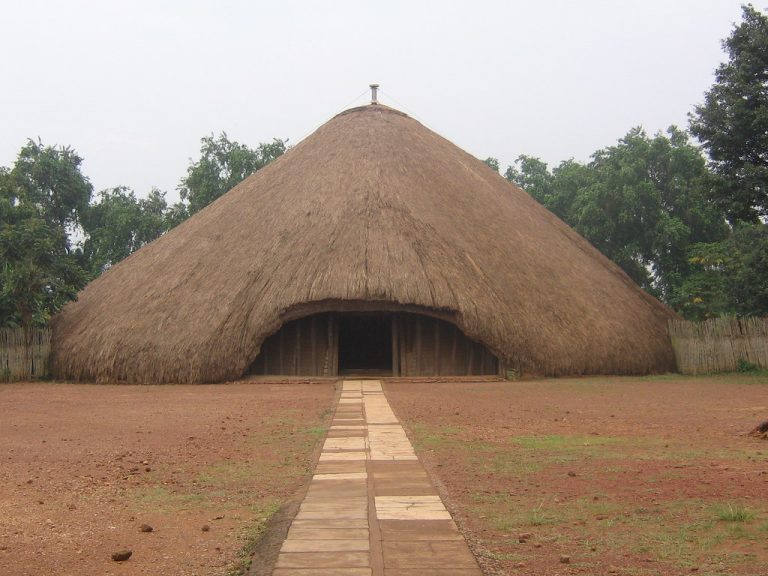
Your destination is the Kasubi Tombs, a UNESCO World Heritage Site located on Kasubi Hill. This site serves as the major spiritual and burial grounds for the four previous Kings (Kabakas) of the historic Buganda Kingdom.
The primary structure, known as Muzibu-Azaala-Mpanga, is an architectural masterpiece of Ganda design, constructed purely from organic materials including wood, bamboo, reeds, and a thick layer of thatch. A local kingdom guide will explain the intricate royal lineage, spiritual rituals, and patriarchal clan systems that govern Buganda culture.
Afterward, navigate the city center to view the stark architectural contrasts of the Gaddafi National Mosque and the historic Independence Monument.
| Accommodation Tier | Recommended Lodging Establishments |
| Luxury | Kampala Serena Hotel / Latitude 0 Degrees Kampala |
| Mid-Range | Fairway Hotel & Spa / Cassia Lodge Buziga |
| Budget | Bushpig Backpackers / Red Chilli Hideaway Kampala |
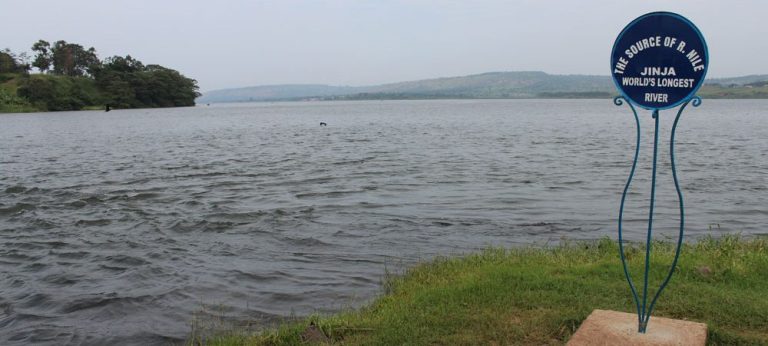
Day 4: Journey East via Mabira Rainforest to the Source of the Nile
Depart Kampala via the eastern highway (A104), tracking toward Jinja. The route cuts directly through the Mabira Central Forest Reserve, one of the last remaining blocks of semi-deciduous rainforest in Central Uganda.
Stop at the forest eco-tourism center for a two-hour guided walk under the ancient canopy of mahogany and fig trees. Listen for the distinct calls of the Grey-cheeked Mangabey and look for the vibrant Great Blue Turaco.
Resume your drive, crossing the iconic Source of the Nile Bridge into Jinja. In the afternoon, take a small motorized boat out to the exact point where Lake Victoria flows into the infant White Nile River, marked by a monument dedicated to John Hanning Speke, the first European to map the geographic source in 1858.
| Accommodation Tier | Recommended Lodging Establishments |
| Luxury | Wildwaters Lodge (Kalagala Falls) / Jinja Nile Resort |
| Mid-Range | The Haven River Lodge / Source of the Smile Guesthouse |
| Budget | Nile River Camp / Explorers River Camp (Bujagali) |
Day 5: White-Water Rafting and High-Adrenaline River Expeditions
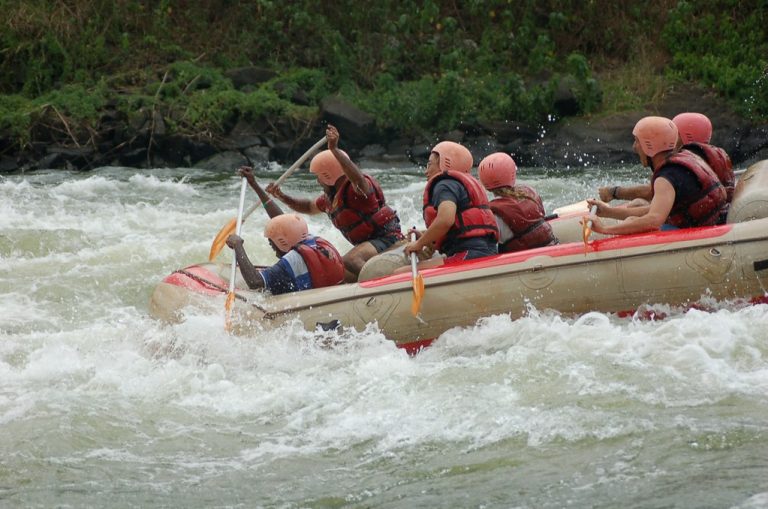
Dedicate this full day to navigating the world-class rapids of the White Nile River. Join an organized professional river outfit for a safety briefing before boarding your heavy-duty inflatable rafts.
Depending on your preference, you can tackle the extreme Class IV and Class V rapids—such as “Big Brother,” “Overtime,” and “The Bad Place”—or opt for a milder family-friendly float route. The high water volume and warm temperatures make the Nile one of the safest and most thrilling white-water rivers globally.
For those who prefer a land-or-water alternative, options include full-day high-performance ATV quad biking along the muddy river banks or calm Nile tubing, where you drift down calm sections of the river on heavy-duty inner tubes with an insulated drink cooler in tow.
| Accommodation Tier | Recommended Lodging Establishments |
| Luxury | Lemala Wildwaters Lodge / Holland Park Jinja |
| Mid-Range | Signature Hotel Apartments / Jinja BaseCamp |
| Budget | Nile River Explorers Backpackers / Samuka Island Cabins |
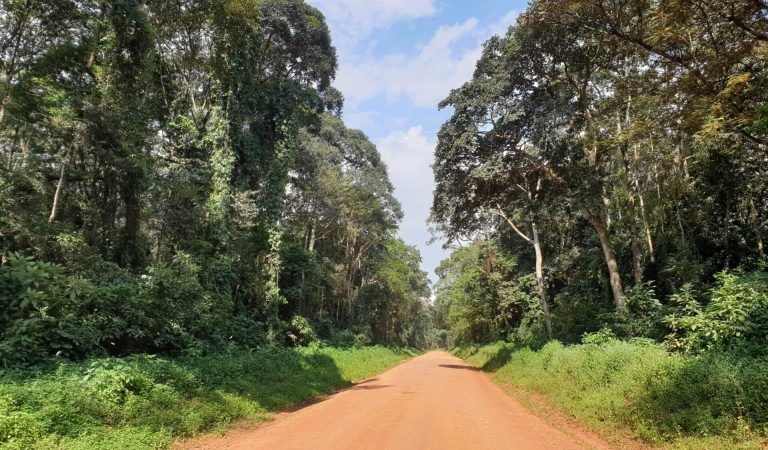
Phase 2: Kenya – Relict Rainforests and Great Savannah Ecosystems
Phase 2 takes you across the international border at Busia into Western Kenya. Here, the circuit leads you into the dense canopies of the Kakamega Forest before heading to the lake city of Kisumu and ascending into the iconic Maasai Mara National Reserve.
Day 6: Cross-Border Transition via Busia to Kakamega Canopy
Pack up the vehicle at dawn and drive 120 kilometers eastward from Jinja via Iganga and Bugiri to the Busia Border Post. This is a high-volume commercial border entry.
Park the vehicle in the designated immigration lane and present your passports, East Africa Tourist Visas, and vehicle documents at the Single-Joint Border Facility. Complete the health declaration screening (Yellow Fever check), secure your vehicle clearance temporary import permit (TIP), and pay the requisite Kenyan road toll fees.
Once cleared, enter Kenya and drive northeast through Bungoma town toward the Kakamega Forest National Reserve, the last remaining easternmost fragment of the ancient Guineo-Congolian equatorial rainforest that once stretched across Central Africa. Arrive in time for an afternoon introductory forest walk.
| Accommodation Tier | Recommended Lodging Establishments |
| Luxury | Rondo Retreat Lodge / Golf Hotel Kakamega |
| Mid-Range | Kakamega Forest National Reserve Cottages / Sheywe Hotel |
| Budget | KEEP Bandas (Kakamega Environmental Education Program) / Isukuti Guest House |
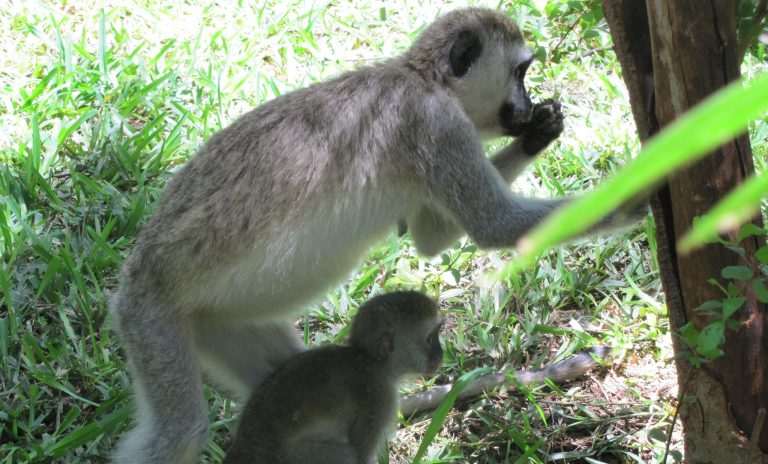
Day 7: Avian Specialization and Nocturnal Primate Safaris in Kakamega Forest
Spend the entire day exploring the deep primary forest tracks of Kakamega. This ecosystem is an island of biodiversity, boasting over 360 bird species, many of which are found nowhere else in Kenya.
Rise at 05:30 AM for a morning walk accompanied by a specialized local guide. You will aim to spot the Kakamega Greenbul, Turner’s Eremomela, Blue-headed Bee-eater, and the massive Black-and-white-casqued Hornbill.
The forest canopy is also rich with unique primates; look out for the striking Black-and-White Colobus (Colobus guereza), the Red-tailed Monkey, and the Blue Monkey.
Return to your lodge for lunch and mid-day relaxation when the forest goes quiet. At 07:30 PM, put on your headlamps for a guided nocturnal walk to search for cryptic bushbabies (Galagos), pottos, and rare fruit bats.
| Accommodation Tier | Recommended Lodging Establishments |
| Luxury | Rondo Retreat Lodge (Full Board Premium) |
| Mid-Range | Western Star Hotel / Acacia Premier Hotel (Drive to Kisumu edge) |
| Budget | Udo Guest House (Kenya Wildlife Service Bandas) / Camping Grounds |
Day 8: Forest Descent via Homa Bay to the Gateway of Siraloi
Depart the rainforest canopy and drive south along the C39 highway, passing through the sugarcane fields of Mumias before reaching Kisumu, Kenya’s primary port city on Lake Victoria.
Drive along the edge of Winam Gulf, a large shallow bay extending from the main body of the lake. The road winds around the base of the dramatic Homa Mountain and down through the rugged hills of Homa Bay.
This route offers wide vistas of the expansive water, where traditional dhows and modern fishing vessels share space.
Continue your drive through the dry acacia scrublands towards Siraloi, a pristine conservation enclave located on the western fringes of the greater Maasai Mara ecosystem. This strategic stop allows you to avoid long driving days, test tire pressures, and prepare your vehicle mechanics before entering the rough corrugations of the national reserve.
| Accommodation Tier | Recommended Lodging Establishments |
| Luxury | Siraloi Safari Camp / Asilia Mara Bush Houses |
| Mid-Range | Oloololo Gate Cottages / Mara West Camp |
| Budget | KWS Campsites / Mara River Community Bandas |
Day 9: Entry into Maasai Mara National Reserve via Oloololo Gate
Check out of your camp, lower your tire pressures to roughly 1.8 bar to handle the unpaved washboard tracks, and enter the Maasai Mara National Reserve through the Oloololo Gate. The Mara is the northern extension of the Serengeti ecosystem, globally famous for its dense concentrations of big cats and plains game.
Spend the day traversing the western sector, known as the Mara Triangle, which is bordered by the dramatic Oloololo Escarpment and the crocodile-lined Mara River.
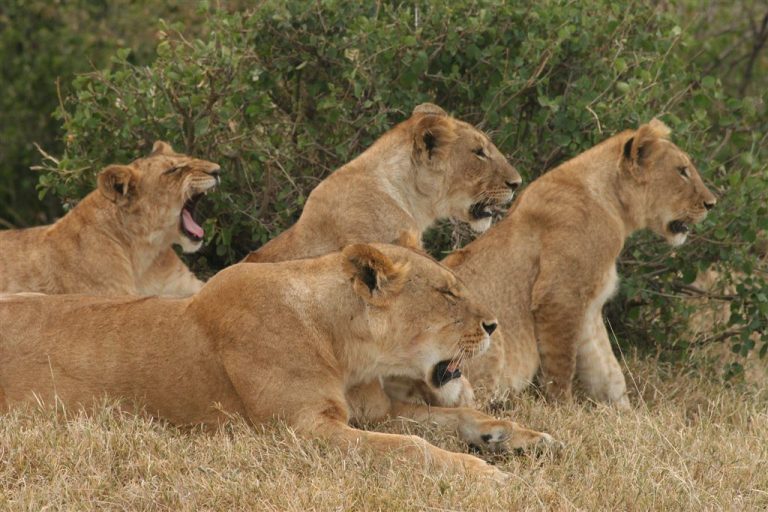
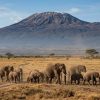
Keep your cameras ready for massive herds of African Elephants, Cape Buffaloes, and the resident prides of lions. Drive slowly to navigate around deep ruts and rocky ledges as you make your way to your designated safari camp for check-in.
| Accommodation Tier | Recommended Lodging Establishments |
| Luxury | Angama Mara / Mara Serena Safari Lodge / Sanctuary Olonana |
| Mid-Range | Ashnil Mara Camp / Entim Mara / Sarova Mara Game Camp |
| Budget | Crocodile Camp Mara / Talek Bush Camp / Jambo Mara Safari Lodge |
Day 9: Entry into Maasai Mara National Reserve via Oloololo Gate
Check out of your camp, lower your tire pressures to roughly 1.8 bar to handle the unpaved washboard tracks, and enter the Maasai Mara National Reserve through the Oloololo Gate. The Mara is the northern extension of the Serengeti ecosystem, globally famous for its dense concentrations of big cats and plains game.
Spend the day traversing the western sector, known as the Mara Triangle, which is bordered by the dramatic Oloololo Escarpment and the crocodile-lined Mara River.
Keep your cameras ready for massive herds of African Elephants, Cape Buffaloes, and the resident prides of lions. Drive slowly to navigate around deep ruts and rocky ledges as you make your way to your designated safari camp for check-in
Set out at 06:00 AM with a packed breakfast and lunch for an immersive, full-day game drive. Your expert driver-guide or your own navigation tracks will focus on the prime wildlife corridors.
The goal today is tracking the iconic Big Five: African Lion, Leopard, African Elephant, Cape Buffalo, and the highly endangered Black Rhinoceros, which finds refuge in the dense thickets of the Mara Triangle.
Observe the hunting strategies of the Mara’s top apex predators; look closely at the branches of large sausage trees (Kigelia africana) for leopards caching their kills.
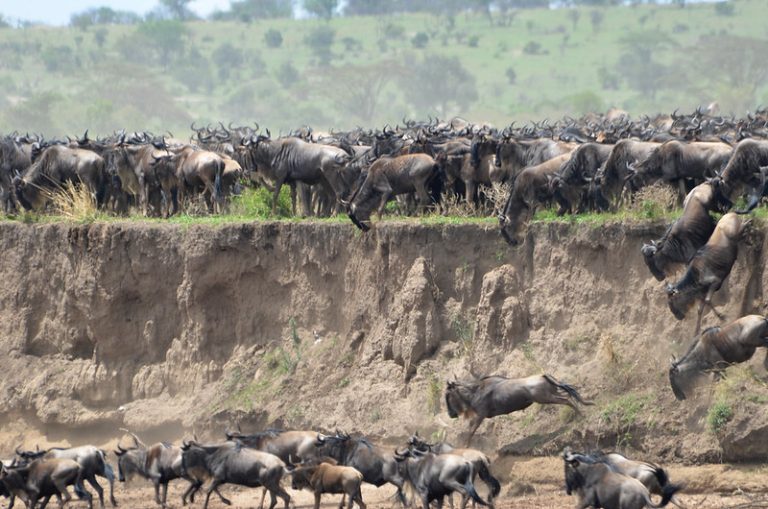
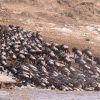
If you travel between July and October, position your vehicle at recognized river-crossing points along the Mara River to witness the dramatic, high-stakes crossings of the Great Wildebeest Migration, where hundreds of thousands of wildebeest and zebras brave massive Nile Crocodiles to reach fresh grazing pastures.
Enjoy your midday meal at a designated picnic site beneath a solitary desert date tree (Balanites aegyptiaca), looking out over the endless golden plains.
| Accommodation Tier | Recommended Lodging Establishments |
| Luxury | Angama Mara / Mara Serena Safari Lodge / Sanctuary Olonana |
| Mid-Range | Ashnil Mara Camp / Entim Mara / Sarova Mara Game Camp |
| Budget | Crocodile Camp Mara / Talek Bush Camp / Jambo Mara Safari Lodge |
Day 10: Full-Day Tracking of the Big Five and Savannah Ecology
Set out at 06:00 AM with a packed breakfast and lunch for an immersive, full-day game drive. Your expert driver-guide or your own navigation tracks will focus on the prime wildlife corridors.
The goal today is tracking the iconic Big Five: African Lion, Leopard, African Elephant, Cape Buffalo, and the highly endangered Black Rhinoceros, which finds refuge in the dense thickets of the Mara Triangle.
Observe the hunting strategies of the Mara’s top apex predators; look closely at the branches of large sausage trees (Kigelia africana) for leopards caching their kills.
If you travel between July and October, position your vehicle at recognized river-crossing points along the Mara River to witness the dramatic, high-stakes crossings of the Great Wildebeest Migration, where hundreds of thousands of wildebeest and zebras brave massive Nile Crocodiles to reach fresh grazing pastures.
Enjoy your midday meal at a designated picnic site beneath a solitary desert date tree (Balanites aegyptiaca), looking out over the endless golden plains.
| Accommodation Tier | Recommended Lodging Establishments |
| Luxury | Governor’s Camp / Sala’s Camp / Rekero Camp |
| Mid-Range | Sentinel Mara Camp / Tipilikwani Mara Camp |
| Budget | Mara Springs Safari Camp / Aruba Mara Camp |
Day 11: Cultural Preservation and Pastoralist Customs at a Maasai Manyatta
Spend the morning on a final sunrise game tracking mission to catch cheetahs hunting in the early light when the air is crisp. Return to camp for a late morning brunch.
In the afternoon, leave the reserve boundaries to visit an authentic, non-commercial Maasai Manyatta (village) within the surrounding community conservancies. Meet the village elders (Morans) and learn about their traditional pastoralist lifestyle, which has coexisted alongside wild ecosystems for centuries.
Observe the engineering of their homesteads, constructed from mud, sticks, and cow dung arranged in a secure circle to protect livestock from nocturnal predators.
Watch the performance of the Adumu (the traditional Maasai jumping dance), learn about the intricate symbolic color codes used in their detailed glass beadwork, and discover their traditional methods for making fire using hardwood and wild olive sticks.
| Accommodation Tier | Recommended Lodging Establishments |
| Luxury | Karen Blixen Camp / Elephant Pepper Camp |
| Mid-Range | Basecamp Masai Mara / Eagle View Camp |
| Budget | Semadep Mara Camp / Sekenani Camp |
Phase 3: Tanzania – Endless Plains, Rock Cities, and Isolated Islands
Phase 3 is the longest phase of the circuit, cutting through the Isebania border post into northern Tanzania. You will drive across the vast Serengeti National Park, navigate the boulder-strewn lake port of Mwanza, and explore the isolated water-bird habitats of Bukoba.
Day 12: Trans-Boundary Crossing via Isebania to the Northern Serengeti Corridor
Depart the Maasai Mara early and head west via Migori to the Isebania Border Post separating Kenya and Tanzania. Complete the exit customs for Kenya, then enter the Tanzanian immigration facility.
Present your passports, Yellow Fever cards, and pay for your Tanzanian single-entry tourist visa. You will also need to secure a foreign vehicle permit and pay the national park transit fees.
Once paperwork is finalized, drive through Tarime and enter the Serengeti National Park via the northern Klein’s Gate or Ikoma Gate. The transition from the Mara to the Serengeti reveals the massive, unfenced scale of this ecosystem.
Drive through the northern hilly woodlands, watching for resident giraffe herds and large elephant bulls, as you make your way south toward the central Serengeti plains.
| Accommodation Tier | Recommended Lodging Establishments |
| Luxury | Four Seasons Safari Lodge Serengeti / Sayari Camp |
| Mid-Range | Kubu Kubu Tented Lodge / Serengeti Serena Safari Lodge |
| Budget | Seronera Public Campsites (Nyani/Pimbi) / Ikoma Safari Camp |
Day 13: Exploration of the Central Seronera Valley and Granite Kopjes
Spend the day exploring the central Seronera Valley, a rich wildlife hub shaped by the permanent waters of the Seronera River. This valley is famous for having one of the densest populations of leopards in Africa.
Drive along the riverbanks, inspecting the large yellow-barked acacia trees (Acacia xanthophloea) where leopards often rest during the day.
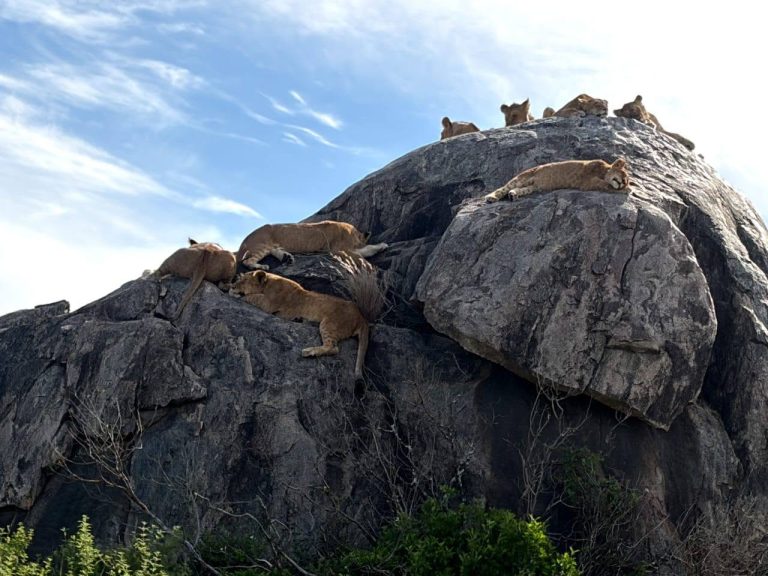
Next, head out onto the open plains to view the dramatic Granite Kopjes—massive weathered rock islands that rise from the flat sea of grass. These geological formations, like Simba Kopje and Moru Kopje, serve as vital vantage points and shelter for large lion prides.
Look closely at the rocks to spot prides sunning themselves or cheetahs scanning the horizons for Thomson’s gazelles.
| Accommodation Tier | Recommended Lodging Establishments |
| Luxury | One Nature Nyaruswiga / Melia Serengeti Lodge |
| Mid-Range | Lahia Tented Lodge / Thorntree River Camp |
| Budget | Tukaone Serengeti Camp / Seronera Campsite Area |
Day 14: Deep Wilderness Tracking in the Western Corridor and Grumeti River
Drive westward into the rugged Western Corridor of the Serengeti, tracking along the paths of the Grumeti River. This remote sector features an attractive mix of open plains, savannah woodlands, and dense river forests.
The Grumeti River is famous for its resident population of giant Grumeti Crocodiles, which can grow up to five meters in length.
Park your vehicle at designated safe viewpoints along the river loops to observe these massive reptiles basking on the sandbanks alongside large pods of hippos.
The surrounding river forest is also home to rare primates, including the localized Black-and-White Colobus monkey and agile olive baboons.
| Accommodation Tier | Recommended Lodging Establishments |
| Luxury | Singita Sabora Tented Camp / Grumeti Serena River Lodge |
| Mid-Range | Mbalageti Serengeti / Kirawira Serena Camp |
| Budget | Speke Bay Lodge (Lake edge outer sector) / Ndabaka Bandas |
Day 15: Southern Serengeti Plains and the Volcanic Ash Landscape
Direct your vehicle south toward the endless short-grass plains that define the southern Serengeti, stretching toward the Ndutu region and the borders of the Ngorongoro Conservation Area.
This vast landscape is shaped by fine volcanic ash layers from nearby highlands, creating nutrient-rich soils that support sweet, highly mineralized grasses.
If you visit during the first quarter of the year (January to March), this area hosts the synchronized calving season of the wildebeest migration, where thousands of calves are born daily.
Scan the open horizons to watch cheetahs utilizing their speed on the flat terrain, alongside golden jackals, spotted hyenas, and secretary birds marching through the grass.
| Accommodation Tier | Recommended Lodging Establishments |
| Luxury | Mwiba Lodge / Sanctuary Ndutu Lodge |
| Mid-Range | Lake Masek Tented Lodge / Ndutu Safari Lodge |
| Budget | Ndutu Public Campsites / Kijereshi Tented Camp |
Day 16: Park Exit via Ndabaka Gate to the Scenic Foothills of Bunda
Pack up your safari gear and begin your slow drive out of the Serengeti National Park, exiting through the western Ndabaka Gate. The dust of the savannah roads gives way to smooth tarmac as you hit the main highway linking Kenya and Mwanza.
Drive north for a short distance to the quiet lakeside town of Bunda, located under the shadows of dramatic rocky hills just outside the park boundaries.
This stop provides a great opportunity to clean your camera lenses, wash down your vehicle’s radiator grill to clear away savannah grass seeds, and rest at a quiet lodge surrounded by local farming communities.
| Accommodation Tier | Recommended Lodging Establishments |
| Luxury | Lukuba Island Lodge (Offshore boat transfer from Bunda region) |
| Mid-Range | Bunda Mara Lodge / Balili Mountain Resort |
| Budget | Hotel Mara Bunda / Weaver's Nest Bunda |
Day 17: Urban Transit to Mwanza ‘Rock City’ and Bismarck Rock Exploration
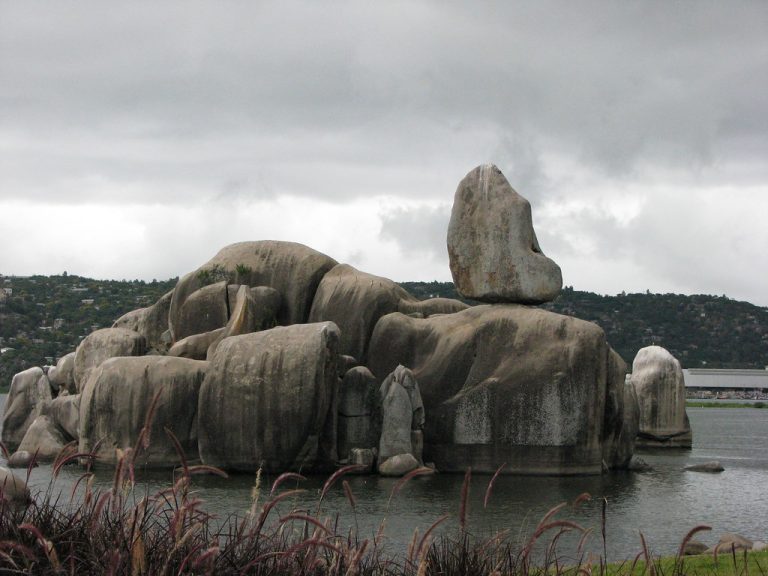
Drive 150 kilometers south from Bunda along the eastern shoreline of Lake Victoria to reach Mwanza, Tanzania’s second-largest city and its busiest economic hub on the lake. Mwanza is affectionately known as “Rock City” due to the massive granite boulders scattered across its hills and shoreline.
Check into your hotel, then spend the afternoon walking down to the waterfront to see the famous Bismarck Rock. This iconic geological landmark features a massive, precariously balanced granite boulder resting on a base of smooth rock right in the lake waters.
Stroll along the lively waterfront to watch local fishermen bringing in their daily catches of Nile Perch and Tilapia, and enjoy dinner at a lakeside restaurant.
| Accommodation Tier | Recommended Lodging Establishments |
| Luxury | Malaika Beach Resort / Gold Crest Hotel |
| Mid-Range | Ryan's Bay Hotel / Tilapia Hotel Mwanza |
| Budget | Isamilo Lodge / Wag Hill Lodge (Eco-tented basic camp) |

Day 18: Historical Trade Exploration and Lakeside Markets in Mwanza
Spend this full day discovering Mwanza’s deep-rooted history as a hub for Indian Ocean trade routes and local fishing economies.
Visit the historic Sukuma Museum located at Bujora, just outside the city center. This open-air cultural center protects the heritage of the Sukuma people, the largest ethnic group in Tanzania.
An expert guide will explain their traditional royal drumming styles, ancestral medicine practices, and the architectural construction of their historic rounded homesteads.
In the afternoon, explore the busy, colorful stalls of the Mwaloni Market, one of the largest dried-fish markets in East Africa. Here, small silver sardine-like fish known locally as Dagaa are dried on wide sandy banks before being packed for distribution across the continent.
| Accommodation Tier | Recommended Lodging Establishments |
| Luxury | Malaika Beach Resort (Executive Suite Options) |
| Mid-Range | Hotel Tilapia (Nile Perch Wing) / Ryan's Bay Deluxe Room |
| Budget | Samaki Corner Guesthouse / Rock City Backpacker Inn |
Day 19: Overland Journey North to the Port of Bukoba
Depart Mwanza early for a long driving day around the western shore of Lake Victoria, heading north toward the Ugandan border. The route takes you along the clean tarmac of the T1B highway, crossing the spectacular Grumeti and Kagera River basins.
You will pass through rural farming villages, large banana plantations, and fields of robusta coffee before arriving at Bukoba. This quiet, green port town is nestled on a lush hillside that drops down to white sandy beaches.
Bukoba offers a relaxed vibe, with cool, refreshing breezes coming off the lake and an authentic glimpse into northwest Tanzanian life away from the heavy tourist tracks.
| Accommodation Tier | Recommended Lodging Establishments |
| Luxury | ELCT Bukoba Hotel / Walkgard Transit Hotel |
| Mid-Range | Kolping Society Hotel / New Karaza Hotel |
| Budget | Bukoba Backpackers / Kiroyera Camping Ground |
Day 20: Birding Along the Bukoba Shoreline and Haya Cultural Sites
Spend the day exploring the rich birdlife and distinct culture of the Bukoba region. Wake up early for a guided birding walk along the shores of Maruku Beach, looking out for waterbirds like the African Skimmer, Pink-backed Pelican, and various species of kingfishers.
In the afternoon, join a local guide to visit the traditional Kyamunene Haya Earth Houses. The Haya people have a rich history of advanced iron-smelting technology that predates European arrival.
You will step inside their large, dome-shaped grass houses, supported by structural poles made from local eucalyptus and wrapped in intricate patterns of dried banana leaves. Learn about their traditional agroforestry farming methods, known as the Kibanja system, which combines coffee growing with banana production to maintain healthy, fertile soil.
| Accommodation Tier | Recommended Lodging Establishments |
| Luxury | ELCT Bukoba Hotel (Lake View Executive Wing) |
| Mid-Range | Bweranyange Rock Resort / Walkgard Kiroyera |
| Budget | Lake Victoria Bandas Bukoba / Safe House Guesthouse |
Phase 4: The Home Home Stretch – Nabugabo to Entebbe Loop Completion
The final phase crosses back into Uganda via the Mutukula border post. This section provides a peaceful wind-down on the shores of Lake Nabugabo before marking the official completion of the loop at the Uganda Equator Crossing.
Day 21: Cross-Border Re-entry via Mutukula to the Serenity of Lake Nabugabo
Depart Bukoba and drive 90 kilometers north to the Mutukula Border Post to cross back into Uganda. The border process here is typically straightforward. Complete your Tanzanian exit clearances, step over to the Ugandan immigration desks, present your passports, and renew your single-country entry permits or vehicle logbooks.
Once cleared, enter Uganda and drive north through Masaka town, turning off towards Lake Nabugabo. Nabugabo is a pristine, small satellite lake separated from Lake Victoria by a narrow, three-kilometer-wide sandbar.
Crucially, because its enclosed waters contain high tannin levels from surrounding vegetation, Lake Nabugabo is completely free from Bilharzia parasites and hippos. This makes it one of the few places along the entire circuit where it is safe to enjoy a refreshing swim in open water.
Spend your afternoon relaxing on the quiet sand, canoeing, or writing in your travel logs under the shade of wide palm trees.
| Accommodation Tier | Recommended Lodging Establishments |
| Luxury | Nabugabo Sand Beach Resort (Premium Cottages) |
| Mid-Range | Church of Uganda Holiday Centre / Orchids Holiday Resort |
| Budget | Nabugabo Camping Grounds / Lakeside Bandas |
Day 22: Equator Crossing Transition and Return to Entebbe Airport
On your final day, pack your bags and drive north along the smooth Masaka-Kampala Highway (A104). Stop at the Uganda Equator Crossing in Kayabwe for a classic photo opportunity standing in both the Northern and Southern Hemispheres simultaneously.
You can watch a fun demonstration showing the Coriolis effect, where water drains in opposite directions just meters apart on either side of the equator line. Browse the local craft markets for last-minute souvenirs, then continue your drive around Kampala and down the expressway to Entebbe.
Return your trusted 4×4 vehicle to your rental agent, enjoy a farewell dinner featuring fresh tilapia at a lakeside beach bar, and head to the airport for your evening flight home. This marks the official completion of your epic Great Lake Victoria Circuit.
Complete 22-Day Circuit Matrix
This structured overview functions as a quick-reference guide for distance management, daily driving commitments, and main activity highlights.
| Day & Location | Route Distance & Activity Focus |
|---|---|
| Day 1: Entebbe | 10 km (Airport Transfer) Vehicle Induction, Gear Audit |
| Day 2: Entebbe | 45 km (Boat & Road Loop) Mabamba Shoebill Tracking, Ngamba Chimps |
| Day 3: Kampala | 40 km (Expressway Drive) Kasubi Tombs Buganda History |
| Day 4: Jinja | 85 km (East Highway A104) Mabira Rainforest Walk, Source of Nile |
| Day 5: Jinja | 0 km (River Basecamp) White-Water Rafting, Nile Tubing |
| Day 6: Kakamega | 180 km (Busia Border Cross) International Border Crossing, Forest Entry |
| Day 7: Kakamega | 0 km (Rainforest Core) Avian Fieldwork, Primate Tracking |
| Day 8: Siraloi | 190 km (Gulf Descent) Winam Gulf Drive, Safari Preparation |
| Day 9: Maasai Mara | 90 km (Reserve Entry) Oloololo Gate Game Tracking |
| Day 10: Maasai Mara | 120 km (Savannah Loops) Big Five Tracking, Migration Crossings |
| Day 11: Maasai Mara | 30 km (Community Outskirts) Maasai Manyatta Cultural Preservation |
| Day 12: Serengeti | 210 km (Isebania Border) Tanzania Border Cross, Park Entry |
| Day 13: Serengeti | 80 km (Valley Core) Seronera Leopard Spotting, Granite Kopjes |
| Day 14: Serengeti | 95 km (Western Corridor) Grumeti River Crocodile Observations |
| Day 15: Serengeti | 110 km (Southern Sector) Ndutu Ash Plains Plains-Game Survey |
| Day 16: Bunda | 140 km (Western Exit) Ndabaka Gate Exit, Vehicle Maintenance |
| Day 17: Mwanza | 150 km (Lakeside South) Bismarck Rock, Rock City Exploration |
| Day 18: Mwanza | 20 km (Urban Cultural Hub) Sukuma Museum, Mwaloni Fish Market |
| Day 19: Bukoba | 290 km (West Loop North) Kagera Basin Transit, Bukoba Landing |
| Day 20: Bukoba | 40 km (Shoreline Survey) Maruku Beach Birding, Haya Grass Houses |
| Day 21: Nabugabo | 160 km (Mutukula Border) Uganda Re-entry, Bilharzia-Free Swimming |
| Day 22: Entebbe | 150 km (Loop Completion) Equator Crossing, Flight Departures |
Best Travel Window and Seasonality
The weather patterns along the Lake Victoria Circuit are determined by regional rainfall trends, which directly affect road conditions and wildlife visibility across all three countries.
| Season and Months | Climate Conditions & Strategic Value |
|---|---|
| Dry Season (June to October) |
Clear skies, minimal rain, lower foliage density. Value: Best for big cat tracking and witnessing the Mara River migration crossings. |
| Short Rains (November to December) |
Afternoon showers, rising humidity, greening grass. Value: Excellent for birding, lower crowd levels, and cheaper green-season lodge rates. |
| Hot Dry Window (January to February) |
High temperatures, drying watering holes. Value: Prime time for the wildebeest calving season in the southern Serengeti plains. |
| Long Rains (March to May) |
Heavy downpours, muddy tracks, swollen rivers. Value: High risk for stuck vehicles; several remote dirt routes become impassable. |
Border Crossing Protocols and Document Retention
To ensure an efficient and stress-free experience at the international border crossings (Busia, Isebania, and Mutukula), always follow this standard step-by-step procedure:
- Park in the Designated Zones: Do not block commercial shipping lanes. Park your 4×4 in the passenger vehicle area and lock all valuables out of sight.
- Health Screening Desk: Always visit the health desk first. Present your physical Yellow Fever vaccination certificate for inspection and stamping.
- Immigration Clearance: Go to the passport control window for the country you are exiting to get your departure stamp. Then, proceed to the immigration window of the country you are entering to present your passport, pre-filed e-visa, or entry documents.
- Customs and Vehicle Check: Visit the customs desk to close out your old Temporary Import Permit (TIP) or logbook entry. Present your Carnet de Passages or secure a new entry TIP for the country you are entering.
- Port Tolls and Road Fees: Pay any required municipal vehicle entrance tolls, carbon taxes, or transit road fees. Always keep the physical printed receipts tucked safely inside your vehicle’s logbook folder, as traffic police officers will check them frequently at highway checkpoints.
By adhering strictly to this structured plan, choosing the right four-wheel-drive vehicle, and arranging your necessary visas and multi-tier accommodations in advance, the Great Lake Victoria Circuit stands out as one of the most safe, fulfilling, and unforgettable overland adventures anywhere on earth.
No responses yet