
What is The Best Time to Visit Mount Kilimanjaro: A Month by Mounth Guide
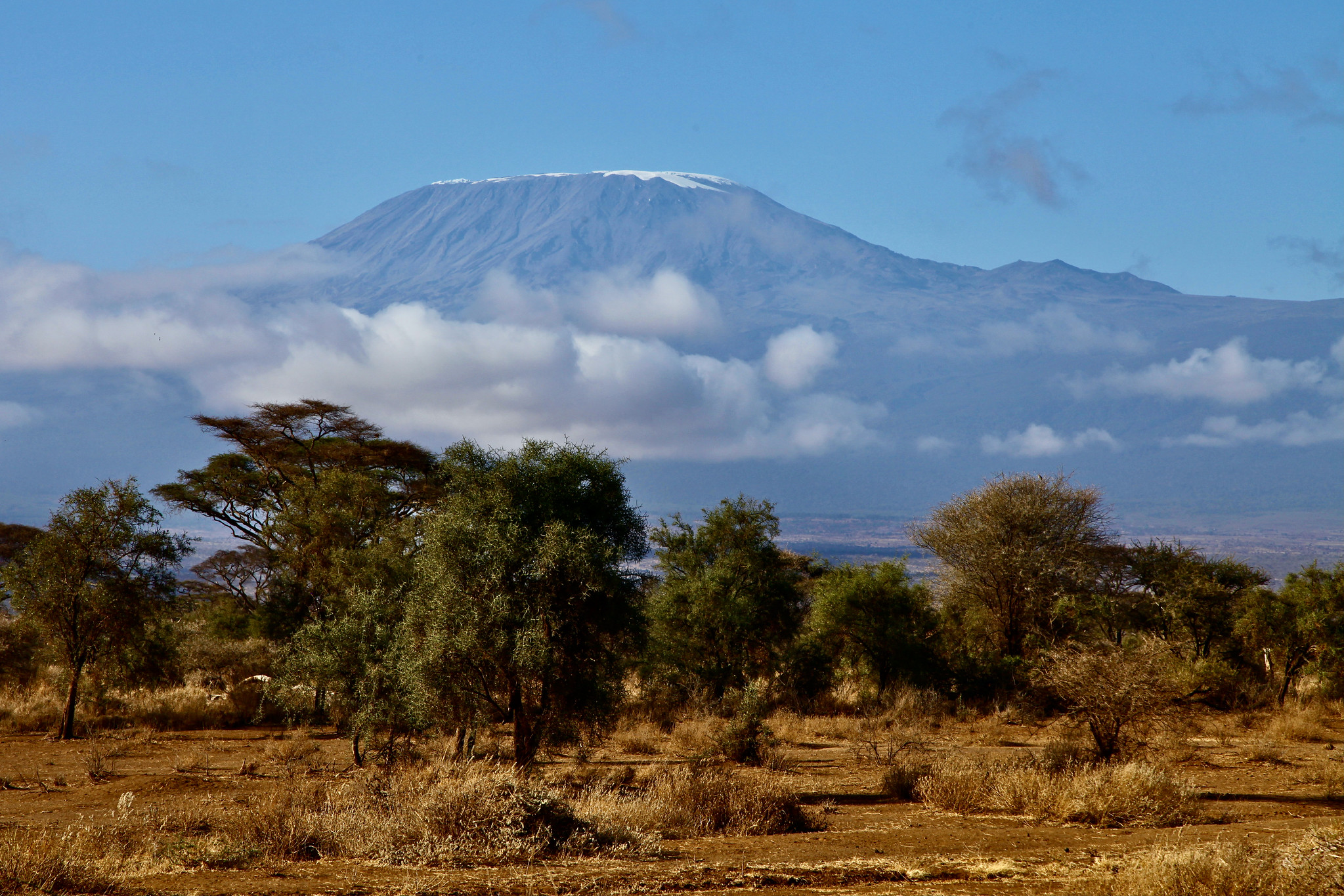
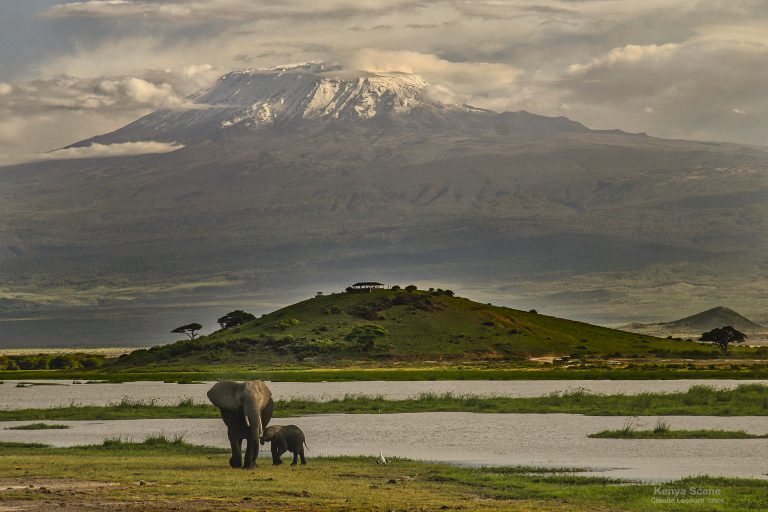
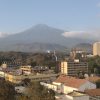
Mount Kilimanjaro—standing tall at 5,895 meters (19,341 feet)—is the highest peak in Africa and the tallest free-standing mountain in the world. Every year, tens of thousands of trekkers, wildlife enthusiasts, and adventurers travel to Tanzania to step foot in Kilimanjaro National Park. Whether your dream is to stand on Uhuru Peak at sunrise or explore the lush rainforest trails on the mountain’s lower slopes, timing your trip properly is the single most important decision you will make.
Because Kilimanjaro is situated just south of the equator, it does not experience traditional spring, summer, autumn, and winter seasons. Instead, the weather patterns are governed by wet and dry seasons, driven by the Intertropical Convergence Zone (ITCZ).
This comprehensive month-by-month guide breaks down the weather, crowd levels, visibility, and trail conditions across the year to help you choose the ultimate window for your African trekking adventure.
Understanding Kilimanjaro’s Climate & Ecological Zones
Before diving into specific months, it is essential to understand that Kilimanjaro creates its own microclimates. As you trek from the park gates to the summit, you will pass through five distinct ecological climate zones:
- Cultivation Zone (800m – 1,800m): Warm and agricultural.
- Rainforest Zone (1,800m – 2,800m): Warm, humid, and prone to rainfall.
- Heath and Moorland Zone (2,800m – 4,000m): Cooler with low shrubbery and open views.
- Alpine Desert Zone (4,000m – 5,000m): Stark, dry, with extreme temperature swings between day and night.
- Arctic Summit Zone (5,000m – 5,895m): Freezing, ice-capped, and oxygen-deprived.
While temperatures near the summit remain cold year-round (often plunging between -7°C and -20°C or lower at night), rainfall and cloud cover vary dramatically depending on the month.
Quick Overview: The Best Seasons to Visit
Generally, Kilimanjaro National Park has two main dry windows that offer the most reliable trekking conditions, balanced against two distinct rainy periods:
The Dry Seasons
-
The Short Dry Season (Jan – Mid-Mar):
Warm temperatures, clear skies, and moderate crowds. -
The Long Dry Season (Jun – Oct):
Cooler base temperatures, exceptionally clear conditions, but higher foot traffic.
The Rainy Seasons
-
The Long Rains (Late Mar – May):
Heavy downpours, muddy trails, and low visibility. -
The Short Rains (Nov – Mid-Dec):
Short, afternoon showers with variable conditions.
Month-by-Month Guide to Kilimanjaro National Park
1. January — Warm, Clear, and Inviting
January marks the beginning of the short dry season. Coming off the short rains of December, the mountain is lush and green, but precipitation drops significantly. Days are warm, and nighttime temperatures at high altitude are comparatively milder than during the mid-year dry spell.
January offers brilliant clear mornings and fantastic visibility. It is one of the best months for photography.
You may encounter occasional short afternoon showers at lower altitudes, but the upper routes remain dry.
2. February — The Premier Window of the Early Year
Many high-altitude guides consider February the single best month to trek Kilimanjaro. It boasts the warmest average temperatures on the mountain, dry trails, and high summit success rates.
February delivers crisp, dry days and minimal rainfall. Because it sits between the holiday rush of late December/early January and the long rains of spring, crowd levels on major routes like Machame and Lemosho are manageable.
It can be slightly warmer and dustier in the lower rainforest zones.
3. March — The Seasonal Transition
March is a split month. The first 10 to 14 days of March usually retain the dry, pleasant weather of February. However, as the month progresses toward April, moisture levels rise, cloud cover increases, and the "long rains" begin to set in.
Early March offers lower trail traffic while still maintaining decent weather window opportunities.
If planning a climb in late March, prepare for damp conditions, slick trails, and fog.
4. April — The Peak of the Long Rains
April brings the heaviest rainfall of the year across East Africa. Clouds blanket the mountain, reducing visibility significantly, and lower trails turn into thick, slippery mud. Higher up, rain turns into heavy snow and severe ice.
The only advantage to April is absolute solitude and discounted accommodation rates in nearby towns like Moshi and Arusha.
Summit success rates drop considerably in April due to cold, wet, and exhausting conditions. If you must climb now, choose the Rongai Route, which approaches from the north and receives far less rain.
5. May — The Tail-End of the Monsoons
Rainfall begins to ease in May, particularly toward the end of the month, but soil saturation remains high. The air is cold, humidity is high on the lower slopes, and cloud cover frequently blocks views of the summit glaciers.
Late May can serve as a quiet "shoulder season" for experienced trekkers who do not mind unpredictable weather and want quiet camps.
Proper waterproof gear (GORE-TEX layers, pack covers, dry bags) is non-negotiable.
6. June — The Start of the Long Dry Season
June marks the return of stable, dry weather as the long dry season opens. Rain drops off dramatically, and the skies clear up. However, June brings colder temperatures—especially at night and near the summit—as winter arrives in the Southern Hemisphere.
Dry trails, excellent visibility, and climbing conditions that improve week by week.
Nighttime temperatures in the alpine desert and high camps drop significantly below freezing. Pack heavy thermal base layers.
7. July — Clear Skies and Peak Crowds
July is one of the most popular months to visit Kilimanjaro National Park. Weather conditions are exceptionally stable, with near-zero rainfall and crystal-clear skies almost every day.
Clear morning skies provide unobstructed vistas across the East African plains. High summit success rates make this a favorite for global travelers.
July coincides with European and North American summer holidays, meaning popular routes (like Machame, Marangu, and Lemosho) experience heavy foot traffic. Night temperatures at the summit can plunge down to -20°C (-4°F).
8. August — Perfect Weather & High Success Rates
Conditions in August mirror those of July: dry, predictable, and cold at night. The mountain is firmly in the grip of the dry season, meaning dust on the trails replaces the mud of earlier months.
Reliable weather makes August an optimal month for first-time trekkers. It is also a prime time to combine a Kilimanjaro climb with a wildlife safari in the Serengeti to witness the Great Migration.
Huts on the Marangu Route and high camps on Machame fill up fast; advance booking is essential.
9. September — The "Sweet Spot" for Trekkers
If you want the dry, clear weather of peak season with slightly fewer people, September is widely considered the sweet spot. As summer vacations end in the Northern Hemisphere, trail traffic begins to drop off, yet the weather remains warm and stable.
Comfortable daytime temperatures, clear summit visibility, dry ground, and quieter campsites compared to July and August.
Dust levels on lower trails can be high due to months without heavy rain. Gaiters are recommended.
10. October — The Quiet Dry Month
October represents the final stretch of the long dry season. Temperatures begin to warm up slightly as East Africa moves toward its short summer period. Skies are generally clear, though clouds may begin to gather late in the month as the short rains approach.
Excellent balance of good weather and low crowd density. It is a fantastic choice for trekkers seeking peace on the trail.
Weather during the last week of October can become slightly less predictable as rain systems form.
11. November — The Short Rains
November brings the "short rains" to Kilimanjaro National Park. Unlike the persistent deluges of April and May, November rains typically manifest as intense, brief afternoon showers followed by periods of clearing.
Crowds drop off drastically, offering a private mountain feel. The landscape greens up quickly, making lower elevation rainforest walks striking.
Afternoon clouds often obscure summit views. Trekkers must be prepared for wet gear and slippery descents.
12. December — The Festive Season Window
Early December can still see residual rain from the short wet period. However, by mid-to-late December, conditions clear up dramatically, ushering in the warm, dry period of January.
Summiting Mount Kilimanjaro over Christmas or New Year's Eve is a bucket-list experience for many adventurers. Weather during the final two weeks of the year is generally warm and clear.
The holiday period sees a surge in bookings. Park fees, guide services, and flights should be reserved months in advance.
Kilimanjaro Seasons At a Glance
| Month | Weather Quality | Trail Conditions | Crowd Levels | Overall Rating |
|---|---|---|---|---|
| January | Dry & Warm | Firm / Dry | Moderate | ⭐⭐⭐⭐⭐ (Excellent) |
| February | Warmest & Dry | Excellent | Moderate | ⭐⭐⭐⭐⭐ (Best Early Window) |
| March | Transitional | Drier Early, Muddy Late | Low to Moderate | ⭐⭐⭐ (Good Early March) |
| April | Heavy Rains | Very Muddy & Slippery | Very Low | ⭐ (Avoid) |
| May | Wet & Cloudy | Muddy | Very Low | ⭐⭐ (Poor to Fair) |
| June | Clear & Cold | Dry | Moderate to High | ⭐⭐⭐⭐ (Great) |
| July | Clear & Cold | Dry & Firm | Very High | ⭐⭐⭐⭐⭐ (Peak Dry) |
| August | Clear & Cold | Dry & Dusty | High | ⭐⭐⭐⭐⭐ (Peak Dry) |
| September | Clear & Mild | Dry | Moderate to High | ⭐⭐⭐⭐⭐ (Sweet Spot) |
| October | Clear to Variable | Mostly Dry | Moderate | ⭐⭐⭐⭐ (Great) |
| November | Short Rains | Wet & Slick | Low | ⭐⭐ (Variable) |
| December | Variable to Clear | Improving | Moderate to High | ⭐⭐⭐⭐ (Good Late Dec) |
Key Factors When Choosing Your Travel Dates
1. Full Moon Climbs
Climbing to Uhuru Peak under a bright full moon is a popular strategy. The moon illuminates the glaciers and the arctic desert landscape, meaning you rely less on your headlamp beam during the midnight summit push. If you want to experience a Full Moon climb, plan your trek so that your summit night aligns with the lunar calendar (typically during the dry months of January–February or July–October).
2. Route Selection Based on Weather
- Northern & Western Routes (Rongai, Northern Circuit): These routes sit in the rain shadow of the mountain. If you are forced to climb during shoulder or rainy months (like March, May, or November), Rongai is your best route choice because it receives significantly less precipitation.
- Southern & Western Routes (Machame, Lemosho, Umbwe): These scenic routes pass through heavy rainforest on their first days. They are best tackled during the peak dry months (January–February and June–October).
3. Safari & Trekking Combinations
Most travelers pair their Kilimanjaro climb with a wildlife safari in Northern Tanzania (such as Tarangire, Ngorongoro Crater, and the Serengeti).
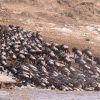
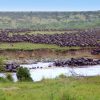
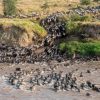
- If you want to catch the Great Migration River Crossings in the northern Serengeti alongside your trek, plan for July through September.
- If you prefer seeing the Wildebeest Calving Season in the southern Serengeti (Ndutu), time your climb for January or February.
Final Verdict: When Should You Visit?
Choose February or September. You get dry conditions, maximum summit visibility, and slightly lower crowds than the mid-summer peak.
Choose January or February. Base camp temperatures are pleasant, and summit night is less punishingly cold.
Choose Late May, Early October, or Early December. You will trade absolute weather certainty for peace and quiet on the trail.
Important Reminder: No matter which month you choose to tackle Africa's highest peak, proper physical preparation, quality cold-weather gear, adequate altitude acclimatization, and a licensed guide service are your real keys to reaching Uhuru Peak safely.
Planning Your Kilimanjaro Overland Expedition?
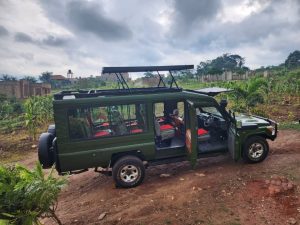
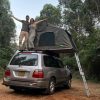
Drive yourself to the slopes of Mount Kilimanjaro in ultimate comfort. Rent a reliable, fully equipped rugged 4x4 vehicle tailored for East Africa's toughest terrains.

No responses yet