
Best African Safaris for European School Vacations
Planning an international school trip is one of the most rewarding educational endeavors an educator can undertake. For European schools, Africa presents an ideal destination: minimal time zone differences (especially for GMT and CET zones) mean zero jet lag, allowing students to maximize their learning and adventure from day one.
An African safari offers a living classroom where biology, geography, environmental science, history, and sociology leap off the textbook pages. Whether your students are exploring the vast savannas during the Summer Break (July–August), learning marine biology during the Autumn Half-Term (October–November), tracing human evolution during Spring/Easter Break (March–April), or tracking wildlife during the Winter/Christmas Break (December–January), the continent offers experiences tailored to every academic focus.
Below is the definitive guide to the Top 30 African Safaris for European Students, followed by essential safety precautions and a comprehensive packing checklist.
30 Best African Safaris for European School Vacations (East & Southern Africa)
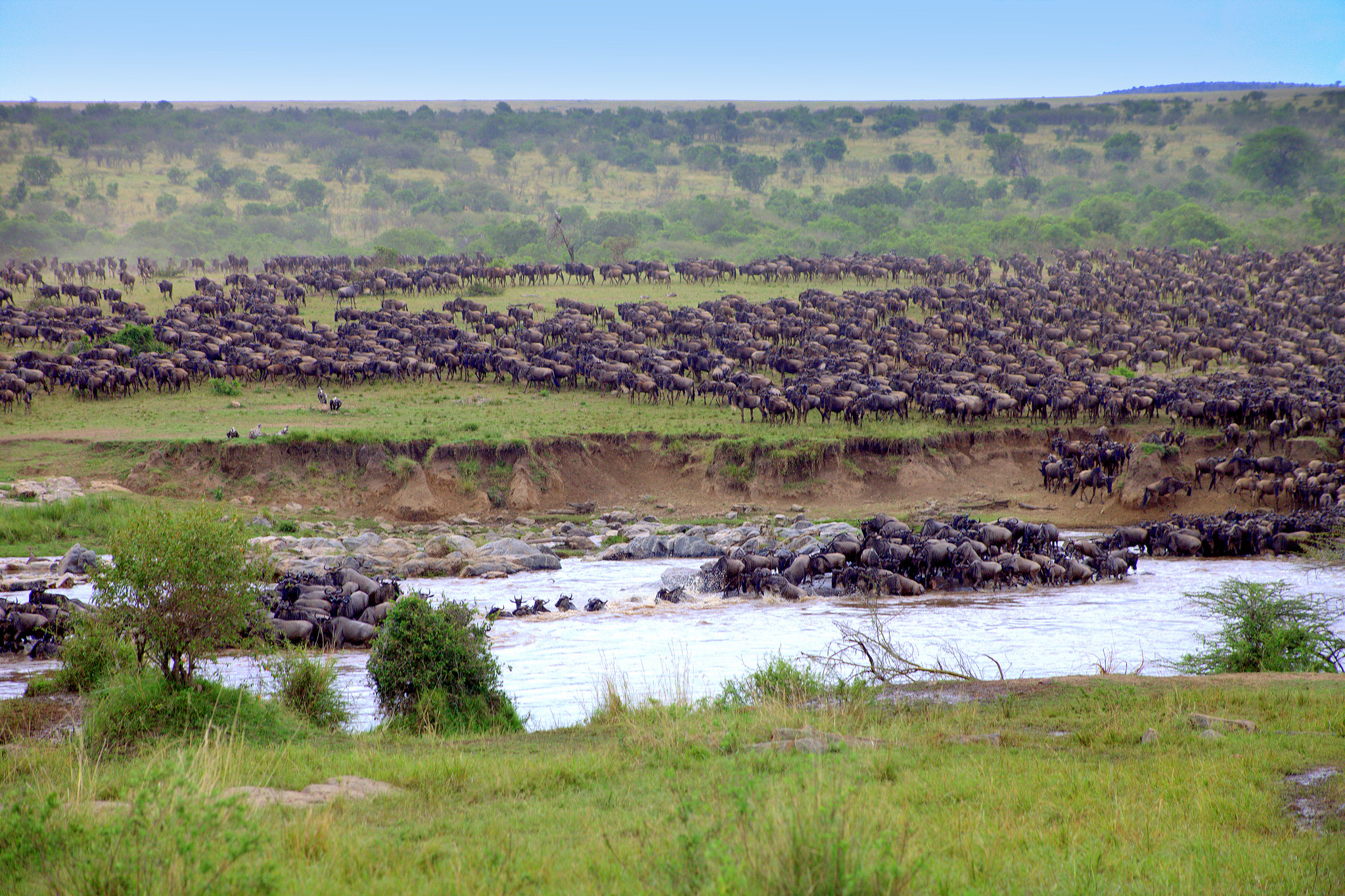
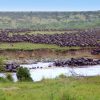
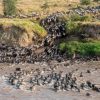
Greater Mara Great Migration & Maasai Culture Safari (Kenya)
- 🗓️ Best Window: Summer Break (July–August)
- ⏱️ Duration: 8 Days
- 📍 Destinations: Nairobi, Lake Naivasha, Maasai Mara National Reserve
-
🦓 Student Activities:
- Great Migration Tracking: In-depth savanna game drives monitoring wildebeest and zebra river crossings, predator dynamics, and herbivore grazing cycles.
- Crescent Island Walking Safari: Safe guided walks on foot amidst free-roaming giraffes, waterbucks, and zebras, learning about non-predatory mammal behavior.
- Maasai Cultural Exchange: Interactive workshops led by local elders on sustainable pastoralism, bush craft, medicine, and community-led wildlife coexistence.
- Sheldrick Elephant Orphanage Visit: Educational session in Nairobi covering elephant rehabilitation, anti-poaching operations, and rewilding programs.
- 🏡 Safe Accommodation: Gated, permanent tented camps with night-time security patrols (Askaris) and secure perimeter fencing.
Northern Tanzania Circuit & Crater Ecology (Tanzania)
- 🗓️ Best Window: Winter/Christmas Break or Summer Break
- ⏱️ Duration: 9 Days
- 📍 Destinations: Arusha, Tarangire National Park, Lake Manyara, Ngorongoro Crater, Serengeti
-
🐘 Student Activities:
- Tarangire Megafauna Studies: Game drives centered on elephant herd communication, baobab ecology, and seasonal river ecosystem dynamics.
- Ngorongoro Crater Geology & Ecology: Expeditions into the world's largest unflooded caldera to examine a self-contained ecosystem and high predator density.
- Hadzabe Bushmen Tracking: Experiential lessons in ancient hunter-gatherer survival techniques, wilderness tracking, and indigenous bow-making.
- Community Primary School Visits: Cultural and educational exchanges with local students to understand rural education and conservation outreach.
- 🏡 Safe Accommodation: Private safari lodges and fully managed, enclosed tented camps with secure group blocks and dedicated security staff.
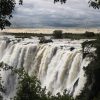
Victoria Falls & Zambezi Adventure Trek (Zimbabwe/Zambia)
- 🗓️ Best Window: Easter Break or Summer Break
- ⏱️ Duration: 6 Days
- 📍 Destinations: Victoria Falls Town, Zambezi National Park
-
🌊 Student Activities:
- Victoria Falls UNESCO Guided Hike: Educational geology walks along the canyon mist trails learning about waterfall formation and erosion.
- Upper Zambezi Sunset River Cruise: Riverboat trips focusing on hippos, river systems, and freshwater ecology.
- Vulture Culture Conservation Visit: Specialized educational session on scavenger conservation, poison reduction, and vulture ecological roles.
- Supervised White-Water Rafting: Age-appropriate, professionally managed river rafting modules exploring hydro-dynamics and teamwork.
- Community Cultural Exchanges: Visiting local Zimbabwean villages to learn about daily life, craft making, and local history.
- 🏡 Safe Accommodation: Private, fenced resort-style hotels with 24-hour security guards, keycard room access, and on-site medical first-aid teams.
Hwange National Park Wildlife & Community Safari (Zimbabwe)
- 🗓️ Best Window: October Half-Term or Summer Break
- ⏱️ Duration: 8 Days
- 📍 Destinations: Bulawayo, Hwange National Park
-
🤝 Student Activities:
- Elephant Behavior Safaris: Intensive game drives focused on monitoring Hwange's famous mega-herds and artificial waterhole management.
- Anti-Poaching Unit Briefings: Visiting ranger bases to learn about wildlife law enforcement, anti-poaching tech, and snare clearance.
- Community Service Projects: Participating in hands-on volunteer activities such as supporting rural school infrastructure or garden projects.
- 🏡 Safe Accommodation: Enclosed safari camps and eco-lodges with private group grounds, 24/7 security personnel, and full meal catering.
Primates, Lakes & Savanna Safari (Uganda)
- 🗓️ Best Window: Winter/Christmas Break or Summer Break
- ⏱️ Duration: 10 Days
- 📍 Destinations: Entebbe, Kibale Forest National Park, Queen Elizabeth National Park
-
🐒 Student Activities:
- Kibale Chimpanzee Trekking: Rainforest walks with wildlife researchers studying wild chimpanzee tool use, social structures, and forest habitat.
- Kazinga Channel Boat Cruise: Water-based safaris highlighting hippopotamus pods, Nile crocodiles, and abundant bird populations.
- Tree-Climbing Lion Safaris: Game drives in the Ishasha sector studying why local lions adapt to sleeping in fig trees.
- Coffee Farming Cooperatives: Field trips to sustainable coffee farms to study organic agricultural economics and fair trade practices.
- 🏡 Safe Accommodation: Gated safari lodges and secure botanical guesthouses with guarded entry, private dorm-style rooming, and purified water stations.
Murchison Falls & Rhino Sanctuary Safari (Uganda)
- 🗓️ Best Window: Winter/Christmas Break or Easter Break
- ⏱️ Duration: 7 Days
- 📍 Destinations: Kampala, Ziwa Rhino Sanctuary, Murchison Falls National Park
-
🦏 Student Activities:
- On-Foot Rhino Tracking: Walking safaris at Ziwa Rhino Sanctuary led by rangers to study southern white rhino breeding programs.
- Murchison Falls Nile Cruise: Boating to the base of the roaring falls to observe riverine geology and wildlife interactions.
- Northern Savanna Game Drives: Open-savanna drives examining Rothschild giraffe herds, lions, Jackson's hartebeests, and antelopes.
- Riverine Ecosystem Workshops: Field lectures covering the ecology of the Victoria Nile and wetland conservation.
- 🏡 Safe Accommodation: Fully fenced safari lodges along the Nile River equipped with night guards, private group dining facilities, and clean sanitation infrastructure.
Volcanoes & Akagera Conservation Tour (Rwanda)
- 🗓️ Best Window: June/July Summer Break or October Half-Term
- ⏱️ Duration: 8 Days
- 📍 Destinations: Kigali, Akagera National Park, Musanze (Volcanoes National Park region)
-
🦍 Student Activities:
- Akagera Big Game Safaris: Exploring Rwanda's restored savanna ecosystem to learn about animal reintroduction successes.
- Golden Monkey Trekking: High-altitude mountain hikes tracking endangered golden monkeys in the bamboo forests of the Virungas.
- Dian Fossey Gorilla Fund Visit: Interactive tour of the Ellen DeGeneres Campus to explore primatology research and conservation history.
- Kigali Genocide Memorial: Educational historical tour learning about modern Rwandan history, peace-building, and reconciliation.
- 🏡 Safe Accommodation: High-security city hotels in Kigali and fully fenced, modern eco-lodges in Akagera and Musanze.
Mount Kenya Climbing & Wildlife Safari (Kenya)
- 🗓️ Best Window: Summer Break or January/February Break
- ⏱️ Duration: 9 Days
- 📍 Destinations: Nairobi, Ol Pejeta Conservancy, Mount Kenya National Park
-
🏔️ Student Activities:
- Ol Pejeta Rhino Sanctuary Tour: Visiting the last two remaining northern white rhinos and learning about IVF genetic rescue projects.
- Mount Kenya Trekking Expedition: Supervised high-altitude hiking through moorlands and glacial valleys up to Point Lenana.
- High-Altitude Ecology Lessons: Field studies analyzing mountain altitudinal zonation, endemic alpine flora, and microclimates.
- Chimpanzee Sanctuary Visits: Educational talks on rescued chimpanzee care, social integration, and sanctuary logistics.
- 🏡 Safe Accommodation: Fully guarded conservancy lodges and mountain huts with experienced, certified mountain guides and support staff.
Great Rift Valley Lakes & Hell's Gate Cycling (Kenya)
- 🗓️ Best Window: October Half-Term or Easter Break
- ⏱️ Duration: 7 Days
- 📍 Destinations: Lake Naivasha, Lake Nakuru National Park, Hell’s Gate National Park
-
🚴 Student Activities:
- Hell's Gate Cycling Safari: Supervised bicycle rides through gorge landscapes alongside zebras, gazelles, and warthogs.
- Lake Naivasha Boat Safaris: Water tours studying hippopotamus territoriality and fish eagle feeding behaviors.
- Lake Nakuru Flamingo & Bird Studies: Field trips to soda lakes observing flamingo feeding adaptations and rhino conservation.
- Geothermal Energy Field Visit: Educational tours of Olkaria Geothermal Station examining clean, renewable energy production.
- 🏡 Safe Accommodation: Enclosed lakefront resorts and safari lodges featuring security checkpoints, private grounds, and clean dining facilities.
Luangwa Valley Walking Safari & Conservation (Zambia)
- 🗓️ Best Window: Summer Break (July–August)
- ⏱️ Duration: 8 Days
- 📍 Destinations: Lusaka, South Luangwa National Park
-
🐾 Student Activities:
- Authentic Bush Walking Safaris: Learning wilderness ecology on foot with top-tier professional guides and armed scouts.
- Nocturnal Predator Game Drives: Spotlighting night drives studying leopards, hyenas, and genet hunting habits.
- Conservation Lower Zambezi Modules: Interactive lectures on wildlife crime prevention, community anti-poaching, and snare removal.
- 🏡 Safe Accommodation: Established, fenced bush camps and river lodges with dedicated night guards, radio communications, and emergency evacuation cover.
Lower Zambezi River & Canoeing Safari (Zambia)
- 🗓️ Best Window: Summer Break (July–August) or October Half-Term
- ⏱️ Duration: 7 Days
- 📍 Destinations: Lusaka, Lower Zambezi National Park
-
🎣 Student Activities:
- Guided River Canoeing Expeditions: Navigating gentle river channels to observe elephants drinking and riverine life at eye level.
- Catch-and-Release Tigerfish Angling: Learning sport-fishing ethics and aquatic species biology on the Zambezi.
- Floodplain Game Drives: Exploring river plain habitats targeting big herds of buffalo, lions, and waterbucks.
- Freshwater Biology Lessons: Collecting water samples and studying river ecology, fish species, and water insects.
- 🏡 Safe Accommodation: Secure riverside safari camps built on elevated platforms with professional safety teams and enclosed dining setups.
Zanzibar Spice & Marine Conservation Safari (Tanzania)
- 🗓️ Best Window: Winter Break, Easter Break, or Summer Break
- ⏱️ Duration: 7 Days
- 📍 Destinations: Stone Town, Jozani Chwaka Bay National Park, Chumbe Island
-
🌴 Student Activities:
- Jozani Red Colobus Monkey Studies: Guided forest hikes observing the rare Zanzibar red colobus monkey and endemic fauna.
- UNESCO Stone Town Walking Tour: Architectural and historical walks exploring Indian Ocean trade routes and cultural history.
- Organic Spice Farm Botany: Hands-on lessons discovering how cloves, vanilla, nutmeg, and cinnamon are grown and processed.
- Chumbe Coral Park Snorkeling: Marine educational visits to a fully protected coral sanctuary learning about reef restoration.
- 🏡 Safe Accommodation: Secure, historic boutique hotels in Stone Town and enclosed beach resorts with private security guards and restricted public access.
Samburu Arid Zone Wildlife Safari (Kenya)
- 🗓️ Best Window: Summer Break or Winter Break
- ⏱️ Duration: 7 Days
- 📍 Destinations: Nairobi, Samburu National Reserve
-
🦒 Student Activities:
- Samburu Special Five Safaris: Game drives tracking desert-adapted species: Gerenuk, Grevy's Zebra, Reticulated Giraffe, Beisa Oryx, and Somali Ostrich.
- Dry-Land Adaptations Research: Studying how wildlife and plants survive long droughts along the Ewaso Nyiro River basin.
- Community Conservancy Visits: Learning how indigenous Samburu communities manage wildlife land and generate eco-tourism income.
- 🏡 Safe Accommodation: High-security river lodges along the Ewaso Nyiro River with perimeter fencing and 24-hour Samburu warrior security staff.
Tsavo East & West Geological & Wildlife Safari (Kenya)
- 🗓️ Best Window: Easter Break or Summer Break
- ⏱️ Duration: 8 Days
- 📍 Destinations: Mombasa/Nairobi, Tsavo West (Mzima Springs), Tsavo East
-
🌋 Student Activities:
- Mzima Springs Glass-Bottom Hide: Observing underwater movements of hippos and fish inside natural volcanic water springs.
- Shetani Lava Flow Studies: Field trips analyzing volcanic activity, black lava rock formations, and geological history.
- "Red Elephant" Game Drives: Exploring Tsavo's vast red-dust plains to study large elephant families and dust-bathing habits.
- Birdlife & Raptor Identification: Field workshops learning to identify migratory birds and birds of prey.
- 🏡 Safe Accommodation: Enclosed safari lodges with gated entry, night watchmen, and full emergency medical support access.
Serengeti Migration & Olduvai Gorge Anthropology (Tanzania)
- 🗓️ Best Window: January/February Break or Summer Break
- ⏱️ Duration: 9 Days
- 📍 Destinations: Arusha, Olduvai Gorge, Serengeti National Park
-
🦴 Student Activities:
- Olduvai Gorge Anthropology Visit: Museum and site tours studying early hominid fossil discoveries made by Louis and Mary Leakey.
- Serengeti Predator-Prey Research: Savanna game drives focusing on big cats (lions, cheetahs, leopards) and herbivore interactions.
- Optional Hot Air Balloon Safari: Aerial ecological perspective flight over the Serengeti plains (subject to group preferences).
- 🏡 Safe Accommodation: Secure, permanent tented camps inside the national park with Maasai escort staff for all night movements between tents and dining areas.
Mara-Naboisho Private Conservancy Student Camp (Kenya)
- 🗓️ Best Window: Summer Break or October Half-Term
- ⏱️ Duration: 7 Days
- 📍 Destinations: Nairobi, Naboisho Conservancy
-
🔬 Student Activities:
- Junior Ranger Training Modules: Practical field activities in radio communications, navigation, and compass work.
- Conservancy Night Drives: After-dark safari drives using red filters to observe hunting lions, aardvarks, and bushbabies.
- Wildlife Transect Surveys: Conducting real field research data collection on mammal population density and herbivore counts.
- Research Guest Lectures: Interactive presentations led by field scientists from Mara Predator Conservation Programme.
- 🏡 Safe Accommodation: Exclusive-use, fully secure field research camps with high staff-to-student ratios, gated perimeters, and on-site medical staff.
Essential Precautions for School Group Leaders
Taking a group of students to Africa requires meticulous planning and rigorous safety protocols. Chaperones and trip leaders should follow these mandatory guidelines:
1. Health & Medical Safeguards
- Comprehensive Medical Clearances: Require all students to submit up-to-date health forms detailing allergies, dietary needs, chronic conditions, and medication requirements.
- Vaccinations & Prophylaxis: Consult a travel health clinic at least 8 weeks before departure. Ensure mandatory vaccines (e.g., Yellow Fever where required, Tetanus, Hepatitis A/B) are completed. For malaria-risk destinations (e.g., Kruger, Serengeti, Mara), ensure every student takes their prescribed antimalarial medication daily.
- First Aid & Medical Insurance: Travel with at least one certified Wilderness First Responder (WFR) or trained First Aider. Ensure the tour operator provides Emergency Medical Evacuation Insurance (e.g., AMREF Flying Doctors in East Africa or Netcare 911 in Southern Africa).
- Water & Food Safety: Enforce a strict “no tap water” policy. Provide bottled or micro-filtered water stations. Ensure all food served to students is freshly cooked, hot, and prepared by vetted lodge kitchens.
2. Wildlife & Field Safety Rules
- Strict Vehicle Rules: Students must remain seated inside safari vehicles at all times. No leaning out of windows, shouting, or waving arms at animals.
- No Unescorted Walking at Night: In safari lodges and camps, wild animals (including hyenas, hippos, and leopards) can wander freely. Enforce a absolute rule: No student leaves their room or tent after dark without an armed guard or chaperone escort.
- Maintaining Distance: During bushwalks or village visits, students must maintain a safe distance from wildlife and domestic animals (dogs, livestock) to avoid bites or disease transmission.
3. Student Supervision & Group Dynamics
- Chaperone-to-Student Ratios: Maintain a strict chaperone ratio (ideal: 1 adult per 6–8 students).
- Buddy System: Assign every student a “buddy.” Implement headcounts before every departure, at every transit stop, and before retiring for the night.
- Digital & Curfew Management: Establish a clear policy regarding mobile phones and social media. Set firm nightly room-check curfews to ensure students are well-rested for early morning safari departures.
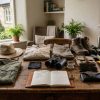
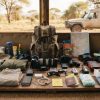
Ultimate Student Packing Checklist
Packing correctly ensures students stay comfortable, safe, and prepared for varied weather conditions—from freezing early-morning game drives to hot afternoon hikes.
1. Clothing (Neutral & Earthy Tones)
- 4–5 Short-sleeve t-shirts or polo shirts (khaki, beige, green, tan)
- 2 Long-sleeve lightweight shirts (for sun and mosquito protection)
- 2 pairs of lightweight trekking pants/trousers
- 2 pairs of comfortable shorts
- 1 Warm fleece jacket or sweater (mornings and evenings can be surprisingly cold)
- 1 Lightweight windproof/waterproof rain jacket
- 1 pair of comfortable, broken-in sturdy hiking boots or trail runners
- 1 pair of casual sneakers or sturdy sandals (for around camp/hotel)
- 5–7 pairs of moisture-wicking socks
- Underwear (enough for the duration or quick-dry options)
- Sleepwear
- Wide-brimmed sun hat or cap
- Swimsuit (for lodge pools)
2. Gear & Electronics
- Compact backpack / Daypack (20–30L for daily game drives/hikes)
- Good quality sunglasses with UV protection
- Compact binoculars (8x42 or 10x42 recommended for bird and wildlife viewing)
- Headlamp or small flashlight with extra batteries (essential for night-time camp navigation)
- Reusable insulated water bottle (1 Liter minimum)
- Universal travel adapter plug (Type G for East Africa/UK style, Type M/D for South Africa)
- Power bank (portable charger) for electronics during long game drives
- Camera with zoom lens, extra memory cards, and battery charger (optional)
3. Toiletries & Health Kit
- High-SPF, broad-spectrum sunscreen (SPF 30 or higher)
- Insect repellent containing DEET (30%) or Picaridin
- Personal medication (in original labeled containers, plus a copy of prescriptions)
- Lip balm with SPF protection
- Hand sanitizer and pack of biodegradable wet wipes
- Basic personal travel kit: band-aids, blister pads (Compeed), rehydration salts, travel sickness pills, pain relievers (ibuprofen/paracetamol)
- Toothbrush, toothpaste, and travel-sized biodegradable toiletries
- Small quick-dry microfiber towel
4. Travel Documents & Money
- Valid Passport (must have at least 6 months validity from return date and 2–3 blank pages)
- Printed Visas / e-Visa documentation (where required)
- Printed International Certificate of Vaccination (Yellow Fever yellow card, if applicable)
- Printed copy of Travel Insurance policy and 24/7 emergency assistance numbers
- Student ID card
- Small amount of local currency / US Dollars (crisp notes dated 2013 or newer for East Africa) stored in a secure neck pouch or money belt
- Notebook/journal and pens for field logs and educational assignments
Conclusion
An African safari during a European school vacation offers students an unparalleled blend of adventure, conservation education, and personal growth. By selecting the right region to match your school's holiday dates, adhering to strict safety protocols, and ensuring students pack appropriately, you can deliver a life-changing educational journey that resonates with your students long after they return to the classroom.
Book a Student Vacation Safari →

No responses yet