
October Maasai Mara Self-Drive Safari: Wildlife, Wilderness & the Short Rains
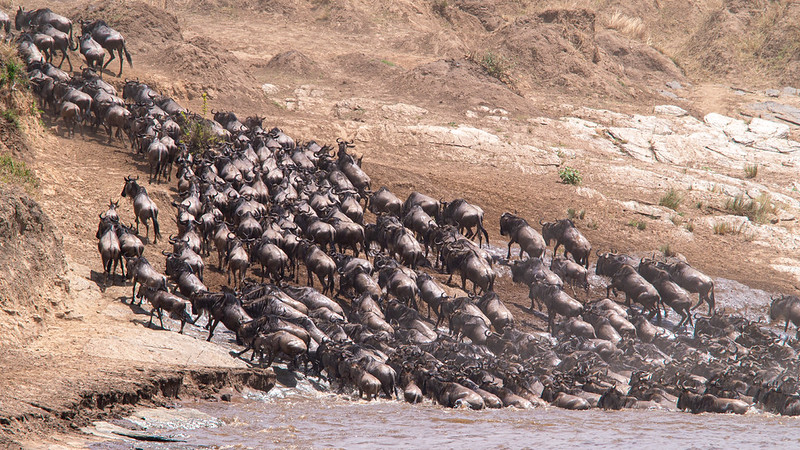
October Maasai Mara Self-Drive Safari, for decades, travel brochures have heavily spotlighted July, August, and September as the golden window for a Maasai Mara safari in Kenya. During these peak months, international travelers flood the reserve to witness the dramatic river crossings of the Great Wildebeest Migration. However, savvy independent travelers, wildlife photographers, and rugged overlanders know that October holds a unique, unheralded magic. As the calendar ticks into October, the peak-season crowds begin to thin out significantly, leaving vast golden savannahs open for tranquil exploration. Yet, the wildlife remains exceptionally abundant, predators are highly active, and the transition into the short rains breathes fresh life into the ecosystem.
Embarking on a self-drive safari in the Maasai Mara during October offers an unmatched sense of freedom and adventure. Unlike being boxed into a crowded tour van with fixed schedules, a self-drive expedition allows you to dictate your pacing, linger at a lion kill for hours, and navigate the tracks on your own terms. But taking on the Mara independently requires meticulous planning. From vehicle preparation and park entry protocols to navigating the early seasonal showers and selecting the ideal camping spots or luxury lodges, every detail matters.
This comprehensive, exhaustive master guide has been meticulously engineered to provide you with everything you need for an unforgettable October self-drive safari. Whether you are setting up a rooftop tent under the African stars or booking mid-range tented camps, this guide covers routes, vehicle setups, camping sites, wildlife behaviors, and safety protocols in exhaustive detail.
Understanding October in the Maasai Mara: Weather, Wildlife & The Short Rains
To execute a flawless self-drive safari in October, you must understand the dynamic environmental shifts characteristic of this shoulder month. October bridges the dry season and the onset of the East African ‘short rains’ (vuli). This atmospheric transition shapes animal movements, landscape aesthetics, and driving conditions across the Mara ecosystem.
Weather and Climate Patterns in October
October is generally characterized by warm daytime temperatures, typically ranging from 26°C to 29°C (79°F to 84°F), dropping to a comfortable 12°C to 15°C (54°F to 59°F) at night. Early mornings on game drives are crisp and require fleece jackets or windbreakers, but the sun quickly warms up the plains by mid-morning.
The defining meteorological feature of late October is the arrival of the short rains. While early October usually enjoys dry, dusty conditions, mid-to-late October frequently brings localized afternoon or evening thunderstorms. These showers are typically short-lived—lasting anywhere from thirty minutes to a couple of hours—followed by brilliant sunshine and dramatic, photogenic cloud formations. For self-drivers, these initial rains transform the parched terrain. Dust settles, the air becomes exceptionally crisp, and a faint tinge of green begins to sweep across the savannah.
Wildlife Dynamics: The Tail End of Migration & Resident Predators
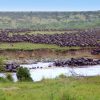
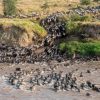
By October, the massive super-herds of wildebeest and zebras that crowded the northern and central Mara during July and September have begun their gradual trek back toward the Serengeti in Tanzania. However, ‘the end of the migration’ does not mean the Mara is empty. Thousands of resident wildebeest and zebras remain scattered across the plains, alongside massive herds of topi, eland, impala, and Thomson’s gazelles.
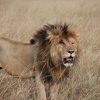
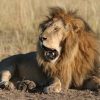
Crucially, October is one of the best months for predator viewing. Big cats—lions, cheetahs, and leopards—are exceptionally active. Lions take advantage of vulnerable resident herds and the remaining stragglers. Cheetahs utilize the shorter grass to spot prey effortlessly across the open plains. Furthermore, elephants roam in large breeding herds along the riverine forests, and giraffes browse lazily on acacia trees against stunning sunset backdrops.
The Self-Drive Vehicle & Equipment Checklist
Attempting a Maasai Mara self-drive safari in an ordinary sedan or a standard two-wheel-drive city car is a recipe for disaster. The terrain consists of rugged dirt tracks, deep black-cotton soil (‘soda mud’), rocky outcrops, and river crossings. Your vehicle is your lifeline.
Choosing the Right 4×4
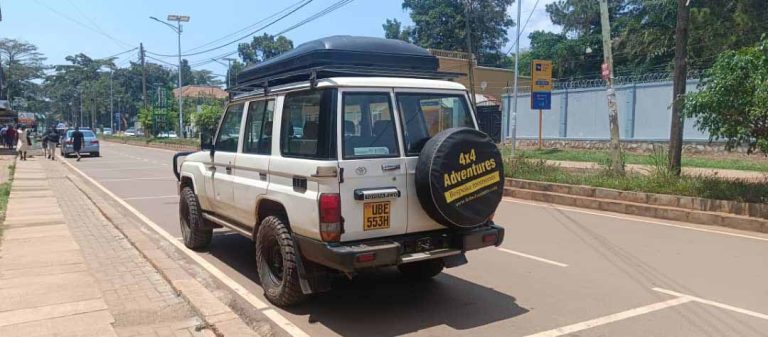
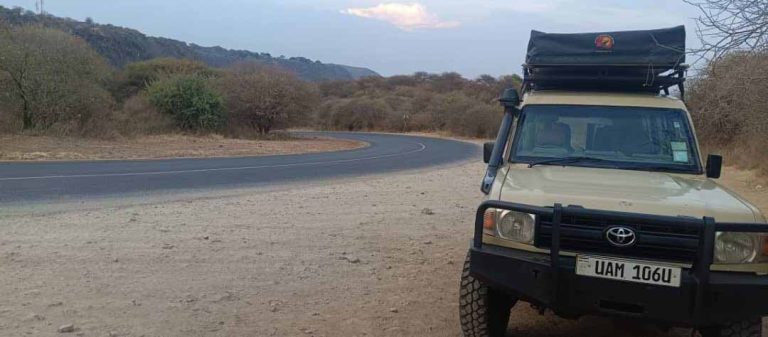
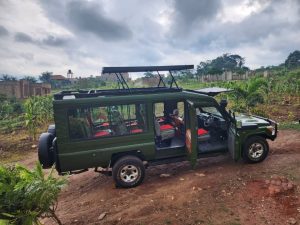
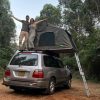
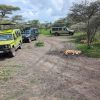
A true four-wheel-drive vehicle with high ground clearance is mandatory. The gold standard for East African safaris is a fully converted 4×4 Toyota Land Cruiser (such as the LC76 or LC80 series) equipped with snorkel, dual fuel tanks, all-terrain tires, and a pop-up roof hatch for wildlife viewing and photography. Alternatively, a robust 4×4 double-cab pickup truck (like a Toyota Hilux or Ford Ranger) fitted with a camper shell or rooftop tenting system is an excellent choice for self-drivers and campers.
Essential Gear and Recovery Equipment
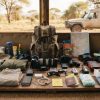
Even seasoned overlanders get stuck in the Mara’s notorious black-cotton soil, especially if caught in an unexpected October afternoon downpour. Your vehicle must be equipped with:
- Heavy-duty recovery strap / kinetic tow rope and rated shackles.
• Long-handled spade or entrenching tool for digging out mud.
• MaxTrax or recovery boards to place under spinning tires.
• Working 12V air compressor and a reliable tire pressure gauge (crucial for airing down in sand and mud).
• High-lift mechanical jack and a solid base plate.
• Dual spare tires in pristine condition with lug wrenches.
• Comprehensive first-aid kit, snake bite kit, and emergency rations.
• Offline navigation apps (Maps.me, Gaia GPS, or Garmin Tracks4Africa) pre-loaded with detailed Mara maps.
Navigating the Maasai Mara: Routes, Gates & Practical Logistics
The Maasai Mara National Reserve and its surrounding conservancies cover over 1,500 square kilometers. Understanding how to access the reserve and navigate its internal sectors is critical for a smooth self-drive journey.
Driving from Nairobi to the Mara
The journey from Nairobi to the Maasai Mara typically starts on the Nairobi-Mai Mahiu road or via Narok town. The tarmac road from Nairobi through Narok to the Sekenani Main Gate is paved and in good condition, making the drive to the eastern side straightforward. However, once you turn off the main highway toward Talek or Oloololo, you will encounter washboard gravel roads that test your suspension. Allow between 5 to 7 hours of total driving time from Nairobi to your chosen gate.
Choosing Your Entry Gate and Sector
- The Mara Triangle (Western Sector): Widely regarded by experienced self-drivers as the best sector for independent exploration. Managed by the Mara Conservancy, it features clearly marked signs, well-maintained roads, fewer vehicles, and stunning scenery. Accessed via Oloololo Gate. • Central & Eastern Sector (Sekenani & Talek Gates): High wildlife density and close proximity to major predator territories. However, the track network is complex, crisscrossed by numerous paths, and requires careful navigation to avoid getting lost.
• Musiara Gate (Northern Sector): Excellent for swamp viewing, elephants, and big cats, though tracks can become extremely slick during October rains.
Comprehensive Accommodation Compendium: Lodges & Tented Camps
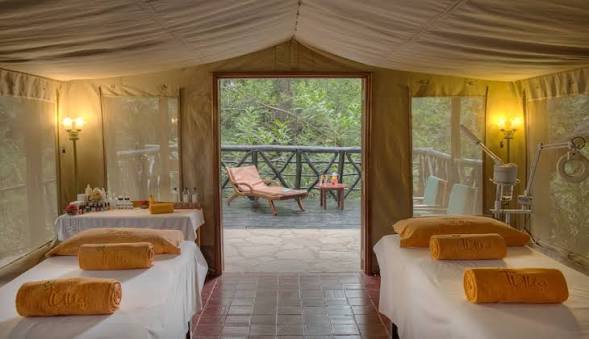
While self-driving implies independence, you do not have to sleep under canvas unless you want to. The Maasai Mara offers a staggering spectrum of accommodation options catering to self-drivers, ranging from luxury lodges to mid-range tented camps positioned near the park gates.
Luxury & Mid-Range Tented Camps
- Mara Sarova Game Camp (Sekenani Sector): Set in the heart of the reserve, featuring luxurious canvas tents, swimming pool, and electrified perimeter fences for security.
2. Keekorok Lodge (Central Mara): Kenya’s first game lodge inside the reserve, featuring an iconic hippo bar and a raised walkway overlooking a permanent waterhole.
3. Fairmont Mara Safari Club (Mara Triangle / Oloololo): Positioned along the Mara River, offering luxury tents with private river-facing verandahs.
4. Tipilikwani Mara Camp (Talek River): Overlooking the Talek River, offering spacious tents with authentic African decor and exceptional hospitality.
Camping Options: Public Campsites, Private Sites & Wild Camping
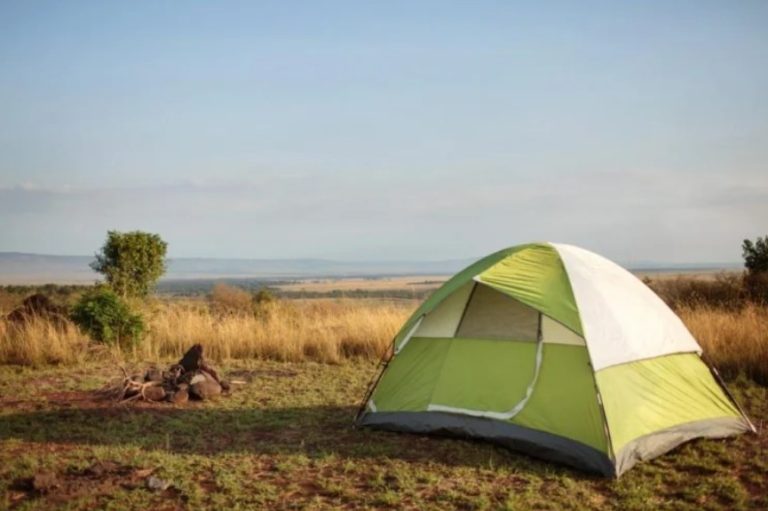
For true self-drive adventurers, camping in the Maasai Mara is the ultimate way to connect with the wilderness. Falling asleep to the distant roar of lions and waking up to the calls of migratory birds is an unmatched experience.
Public Campsites (Mara Triangle & Outside Reserve)
Public campsites are managed by the park authorities and offer basic shared facilities such as long-drop toilets, running water (where available), and firewood. In the Mara Triangle, exceptional public campsites include Oloololo Campsite, Eluai Campsite, and Iseiya Campsite. Outside the main reserve gates (Sekenani and Talek), numerous community campsites offer secure camping grounds equipped with hot showers and kitchen areas.
Private Special Campsites (Exclusive Wilderness)
For groups and seasoned overlanders seeking solitude, private special campsites (such as Olarro, Kiboko, and Dirisha) must be booked well in advance through the Mara Conservancy or Narok County government. These sites are completely unfenced and isolated in the bush, meaning campers must be entirely self-sufficient—bringing their own water, tents, chemical toilets, satellite communications, and cooking gear
Essential Rules, Safety Protocols & Etiquette for Self-Drivers
Safaris in the Maasai Mara are governed by strict regulations designed to protect both visitors and the fragile ecosystem. As a self-driver, you are solely responsible for adhering to these rules:
- Never exit your vehicle outside designated picnic areas or park gates. Wildlife is unpredictable; stepping out for a photo is illegal and extremely dangerous.
2. Maintain a respectful distance from wildlife—at least 20 to 25 meters from big cats and elephants. Never box in animals or block their path to water sources.
3. Observe strict speed limits (typically 40 km/h on main tracks, lower near wildlife) to prevent dust storms and collisions.
4. Off-road driving is strictly prohibited in the national reserve to prevent permanent scarring of the fragile savannah grassland and soil erosion.
5. Park gates close strictly at 6:00 PM and open at 6:00 AM. Driving after dark inside the reserve is illegal and dangerous due to nocturnal predators and unmarked hazards.
Day 1: Nairobi to Sekenani Gate & Initial Mara Introduction
- Morning Departure (05:30 AM – 08:30 AM): Hit the road from Nairobi before dawn to beat the notorious Nairobi-Mai Mahiu traffic. Travel via the Rift Valley escapement, enjoying breathtaking panoramic views of the valley floor before climbing up toward Narok town.
- Mid-Morning Supply Run in Narok (08:30 AM – 10:00 AM): Stop in Narok to refuel your 4×4, top up drinking water, purchase fresh groceries, and clear any remaining mobile money or cash transactions. Once past Narok, transition onto the gravel road toward Sekenani Gate.
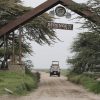
- Park Entry & Registration (01:00 PM – 02:30 PM): Arrive at Sekenani Gate, process your Kenya Wildlife Service (KWS) or Narok County park entry fees, present your vehicle logbook/permits, and register your itinerary.
- Camp Setup & Afternoon Game Drive (03:00 PM – 06:00 PM): Set up your rooftop tent at a nearby public campsite or check into your tented camp. Head out for a relaxed introductory game drive along the Sekenani sector tracks, looking out for initial sightings of zebras, giraffes, and localized hyena families as the October sun begins to set.
Day 2: Tracking Predators in the Central Mara & Talek River
- Dawn Awakening & Coffee (06:00 AM – 06:30 AM): Wake up to crisp October morning air, brew fresh camp coffee, and prepare your camera gear for a full day in the bush.
- Morning Predator Focus (06:30 AM – 11:30 AM): Drive deep into the Central Mara plains and follow the winding path of the Talek River. October’s shorter grass makes this an ideal environment for spotting cheetahs scanning the horizon for Thomson’s gazelles. Track known lion prides patrolling their territories or resting near rocky kopjes.
- Bush Lunch & Midday Rest (12:00 PM – 03:00 PM): Find a designated safe picnic site or return to your base camp to escape the midday heat. Review your offline maps and exchange tracking tips with fellow overlanders.
- Late Afternoon Exploration (03:00 PM – 06:00 PM): Head back out toward the Olare Orok confluence. Watch for herds of resident wildebeest kicking up dust as afternoon storm clouds gather on the horizon, delivering a brief, refreshing October downpour that cools the air.
Day 3: Crossing the Mara River to the Mara Triangle & Oloololo Escarpment
- Transit Drive via Purungat Bridge (07:00 AM – 09:30 AM): Pack up your gear or break camp early, and embark on a scenic traverse across the reserve toward the western sector, crossing the Mara River via the Purungat Bridge.
- Entering the Mara Triangle (09:30 AM – 01:00 PM): Experience the dramatically different landscape of the Mara Triangle, managed by the Mara Conservancy. Enjoy well-graded tracks, clear signage, and sweeping vistas of open savannah dotted with acacia trees.
- Escarpment Views & River Banks (02:00 PM – 05:00 PM): Drive along the base of the towering Oloololo Escarpment. Inspect historical river crossing points along the Mara River where lingering crocodiles and hippos populate the banks.
- Sunset on the Escarpment (05:00 PM – 06:30 PM): Ascend toward the Oloololo edge (if staying at an escarpment campsite) or secure a prime viewing spot at the valley floor to watch a magnificent African sunset paint the October clouds in deep amber and purple hues.
Day 4: Riverine Forests, Leopards & Camp Relaxation
- Early Morning Forest Track (06:30 AM – 10:30 AM): Dedicate the morning session to the dense riverine woodlands flanking the Mara River. Maneuver your 4×4 slowly along shaded tracks, scanning large acacia branches for resting leopards draped over limbs.
- Elephant Families & Birdwatching (10:30 AM – 12:30 PM): Observe large breeding herds of elephants bathing in the shallow river mud. Take time to photograph the diverse migratory and resident bird species energized by the pre-short rains atmosphere.
- Afternoon Down Time (01:00 PM – 04:00 PM): Return to camp for an extended midday break. Perform a quick 4×4 mechanical check—inspecting tire pressures, clearing air filters of dust, and organizing your gear storage.
- Golden Hour Game Drive (04:00 PM – 06:00 PM): Enjoy a leisurely final evening game drive across the open plains of the Triangle, capturing silhouettes of giraffes against the evening sky.
Day 5: Final Sunrise Drive & Return Journey to Nairobi
- Final Sunrise Game Drive (06:00 AM – 08:00 AM): Catch the absolute first light breaking over the Mara plains. Enjoy one last look at active jackals, spotted hyenas, and grazing antelopes before heading back to camp.
- Camp Strike & Pack-Up (08:00 AM – 09:30 AM): Systematically dismantle your rooftop tent, secure all camping equipment, check out of your site, and head toward the exit gate.
- Gate Clearance & Departure (09:30 AM – 10:00 AM): Complete your exit formalities at Oloololo or Sekenani Gate, ensuring all park conservation fees are fully settled.
- The Return Drive to Nairobi (10:00 AM – 05:00 PM): Drive back via Narok and the Mai Mahiu highway, arriving back in Nairobi by late afternoon or early evening with your vehicle full of incredible safari memories.
Conclusion: Your Unforgettable Mara Adventure Awaits
An October self-drive safari in the Maasai Mara is an extraordinary adventure that blends raw wilderness, thrilling wildlife encounters, and the profound freedom of independent travel. By understanding the unique October weather patterns, equipping your 4x4 correctly, choosing the right camping or lodge options, and respecting park regulations, you are guaranteed an expedition of a lifetime. Prepare your gear, check your winch, and get ready to experience the legendary magic of the Mara on your own terms.


No responses yet