
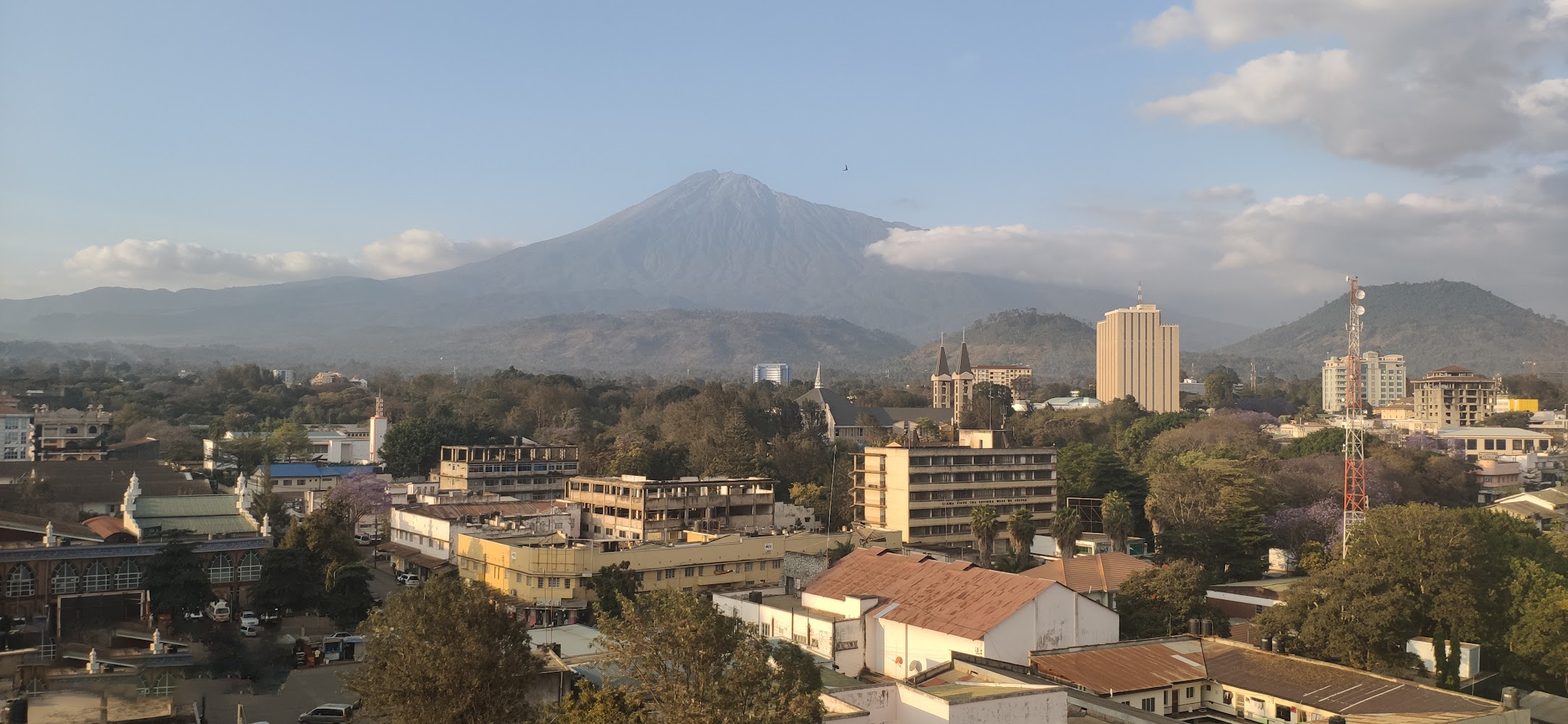
7-Day One-Way Great Rift Valley and Serengeti Overland Expedition
7-Day One-Way Great Rift Valley and Serengeti Overland Expedition: Embarking on a self-drive safari through Tanzania is one of the ultimate adventures in East Africa. While many travelers opt for guided tours, taking the wheel yourself unlocks a raw, immersive, and deeply personal connection with the wilderness. This expanded 2,000-word masterclass blueprint transforms the standard 7-day northern circuit itinerary into an exhaustive, highly detailed manual covering logistics, route breakdowns, wildlife expectations, vehicle preparation, and emergency protocols.
Introduction to Tanzania Self-Drive Logistics
Tanzania’s Northern Safari Circuit is the crown jewel of African wildlife viewing. Encompassing iconic destinations like the Serengeti, Ngorongoro Crater, Lake Manyara, and Tarangire, this region offers a concentration of biodiversity found nowhere else on earth. A self-drive expedition here requires meticulous planning. Unlike South Africa or Namibia, which feature highly developed self-drive infrastructures, Tanzania presents rugged terrain, remote stretches with limited cellular coverage, complex national park regulations, and unpredictable weather patterns.
Success on a Tanzanian self-drive safari hinges on three pillars: vehicle selection, navigation preparation, and financial compliance with park authorities. You are not just renting a car; you are managing a mobile expedition unit.
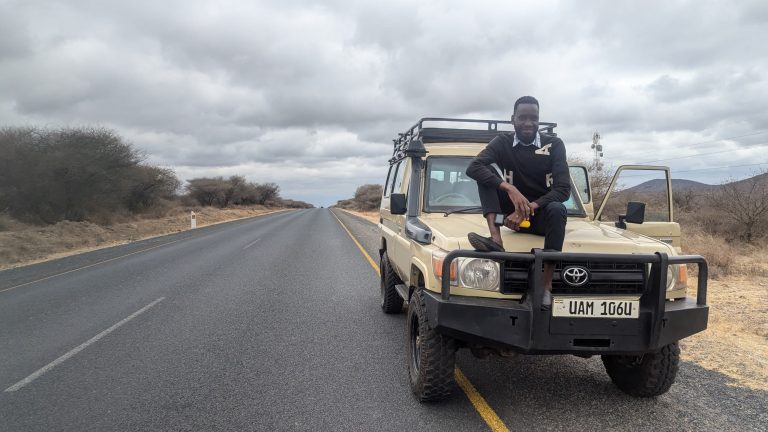
Your vehicle is your lifeline. Attempting this route in a standard crossover or a sedan is a recipe for disaster.
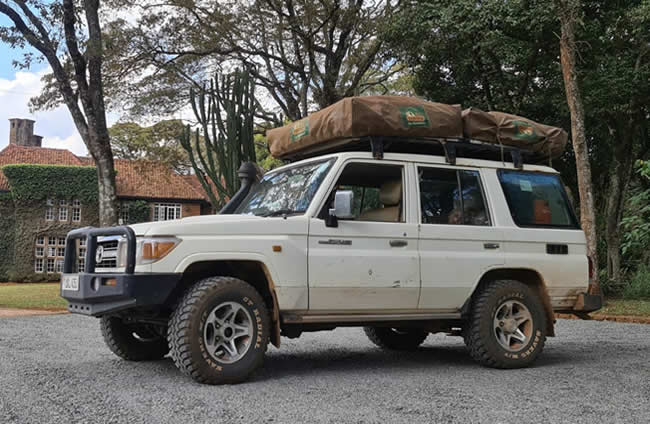
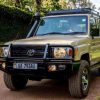
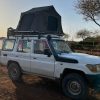
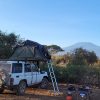
- The Ideal Rig: A heavy-duty 4×4 vehicle equipped with a high-clearance suspension, dual fuel tanks, a snorkel for river crossings, and robust all-terrain tires (such as BFGoodrich KO2s) is mandatory. Toyota Land Cruisers (specifically the 70 Series or modified 80/100 Series) are the gold standard in East Africa because spare parts and mechanics are universally available for them.
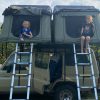
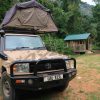
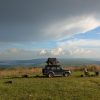
- Camping and Recovery Gear: If you plan on wild camping or using park campsites, ensure your 4×4 features a professional rooftop tent setup, a dual-battery system to run a fridge-freezer, a 12V air compressor, a heavy-duty tow strap, a high-lift jack, a Shovel, and traction boards (MaxTrax).
- Mechanical Checkpoints Before Departure: Test the 4×4 high and low ranges manually before leaving the depot in Arusha or Moshi. Inspect the spare tires (carry two), verify the tire pressure gauge functionality, and confirm that the emergency kit includes a functional fire extinguisher, reflective triangles, and a first-aid trauma kit.
Financial Planning and Park Fees
Tanzania National Parks (TANAPA) and the Ngorongoro Conservation Area Authority (NCAA) operate strict, cashless payment systems for entry permits and conservation fees.
- Credit and Debit Cards: Most park gates accept international Visa and Mastercard, but network connectivity can fail in remote areas. Always carry a secondary backup card or pre-funded digital travel wallet.
- Concession and Camping Fees: Keep in mind that self-drive budgets must account for daily conservation fees (which vary for adults and children), vehicle entry fees per day, and specific campsite or concession fees if staying inside Serengeti or Ngorongoro. Public campsites are significantly cheaper than special or luxury campsites, but they offer basic amenities like long-drop toilets and cold-water showers.
The 7-Day Itinerary Detailed Breakdown
Day 1: Arusha to Tarangire National Park
- Distance & Drive Time: ~120 kilometers | 2 to 2.5 hours on paved tarmac via the Great North Road, followed by a short gravel stretch to the park gate.
- Morning Routine: Pick up your rental vehicle early in Arusha. Stock up on non-perishable groceries, drinking water, and fresh produce at a major supermarket like Shoppers or Impala. Secure your physical paper maps and download offline navigation applications (such as Maps.me or Gaia GPS).
- The Experience: Arrive at Tarangire by late morning. The park is famous for its colossal, ancient baobab trees and massive elephant herds that congregate along the Tarangire River during the dry season. Drive toward the Silale Swamp area where migratory patterns concentrate predators and herbivores alike.
- Accommodation: Set up camp at Tarangire Public Campsite (e.g., Twiga Campsite just outside the gate if you prefer structured amenities, or public sites inside the park for an authentic bush experience).
Day 2: Tarangire to Lake Manyara National Park
- Distance & Drive Time: ~70 kilometers | 1.5 hours on smooth tarmac.
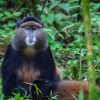
- The Experience: Depart early toward the Rift Valley escarpment. Lake Manyara National Park is compact, incredibly green, and ecologically diverse. Spend your morning driving through the groundwater forest where troops of blue monkeys and baboons chatter in the canopy. Transition to the acacia woodlands and the alkaline lake shore, keeping a sharp eye out for Manyara’s legendary tree-climbing lions draped lazily over mahogany branches. Millions of flamingos paint the shallow waters pink depending on seasonal water levels.
- Afternoon Activity: Visit the hippo pool boardwalk for a safe, elevated view of hippos wallowing and snorting in the mud.
- Accommodation: Stay at a campsite near Mto wa Mbu village, such as Migombani Campsite, which offers stunning views overlooking the Rift Valley floor and Lake Manyara.
Day 3: Lake Manyara to Serengeti National Park (Central – Seronera)
- Distance & Drive Time: ~200 kilometers | 5 to 6 hours due to rough, corrugated dirt roads and mandatory transit through the Ngorongoro Conservation Area.
- The Journey: This is a driving-heavy day. Climb up the steep Ngorongoro Crater highlands, passing through vibrant Maasai pastoralist country where traditional bomas dot the rolling green hills. Stop briefly at the Ngorongoro Crater Main Gate to settle your transit and conservation fees.
- Entering the Serengeti: As you descend the western slope of the crater highlands, the endless plains of the Serengeti unfold before you. The transition from highland forest to savannah is dramatic. Drive north toward Seronera, the heart of the park, stopping to scan granite kopjes (rock outcrops) where leopards frequently lounge during the heat of the day.
- Accommodation: Seronera Public Campsite. Ensure all food items are securely locked inside your vehicle or metal storage boxes to deter inquisitive vervet monkeys and hyenas.
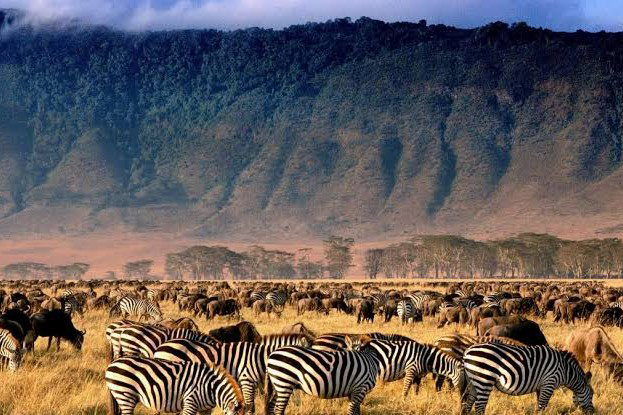
Day 4: Full Day Exploration of Central Serengeti
- The Experience: Dedicate the entire day to tracking wildlife across the Seronera Valley, Retima Hippo Pool, and surrounding river networks. Because you are on a self-drive safari, you set the pace. Wake up before dawn (around 6:00 AM) for a sunrise game drive when predators—lions, cheetahs, leopards, and hyenas—are most active on the hunt.
- Midday Break: Return to camp during the harsh midday sun to rest, cook lunch over a gas stove, and review your wildlife sightings in your expedition logbook. Head back out at 3:30 PM as the golden hour illuminates the plains, casting long shadows across herds of migrating wildebeests, zebras, and Thomson’s gazelles.
- Accommodation: Seronera Public Campsite (Second night).
Day 5: Serengeti to Ngorongoro Conservation Area (Ngorongoro Crater Rim)
- Distance & Drive Time: ~140 kilometers | 3.5 to 4 hours.
- The Experience: Enjoy a final morning game drive as you exit the Serengeti plains and retrace your route south toward the Ngorongoro Conservation Area. Stop at the Olduvai Gorge (The Cradle of Mankind) for a fascinating self-guided or ranger-led tour of the paleoanthropological site where Louis and Mary Leakey discovered critical hominid fossils.
- Crater Rim Arrival: Arrive at the crater rim by late afternoon. The air at 2,300 meters above sea level is noticeably crisp and cool—pack a heavy fleece or windbreaker.
- Accommodation: Simba Public Campsite, perched dramatically right on the edge of the crater rim with sweeping views of the caldera floor far below.
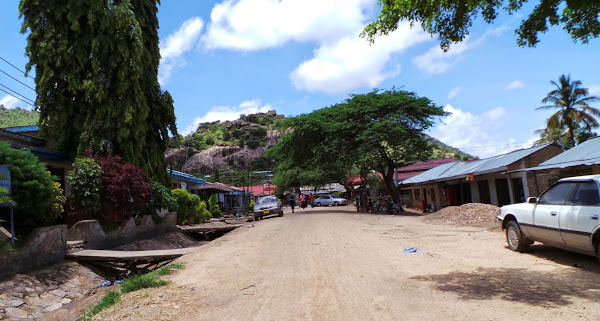
Day 6: Ngorongoro Crater Floor Tour to Karatu
- Distance & Drive Time: Crater descent/ascent + 50 kilometers to Karatu (~1.5 hours).
- The Crater Descent: Wake up early to be at the crater descent gate when it opens (typically 6:00 AM). The descent road is steep, winding, and strictly one-way. You will drive down through swirling morning mist into a self-contained Eden spanning 260 square kilometers.
- Wildlife Highlights: The crater floor offers the highest density of wildlife in Africa. Within a few hours, you can spot the “Big Five” (though rhinos are heavily guarded and require binoculars to spot clearly across the soda flats). Spend several hours driving around Lake Magadi, the Lerai Forest, and the Ngoitokitok Springs where massive bull elephants graze alongside massive flocks of crowned cranes.
- Ascent and Rest: Ascend the crater wall by early afternoon and drive out of the conservation area down to the agricultural town of Karatu.
- Accommodation: Panorama Camp Site or Eileen’s Tree Inn in Karatu for a hot shower, a comfortable bed, and a celebratory dinner.
Day 7: Karatu Back to Arusha
- Distance & Drive Time: ~150 kilometers | 2.5 to 3 hours on paved tarmac.
- The Journey: Enjoy a relaxed morning breakfast overlooking the coffee plantations of Karatu. Drive smoothly back along the paved highway toward Arusha, passing bustling roadside markets and local villages.
- Post-Trip Wrap-Up: Return your rental vehicle to the depot, complete the vehicle inspection checklist, debrief with the fleet manager, and transfer to Kilimanjaro International Airport (JRO) or Arusha Airport (ARK) for your onward flight home.
Vehicle Specificationa & Logistics Enquiries
Essential Survival Tips and Rules of the Bush
- Never Feed the Wildlife: Baboons, vervet monkeys, and hyenas quickly lose their natural fear of humans when fed. Feeding them inevitably leads to aggressive behavior and results in park rangers having to destroy nuisance animals.
- Speed Limits: Strictly adhere to the 50 km/h speed limit inside national parks. OVERSPEEDING FINDS ARE HEAVY, and reckless driving endangers wildlife that can bolt unexpectedly across tracks.
- Stay in Your Vehicle: You are strictly prohibited from stepping outside your vehicle within national parks, except in designated picnic areas, campsites, or bathrooms. Predator stealth makes walking outside unsafe.
- Tire Management: If you encounter sticky black cotton soil during the rainy season, drop your tire pressure down to around 20–22 PSI to increase traction, and reinflate them once you hit gravel or tarmac using your onboard air compressor.


No responses yet