
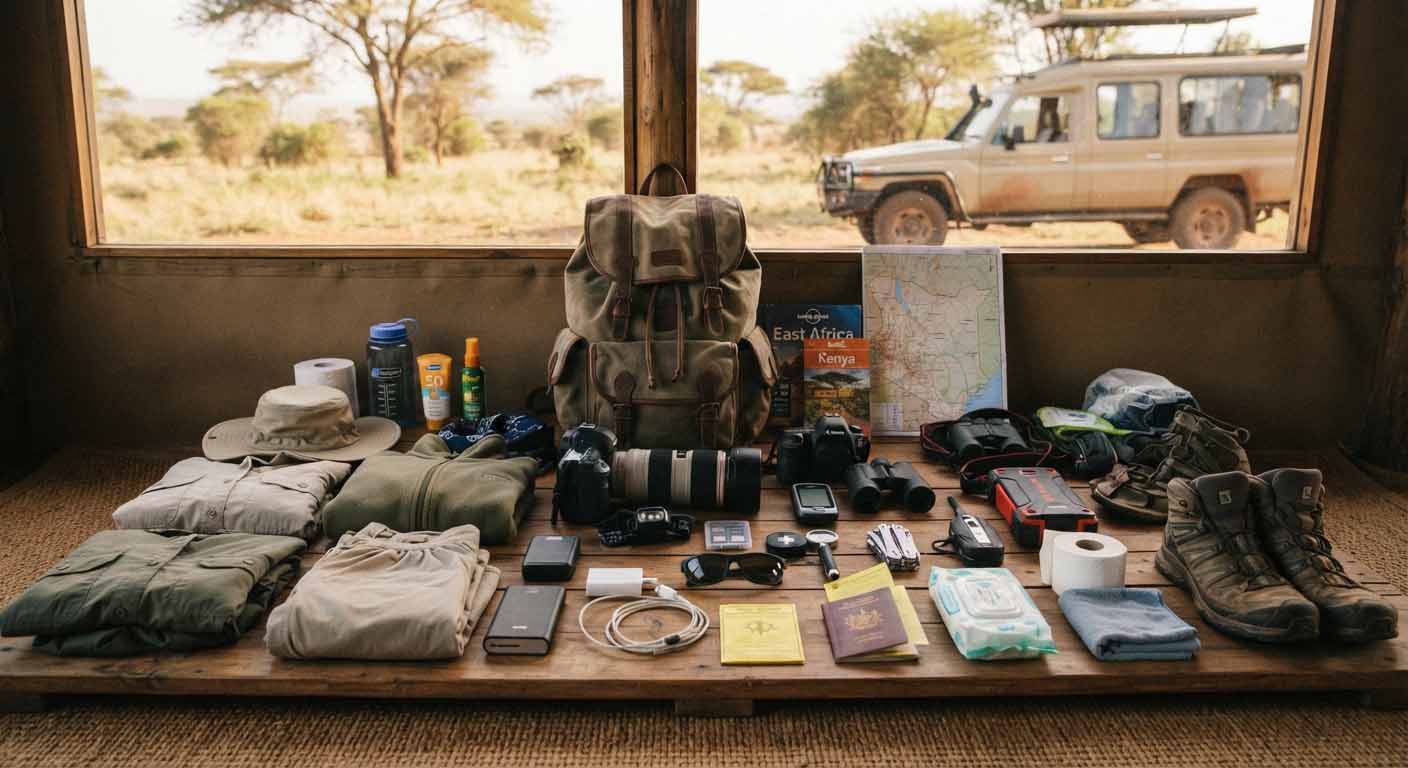
4x4 Kenya Road Trip Packing List for Self-Drive Safaris
4×4 Kenya Road Trip Packing List for Self-Drive Safaris: A complete, mile-tested packing guide for anyone planning to self-drive Kenya’s national parks, conservancies, and back roads in a 4×4.
There is a particular kind of freedom that comes with driving yourself across Kenya. It is the freedom to pull over when a herd of elephants crosses the road ahead of you, to linger an extra hour at a waterhole in Amboseli because the light is doing something extraordinary, and to choose your own route between Nairobi and the Maasai Mara without answering to anyone else’s itinerary. Self-drive safaris have become one of the most popular ways to experience Kenya precisely because they hand that freedom back to the traveler. But freedom on Kenyan roads and tracks comes with a condition attached: you need to be prepared for the fact that help, fuel, phone signal, and shops can be many hours away once you leave the tarmac.
A 4×4 road trip through Kenya is not the same as a rental-car holiday in Europe or the United States. You might drive across black cotton soil that turns to axle-deep mud within minutes of a rain shower, navigate rutted tracks through the Chyulu Hills, ford seasonal rivers in Tsavo, or spend a night camped outside a conservancy gate with only the sound of hyenas for company. The single biggest factor separating a magical trip from a miserable one is not the vehicle you drive or the route you choose. It is what you packed before you left. This guide walks through everything a self-drive traveler should throw into a 4×4 before setting off into Kenya’s parks and wilderness areas, organized by category so you can work through it methodically rather than trying to remember everything at once.
Whether you are hiring a fully kitted-out Land Cruiser from a Nairobi outfitter, bringing your own vehicle across the border, or building up your own overlanding rig for a multi-week expedition, the categories below apply. Adjust quantities to your trip length, the number of people traveling, and the season, but do not skip categories altogether. Kenya rewards preparation and punishes complacency, often within the same afternoon.
1. Documents, Permits, and Paperwork
Before a single spare tyre or jerry can goes into the vehicle, get your paperwork in order. Nothing ends a self-drive trip faster than being turned away at a park gate or stopped at a roadblock without the right documents.
- Passport: valid in your home country, and for 6+ months beyond your travel dates if you are also flying internationally
- Kenya visa or eTA: required for citizens of most countries; apply online in advance through the official eVisa portal rather than on arrival where possible
- Driving license: an International Driving Permit alongside your home license is strongly recommended and required by most rental agreements
- Vehicle rental documents: original rental agreement, insurance certificate, and any cross-border permit letter if you are taking a hired vehicle out of Kenya into Tanzania or Uganda
- Vehicle ownership documents: logbook (registration certificate), current insurance certificate, and inspection sticker if you are self-driving your own vehicle
- Park entry payment method: Kenya Wildlife Service (KWS) uses a cashless Safaricom-linked payment system for many parks; some conservancies still take cash, so carry both a working local SIM with credit and some Kenyan shillings
- Park booking confirmations: many parks now require pre-booking or at least benefit from it, especially in high season; print or screenshot confirmations since signal at the gate is unreliable
- Travel and medical insurance: comprehensive cover that explicitly includes off-road driving, self-drive safari activity, and emergency medical evacuation; a policy that covers flying doctors’ services (such as AMREF) is worth the extra premium
- Copies of everything: photocopies or phone photos of every document above, stored separately from the originals, plus a copy saved to cloud storage you can access without your primary phone
Tip: keep a dedicated folder or waterproof pouch just for documents, and know exactly where it lives in the vehicle. Fumbling for paperwork at a gate with a queue of vehicles behind you is avoidable stress.
2. Vehicle Recovery Gear and Tools
This is the category that matters most and gets neglected most often, usually by travelers who assume the rental company has already thought of it. Always check, and if in doubt, bring your own. Getting stuck is not a question of if on a Kenyan self-drive trip, it is a question of when, and the difference between a stuck vehicle and a five-minute delay is almost entirely down to the gear in the back.
- Spare tyre(s): at least one full-size spare, ideally two on longer or more remote routes; check tyre pressure and tread before departure
- Jack and wheel spanner: confirm it matches your vehicle and that you know how to use it; a hi-lift or bottle jack rated for the vehicle’s weight, tested before you leave, not discovered broken on the roadside
- Tyre pressure gauge and portable air compressor: essential for reducing pressure on sand or soft mud and reinflating once back on hard surfaces
- Puncture repair kit: a proper tyre repair kit with plugs, patches, and a means of finding the puncture, in case you go through more than your spares
- Recovery strap or kinetic rope: rated to at least 2x your vehicle’s gross weight, for both towing and winching-style recovery with a tree trunk protector
- Traction boards or sand ladders: indispensable for black cotton soil, mud, and sand; two are safer than one since you can bridge under both drive wheels
- Shovel: a flat-bladed shovel, ideally a folding one, for digging out wheels or clearing a path
- Heavy-duty gloves: a set of proper gloves for handling straps, winch cables, or hot engine parts
- Multi-tool and basic tool kit: basic tool roll covering socket set, screwdrivers, pliers, adjustable wrench, and tyre levers
- Spare parts: spare fan belt, radiator hose, fuses, bulbs, and a length of wire or cable ties; ask your rental company what spares they include and top up gaps yourself
- Fluids: 2 to 3 litres of engine oil, coolant, and brake fluid appropriate to the vehicle, since these are not always readily available outside towns
- Winch: if your vehicle has one fitted, know how to operate it and carry a tree trunk protector, shackles, and gloves; if not fitted, a hi-lift jack can double as a manual recovery tool with the right accessories
- Extra fuel: at least one 20-litre jerry can of diesel or petrol as appropriate, more for remote routes like northern Kenya where fuel stations are far apart
- Air filter: particularly important on dusty roads; carry a spare filter or two and know how to check and clean the one fitted
- Warning triangle and fire extinguisher: reflective warning triangles, a fire extinguisher, and a basic breakdown kit are legally required in Kenya and genuinely useful
Tip: if hiring, do a full walkaround with the rental company before you leave Nairobi or Mombasa and confirm every item on this list is actually in the vehicle, not just listed on a checklist. Test the jack and compressor on the spot.
3. Navigation and Communication
Kenya’s parks are large, roads are often unsigned or inconsistently signed, and relying purely on a phone’s data connection is a mistake once you leave main towns. Redundancy is the guiding principle here: carry more than one way to know where you are and more than one way to call for help.
- GPS device or offline maps: a dedicated GPS unit or a phone loaded with offline maps (such as Maps.me, Tracks4Africa, or Google Maps downloaded offline) covering your full route, downloaded before you lose signal
- Paper maps: Tracks4Africa produces detailed paper and digital maps of East Africa that remain the gold standard for self-drivers; a physical paper map as backup never runs out of battery
- Local SIM card: a local Safaricom or Airtel SIM card gives you the best coverage in populated areas and is needed for cashless park payments
- Satellite communicator: in genuinely remote areas such as northern Kenya, parts of Tsavo, or the Chalbi Desert, a satellite phone or a satellite messenger device (Garmin inReach or similar) can be the difference between a manageable emergency and a serious one
- Two-way radios: a basic handheld radio if traveling in a convoy of multiple vehicles, so you can communicate without phone signal
- Emergency contact numbers: keep the numbers for KWS, your rental company’s emergency line, your insurance provider’s assistance line, and a flying doctor service written down on paper, not just saved in a phone that could die or be lost
- Compass: a basic compass as a low-tech backup that never needs charging
4. Camping and Shelter Gear
Many self-drive itineraries in Kenya mix lodge stays with nights at public or private campsites inside or near the parks. Even if you plan to stay mostly in lodges, it is worth carrying basic camping gear in case of a breakdown, a missed connection, or a simple change of plan.
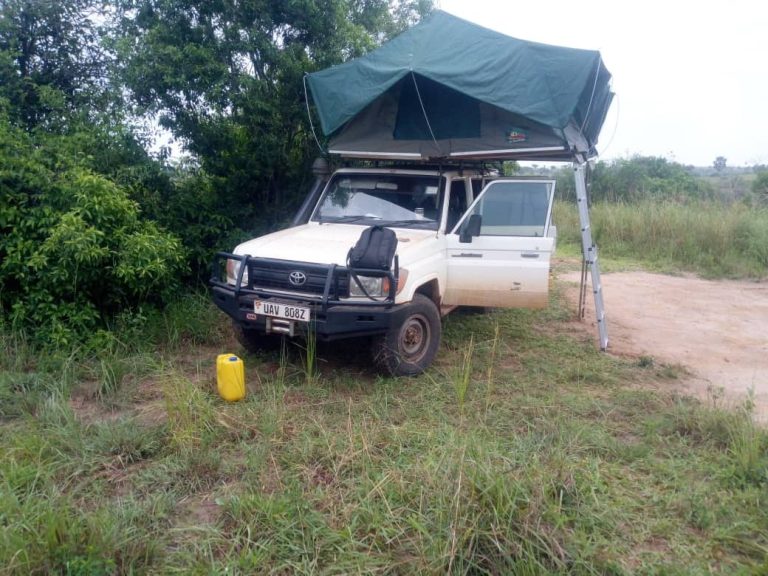
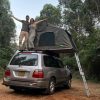
- Tent: a rugged tent rated for the conditions, or a roof-top tent if your vehicle is fitted for one, which adds a useful layer of separation from the ground and passing wildlife
- Sleeping bags: comfortable to at least a few degrees below the coldest night you expect; nights in the highlands and on the Laikipia plateau get surprisingly cold
- Sleeping mats: a foam or inflatable mat significantly improves sleep quality on rough or stony ground
- Tarp or awning: useful for shade during midday stops and rain protection when cooking outdoors
- Camp table and chairs: a folding table and chairs make camp life dramatically more comfortable and are easy to store in most 4x4s
- Cooking equipment: gas stove with sufficient canisters or a multi-fuel option, a basic set of pots and pans, plates, cups, and cutlery for the group
- Cooler or fridge: a cool box or a 12-volt fridge-freezer that runs off the vehicle’s battery system is one of the best upgrades for longer trips, keeping meat, dairy, and drinks safe in the heat
- Headlamps and torches: a headlamp per person is worth more than a single torch, since it frees your hands for cooking, setting up camp, or finding your way to a long-drop toilet after dark
- Lantern: many public campsites are unfenced and sit within or near wildlife areas, so a bright, rechargeable lantern for the communal area at camp adds both convenience and a degree of reassurance
- Washing kit: basic camp soap, a washing line, pegs, and a quick-dry towel help keep gear clean on longer trips
- Duct tape and cable ties: a roll of good quality duct tape and cable ties fix an astonishing range of camping and vehicle problems
Tip: if camping in parks with no fences, such as many public campsites in the Maasai Mara or Amboseli, never leave food out overnight and keep a torch within reach of your tent. Hyenas and baboons are opportunistic and will investigate anything that smells like food.
5. Clothing for Kenya’s Varied Climates
Kenya sits on the equator, but altitude does more to determine temperature than latitude does. Nairobi and the highlands can be genuinely cold at night and in the early morning, while Tsavo, the coast, and the northern deserts run hot year-round. A self-drive itinerary that moves between these zones needs a wardrobe that layers well rather than one built around a single climate assumption.
- Neutral-colored clothing: khaki, olive, beige, and other muted tones are traditional for safari for good reason: they show dust less and are less likely to disturb wildlife than bright colors
- Long-sleeved shirts and lightweight trousers: light, breathable long-sleeved shirts and trousers protect against sun and insects during the day while remaining cool
- Warm layer for early mornings and evenings: a warm jacket or fleece, plus a beanie and gloves if traveling in the cooler months (June to August) or spending time at higher altitudes such as the Aberdares or Mount Kenya foothills
- Rain jacket: a packable rain jacket for the wet seasons (roughly March to May, and October to December)
- Comfortable closed shoes: sturdy, closed-toe walking shoes or boots for game walks, changing tyres, and general camp life, plus sandals for around camp
- Wide-brimmed hat and sunglasses: essential for sun protection and dust; polarized lenses also help cut glare off dirt roads and water
- Underwear and socks for the full trip length: cotton is comfortable but slow to dry; a mix of cotton and quick-dry synthetic fabrics works well for multi-day trips with limited laundry opportunities
- Buff or scarf: a light scarf, buff, or bandana doubles as dust protection on dry roads and sun protection on the neck
- Swimwear: if visiting the coast, hot springs, or a lodge with a pool, pack swimwear even on a wildlife-focused trip
6. Health, Hygiene, and First Aid
Medical facilities become sparser the further you travel from Nairobi and Mombasa, and in genuinely remote parks you may be several hours from the nearest clinic. A well-stocked first aid kit and basic health precautions go a long way toward keeping small problems small.
- Antimalarial medication: Kenya is a malaria risk area in most of the regions self-drive travelers visit, particularly lower-altitude parks; consult a travel health clinic before departure and carry prescribed prophylaxis if recommended
- Insect repellent: a strong, unscented DEET or picaridin-based repellent, applied especially at dawn and dusk
- Comprehensive first aid kit: plasters, gauze, antiseptic wipes and cream, bandages, tweezers, scissors, blister plasters, rehydration salts, antihistamines, pain relief, anti-diarrhoeal medication, and any personal prescription medication with enough supply for the whole trip plus a buffer
- Sunscreen: broad-spectrum, high-factor sunscreen is essential given the equatorial sun, even on overcast days
- Water purification tablets or filter: carry more than you think you need, and a filter or purification tablets as backup, particularly for longer or more remote routes where bottled water may not be available
- Hand sanitizer and wet wipes: hand sanitizer, wet wipes, and toilet paper for stops where facilities are basic or nonexistent
- Dust masks: useful in the dry season on dusty roads and helpful for anyone prone to allergies or respiratory sensitivity
- Medical information card: a personal medical summary, especially for anyone with allergies or chronic conditions, kept somewhere accessible to travel companions in an emergency
If you or anyone in your group has a specific health condition, it is worth researching the nearest flying doctor evacuation point along your route before you leave, and confirming your insurance actually covers evacuation from remote parks, not just hospital treatment.
7. Food, Water, and Cooking Supplies
Self-catering gives you flexibility and cuts costs on a long trip, but it requires planning around Kenya’s shops and supply chains, which thin out fast once you leave the main towns.
- Drinking water: carry a minimum of 5 litres per person per day, more in hot, dry regions, and always more than you think you will drink
- Non-perishable food: stock up in Nairobi or another major town before heading into remote areas; supermarkets like Naivas, Carrefour, and Zucchini are good for a final big shop
- Fresh food for early days: fresh produce, meat, and dairy are best bought as close to departure as possible and stored in a cool box or fridge; buy extra durable vegetables like onions, carrots, and potatoes that travel well
- Seasoning and cooking basics: basic salt, pepper, cooking oil, and a few sauces make camp meals far more enjoyable
- Coffee, tea, and a kettle or pot: a decent supply of local coffee or tea, since a hot drink at a chilly Mara or Aberdares sunrise is one of the simple pleasures of a self-drive trip
- Snacks for the road: energy bars, nuts, and dried fruit for long driving days when stopping to cook is not practical
- Food storage and rubbish bags: a cool box divider or separate containers to keep raw meat away from ready-to-eat food, along with a bin bag system for rubbish, since parks require you to carry out everything you bring in
8. Electronics and Power
A good camera is almost non-negotiable on a Kenyan safari, and keeping devices charged away from mains power is one of the more practical challenges of a multi-day self-drive trip.
- Camera and lenses: a camera with a reasonable zoom lens makes a real difference for wildlife photography compared to a phone camera alone; bring spare batteries and memory cards
- Vehicle charger and power bank: a car adapter or dedicated power bank keeps phones and cameras topped up while driving
- Portable solar panel: particularly useful if your vehicle does not have a built-in fridge and you are relying on power banks, headlamps, and other rechargeable gear over several days without mains electricity
- Plug adapter: Kenya uses UK-style Type G plugs; a universal adapter is essential if you are arriving from elsewhere
- Binoculars: binoculars significantly improve wildlife viewing at distance and are one of the most-used items on any safari, self-drive or guided
- Spare SIM data bundle or local eSIM: useful for topping up phone data, especially before entering areas where signal will drop
9. Safety and Security Essentials
Kenya’s parks are safe for well-prepared self-drive travelers, but a few sensible precautions reduce risk further and give peace of mind.
- Fire extinguisher and triangles: a fire extinguisher and warning triangles, mentioned above, are legal requirements and genuinely useful in a breakdown
- Whistle: a whistle is a simple, low-tech way to signal for help if separated from your vehicle on foot
- Padlocks: a reliable padlock or two for securing bags, roof boxes, or a trailer if you are carrying one
- Secure cash storage: a money belt or hidden pouch for cash and cards, alongside a separate day-use wallet with smaller amounts
- Spare vehicle key: keep spare car keys somewhere other than your pocket, such as a locked glovebox or a travel companion’s bag
- Familiarity with park regulations: read up on park rules before you go, particularly around staying inside the vehicle in Big Five areas, driving speed limits, and designated tracks; rangers enforce these rules and fines apply for breaches
10. Kenya-Specific Considerations by Season
Kenya’s climate splits broadly into a long dry season from roughly June to October, short rains from October to December, a shorter dry spell from January to February, and long rains from March to May. Each season changes what belongs in your packing list.
Dry season (June to October)
This is peak safari season and the most forgiving time to self-drive, with firmer roads and reliable wildlife viewing, particularly around the Great Migration in the Maasai Mara. Dust becomes the main packing consideration: bring dust masks, extra air filters, and lens cleaning cloths for cameras and glasses. Nights are cool, especially in July and August, so pack warmer layers than the daytime heat suggests you will need.
Short and long rains (March to May, October to December)
Rain transforms Kenya’s unsealed roads, particularly the notorious black cotton soil found in parts of the Maasai Mara, Amboseli, and the Rift Valley, which becomes extremely slick and can trap even well-equipped 4x4s. If traveling during these months, recovery gear moves from useful to essential: traction boards, a strong tow strap, and a shovel are not optional. Pack a full change of clothes in a waterproof bag, since getting a vehicle unstuck is often a muddy business, and budget extra time into your itinerary for slower progress.
Cooler months (June to September)
Highland areas and early mornings across the country get genuinely cold, sometimes close to freezing at altitude in places like the Aberdares. A proper sleeping bag, warm layers, and a beanie are worth the packing space even if the overall trip is a hot-weather one.
11. Vehicle-Specific Preparation Before You Leave
Beyond the gear you load into the vehicle, a few checks before departure reduce the odds of needing that gear in the first place.
- Tyre condition and pressure: check tread depth and overall condition on all tyres including the spare, and adjust pressures for the terrain you expect, lower for sand and soft mud, higher for corrugated tracks
- Fluid levels: confirm the vehicle’s oil, coolant, and brake fluid levels are correct and there are no visible leaks before setting off
- 4WD and low range function: test that four-wheel drive and low range actually engage correctly, ideally on a stretch of gentle off-road terrain near your starting point rather than discovering an issue deep in a park
- Lights: check that headlights, indicators, brake lights, and hazard lights all function, since driving after dark on rural roads without full lighting is genuinely dangerous
- Roof load security: ensure roof racks, roof tents, and any external luggage are properly secured and rated for the loads and speeds involved on rough roads
- Ground clearance awareness: know the exact clearance of your loaded vehicle, since river crossings and deep ruts are common on Kenyan park roads and misjudging depth is one of the most common causes of a stuck or flooded vehicle
The Complete Quick-Reference Packing Checklist
For travelers who want a condensed version to tick off before departure, here is the full list distilled into one place.
Documents
- Passport, visa/eTA, driving license and IDP
- Vehicle documents, insurance, park booking confirmations
- Local SIM/cash for park fees, copies of all documents
Recovery and vehicle tools
- Spare tyre(s), jack, compressor, pressure gauge
- Recovery strap, traction boards, shovel, gloves
- Tool kit, spare parts and fluids, extra fuel
- Warning triangle, fire extinguisher
Navigation and communication
- Offline maps/GPS, paper maps, local SIM
- Satellite communicator (remote routes), emergency numbers
Camping and shelter
- Tent or roof-top tent, sleeping bags and mats
- Camp table, chairs, cooking gear, cooler/fridge
- Headlamps, lantern, duct tape
Clothing
- Neutral-toned layers, warm jacket, rain jacket
- Closed shoes, hat, sunglasses
Health and hygiene
- Antimalarials, insect repellent, sunscreen
- First aid kit, water purification, sanitizer
Food and water
- 5+ litres water per person per day
- Non-perishables, fresh food for early days, snacks
Electronics and safety
- Camera, binoculars, power bank/solar panel
- Whistle, padlocks, secure cash storage
Final Thoughts: Preparation Is the Real Safari Vehicle
It is tempting to think of a 4×4 as the thing that carries you through Kenya’s parks and back roads. In practice, the vehicle is only half the equation. What you pack around it, the recovery gear, the water, the documents, the layers of clothing for a country that can run from near-freezing dawns to blistering midday heat within the same twenty-four hours, is what actually determines whether a self-drive safari runs smoothly or turns into an ordeal. None of this is meant to make a Kenyan road trip sound intimidating. Millions of kilometers are driven safely every year by travelers who did nothing more complicated than work through a list like this one before they left.
Pack methodically, check your vehicle thoroughly, respect the seasons and the terrain, and build in a margin of time and supplies for the unexpected. Do that, and the freedom that drew you to a self-drive safari in the first place, the open roads, the unplanned stops, the chance encounters with wildlife that no fixed itinerary could deliver, is exactly what you will get.
Experience the ultimate freedom of the open road across East Africa. Whether you want to conquer the trails behind the wheel yourself or relax and let an expert local navigate, we have the ideal 4x4 vehicle ready for your journey.


No responses yet