
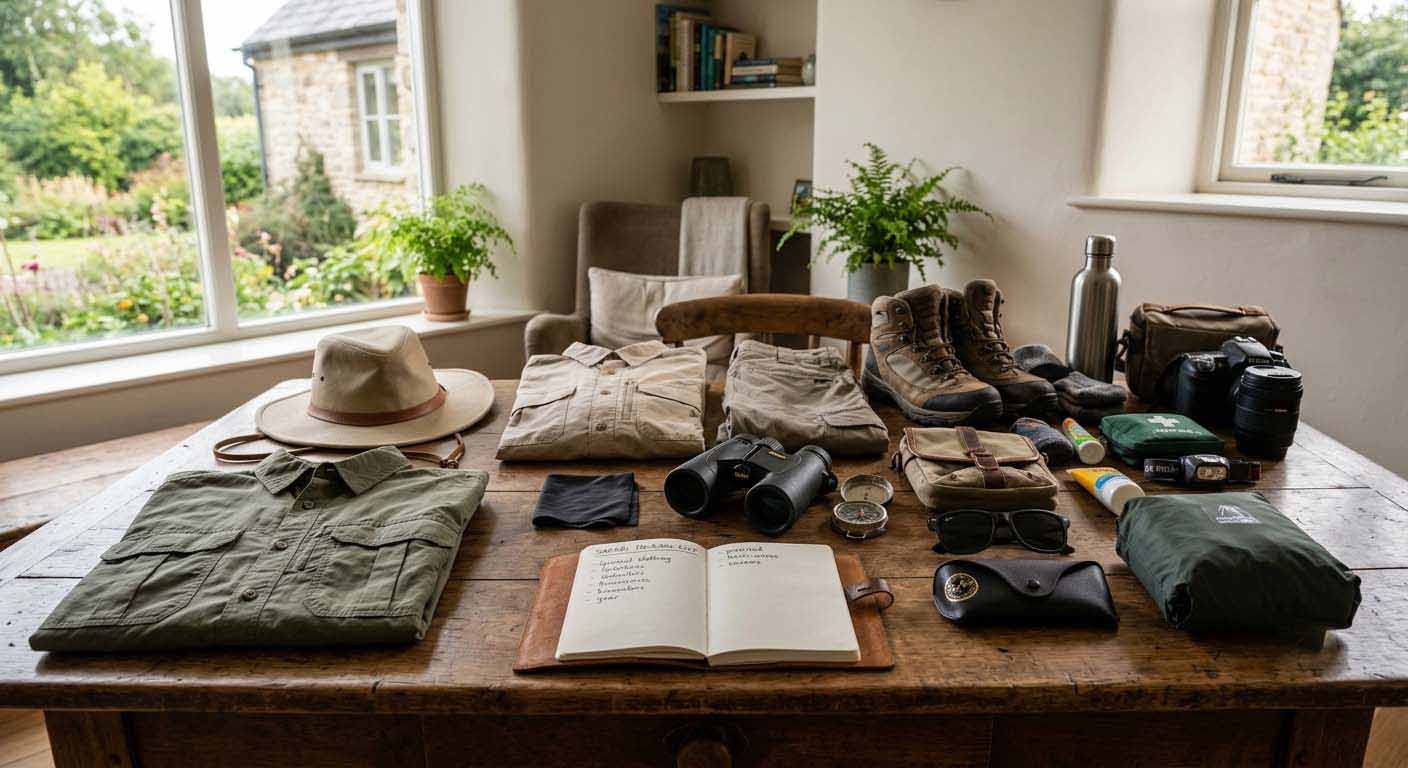
Complete African Safari Packing List By Activity And Travel Style
The Complete African Safari Packing List by Activity snd Travel Style: What you pack for an African safari should match the experience you are actually planning. A vehicle-based game drive has different requirements from gorilla trekking, mountain climbing, a self-drive expedition, white-water rafting, bird watching or a beach extension. Your accommodation style also matters: a luxury lodge, budget safari, overland truck, rooftop-tent self-drive and multi-country trip all create different packing needs.
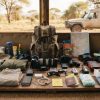
This expanded African safari packing guide builds on an activity-based approach and adds the practical essentials that travelers frequently overlook. Use it as a master checklist, then remove items that do not apply to your route. The goal is not to pack everything—it is to pack the right things for your safari.
Quick African Safari Packing Checklist
- Passport and required travel documents, plus secure digital backups.
- Travel insurance details and emergency contacts.
- Prescription medicines and a small personal first-aid kit.
- Lightweight, breathable, neutral-colored clothing.
- Warm layer for cool mornings, evenings and highland destinations.
- Waterproof rain jacket or poncho, especially during rainy seasons.
- Comfortable closed shoes or hiking boots appropriate to the activity.
- Wide-brimmed hat or cap, sunglasses and high-SPF sunscreen.
- Insect repellent and personal toiletries.
- Refillable water bottle or hydration bladder.
- Daypack for daily excursions.
- Phone, camera, chargers, spare batteries and memory cards.
- Power bank and appropriate charging adapters.
- Binoculars for wildlife and bird watching.
- Small torch or headlamp for camping and lodge walking.
- Dry bags or waterproof pouches for electronics and documents.
- Reusable laundry bag and a few sealable bags for wet or dirty clothing.
- Small amount of local cash plus a secure way to carry cards and money.
- Any permits, booking confirmations or activity-specific documents required for your itinerary.
1. Savanna Game Drives & Wildlife Viewing
Game drives in destinations such as Uganda, Kenya and Tanzania often involve early starts, dusty roads, strong sunshine and cool mornings. The best African safari packing list for game drives balances comfort, sun protection, dust protection and photography.
- Neutral-colored, breathable clothing such as khaki, beige, olive and brown.
- Light fleece, sweater or windbreaker for chilly early-morning and evening drives.
- Wide-brimmed safari hat or cap with a secure chin strap.
- Polarized sunglasses and high-SPF sunscreen.
- 8×42 or 10×42 binoculars.
- Camera with a telephoto zoom lens, spare batteries and extra memory cards.
- Small daypack for water, snacks and personal items.
- DEET-based insect repellent where appropriate for the destination.
- Lightweight scarf or buff for dust and sun protection.
- Reusable water bottle or hydration flask.
- Hand sanitizer, wet wipes and tissues.
- Small dust-proof pouch or cover for phones and cameras.
- Lightweight rain shell during wet-season travel.
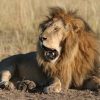
2. Lion & Predator Tracking
- Rugged canvas trousers or durable cargo pants.
- Sturdy ankle-high walking shoes or light hiking boots.
- Neutral-colored long-sleeved shirts.
- Hat, sunglasses and sunscreen.
- Binoculars for observing predators from a safe distance.
- Camera, spare batteries and memory cards.
- Compact wildlife field guide or offline tracking/reference app.
- Small daypack with water and snacks.
- Hand sanitizer and insect repellent.
- Whistle and basic first-aid supplies for walking-based tracking where appropriate.
3. Elephant & Big Mammal Safaris
- Dust mask, buff or lightweight bandana for dry safari roads.
- Neutral earth-toned clothing.
- Telephoto lens for photographing wildlife without approaching animals.
- Sturdy daypack with a dust-resistant or water-resistant cover.
- Wide-brimmed hat and sunglasses.
- Water bottle and electrolyte sachets for hot conditions.
- Light long-sleeved shirt for sun and insect protection.
- Cleaning cloth or lens blower for dusty photography equipment.
4. Bird Watching & Birding Safaris
- Quality bird-watching binoculars with good close-focus capability.
- Regional bird field guide or offline birding app.
- Notebook and pen or digital species checklist.
- Subtle, non-reflective dark green, brown or khaki clothing.
- Audio recorder or smartphone bird-call application.
- Camera with a suitable telephoto lens if photography is important.
- Light rain protection for notebook, phone and camera.
- Small daypack and refillable water bottle.
- Comfortable walking shoes for forest trails and wetland edges.
- Spare batteries or power bank for long birding days.
5. Rhino Tracking & Walking Safaris
- Durable thorn-resistant trousers and long-sleeved utility shirts.
- High-traction hiking boots suitable for uneven terrain.
- Muted earthy clothing colors.
- Daypack with at least 2 liters of drinking water where the operator recommends it.
- Energy snacks.
- Emergency whistle and compact first-aid kit.
- Hat, sunglasses and sunscreen.
- Insect repellent and lightweight rain protection.
- Walking poles if useful for your terrain or personal comfort.
- Binoculars and camera with secure straps.
6. Gorilla & Chimpanzee Tracking
- Waterproof, broken-in hiking boots with deep tread and ankle support.
- Heavy-duty gardening or leather work gloves for vegetation, vines and branches.
- Long merino-wool or cotton socks worn high over trousers where helpful for insect protection.
- Long-sleeved shirts and trousers that can be tucked in.
- Waterproof rain jacket or heavy-duty poncho.
- Waterproof backpack cover or dry sack for electronics.
- Light daypack with water and snacks.
- Walking trousers that allow comfortable movement on steep trails.
- Spare socks and a spare lightweight shirt for wet conditions.
- Hat or cap and sunscreen for exposed sections of trail.
- Insect repellent and personal medication.
- Camera with secure strap, spare batteries and extra memory cards.
- Plastic or reusable bags for separating wet clothing from dry gear.
7. Gorilla Habituation Safaris
- Extra sets of moisture-wicking long-sleeved shirts and trousers for longer forest exposure.
- Sturdy waterproof gaiters to help keep mud and insects away from legs and boots.
- Extra camera batteries and high-capacity memory cards.
- High-energy snacks and a hydration bladder or adequate water supply.
- Waterproof dry bags for cameras, phones and other electronics.
- Gloves, long socks and protective clothing for dense vegetation.
- Compact sitting or kneeling protection if your operator recommends it.
- Extra rain protection because extended forest time increases exposure to wet conditions.
8. Walking Safaris
- Durable thorn-resistant trousers.
- Long-sleeved utility shirt.
- High-traction hiking boots.
- Muted earth-tone clothing.
- Daypack with sufficient water.
- Emergency whistle and compact first-aid kit.
- Hat, sunglasses and sunscreen.
- Insect repellent.
- Light rain shell.
- Walking poles if appropriate for the terrain.
9. Boat Cruise Safaris
- Quick-drying shorts or trousers and moisture-wicking shirts.
- Secure sports sandals, aqua shoes or non-slip deck shoes.
- Waterproof dry bag or heavy-duty waterproof pouches for phones and cameras.
- Motion-sickness medication if you are prone to travel sickness.
- Microfiber towel.
- Wide-brimmed sun hat.
- Polarized sunglasses with a retaining strap.
- Sunscreen and lip balm with SPF.
- Light rain jacket or poncho.
- Binoculars for birds and wildlife along the shoreline.
10. Canoeing & Kayaking Safaris
- Quick-drying rash guard or lightweight neoprene top.
- Water shoes with secure heel straps.
- Heavy-duty dry bags for personal gear.
- Waterproof action camera with floating handle or secure tether.
- Retaining strap for glasses or sunglasses.
- Quick-drying shorts or trousers.
- Waterproof sunscreen.
- Change of dry clothes stored in a separate dry bag.
- Reusable water bottle.
- Small towel.
11. White-Water Rafting
- Quick-dry thermal rash guard or river shirt.
- Secure water shoes or strap-on sports sandals.
- Life jacket and safety helmet supplied by the licensed rafting operator where included.
- Secure swimwear or quick-dry shorts.
- Dry clothes and clean shoes for after the activity.
- Waterproof pouch for essential small items where permitted.
- High-SPF sunscreen.
- Secure eyewear strap if you need prescription glasses or sunglasses.
12. Zip-Lining & Canopy Tours
- Fitted athletic trousers or reinforced jeans.
- Close-toed trainers or sturdy walking shoes.
- Grip gloves if not supplied by the operator.
- Secure hair ties for long hair.
- Securely fitted eyewear or retaining straps.
- Light rain jacket for forest canopy conditions.
- Small daypack that does not interfere with harness equipment.
- Water and insect repellent.
13. Mountain Climbing & High-Altitude Trekking
- Moisture-wicking base layers.
- Warm fleece mid-layer.
- Insulated jacket suitable for the expected altitude and temperatures.
- Waterproof breathable outer shell jacket.
- Waterproof rain trousers.
- Broken-in waterproof mountaineering or trekking boots appropriate to the climb.
- Thermal beanie.
- UV-protective sunglasses suitable for high-altitude exposure.
- Windproof insulated gloves.
- Warm socks and spare pairs.
- Hydration bladder or bottles with suitable insulation.
- Headlamp with spare batteries.
- Blister treatment and personal first-aid supplies.
- Personal prescribed medication and any altitude medication only as advised by a qualified clinician.
- High-energy snacks.
- Walking poles where useful.
- Waterproof protection for documents and electronics.
14. Fishing Safaris
- UV-protective long-sleeved fishing shirt.
- Quick-dry cargo shorts or trousers.
- Polarized sunglasses.
- Fingerless sun gloves if preferred.
- Wide-brimmed hat with neck protection.
- Insect repellent for mosquitoes and other biting insects.
- High-SPF lip balm.
- Comfortable non-slip footwear.
- Personal fishing equipment only if not supplied by the operator.
- Waterproof phone pouch and small dry bag.
15. Photography Safaris
- Camera body with weather and dust protection appropriate to the environment.
- Telephoto zoom lens for wildlife.
- Wide-angle lens for landscapes and lodge/camping scenes.
- Fast, high-capacity memory cards.
- Multiple spare batteries.
- Portable charger, solar charger or vehicle inverter where suitable.
- Bean bag support for stable photography from safari vehicle window positions.
- Microfiber cloth and lens-cleaning kit.
- Sensor-cleaning blower.
- Rain cover and dust protection for camera equipment.
- Secure camera strap and small equipment pouch.
- Backup storage solution if traveling for many days without reliable internet.
16. Hot Air Balloon Safaris
- Sturdy enclosed walking shoes for uneven bush landing areas.
- Layered windproof clothing for pre-dawn launches.
- Fleece or light jacket.
- Fitted clothing without loose straps or accessories.
- Secure camera or smartphone wrist strap.
- Sunglasses and hat for after sunrise.
- Water and a small snack if not supplied.
- Lightweight daypack.
17. Golf Safaris
- Moisture-wicking polo shirts.
- Golf trousers or shorts appropriate to the course dress code.
- Comfortable golf shoes.
- Golf cap or visor.
- UV-protective sleeves if desired.
- Golf glove.
- Golf balls suitable for your game.
- Compact travel umbrella or windproof rain shell.
- Golf clubs only if not renting locally.
- Small towel and water bottle.
18. Beach Safaris & Coastal Extensions
- Light tropical resort clothing.
- Cotton sundresses, linen shirts and lightweight trousers.
- UV-protective rash guard.
- Walking sandals, flip-flops or canvas slip-ons.
- Reef-conscious sunscreen where appropriate.
- After-sun aloe vera gel.
- High-SPF lip balm.
- Snorkeling mask and snorkel if you prefer to use your own.
- Dry bag for beach and boat excursions.
- Lightweight beach towel if accommodation does not provide one.
- Waterproof phone pouch.
- Reusable water bottle.
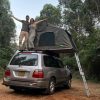
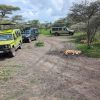
19. Self-Drive African Safari Packing List
A self-drive safari needs more preparation than a guided game drive because the traveler has to think about navigation, vehicle recovery, communications, food, water and basic roadside contingencies.
- Physical road maps as a backup to digital navigation.
- Downloaded offline maps and navigation applications.
- Valid driving licence and any required international driving documentation.
- Vehicle rental documents and emergency contact information.
- 12V phone charger and multi-port USB adapter.
- High-capacity power bank.
- Vehicle tool kit appropriate to the rental vehicle.
- Hydraulic or high-lift jack as supplied/recommended for the vehicle.
- Tire-pressure gauge.
- Puncture-repair kit where appropriate.
- Full-size spare tire(s) as supplied by the rental company.
- Tow rope or recovery strap where permitted and appropriate.
- Jumper cables.
- Folding shovel for vehicle recovery where appropriate.
- Heavy-duty rubbish bags and luggage dust covers.
- Plenty of drinking water.
- Non-perishable snacks.
- Wet wipes and hand sanitizer.
- Headlamp or torch.
- Basic first-aid kit.
- Emergency contact list and roadside assistance details.
- Offline copies of accommodation bookings and permits.
- Secure luggage or soft bags that fit the vehicle’s storage system.
- Vehicle inspection checklist: tires, spare tire, jack, tools, lights, fluids and recovery equipment before departure.
20. Overland Truck & Camping Safaris
- Soft-sided duffel bags or expedition backpacks instead of bulky hard-shell suitcases.
- Small combination padlocks or luggage locks.
- Durable LED headlamp.
- Red-light headlamp mode where useful around camp.
- Portable solar charger or high-capacity power bank.
- Quick-drying camp towel.
- Biodegradable camp soap.
- Antibacterial hand sanitizer.
- Sleeping bag liner.
- Compact travel pillow.
- Reusable water bottle.
- Warm layer for cold nights.
- Lightweight rain jacket.
- Personal toiletries in travel-sized containers.
- Laundry bag and quick-dry clothing.
- Eye mask and earplugs for shared camping environments.
21. Cultural Village & Community Tourism Walks
- Respectful, modest clothing covering shoulders and knees where culturally appropriate.
- Comfortable walking shoes.
- Slip-on shoes where footwear may need to be removed.
- Small local-currency notes for crafts and community purchases.
- Camera or phone, but always ask permission before photographing people.
- Small daypack.
- Reusable water bottle.
- Hand sanitizer.
- Light rain protection.
- Notebook for cultural observations and travel notes.
22. Luxury African Safari Packing List
- Smart-casual evening clothing for lodge dinners.
- Lightweight linen shirts and trousers.
- Comfortable walking shoes.
- Optional stylish evening footwear.
- Premium personal toiletries.
- Moisturizer and lip balm.
- Light fleece or shawl for cool evenings.
- Compact daypack for excursions.
- Camera and binoculars.
- Small laundry bag.
- Packable rain jacket.
- One versatile outfit suitable for unexpected dressier occasions.
23. Budget African Safari Packing List
- Multipurpose quick-drying clothing that can be hand-washed.
- Travel-size toiletries.
- Biodegradable or travel laundry detergent sheets.
- Reusable water bottle with filtration capability if appropriate for your destination and water source.
- Travel money belt or secure pouch.
- Soft-sided luggage or duffel bag.
- Universal travel adapter.
- Power bank.
- Simple first-aid kit.
- Reusable shopping/laundry bags.
- Versatile shoes that work for several activities.
- Lightweight towel if accommodation or camping arrangements require one.
24. Family African Safari Packing List
- Child-appropriate insect repellent and sunscreen.
- Comfortable clothing with spare changes for children.
- Entertainment such as coloring books, travel games or downloaded offline content.
- Wet wipes and tissues.
- Sealable bags for snacks, rubbish or wet clothing.
- Familiar snacks and individual water bottles.
- Child-friendly headphones for long drives.
- Any prescribed medicines and a copy of important medication instructions.
- Comfortable walking shoes.
- Lightweight fleece for cool mornings.
- Small binoculars for children if they enjoy wildlife spotting.
- Travel-friendly comfort item for younger children.
25. Honeymoon Safari Packing List
- Lightweight evening outfits for lodge dinners.
- Linen garments and stylish sun hats.
- Comfortable walking shoes.
- Swimwear for beach or lodge pools.
- Compact Bluetooth speaker only where accommodation rules permit.
- Travel journal and pen.
- Camera or phone with spare charging capacity.
- Lightweight daypack.
- Personal toiletries and preferred skincare products.
- Small waterproof pouch for romantic beach or boat excursions.
- One versatile smart-casual outfit for special dinners.
26. Cross-Border East African Safari Packing List
- Valid passport with sufficient validity and blank pages for your route.
- Required visas or regional tourist visa documentation.
- Yellow Fever vaccination certificate where required.
- Comprehensive travel insurance documentation.
- Digital and printed copies of permits, vehicle documents and accommodation bookings.
- Multi-currency payment strategy for the countries on your route.
- Emergency USD cash in good condition where useful and accepted.
- Phone with roaming/eSIM capability appropriate to your route.
- Offline maps for each country.
- Power bank and travel adapter.
- Copies of emergency contacts.
- Secure document pouch.
- Spare passport photos only if relevant to your travel arrangements.
27. Conservation Safaris
- Notebook and pen for conservation briefings and field notes.
- Durable field clothing.
- Closed walking shoes or boots appropriate to field conditions.
- Reusable water bottle.
- Reusable bags and low-waste personal items.
- Field guide covering regional wildlife, ecology or flora.
- Sun protection and insect repellent.
- Gloves if the activity involves supervised habitat restoration or field work.
- Small first-aid kit.
- Camera or phone for permitted documentation.
28. Accessible African Safaris
- Soft, easy-to-handle luggage suitable for the traveler’s mobility needs.
- Detailed medical summary and prescription information where appropriate.
- Portable cushion, ergonomic support pillow or seating aid for long transfers.
- Mobility equipment and spare parts appropriate to the traveler.
- Direct confirmation of lodge ramp access, room accessibility and bathroom setup.
- Confirmation of vehicle accessibility, lift or transfer capabilities where required.
- Confirmation that boardwalks, viewpoints and activity routes are accessible.
- Extra medication and essential supplies for the duration of the trip plus a reasonable contingency.
- Comfortable adaptive clothing and easy-access footwear.
- Personal communication card or notes describing important assistance requirements.
- Emergency contact information and travel insurance documentation.
Common African Safari Essentials That Belong on Almost Every Trip
The original activity lists are strong, but several universal items deserve their own checklist because they apply across multiple safari types.
- Passport, visas and other required travel documents.
- Travel insurance policy information.
- Copies of important documents stored securely offline.
- Prescription medicines and essential personal health supplies.
- Basic first-aid kit.
- Refillable water bottle.
- Sunscreen and SPF lip balm.
- Insect repellent.
- Hat and sunglasses.
- Headlamp or compact torch.
- Power bank and charging cables.
- Travel adapter suitable for the countries visited.
- Phone with offline maps.
- Camera and binoculars.
- Rain jacket or poncho.
- Light fleece or warm layer.
- Comfortable closed shoes.
- Quick-drying underwear and socks.
- Lightweight laundry bag.
- Small waterproof pouch for valuables.
- Reusable bags for dirty, wet or dusty clothing.
- Pen for forms and travel notes.
What to Pack for Different African Safari Weather Conditions
Hot and Dry Safari Conditions
- Breathable long-sleeved shirts.
- Lightweight trousers or shorts where appropriate.
- Wide-brimmed hat.
- Sunglasses and sunscreen.
- Water bottle and electrolytes.
- Buff or scarf for dust.
- Lightweight shoes.
Rainy Season Safaris
- Waterproof rain jacket or poncho.
- Quick-drying clothing.
- Waterproof backpack cover.
- Dry bags for electronics.
- Extra socks.
- Water-resistant shoes or boots suitable for the activity.
- Packable towel.
Cool Highland or Mountain Conditions
- Thermal or moisture-wicking base layer.
- Fleece mid-layer.
- Insulated outer layer.
- Waterproof shell.
- Warm hat and gloves.
- Warm socks.
- Proper trekking boots.
African Safari Luggage: What Type of Bag Should You Use?
Soft-sided luggage and duffel bags are often easier to store in safari vehicles, overland trucks and small aircraft than large rigid suitcases. For self-drive travel, choose luggage that fits securely into the vehicle without obstructing visibility or access to safety equipment. For trekking, use a comfortable daypack and protect sensitive electronics with dry bags.
- Soft duffel: useful for many safari vehicles and overland trips.
- Daypack: ideal for daily game drives, walking and forest tracking.
- Dry bag: useful for boat, canoe and wet-weather activities.
- Small packing cubes: help separate clothing by activity.
- Luggage tags: make bags easier to identify.
- Water-resistant laundry bag: keeps dirty clothing separate.
What NOT to Overpack for an African Safari
- Too many pairs of shoes—choose versatile footwear for your activities.
- Excessive formal clothing unless your itinerary includes dressier settings.
- Large hard-shell suitcases when your vehicle, lodge transfer or overland truck has limited storage.
- Duplicate toiletries that can easily be shared or purchased locally.
- Heavy clothing for hot lowland destinations unless your route includes cold highlands.
- Large quantities of snacks when meals and supplies are already included.
- Specialized equipment that your safari operator provides.
- Unnecessary electronics that add weight and require charging.
Activity-by-Activity Packing Strategy
The most effective way to build an African safari packing list is to start with your itinerary rather than with a generic shopping list. Identify every major activity, then mark equipment as Essential, Useful or Operator-Provided. This prevents overpacking and ensures that specialist equipment is not forgotten.
- Step 1: List every activity—game drives, trekking, birding, boating, hiking, rafting, camping and beach extensions.
- Step 2: Check the weather and altitude for each destination.
- Step 3: Check luggage restrictions for domestic or charter flights.
- Step 4: Ask the operator what safety equipment is provided.
- Step 5: Pack versatile clothing that works across several activities.
- Step 6: Keep documents, medicines, electronics and valuables in your hand luggage.
- Step 7: Put activity-specific gear in accessible packing cubes or dry bags.
- Step 8: Leave room for souvenirs and keep your total luggage manageable.
African Safari Packing FAQ
What clothes should I pack for an African safari?
Pack lightweight, breathable and comfortable clothing. Neutral colors such as khaki, beige, olive and brown are practical for wildlife viewing. Add a warm layer for cool mornings and evenings and rain protection for wet conditions.
What shoes are best for an African safari?
For game drives, comfortable closed shoes are usually enough. Gorilla trekking, chimpanzee tracking, mountain climbing and walking safaris require activity-appropriate hiking boots or shoes with good traction.
Do I need binoculars for an African safari?
Binoculars are highly useful for wildlife and bird watching. A quality 8×42 or 10×42 pair is a practical choice for many safari activities.
What should I pack for gorilla trekking?
Prioritize broken-in waterproof hiking boots, long trousers, long sleeves, gloves, socks, rain protection, water, snacks and a waterproof daypack or pack cover.
What should I pack for a self-drive safari?
In addition to normal safari essentials, carry or confirm access to offline maps, driving documents, charging equipment, drinking water, vehicle recovery equipment, a spare tire, a tire-pressure gauge and roadside assistance contacts.
Should I take a hard-shell suitcase on safari?
A soft-sided duffel is often more practical, especially on overland trips and in safari vehicles with limited storage. Check your operator’s luggage requirements before departure.
How can I avoid overpacking for an African safari?
Build your luggage around activities and weather. Choose versatile clothing, limit shoes, use packing cubes and remove items that are supplied by your operator.
What should I pack for a rainy African safari?
Bring a waterproof jacket or poncho, quick-drying clothes, spare socks, dry bags or a waterproof pack cover and protection for cameras and phones.
What should families pack for an African safari?
Families should add child-friendly sunscreen and insect repellent, snacks, entertainment for long drives, spare clothing, water bottles and any essential medicines.
What should I pack for a luxury safari?
Combine practical safari clothing with a few smart-casual evening outfits. Lightweight linen, comfortable walking shoes and a warm evening layer are useful without creating excessive luggage.
What should I pack for an African safari honeymoon?
Pack versatile safari clothing plus a few comfortable evening outfits, swimwear for beach or lodge extensions, a camera, personal toiletries and a small daypack.
What documents should I carry for a cross-border African safari?
Carry your passport, applicable visas or regional travel documentation, vaccination certificates where required, travel insurance information, booking confirmations and relevant vehicle or activity documents.
Final African Safari Packing Checklist
- ☐ Passport and travel documents
- ☐ Visa/entry documentation where required
- ☐ Travel insurance information
- ☐ Activity permits and booking confirmations
- ☐ Prescription medicines
- ☐ First-aid kit
- ☐ Neutral safari clothing
- ☐ Warm layer
- ☐ Rain jacket/poncho
- ☐ Hiking shoes/boots as required
- ☐ Hat and sunglasses
- ☐ Sunscreen and insect repellent
- ☐ Binoculars
- ☐ Camera, batteries and memory cards
- ☐ Phone and charging cables
- ☐ Power bank
- ☐ Travel adapter
- ☐ Refillable water bottle
- ☐ Daypack
- ☐ Dry bags/waterproof pouches
- ☐ Headlamp/torch
- ☐ Toiletries
- ☐ Laundry bag
- ☐ Local currency/payment cards
- ☐ Offline maps
- ☐ Self-drive vehicle documents and emergency contacts, if applicable
Conclusion: Pack for the Safari You Are Actually Taking
There is no single African safari packing list that fits every traveler. The right gear depends on whether you are spending your days on game drives, walking through rainforest, tracking gorillas and chimpanzees, climbing mountains, photographing wildlife, bird watching, paddling, rafting, camping, driving yourself or extending your safari to the coast.
Use this complete African safari packing list by activity and travel style as your master checklist, then customize it to your destination, season, accommodation, transport and planned excursions. Packing intelligently gives you the freedom to focus on the wildlife, landscapes, people and experiences that make an African safari memorable.
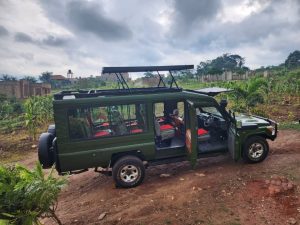
Experience the ultimate freedom of the open road across East Africa. Whether you want to conquer the trails behind the wheel yourself or relax and let an expert local navigate, we have the ideal 4x4 vehicle ready for your journey.

No responses yet