
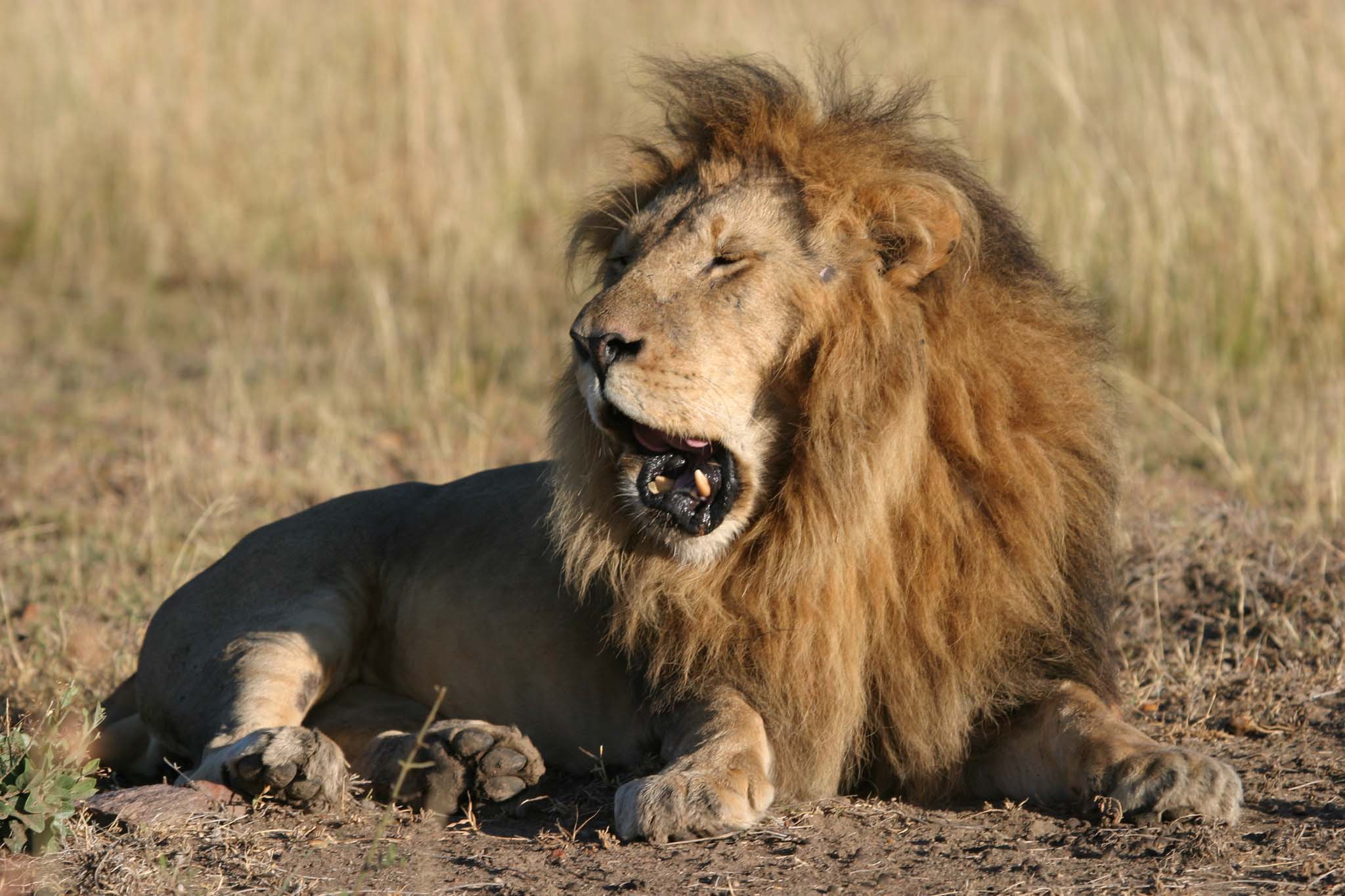
Do Male Lions Hunt, or Only Female Lions? Myth vs. Reality & A Masai Mara + Serengeti Self-Drive Hunting Safari
For decades, popular wildlife documentaries, textbooks, and nature films have perpetuated a single, simplified narrative: lionesses do all the hard work in the pride, coordinating complex tactical ambushes to bring down prey, while huge, mane-adorned male lions sit lazily under acacia trees waiting to claim the lion’s share of the kill.
This widespread belief has led millions of travelers on safari to assume that if they spot a male lion in the wild, they are looking at a lazy consumer rather than an active predator. But is it true? Do male lions hunt, or is hunting exclusively the domain of females?
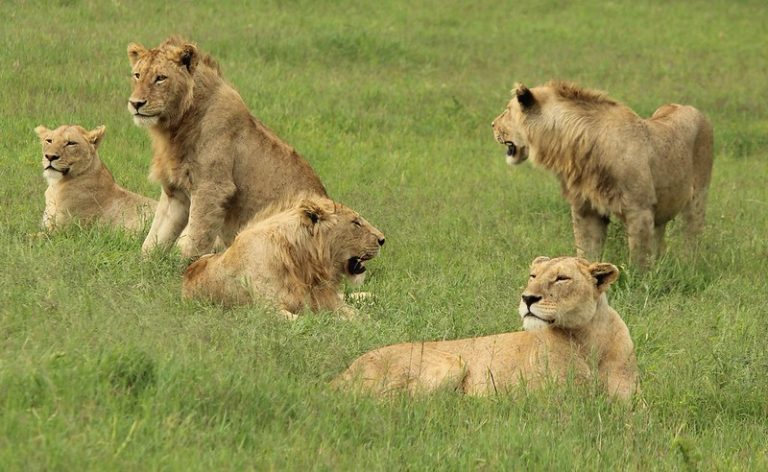
The short answer is: Yes, male lions absolutely hunt. In fact, recent ecological studies, satellite tracking data, and night-vision behavioral analysis have proven that male lions are formidable, highly efficient apex predators. Their hunting style, however, is radically different from that of females due to their physical build, social responsibilities, and habitat preferences.
If you are planning an African safari to witness raw predator-prey dynamics, understanding how and when male and female lions hunt will completely transform your game-viewing strategy. By taking control of your journey with a rugged 4×4 self-drive vehicle from 4x4Kenya.com, you gain the freedom to navigate off-the-beaten-path tracks, track prides at dawn and dusk, and position yourself at the heart of the action in the legendary Masai Mara National Reserve and Serengeti National Park.
, pulvinar dapibus leo.
1. The Popular Myth: Why People Believe Only Female Lions Hunt
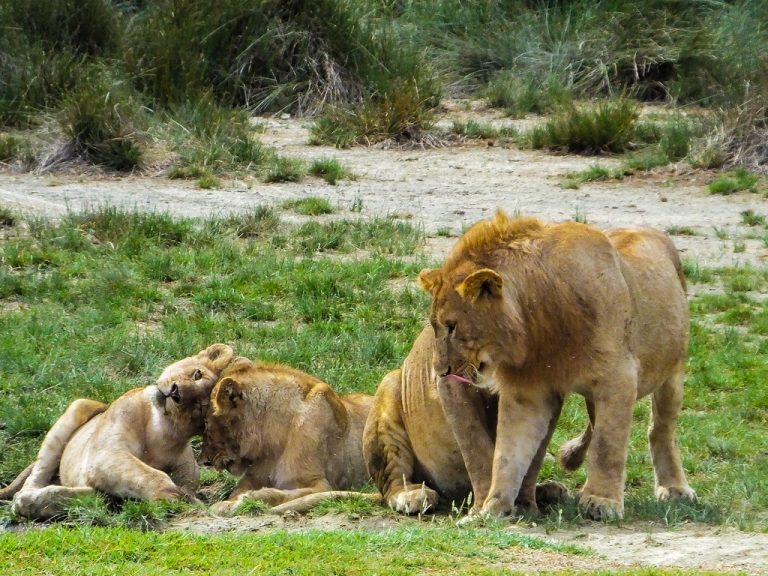
The belief that male lions do not hunt stems primarily from daytime human observation. Lions are nocturnal and crepuscular, spending up to 18 to 20 hours a day sleeping or resting to conserve energy. Because traditional guided safari game drives take place during broad daylight when male lions are least active, tourists almost always observe males sleeping while females occasionally keep an eye on nearby herbivores.
Furthermore, female lions live in cooperative social groups (prides) in open savannas where visibility is high. Their coordinated group hunts are dynamic, highly visual, and easily filmed by wildlife documentary crews during twilight hours.
Male lions, on the other hand, often hunt under the pitch-black cover of night, in dense thickets, riverine woodlands, or scrub bush where human observers and camera crews rarely venture. This observational bias created a long-standing misconception that males rely entirely on females for food.
2. The Scientific Truth: How Male Lions Actually Hunt
When researchers from the Carnegie Institution for Science and wildland biologists utilized Airborne Laser Guided Scanning (LiDAR) and GPS collars to track lion movements in nocturnal environments, the findings shattered traditional wildlife tropes:
A. The Solo Bush-Ambusher
Unlike females who utilize coordinated team tactics on open grassy plains, male lions are predominantly solitary, thicket-bound ambush hunters. A mature male lion weighs between 190 kg to 260 kg (420–570 lbs)—nearly 50% heavier than a female. Their massive muscle mass makes them less agile over long distances in open terrain, but exceptionally powerful in short, explosive bursts.
Male lions leverage dense vegetation, dry riverbeds (luggas), and thick brush to stalk within striking distance of heavy prey before delivering a devastating sudden strike.
B. The Big Game Specialists
While lionesses focus on medium-sized, fast-moving ungulates such as zebras, wildebeests, and impalas, adult male lions specialize in mega-fauna. Because of their sheer size, bone density, and immense upper-body power, male lions are uniquely equipped to tackle dangerous, thick-skinned prey that female lions often avoid unless forced by starvation:
- Cape Buffalo: A single adult buffalo bull weighs up to 900 kg (2,000 lbs) and possesses lethal horns. While a pride of females may hesitate to attack an adult bull, two or three coalition males can routinely overpower one.
- Giraffes: Requiring massive force to bring down without sustaining fatal kicks, adult giraffes are frequently targeted by male lions operating in dense woodland edges.
- Young Hippos and Elephants: In drought conditions, male lion coalitions are known to pull down juvenile hippos or sub-adult elephants trapped away from water sources.
| Feature | Female Lion (Lioness) | Male Lion |
|---|---|---|
| Primary Hunting Terrain | Open Savanna / Grassland | Dense Bush / Woodlands |
| Hunting Strategy | Coordinated Group Tactics | Solitary Ambush |
| Primary Target Prey | Wildebeest, Zebra, Gazelle | Buffalo, Giraffe, Hippo |
| Time of Peak Activity | Dawn, Dusk, Night | Pitch Dark / Late Night |
| Physical Advantage | Speed, Agility, Stealth | Raw Power, Mass, Force |
C. Nomadic Males vs. Pride Males
A male lion’s hunting frequency depends heavily on his life stage:
- Coalition Males (Pride Holders): Dominant males that control a territorial pride do eat from pride kills. However, they actively hunt when patrolling territorial boundaries far from the females, or when big-game targets present themselves.
- Nomadic Males: Young males that have been expelled from their birth pride and older males that have lost their territory live as nomads. These males receive zero assistance from females. They must hunt 100% of their own food to survive, proving beyond doubt that male lions possess lethal hunting skills.

3. Physical Differences: Why Males and Females Hunt Differently
To understand lion predation, one must examine evolutionary biology and biomechanics:
The Mane Dilemma
A male lion’s magnificent mane serves as protection for the neck during brutal territorial fights with rival males and signals testosterone levels to females. However, from a hunting perspective, a mane is a liability:
- Heat Retention: Running at high speeds causes male lions to overheat rapidly due to the insulating mane.
- Visibility: Dark, voluminous hair breaks camouflage in open yellow savanna grass, making stealthy daytime stalks nearly impossible.
- Snagging: Thick manes catch on thorny acacia bushes during high-speed chases.
Consequently, male lions adapted by hunting in pitch darkness where visual camouflage is less critical, or in extremely dense brush where short ambush distances negate the need for long chases.
4. Pride Dynamics & Food Hierarchy: Who Eats First?
Another reason male lions are perceived as dominant parasites is the pride eating hierarchy. When lionesses successfully make a kill, the resident male lion frequently swoops in, roars, and displaces the females and cubs to take the first meal.
While this appears selfish, it is a vital evolutionary strategy:
- Territorial Defense: The resident male’s primary job is not provisioning food, but protecting the pride’s territory and cubs against nomadic male coalitions, hyena clans, and rival prides.
- Combat Readiness: Maintaining a 220kg frame requires vast amounts of protein. If the male becomes malnourished, rival males will easily defeat him, take over the pride, and commit infanticide by killing all existing cubs.
- The Guard Duty: By maintaining supreme physical strength, the male lion secures the safety of the lionesses and their offspring. His right to eat first is the price the pride pays for absolute protection.
5. Why a 4×4 Self-Drive Vehicle is Essential to See Lions Hunt
If your goal is to witness the exhilarating spectacle of lions hunting in East Africa, standard package tours with rigid hotel schedules and fixed departure times often miss the mark. Lions hunt when human visibility is lowest and terrain is most challenging.
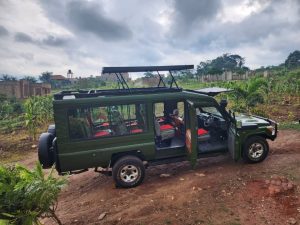
Here is why renting a customized 4×4 Safari Land Cruiser or Toyota Hilux Bushcamper from 4x4Kenya.com gives you the ultimate competitive edge:
- Unrestricted Timing (Dawn to Dusk Freedom): Lions hunt in the first light of dawn (05:30 AM – 07:00 AM) and during late evening dusk (06:00 PM – 07:30 PM). Standard tour drivers often adhere to strict breakfast/dinner schedules at lodges. With a self-drive 4×4, you can leave camp at 05:00 AM with a packed breakfast and stay out until gate closing time.
- Access to Off-Peak Trans-Boundary Corridors: Lions move where prey moves. Tracking prides through rough luggas, black-cotton mud, and rocky river crossings requires high ground clearance, heavy-duty suspension, snorkel intakes, and low-range 4WD capabilities—standard features on all 4x4Kenya.com rental fleets.
- Pop-Up Roof for Unobstructed Photography: When a pride begins fanning out into formation to ambush a herd of topis or zebras, rapid 360-degree visibility is vital. Customized safari 4×4 vehicles feature pop-up roofs that allow you to mount long lenses on beanbags for steady low-light photography.
- Cross-Border Flexibility (Kenya to Tanzania): Lions do not recognize political borders. The Great Migration moves fluidly between Kenya’s Masai Mara and Tanzania’s Serengeti. 4x4Kenya.com provides full cross-border documentation (COMESA insurance, temporary vehicle importation permits, and international cross-border clearance) allowing you to drive seamless loops across both countries.
6. The Ultimate 10-Day Self-Drive Itinerary: Masai Mara to Serengeti (Lion Hunting Focus)
This action-packed cross-border self-drive itinerary is specifically engineered to put you in prime lion territories during active hunting hours.
- Route: Nairobi → Masai Mara (Kenya) → Isebania Border → Northern Serengeti → Central Serengeti / Seronera → Ngorongoro Crater → Arusha / Return.
- Distance: Approx. 1,400 km
- Recommended Vehicle: Toyota Land Cruiser Hardtop 70 Series (Pop-Up Roof, Dual Fuel Tanks, Recovery Gear, Dual Spare Tires).
Day 1: Nairobi to Masai Mara National Reserve (Talek / Mara Triangle)
Distance: ~260 km | Drive Time: 5-6 hoursPick up your fully equipped 4x4 Land Cruiser from the 4x4Kenya.com team in Nairobi. Receive a comprehensive vehicle orientation, GPS navigation setup, and recovery gear check. Drive west through the Great Rift Valley via Narok to the Masai Mara.
Arrive at your camp near Talek Gate or Mara Triangle by early afternoon. Conduct an evening game drive along the Talek Riverbed—a primary ambush zone for resident male lions targeting bushbucks and waterbucks.
Days 2 & 3: Deep Masai Mara Exploration (Double-Cross & Paradise Plains)
Full Days Dedicated to Tracking Lion Ambushes- 05:30 AM: Depart camp before first light. Navigate toward Paradise Plains and the Rhino Ridge area, home to large pride territories (such as the famous Marsh Pride descendants). Look for lionesses fanning out in low grass while ungulates are still drowsy.
- Mid-Day: Rest near the Mara River. Scan dense riverine thickets where solitary or coalition male lions lie in wait for drinking buffaloes.
- 04:30 PM – 06:30 PM: Position your vehicle near key waterholes or crossing points. Watch for female lions adopting the low-slung, head-level stalking posture that signals an imminent hunt.
Day 4: Masai Mara to Northern Serengeti via Isebania Border
Distance: ~290 km | Drive Time: 7-8 hours (incl. border transit)Depart early and drive southwest toward the Isebania/Sirari border post. Complete Kenyan customs export and Tanzanian import procedures using your 4x4Kenya.com cross-border paperwork packet.
Cross into Tanzania and enter Serengeti National Park via Ndabaka Gate or Fort Ikoma Gate. Drive into the Kogatende / Northern Serengeti sector. Overnight at a lodge or wilderness campsite.
Days 5 & 6: Northern Serengeti & Mara River Predator Action
Targeting Lion-Crocodile Dynamics & River Crossing AmbushesFocus on the granite kopjes (rock outcrops) and riverine woodland of the Mara River sector.
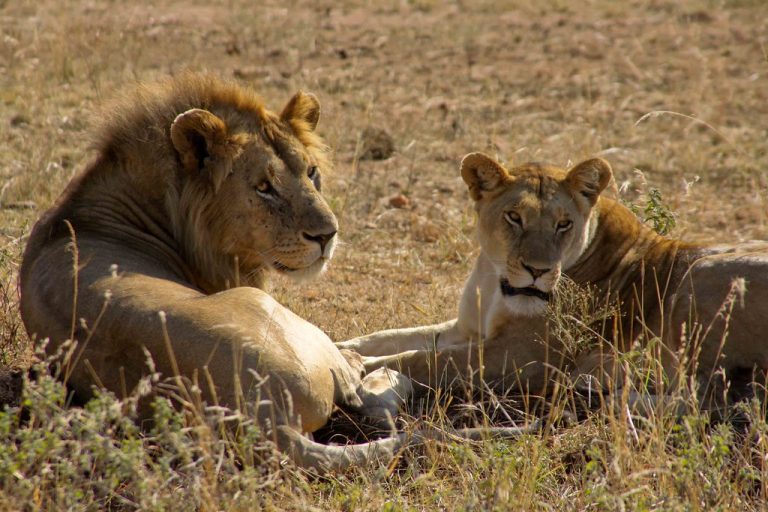
- Male Lion Focus: Kopjes are primary resting and marking sites for dominant male coalitions. Early mornings offer the best chances to see males patrolling boundaries, roaring, and intercepting wildebeest herds squeezing through thick vegetation.
- Hunting Focus: Watch how female lions utilize drainage lines and dry gully depressions to surround grazing herds near riverbanks.
Days 7 & 8: Central Serengeti (Seronera Valley - The Lion Capital)
Distance: ~120 km | Drive Time: 3-4 hours game drive en routeDrive south into the Seronera Valley, widely recognized as having one of the highest densities of big cats in Africa. The presence of year-round water rivers (Seronera and Retima) attracts huge concentrations of prey.
- Key Spots: Retima Hippo Pool area, Maasai Kopjes, and Makoma Hill.
- Strategy: Drive along the river circuits at dawn. Seronera male lions are famous for tackling huge Cape buffalo bulls right along the marsh edges.
Day 9: Seronera to Ngorongoro Conservation Area
Distance: ~140 km | Drive Time: 3-4 hoursConduct a final early morning game drive in Seronera before driving southeast toward the Ngorongoro Conservation Area. Descend into the Ngorongoro Crater floor (600m descent)—a closed ecosystem containing densely packed prides with massive, black-maned dominant males.
Observe how crater males hunt buffalo and zebra in the swampy reed beds of Lake Magadi and Lerai Forest.
Day 10: Ngorongoro to Arusha / Return to Nairobi
Distance: ~180 km to Arusha | Drive Time: 3-4 hoursEnjoy a leisurely breakfast on the crater rim before driving on smooth tarmac back to Arusha for your outbound flight, or elect to extend your 4x4Kenya.com self-drive rental to journey back to Nairobi via the Namanga border.
7. Expert Self-Drive Tips for Tracking & Spotting Lion Hunts
Tracking a live lion hunt requires patience, fieldcraft, and bush knowledge. Here are crucial tips for self-drivers:
1. Read Herbivore Alarm Calls
Lions excel at camouflage, but prey animals will announce their presence for you:
- Baboons & Vervet Monkeys: High-pitched barking from trees almost always indicates a moving leopard or lion in the undergrowth.
- Topi & Impala: Topis stand on termite mounds and issue a sharp, snorting blow while staring intently at one spot. If a herd of ungulates is staring in a single direction with ears pinned forward, freeze your vehicle and scan the grass in front of them with binoculars.
2. Spotting the Hunt Setup
When lions prepare to hunt, their body language changes dramatically:
- Fanning Out: Lionesses will split up, with 'wings' moving wide to surround a herd while 'catchers' stay low in the center grass.
- Tail Twitching: The black tip of a lion's tail will twitch rhythmically when tension builds right before a burst of speed.
- The Low Crawl: A lion dropping its ears back flat against its head and lowering its chest to touch the dirt is actively stalking.
3. Positioning Your Vehicle Safely
- Never Block the Escape Route: Always keep a wide berth (at least 30–50 meters) from stalking lions and their prey. If you park your 4x4 between a lion and an impala, or block the prey's escape path, the lion will abandon the hunt.
- Turn Off the Engine: Once positioned, turn off your ignition immediately. Engine vibration ruins telephoto video shots and alerts prey to unnatural noises.
- Stay Inside the Vehicle: Never step out of your 4x4 or sit on the vehicle doors during a predator encounter. Animals view the vehicle as a single, harmless non-threat; the moment a human silhouette breaks that shape, lions will retreat or become aggressive.
8. Why Rent Your Expedition Vehicle with 4x4Kenya.com?
Crossing rugged African wilderness in search of apex predators demands a vehicle you can trust completely. At 4x4Kenya.com, we specialize in providing heavy-duty, self-drive 4x4 vehicles built specifically for East Africa's toughest terrain.
- Safari-Prepared Fleet: Fully customized Toyota Land Cruiser 70 Series and Land Cruiser Prado equipped with pop-up roof hatches, dual fuel tanks, dual battery systems, high-lift jacks, tow ropes, and heavy-duty electric winches.
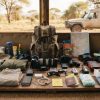
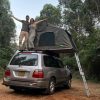
- Camping Options: Optional rooftop tents, refrigerators, gas stoves, and complete wilderness camping kits for total self-sufficiency in public and special campsites.
- Full Cross-Border Support: Instant issuance of COMESA insurance, Tanzanian vehicle permits, and step-by-step assistance for smooth border crossings at Isebania, Namanga, or Taveta.
- 24/7 Roadside Assistance: On-the-ground support team and network of mechanics across Kenya and Tanzania so you are never left stranded.
Conclusion: Male Lions Are Fearless Predators
The next time someone tells you that male lions are lazy opportunists who let the females do all the work, you'll know the real truth. Male lions are specialized, thicket-bound, mega-fauna hunters that routinely engage in high-risk battles with buffaloes, giraffes, and rival males under the cover of darkness.
Witnessing this raw power in the flesh is one of the most transformative experiences on Earth. By taking the wheel of a safari-ready Land Cruiser from 4x4Kenya.com, you put yourself in the driver's seat of your own wild African adventure.
Ready to Track Big Cats in the Wild?
Take full control of your East African expedition with a fully equipped, safari-ready 4x4 vehicle.




No responses yet