
Kenya Shillings And Currency Guide: The Ultimate Money Prep for Your 4x4 Kenya Safari Adventure
Planning a self-drive road trip or an overland expedition across East Africa is one of the most thrilling travel experiences you can undertake. Behind every epic journey across the Great Rift Valley, into the heart of the Maasai Mara, or along the shores of Lake Turkana lies a very practical question: How do you handle money on the road?
When booking your 4x4 vehicle with 4x4 Kenya, navigating national park entries, paying local guides, and stopping for snacks at roadside markets, understanding local financial norms is critical.
This comprehensive guide covers everything you need to know about the Kenyan Shilling (KES), whether US Dollars are accepted for daily transactions, and how to structure your wallet for a seamless 4x4 self-drive experience.
1. Understanding the Official Currency: The Kenyan Shilling (KES)
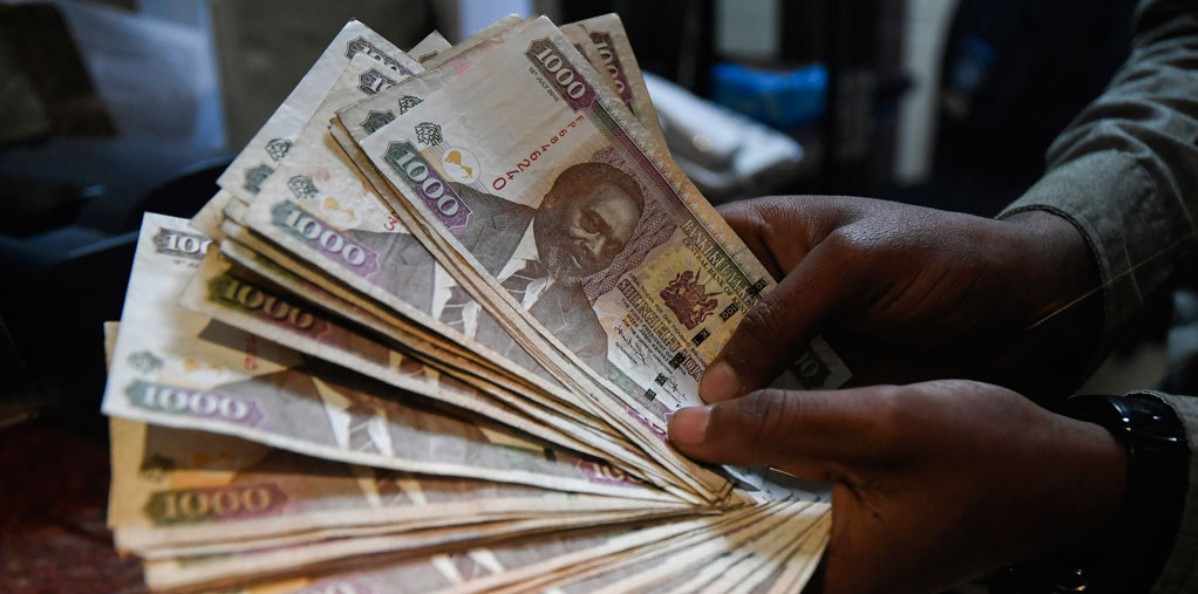
The official currency of Kenya is the Kenyan Shilling (KES), symbolised locally as KSh or KES.
Denominations Breakdown:
- Banknotes: KSh 50, KSh 100, KSh 200, KSh 500, and KSh 1,000.
- Coins: KSh 1, KSh 5, KSh 10, and KSh 20.
2. What is the Best Currency to Use in Kenya?
When traveling through major cities like Nairobi and Mombasa or taking off into remote wilderness areas in a 4x4 rental vehicle, the best overall currency to use is the Kenyan Shilling (KES).
While tourist hubs accept major foreign currencies for large bills, paying in Kenyan Shillings offers four main advantages:
- Fair Rates Without Inflation: When paying a local merchant, market vendor, or small roadside restaurant in foreign currency, they will set their own exchange rate to protect against fluctuations—costing you significantly more.
- Universal Acceptance: While a safari lodge might take US Dollars, a small mechanic shop in Samburu or a roadside fruits vendor near Narok will only accept local KES.
- Exact Change: If you pay for a small KSh 300 purchase using a $20 bill, you will likely receive change in mixed, low-value local bills converted at unfavorable rates.
- Smooth Drive-Through Expenses: Fuel stations, village grocery stores, and rural toll points process local currency much faster, getting you back on the road without unnecessary delay.
3. Can US Dollars Be Used for Daily Transactions in Kenya?
The short answer is: No, US Dollars cannot—and should not—be used for everyday transactions.
While US Dollars are widely recognized in Kenya’s travel and tourism sectors, using them for daily spending is impractical and frequently rejected. Here is a detailed look at how US Dollars fit into your travel budget:
Where USD IS Accepted:
- High-End Safari Lodges & Camps: Major accommodations, luxury resorts, and high-end safari camps routinely quote prices in USD and accept cash payments in foreign currency.
- Major Tour & Activity Operators: Specialty activities—such as hot-air balloon safaris over the Mara or custom tour bookings—are often billed in US Dollars.
- Guide & Ranger Tipping: It is widely accepted to tip professional safari drivers and private guides in USD cash at the end of a trip.
Where USD IS NOT Accepted (or Should Be Avoided):
- Fuel Stations: When refueling your 4x4 Land Cruiser or SUV in small towns, attendants expect KES or local mobile payments.
- Local Markets & Supermarkets: City supermarkets (like Naivas or Carrefour) and rural open-air markets operate strictly in Kenyan Shillings.
- Small Restaurants & Street Food: Coffee shops, roadside eateries, and local joints (nyama choma spots) will not accept foreign bills.
- Tolls & Entrance Gate Fees: Local municipal fees, community conservation entry points, and toll roads require Kenyan Shillings or card/mobile payment.
4. Strict USD Conditions: The "Series Year" & Note Quality Rules
If you decide to carry US Dollars as a backup or for tipping guides and paying lodge bills, you must be aware of strict African banking policies regarding foreign cash:
- Print Year Matters: Do not bring US Dollar notes printed before 2009–2010. Banks, FX bureaus, and hotels across Kenya routinely reject older bills due to historical counterfeit concerns. Always request fresh, modern bills from your bank at home.
- Physical Condition: Bills must be crisp, clean, and completely tear-free. Any note with visible ink stamps, heavy creasing, small tears, or excessive wear will be turned down by local merchants and banks.
- Large vs. Small Denominations: Forex bureaus offer significantly better exchange rates for $50 and $100 bills than they do for $1, $5, or $10 bills. Keep smaller bills ($1, $5, $10) strictly for tipping if needed.
5. ATMs, Credit Cards, and M-Pesa: Managing Money on a 4x4 Road Trip
When exploring Kenya behind the wheel of a rugged 4x4 vehicle, flexibility is key. Having a balanced combination of payment methods ensures you never get stuck.
Local Cash (40% KES)
Small purchases, rural stops & small markets.
Credit Card (40%)
Visa/MasterCard for major lodges, fuel, & city dining.
Emergency USD (20%)
High tips & backing up local cash reserves.
A. ATMs in Kenya
ATMs are widely available in major cities and transit hubs such as Nairobi, Mombasa, Nakuru, Eldoret, and Nanyuki.
- Supported Networks: Visa and MasterCard are standard across major banks (such as KCB, Stanbic, Absa, and Equity Bank).
- Road Trip Tip: Always stock up on cash before heading into remote destinations like Lake Turkana, the northern reserves (Samburu/Shaba), or deep inside the Maasai Mara. Rural ATM connectivity can be unreliable, and machines in small towns may run out of cash over weekends.
B. Credit and Debit Cards
Major hotels, top-tier lodges, city restaurants, and main supermarket chains accept Visa and MasterCard.
- Surcharges: Be aware that some remote lodges or merchants add a processing fee (typically 3% to 5%) for card payments.
- Card Lockouts: Notify your home bank that you are traveling to Kenya before departure to avoid fraudulent-activity locks while buying fuel or supplies along your route.
C. M-Pesa (Mobile Money)
Kenya is a global leader in mobile payments through M-Pesa (operated by Safaricom). From street vendors selling roasted maize to remote safari campsites, almost everyone accepts M-Pesa.
- How to Get It: You can register a local Safaricom SIM card at Jomo Kenyatta International Airport (JKIA) using your passport. Once set up, you can load cash onto your mobile wallet at any local agent or convert funds using apps like WorldRemit or Remitly.
- Why It’s Great for 4x4 Travelers: It eliminates the need to carry huge wads of cash while keeping exact change effortless.
6. Practical Tipping Rules on a Kenya Safari
Tipping is customary in Kenya’s tourism industry, but navigating currencies for tips can leave travelers confused. Use this quick reference guide:
| Recipient | Recommended Currency | Suggested Amount |
|---|---|---|
| Private Safari Driver/Guide | USD or KES | $15–$20 (or KES equivalent) per day per group |
| Lodge / Camp Staff | KES (preferred) or USD | $5–$10 per guest per day (communal tip box) |
| City Restaurant Staff | KES | 10% of total bill |
| Porters & Baggage Handlers | KES | KSh 100 – KSh 200 per bag |
| Trackers / Local Rangers | KES or USD | KSh 500 – KSh 1,000 per activity |
7. Essential Financial Tips for Your 4x4 Self-Drive Safari
To ensure your road trip with 4x4 Kenya runs smoothly without financial hiccups, follow these essential guidelines:
- Exchange Money in Towns, Not Airports: Airport exchange counters offer lower rates than independent forex bureaus in Nairobi’s Central Business District (CBD) or major shopping malls (like Westgate or Two Rivers).
- Break Large Bills Early: KSh 1,000 notes can be difficult to break in rural villages or at quick roadside fruit stalls. Whenever you buy fuel or shop at a city supermarket, save your smaller bills (KSh 50, 100, 200) specifically for rural stops.
- Carry a Hidden Cash Stash: Keep your daily spending money (KSh 2,000–3,000) easily accessible in a pocket so you never need to pull out a thick wallet full of cash in public spaces. Secure the rest of your cash inside the vehicle's safe or deep in your locked luggage.
- Prepare for Park Fees: Digital payments (via M-Pesa, credit card, or eCitizen pre-booking) are increasingly mandatory for entrance fees at Kenya Wildlife Service (KWS) national parks. Cash is generally not accepted at park gates.
Final Verdict: Key Takeaways for 4x4 Travelers
- Primary Currency: Kenyan Shilling (KES) is king for daily road trip purchases, fuel, food, and local shopping.
- US Dollar Spending: Keep USD for high-end safari lodge payments, major tours, and guide tipping—and make sure all bills are printed after 2010 in mint condition.
- Best Payment Combo: Carry a mix of local KES cash, a primary Visa/MasterCard, and a small reserve of clean USD cash.
By prepping your wallet with the right balance of Kenyan Shillings and foreign currency before hitting the road, you can spend less time worrying about transactions and more time exploring Kenya’s magnificent wild landscapes.
Ready to Hit the Road?
Gear up for the ultimate East African self-drive safari. Reserve your rugged, fully equipped 4x4 vehicle with 4x4 Kenya today!
Book Your 4x4 Vehicle Now






No responses yet