

Must-Have Documents for Africa Cross Border Safaris: A Checklist for a Stress-Free Trip
Planning Africa cross border safaris is one of the most exciting adventures you will ever undertake. From the rolling plains of the Maasai Mara to the snow-capped peaks of Kilimanjaro, and from the gorilla forests of Uganda to the vast salt pans of Tanzania, a self-drive or guided cross border safari across East Africa is a bucket-list experience. But before you even think about game drives, sundowners, and campfire stories, there is one thing that can make or break your journey: your documents.
Every year, travelers arrive at border posts across Kenya, Tanzania, Uganda, and Rwanda only to be turned back, delayed for hours, or fined simply because they did not carry the correct paperwork. A missing stamp, an expired license, or a forgotten vaccination card can derail weeks of planning in minutes. If you are organizing Africa cross border safaris, this guide will walk you through every document you absolutely must carry, how to keep them safe, and why organization is just as important as the documents themselves.
At 4x4Kenya, we have guided countless overlanders, families, and adventure groups across multiple East African borders, and we have seen firsthand how proper documentation transforms a chaotic border crossing into a smooth, five-minute formality. Let’s dive into everything you need.
Why Documentation Matters So Much for Africa Cross Border Safaris
Unlike a single-country holiday, Africa cross border safaris involve crossing multiple sovereign nations, each with its own immigration rules, vehicle regulations, and health requirements. This means:
- You will pass through multiple border control points, each with different officers and different levels of strictness.
- You may be required to present the same documents repeatedly at different checkpoints, not just at the border.
- Vehicle-related paperwork becomes just as important as personal identification, especially if you are self-driving.
- Health regulations can vary significantly between countries, particularly around vaccination requirements.
- Random police checkpoints within each country (not just at the border) may ask to see your documents at any time.
Missing even one of these documents can result in:
- Being denied entry at the border
- Lengthy delays that eat into your safari time
- Fines or “facilitation fees” demanded by officials
- In worst cases, being turned back entirely
This is why preparation is non-negotiable. Let’s look at each document in detail.
1. Car Registration Documents
If you are planning a self-drive safari or bringing your own vehicle across borders, your car registration documents are the first thing officials will want to see. This proves legal ownership (or authorized use) of the vehicle you are driving.
What you need to carry:
- The original vehicle logbook (registration certificate), not a photocopy
- If the vehicle is not registered in your name, a letter of authorization from the registered owner
- If it’s a rental or hired vehicle, the rental agreement clearly stating you are permitted to take the vehicle across international borders
- Proof of comprehensive insurance that is valid regionally (many local insurance policies only cover a single country, so check this carefully before you leave)
Why it matters:
Border officials use your car registration to confirm that the vehicle isn’t stolen, isn’t being smuggled, and is legally allowed to leave the country. Without it, you simply will not be permitted to cross with the vehicle, no matter how valid your personal travel documents are.
Pro tip: If you’re renting a 4×4 for your safari, always confirm with the rental company in advance whether they provide cross-border documentation support. At 4x4Kenya, we assist clients with all the necessary paperwork before departure, so this step is handled for you.
2. Original Driver’s License
This one seems obvious, but it trips up more travelers than you would expect. Many people assume a photocopy or a photo of their license on their phone is sufficient. It is not.
What you need:
- Your original, valid national driver’s license
- An International Driving Permit (IDP), which is required in most East African countries alongside your national license
- Confirmation that your license category covers the type of vehicle you are driving (a standard car license may not cover certain larger 4x4s or trucks)
Key points to remember:
- Some countries in the region do not recognize a driver’s license printed only in a language other than English or French, so an IDP acts as an official translation.
- Digital copies or photos on your phone are not accepted as substitutes at border posts.
- Expired licenses will be rejected outright, so check the expiry date weeks before travel, not the night before.
Common mistake to avoid:
Many travelers renew their license just before departure but forget that some countries require the license to have been issued for a minimum period (commonly at least six months to a year) before it is considered valid for cross-border driving. Always check the specific requirement for each country on your route.
3. Passport
Your passport is the backbone of your entire cross-border journey. Without it, none of your other documents matter.
What you need to check:
- Validity of at least six months beyond your planned return date (this is a standard requirement across almost all African countries)
- At least 2–4 blank pages for entry and exit stamps, especially important if you are crossing multiple borders on one trip
- Whether you need a visa for each country on your route, and whether it can be obtained on arrival, online (e-visa), or must be arranged in advance
- Whether an East Africa Tourist Visa applies to your itinerary (this single visa currently allows travel between Kenya, Uganda, and Rwanda, which can save you significant time and money compared to applying separately)
Tips for passport preparation:
- Make several photocopies of your passport’s data page and keep them separate from the original
- Store a digital scan in your email or a secure cloud folder as a backup
- Register your travel details with your embassy or consulate if your country offers this service
- Double-check name spelling on all travel documents matches your passport exactly; even a minor discrepancy can cause delays
4. Carnet de Passages en Douane (CPD) – The Carnet Passage
If you are bringing your own vehicle into East Africa from outside the region, or driving across several countries, the Carnet de Passages en Douane (CPD), commonly called a “carnet passage,” is one of the most important documents you will carry.
What is a Carnet de Passages en Douane?
The CPD is essentially an international customs document that acts as a passport for your vehicle. It allows you to temporarily import your vehicle into a country without paying import duties or taxes, provided you export the vehicle again within a specified time.
Why it is essential for Africa cross border safaris:
- Many African countries require a carnet for foreign-registered vehicles, particularly if you’re driving in from outside the East African Community
- It prevents you from being charged heavy import duties, which can sometimes exceed the value of the vehicle itself
- It is checked and stamped at every border crossing, both on entry and exit
- Losing your vehicle or failing to re-export it within the carnet’s validity period can result in the forfeiture of a security bond you paid when the carnet was issued
How to obtain a carnet:
- Apply through your national Automobile Association (in many countries this is the body authorized to issue carnets under international agreements)
- You will typically need to pay a security deposit or bond, which is refunded once the vehicle is confirmed to have left the carnet countries within the validity period
- Processing can take several weeks, so this is not something to leave until the last minute
Practical advice:
- Always double-check that the vehicle details on the carnet (chassis number, engine number, registration number) exactly match your vehicle’s actual details
- Keep the carnet with your other essential documents at all times, as it will be checked and stamped repeatedly throughout your journey
- If traveling with a tour operator like 4x4Kenya, ask whether carnet arrangements are included or whether you need to organize this independently
5. Proof of Vaccination Documents
Health documentation is often the most overlooked category of paperwork, yet it can be just as critical as your passport when crossing certain African borders.
What you need:
- An official International Certificate of Vaccination or Prophylaxis (ICVP), commonly known as the “Yellow Card”
- Documentation must be current, legible, and signed by an authorized health official or clinic
- Some countries may also request a negative test result for specific diseases depending on current health advisories, so it’s wise to check updated requirements before departure
Must-Have Vaccinations, Especially for East Africa
East Africa has specific health entry requirements, and being unprepared can mean being denied entry or even vaccinated on the spot at the border under less-than-ideal conditions. Here are the key vaccinations travelers should prioritize:
- Yellow Fever – This is the single most commonly enforced vaccination requirement across East Africa. Many countries, including Kenya, Uganda, Tanzania, and Rwanda, require proof of yellow fever vaccination, especially if you are arriving from or have transited through a country with risk of yellow fever transmission. The vaccine must typically be administered at least 10 days before travel to be considered valid.
- Typhoid – Highly recommended due to food and water exposure risks while traveling through rural and remote safari areas.
- Hepatitis A and B – Recommended for all travelers, given potential exposure through food, water, and even minor medical situations while on the road.
- Meningococcal Meningitis – Particularly relevant if your route takes you through the meningitis belt or during certain seasons of increased risk.
- Routine vaccinations – Ensure your tetanus, diphtheria, measles, and polio vaccinations are up to date, as recommended for general international travel.
- Malaria prophylaxis – While not a vaccination in the traditional sense, anti-malarial medication is strongly advised for most safari regions in East Africa and should be discussed with a travel health professional well before departure.
Important reminders:
- Start your vaccination planning at least 4–6 weeks before departure, as some vaccines require multiple doses or time to become effective
- Visit a certified travel clinic rather than a general practitioner where possible, as they are more familiar with region-specific requirements
- Keep your yellow card physically with your passport, as officials will often ask for both together
- Check the latest entry requirements before travel, as health regulations can change based on regional disease outbreaks or new international health guidelines
Bringing It All Together: Your Africa Cross Border Safari Document Checklist
Here is a simple, scannable checklist to keep everything organized:
- Original vehicle logbook / registration certificate
- Vehicle authorization letter (if not registered in your name)
- Rental agreement (if applicable), with cross-border permission clearly stated
- Regional/comprehensive vehicle insurance
- Original national driver’s license
- International Driving Permit (IDP)
- Valid passport (minimum 6 months validity, blank pages available)
- Visas or East Africa Tourist Visa (as applicable)
- Carnet de Passages en Douane (CPD)
- Yellow Fever vaccination certificate (Yellow Card)
- Proof of other recommended vaccinations (Typhoid, Hepatitis A/B, etc.)
- Photocopies of all key documents
- Digital backups (email or cloud storage)
The Golden Rule: Keep Everything in a Waterproof Bag, in a Known Place
You can have every single document listed above, perfectly valid and up to date, and still run into trouble if you cannot find them quickly when needed. This is a mistake we see far too often on Africa cross border safaris, and it is completely avoidable.
Why a waterproof document bag is essential:
East Africa’s roads and terrain are unpredictable. You might be driving through dusty plains one hour and crossing a river or navigating a sudden downpour the next. Your documents need to survive:
- Rain and river crossings
- Dust and dirt from off-road tracks
- Accidental spills inside the vehicle
- General wear and tear from being handled frequently at multiple checkpoints
A dedicated waterproof document pouch or dry bag protects your passport, licenses, carnet, and vaccination cards from all of this. Losing a soaked or damaged document at a remote border post is a nightmare scenario that can cost you days of delay.
Why a known, fixed location matters just as much:
Beyond protecting documents from the elements, where you keep them is just as important as how you protect them. Here’s why:
- Police and border officials often expect prompt cooperation, and fumbling around searching for documents can raise unnecessary suspicion or irritation
- A calm, organized traveler who can produce documents within seconds is far less likely to face prolonged questioning or requests for “facilitation fees”
- During long drives, you may be stopped multiple times a day at routine police checkpoints, not just at international borders, so easy access matters constantly, not just once per border
- In group travel situations, having one clearly designated person and one clearly designated location prevents confusion about “who has the passport” or “where did we put the carnet”
Best practices for storing your documents:
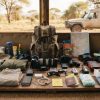
- Choose a dedicated waterproof bag or folder solely for travel documents; do not mix them with snacks, chargers, or other loose items
- Keep this bag in the same spot in the vehicle for the entire trip, ideally somewhere easily reachable by the driver or trip leader, such as a glovebox pouch, center console organizer, or a bag clipped near the driver’s seat
- Brief every member of your travel group on where the document bag is kept, in case the primary holder is unavailable
- Organize documents inside the bag in a logical order (passport and visa together, vehicle documents together, health documents together) so you are not shuffling through everything to find one item
- Do a quick document check before departure each morning, confirming everything is present and accounted for
This single habit, keeping documents dry, organized, and in a consistent, known location, can be the difference between a smooth checkpoint experience and a stressful, drawn-out ordeal.
Final Thoughts on Preparing for Africa Cross Border Safaris
Africa cross border safaris offer some of the most rewarding travel experiences on the planet, but they demand a level of preparation that goes beyond booking flights and packing binoculars. Your documentation is your passport, quite literally, to a smooth and enjoyable journey across multiple countries, cultures, and landscapes.
To summarize the essentials:
- Carry your original car registration documents, along with authorization letters if needed
- Never travel without your original driver’s license and an International Driving Permit
- Ensure your passport has sufficient validity and blank pages, along with the correct visas
- Secure your Carnet de Passages en Douane well in advance if you’re bringing your own vehicle
- Get all recommended vaccinations, especially the Yellow Fever certificate required across most of East Africa
- Protect everything in a waterproof bag
- Keep that bag in a known, consistent location so you’re never caught fumbling at a checkpoint
Proper preparation transforms border crossings from a source of anxiety into a mere formality, leaving you free to focus on what really matters: the incredible landscapes, wildlife, and adventures waiting for you across East Africa.
Your Ultimate Cross-Border Safari Awaits
At 4x4Kenya, we specialize in helping travelers plan seamless, well-documented Africa cross-border safaris. You can easily rent a rugged 4x4 vehicle from us, complete with carnet guidance, vehicle hire, and full itinerary planning across Kenya, Tanzania, Uganda, and beyond. Get in touch with our team today to start planning your next cross-border adventure with confidence.
Contact Us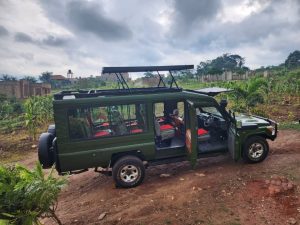













No responses yet