
Precautions for Self-Drive in Africa: What You Should Have Known Before an African Road Trip
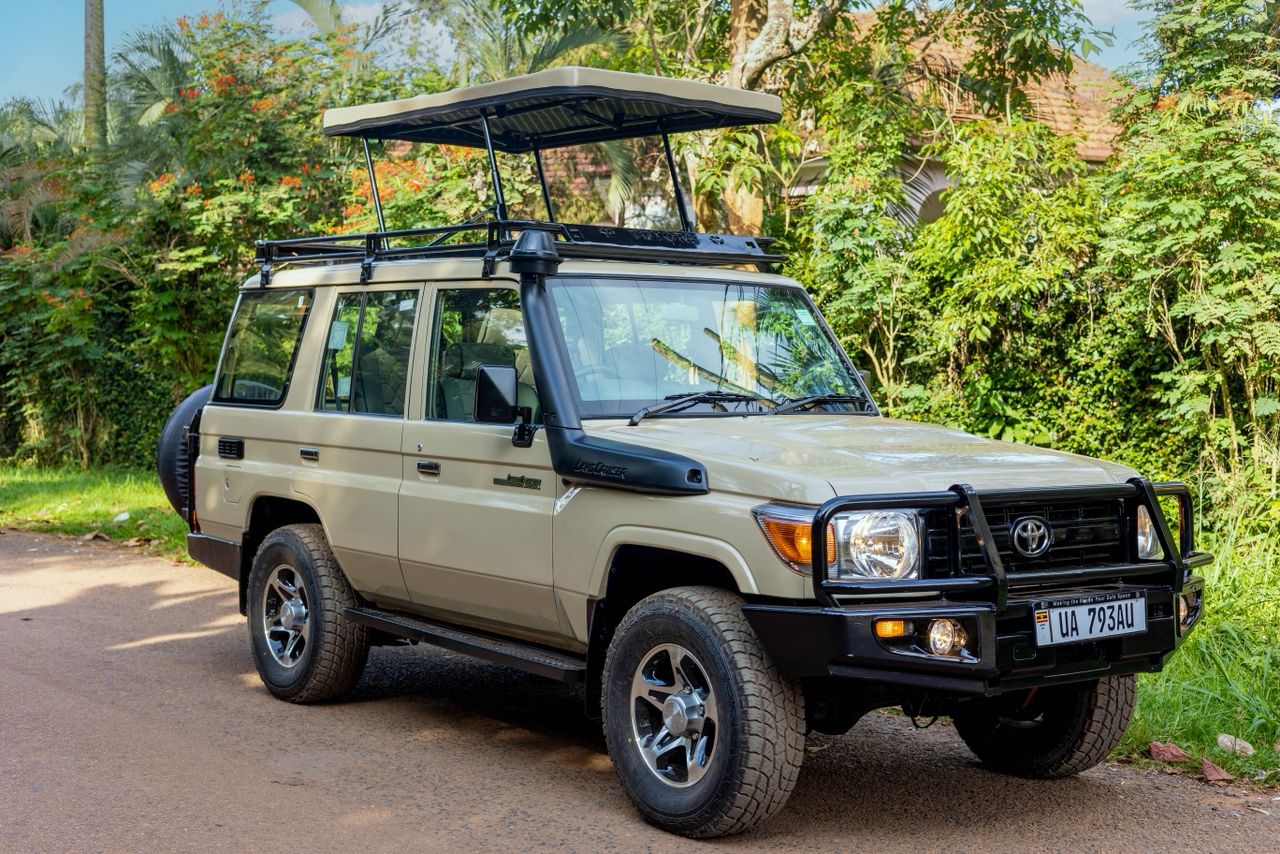
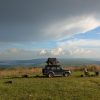
The dream of an African self-drive safari is a powerful one. It is the image of a dusty land Cruiser cutting through the golden savannah of the Serengeti, climbing the towering red dunes of the Namib, or navigating the misty, terraced hillsides of southwestern Uganda. It represents the ultimate expression of travel freedom: no rigid tour schedules, no crowded safari vehicles, just you, a 4×4, and thousands of miles of wild, untamed horizon.
But the line between an unforgettable adventure and a stressful, stranded ordeal on an isolated dirt road is incredibly thin. Africa is not a theme park; its infrastructure, ecosystems, bureaucracy, and road dynamics require respect, meticulous planning, and a specific set of skills.
Whether you are planning a two-week loop through Namibia’s National Parks or a multi-month trans-continental expedition, this comprehensive guide covers the critical precautions, logistics, and hard-earned survival tips you need to know before turning the key.
1. Choosing and Inspecting Your Steed: Vehicle Selection Logistics
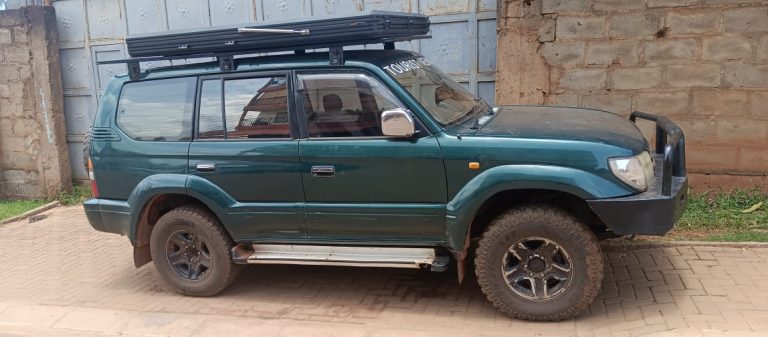
Your vehicle is not just a mode of transportation; it is your mobile home, your safety capsule, and your lifeline. Assuming a standard sedan can handle an African road trip is one of the most common—and expensive—mistakes travelers make.
4WD vs. 2WD: When Is a 4×4 Non-Negotiable?
While asphalt highways link most major African capitals, the moment you steer toward national parks, coastal reserves, or scenic mountain passes, the terrain changes dramatically.
- Two-Wheel Drive (2WD): Only acceptable if you are sticking strictly to major tarred roads (e.g., South Africa’s Garden Route). Even then, a high-clearance 2WD is highly recommended to avoid bottoming out on potholes.
- Four-Wheel Drive (4WD) with Low Range: Essential for almost all national parks, sandy coastal tracks, mud-slicked clay roads, and mountainous routes. Without low range and a locking differential (diff-lock), you will eventually get stuck in deep sand, loose gravel, or slick mud.
The Golden Vehicle Inspection Checklist
If you are renting a 4×4 in hubs like Windhoek, Johannesburg, Entebbe, or Nairobi, do not simply sign the rental agreement and drive off. Conduct a thorough, hands-on inspection of the vehicle alongside the rental agent:
Pre-Safari Vehicle Inspection Checklist
| Component | What to Check / Verify | Why It Matters |
|---|---|---|
| Tires & Spares | Inspect tread depth, sidewalls for cracks, and ensure you have two fully inflated spare tires of the correct size. | Punctures are a matter of "when," not "if." A second spare is vital in remote areas. |
| Tools & Jack | Verify the presence of a heavy-duty jack, a solid jacking board (to prevent the jack from sinking into sand/mud), a wheel brace, and basic hand tools. | A high-lift jack or bottle jack is useless if it sinks into soft soil while lifting a 2.5-ton vehicle. |
| Under the Hood | Check engine oil, coolant, brake fluid, windshield washer fluid, and the state of the drive belts and air filter. | Dusty African roads clog air filters rapidly, choking engine performance and increasing fuel consumption. |
| Dual Battery System | If camping with a built-in fridge/freezer, verify that the auxiliary battery system is charging correctly and isolated from the starter battery. | A dead starter battery in the middle of a wilderness camp can turn into an immediate emergency. |
| Undercarriage | Inspect for pre-existing dents, scrapes, leaking shock absorbers, and the presence of a robust sump guard (skid plate). | Rock strikes on unpaved roads can crack oil sumps or puncture fuel tanks easily. |
2. Deciphering the Paperwork: Visas, Permits, and Cross-Border Logistics
Navigating African border posts can be an intimidating, bureaucratic labyrinth. If you plan on crossing international borders during your self-drive trip, your paperwork must be flawless.
The International Driving Permit (IDP)
Your domestic driver’s license is rarely enough on its own. Most African countries require an International Driving Permit (IDP) alongside your original national license. Keep both documents easily accessible; traffic police at checkpoints will ask to see both.
The Carnet de Passages en Douane (CPD)
Think of the Carnet de Passages as a passport for your vehicle. It is a customs document that guarantees you will not illegally sell the vehicle in the countries you are visiting.
- When is it needed? Primarily if you are driving a foreign-registered, privately owned vehicle across multiple borders (especially in East, West, and North Africa).
- Alternative (Temporary Import Permit – TIP): If you are renting a vehicle locally within Southern Africa (e.g., South Africa, Namibia, Botswana, Zimbabwe), a TIP can usually be purchased directly at the border, provided you have a Cross-Border Authorization Letter from your rental company.
Cross-Border Authorization Letters
If you are renting a 4×4, you must inform the rental company of every country you plan to visit. They must issue an official, stamped letter authorizing the vehicle to cross those specific borders. Without this letter, customs officials will deny you entry, and your rental insurance will be completely voided.
Third-Party Insurance & The COMESA Yellow Card
Standard domestic car insurance rarely covers international travel.
- Southern Africa: Third-party insurance can often be purchased at individual border gates.
- East & Southern Africa (COMESA Region): If traveling through countries like Kenya, Uganda, Tanzania, Zambia, and Zimbabwe, purchase a COMESA Yellow Card. This is a regional third-party motor insurance scheme recognized across multiple member states, saving you from buying individual policies at every single border.
Pro-Tip on Borders: Always carry a folder with multiple physical photocopies of your passport, driver’s license, vehicle registration papers (logbook), rental agreement, and insurance documents. Border officials occasionally request copies for their physical files, and having them ready prevents unnecessary delays.
3. Navigation, Offline Connectivity, and Power Logistics
Do not expect consistent, high-speed cellular networks once you leave major urban centers. Relying on live, online navigation is a recipe for getting lost in vast, uninhabited landscapes.
The Danger of Real-Time Navigation
Online mapping apps often calculate routes based on distance rather than road quality. A route that looks like a minor shortcut on your screen could turn out to be an abandoned, overgrown logging track, a washed-out riverbed, or a deeply rutted sandy trail that takes ten hours to cover fifty miles.
Must-Have Offline Mapping Applications
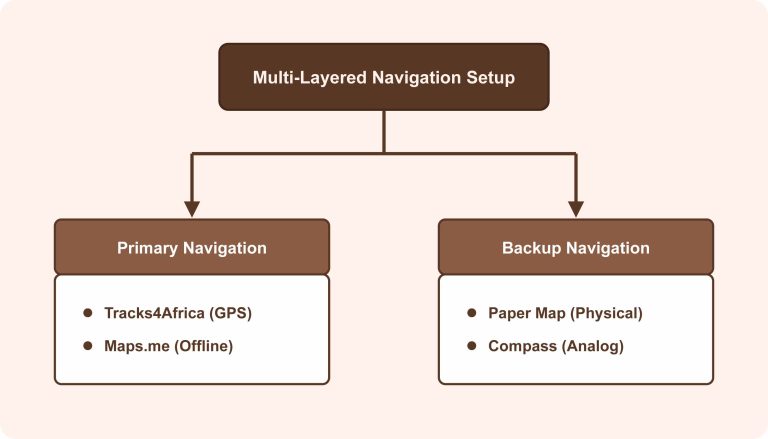
- Tracks4Africa: The absolute gold standard for self-driving in Southern and Eastern Africa. It is a highly detailed, community-mapped GPS tool built specifically for overlanders. It displays realistic travel times based on actual driving conditions, water sources, campsites, fuel stops, and difficult terrain.
- Maps.me / Organic Maps: Excellent open-source, offline mapping tools. Always download the complete country maps over Wi-Fi before heading out.
- Paper Maps: Never travel without a high-quality physical map (such as those from MapStudio or Reise Know-How). If your electronics fail, a paper map and a simple magnetic compass are your ultimate backups.
Connectivity & Emergency Communication
- Local SIM Cards & eSIMs: Upon arrival, purchase a local SIM card (e.g., MTN, Airtel, Safaricom, Vodacom) for local voice calls and data.
- Satellite Communicators: If you are venture into hyper-remote regions like the Kaokoveld in Namibia, the Central Kalahari Game Reserve in Botswana, or Karamoja in Uganda, a satellite messenger (like a Garmin inReach or ZOLEO) is an essential precaution. It allows you to send SOS messages, coordinate vehicle recovery, and share your GPS track with family members even when there is zero cellular signal.
Power Management in the Wild
Modern road trips require substantial electrical power for phones, cameras, GPS units, and refrigerators.
- 12V USB Chargers & Inverters: Ensure your vehicle has working 12V cigarette lighter sockets. A small 150W pure sine wave inverter is incredibly useful for charging laptops and camera batteries directly from the vehicle’s alternator while driving.
- Dual Battery Systems: Ensure your rental 4×4 utilizes an auxiliary battery to power the camping fridge overnight, keeping your primary cranking battery fully charged for starting the engine the next morning.
4. Road Conditions and Driving Etiquette: Expect the Unexpected
African roads are incredibly dynamic environments. From pristine asphalt highways to deep sand tracks, you will encounter a massive variety of driving surfaces—often on the exact same day.
Navigating Different Road Surfaces
- Gravel Roads: Extremely common in Namibia and rural Southern Africa. Gravel can be highly deceptive. It behaves like marbles under your tires. Maintain moderate speeds (typically no more than 60–80 km/h), keep a firm grip on the steering wheel, avoid sudden braking, and increase your following distance to avoid flying stones that can shatter your windshield.
- Corrugations: Washboard ripples on dirt roads rattle your vehicle violently. The temptation is to speed up to “fly” over them, but this reduces tire traction dramatically and can cause you to slide out of control on curves. Slow down, air down your tires slightly to absorb the vibrations, and accept a slower pace.
- Black Cotton Soil (Clay): Common in East Africa. When dry, it is hard and cracked; when wet, it transforms into an incredibly slick, sticky grease that quickly cakes tire treads, rendering standard tires completely useless. Avoid driving on wet clay roads unless you have aggressive mud-terrain tires and recovery gear.
- Potholes: Potholes can be deep enough to bend rims, snap suspension control arms, or blowout tires instantly. Scan the road far ahead rather than looking directly in front of your hood.
The Golden Rule: Never Drive at Night
This is the single most important safety precaution for any self-drive trip in Africa. No exceptions.
Why You Must Not Drive At Night
Plan your daily distances conservatively (aiming for 250–350 km per day on unpaved roads) to ensure you arrive at your designated campsite or lodge by 4:00 PM, well before the sun sets.
Police Checkpoints & Traffic Stop Protocol
You will inevitably encounter police checkpoints along major highways. They are a standard part of road safety in Africa. Approach them with the following protocol:
- Slow Down Early: Reduce your speed to a crawl as you approach the checkpoint sign. Do not drive past the stop sign until waved through.
- Be Polite and Respectful: Greet the officer warmly. A friendly “Good morning, officer, how is your day?” instantly sets a positive tone.
- Display Compliance: Roll down your window, turn off your music, and remove your sunglasses.
- Keep Your Papers Ready: Have your driver’s license, IDP, vehicle registration, and insurance papers neatly organized in an accessible folder.
- Handling “Spot Fines”: If an officer claims you committed an infraction (e.g., speeding, missing a reflective sticker), politely request an official, printed ticket or receipt. Ask if the fine can be paid at the nearest police station. Legitimate officers will gladly write an official ticket; corrupt officers looking for a bribe will often back down if you insist on formal, documented procedures.
5. Wild Encounters: Driving and Camping in Predator Territory
One of the greatest thrills of self-driving is sharing the environment with Africa’s iconic wildlife. However, animals always have the right of way, and encountering them requires deep caution and an understanding of their behavior.
Safe Behavior Around Large Mammals
- Elephants: Elephants deserve absolute respect. If you encounter a herd crossing or walking along the road, stop at a safe distance (at least 50–100 meters). Keep your engine running so you can quickly reverse if needed. Watch for signs of stress or warning behavior: flapping ears, a raised trunk, head shaking, trumpeting, or mock charges. If an elephant approaches your vehicle showing these signs, shift into reverse and back away slowly and calmly. Do not rev your engine or blow your horn, as this can provoke a charge.
sit amet, consectetur adipiscing elit. Ut elit tellus, luctus nec ullamcorper mattis, pulvinar dapibus leo.

Elephant Encounter Safety Protocol
- Lions, Leopards, and Cheetahs: While predators generally view vehicles as singular, non-prey objects, this illusion breaks down immediately if you open a door, hang your limbs out of a window, or stand up through a pop-up roof. Keep all limbs inside the vehicle at all times.
- Hippopotamuses: Extremely territorial and aggressive. If you see a hippo on land during the day (or early evening), keep your distance. Do not get between a hippo and its path to the water.
Unfenced Wilderness Camping Protocols
If you are camping in unfenced parks (such as Moremi or Chobe in Botswana, or Mana Pools in Zimbabwe), wild animals will wander directly through your campsite at night.
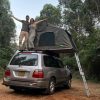
- Food Storage: Never, under any circumstances, keep food, fragrant toiletries, or trash inside your ground tent or rooftop tent. Hyenas, baboons, and elephants have an incredibly keen sense of smell. Keep all food locked securely inside the metal cab of your vehicle.
- Campfire Safety: Maintain a lively campfire during the evening. It acts as a natural deterrent for many predators, though it is not a foolproof shield.
- Nighttime Exits: Once you retire to your tent for the night, do not leave it until sunrise. If you must relieve yourself, use a dedicated bottle or chemical toilet inside your tent. Stepping out of your tent in pitch darkness in an unfenced camp is incredibly dangerous; you could walk directly into a feeding predator or a startled buffalo.
- Zip Up Your Tent: Always keep your tent zipped completely closed. Predators do not associate a closed tent with food; they view it as a solid, impenetrable object. An open tent invites curiosity.
6. The Recovery Toolkit: How to Get Unstuck
Getting stuck is not a failure; it is simply part of the self-drive experience. Knowing how to safely extract your vehicle is what separates an experienced overlander from an amateur.
Tire Pressures: Your First Line of Defense
The single most effective tool for preventing your vehicle from getting stuck in soft terrain is adjusting your tire pressure.
- Why air down? Lowering tire pressure increases the “footprint” of your tire, spreading the vehicle’s weight over a larger surface area, allowing you to float on top of sand or mud rather than digging in.
- Crucial Precaution: When driving on low pressure (under 1.2 Bar), avoid driving fast and make slow, wide turns. Sharp turns at high speeds can cause the tire bead to pop off the wheel rim, leaving you with a completely flat tire on an unseated rim. Always carry a reliable 12V air compressor to reinflate your tires once you return to harder terrain.
Essential Recovery Gear Checklist
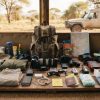
Ensure your vehicle is equipped with these recovery essentials:
- Heavy-Duty Shovel: Often your most important tool. Shoveling out sand from behind and in front of all four tires, and clearing the undercarriage, is often enough to free a bogged vehicle.
- Sand Tracks (MaxTrax or similar): High-strength plastic recovery boards. Shovel a path, wedge the boards firmly under your tires, and drive smoothly out of the soft patch.
- Kinetic Tow Strap & Rated Shackles: Essential if another vehicle is assisting you. Never use a standard non-elastic rope; a kinetic strap stretches and stores kinetic energy, gently pulling the stuck vehicle out without damaging the chassis.
- Tire Pressure Gauge & Deflator: For quickly and accurately lowering tire pressures to match changing road conditions.
7. Health, Hydration, and Medical Emergencies in Remote Areas
In many parts of Africa, the nearest modern hospital could be a full day’s drive away. Medical self-reliance is a critical component of your preparation.
Malaria Prevention and Management
Large portions of Sub-Saharan Africa are high-risk malaria zones.
- Prophylactics: Consult a travel medicine specialist well before your trip to select the right malaria prophylaxis (e.g., Atovaquone/Proguanil, Doxycycline, or Mefloquine).
- Bite Prevention: Malaria is transmitted by nocturnal Anopheles mosquitoes. Wear long-sleeved shirts, long pants, and closed shoes from dusk onwards. Apply insect repellent containing high concentrations of DEET or Picaridin to all exposed skin.
- Malaria Self-Test & Treatment Kits: If you are traveling into remote areas for extended periods, purchase a rapid-diagnostic malaria self-test kit and a course of artemisinin-based combination therapy (ACT) from a reputable pharmacy before your departure. If you develop a fever or flu-like symptoms, test yourself immediately.
Safe Drinking Water
Never assume tap water in rural communities is safe to drink. Consuming contaminated water can lead to debilitating gastrointestinal infections that can ruin your trip.
- Bottled Water: Keep a minimum of 5 liters of sealed, bottled drinking water per person, per day, stored securely inside your vehicle.
- Water Purification: Carry emergency backup water purification tablets (such as chlorine dioxide) or a high-quality water filtration system (like a Lifestraw or Grayl purifier) for filtering water sourced from wells or rivers.
Emergency Medical Evacuation Insurance
This is non-negotiable. Ensure your travel insurance includes comprehensive medical evacuation cover. Organizations like AMREF Flying Doctors offer inexpensive, specialized tourist memberships that guarantee emergency helicopter or fixed-wing air ambulance evacuation from remote bush locations straight to high-quality international hospitals in regional hubs.
8. Fuel, Funds, and Financial Logistics
Running out of fuel or currency in a remote area is an entirely preventable situation that can quickly escalate into a genuine emergency.
Fuel Management Calculations
Never pass a fuel station without topping up your tank, even if your gauge still reads half-full. Fuel stations in remote areas can run out of fuel due to supply chain delays, power outages, or water contamination in their underground tanks.
- Auxiliary Tanks & Jerry Cans: Many safari-equipped 4x4s feature long-range double fuel tanks (typically holding 140–180 liters of fuel). If your vehicle does not have a dual tank system, carry at least two secure 20-liter metal jerry cans of fuel mounted safely on the roof rack or rear bumper.
- Fuel Quality: Know whether your vehicle runs on petrol (gasoline) or diesel. Modern, highly sensitive turbo-diesel engines require low-sulfur diesel (50 ppm or lower) to prevent damage to their fuel injectors and particulate filters. Ensure you confirm the fuel type and sulfur content at the pump before filling up.
Cash is King
While credit and debit cards (Visa and Mastercard) are widely accepted in major cities, supermarkets, and luxury lodges, they are often useless at rural fuel stations, park gates, community campsites, and local markets.
- Local Currency: Always carry a substantial amount of cash in the local currency of the country you are visiting. Keep this cash organized in small, low-denomination bills; rural vendors and park rangers cannot easily change large bills.
- US Dollars as Backup: Keep an emergency reserve of US Dollars (USD) stored securely in a hidden safe inside your vehicle. Ensure the bills are clean, uncrewed, un-torn, and printed after 2013. Many banks, border posts, and currency exchange offices in East and Southern Africa will flatly refuse older USD bills or those with minor tears and markings.
9. Environmental and Cultural Respect: Leave No Trace
A self-drive road trip places you directly in contact with delicate ecosystems and rural communities. Practicing responsible overlanding ensures these routes remain open and welcoming for future adventurers.
Off-Roading and Trail Integrity
Never drive off the established tracks, especially in fragile environments like Namibia’s gravel plains or Botswana’s salt pans.
- The Scarring Effect: Driving off-road in hyper-arid regions leaves deep tire tracks that can remain visible for decades, disrupting delicate desert mosses, plants, and nesting birds.
- Salt Pan Danger: Driving on the crust of salt pans can look safe, but a thin, dry crust often conceals deep, sticky black mud beneath. Vehicles that break through the crust can sink to their axles and require immensely difficult recoveries.
Wildlife Etiquette
- No Feeding: Never feed any wild animals, including baboons and monkeys at campsites. Feeding them associates humans with food, leading to aggressive behavior that eventually forces rangers to euthanize the animals.
- Litter Disposal: Carry all trash with you inside your vehicle until you reach a major town with proper waste-management facilities. Do not leave plastic trash in rural or wilderness campsite bins where wild animals can easily dig it up and consume it.
The Ultimate Pre-Departure Self-Drive Check-In
Before you turn the key, start your engine, and release the handbrake to begin your African self-drive adventure, take a moment to run through this final mental check-in:
- Am I rushed? If yes, slow down. African road trips are measured in hours, not miles. Give yourself plenty of buffer time.
- Do I have water and fuel backups? Verify you have more than enough water and fuel to survive a 48-hour delay in your current location.
- Are my offline maps active? Ensure your GPS and offline mapping apps are fully downloaded and operational before losing cellular network access.
- Do I have the emergency contact numbers? Have local police, park warden, towing, and medical evacuation numbers written down on a physical piece of paper in your glovebox.
By taking these meticulous precautions, respecting the terrain, and maintaining a patient, flexible mindset, your self-drive road trip will transform from a challenging journey into an empowering, life-changing exploration of the African continent.
Explore Kenya on Your Own Terms
Conquer the rugged savannahs, witness the Great Migration, and navigate off-road terrains with absolute confidence. Our fully equipped 4x4 vehicles are built for the ultimate Kenyan safari experience.
Explore without boundaries
Peace of mind guaranteed





No responses yet