

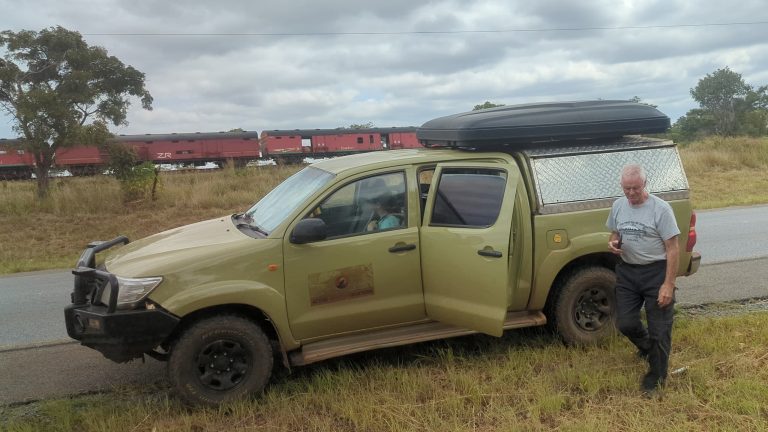
Top 20 Kenya Self-Drive Safaris And Road Trips
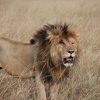
There is a unique, untamed magic that comes with holding the steering wheel of a robust $4 \times 4$ vehicle while navigating the expansive savannahs, dramatic escarpments, and lush highlands of East Africa. Kenya, often hailed as the “Safari Capital of the World,” offers a vast network of protected wildernesses, spectacular geographical wonders, and ancient cultural corridors. While guided package tours are the norm, a self-drive safari grants you complete autonomy over your schedule. You decide how long to watch a pride of lions lounging in the shade, when to stop for a scenic photo of the Great Rift Valley, and which dirt track to explore next.
However, traversing Kenya’s diverse terrain on your own requires careful preparation, a clear understanding of road conditions, and an organized itinerary. This comprehensive guide is designed to serve as your ultimate resource for planning a self-drive safari in Kenya. Below, you will find an extensive master table detailing 20 legendary routes, followed by crucial packing lists, safety guidelines, and driving strategies to ensure your journey is safe, thrilling, and profoundly memorable.
The Master Comparison Table: Top 20 Kenya Self-Drive Safaris
The following master table details 20 meticulously curated self-drive itineraries throughout Kenya. It spans short weekend escapes from Nairobi to epic multi-week overlanding expeditions across rugged northern deserts and pristine southern coastlines.
| # | Route & Duration | Key Destinations | Detailed Tourist Activities, Attractions & Wildlife | Accommodation Options & Booking |
|---|---|---|---|---|
| 1 |
The Classic Maasai Mara LoopDuration: 4–5 Days
Route: Nairobi → Narok → Maasai Mara National Reserve → Nairobi
|
Maasai Mara National Reserve Great Rift Valley Viewpoint |
|
|
| 2 |
The Rift Valley Lakes & Geothermal LoopDuration: 3–4 Days
Route: Nairobi → Lake Naivasha → Hell’s Gate → Lake Nakuru → Nairobi
|
Lake Naivasha Hell's Gate National Park Lake Nakuru National Park |
|
|
| 3 |
The Kilimanjaro & Elephant CorridorDuration: 4 Days
Route: Nairobi → Emali → Amboseli National Park → Nairobi
|
Amboseli National Park Observation Hill |
|
|
| 4 |
The Red Elephants of TsavoDuration: 5–6 Days
Route: Nairobi → Mtito Andei → Tsavo West → Tsavo East → Voi → Nairobi
|
Tsavo West National Park Tsavo East National Park Mzima Springs Shetani Lava Flow |
|
|
| 5 |
The Northern Special Five ExpeditionDuration: 5 Days
Route: Nairobi → Nanyuki → Isiolo → Samburu National Reserve → Nairobi
|
Samburu National Reserve Buffalo Springs National Reserve Ewaso Ng'iro River |
|
|
| 6 |
The Laikipia & Ol Pejeta Sanctuary RunDuration: 3–4 Days
Route: Nairobi → Karatina → Nanyuki → Ol Pejeta Conservancy → Nairobi
|
Ol Pejeta Conservancy Mount Kenya Forest Reserve |
|
|
| 7 |
The High-Altitude Aberdare Forest DriveDuration: 3 Days
Route: Nairobi → Nyeri → Aberdare National Park (Kiandongoro Gate) → Nairobi
|
Aberdare National Park Karuru Falls Chania Falls |
|
|
| 8 |
The Rugged Lake Turkana Desert ExpeditionDuration: 10–12 Days
Route: Nairobi → Maralal → Baragoi → Loyangalani (Lake Turkana) → Marsabit → Isiolo → Nairobi
|
Lake Turkana (The Jade Sea) Mount Kulal Central Island National Park Marsabit National Park |
|
|
| 9 |
The Meru Wilderness Road TripDuration: 4 Days
Route: Nairobi → Embu → Meru National Park → Nairobi
|
Meru National Park Elsa's Kopje Tana River |
|
|
| 10 |
The Great Western & Kakamega Rainforest CircuitDuration: 6–7 Days
Route: Nairobi → Kericho → Kisumu → Kakamega Forest → Nakuru → Nairobi
|
Kakamega Forest National Reserve Lake Victoria (Kisumu) Kericho Tea Estates |
|
|
| 11 |
The Mt. Kenya Alpine & Forest CircuitDuration: 4 Days
Route: Nairobi → Naro Moru → Nanyuki → Chogoria → Nairobi
|
Mount Kenya National Park Mount Kenya Forest Reserve Mau Mau Caves |
|
|
| 12 |
The Shimba Hills & Coastal Forest RunDuration: 3 Days
Route: Mombasa → Kwale → Shimba Hills → Diani Beach
|
Shimba Hills National Reserve Sheldrick Falls Diani Beach |
|
|
| 13 |
The Bush-to-Beach Coastal HighwayDuration: 7–8 Days
Route: Nairobi → Kibwezi → Tsavo East → Malindi → Watamu → Mombasa
|
Tsavo East Arabuko Sokoke Forest Watamu Marine National Park Gedi Ruins |
|
|
| 14 |
The Scenic Cherangani Hills & Marich PassDuration: 7 Days
Route: Nairobi → Eldoret → Kitale → Marich Pass → Kapenguria → Nairobi
|
Cherangani Hills Saiwa Swamp National Park Marich Pass Gorge |
|
|

The Essential Packing List for a Self-Drive Safari
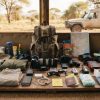
To ensure self-sufficiency in the remote and rugged areas of Kenya, your vehicle and personal gear must be thoroughly organized. This list covers everything you need to pack for your journey.
Sojourn Safaris
1. Vehicle Recovery & Emergency Gear
Never venture into national parks or remote northern roads without these essential items in your trunk:
- High-Lift Jack & Base Plate: Crucial for changing tires on soft sand or mud.
- Heavy-Duty Tow Straps: Rated for at least 5 tons, along with steel shackles.
- Tire Pressure Gauge & 12V Air Compressor: Essential for deflating tires in soft sand or silt, and reinflating them before hit the tarmac.
- Heavy-Duty Sand Ladders/Traction Boards: Crucial for recovering a stuck vehicle without external help.
- Full-Sized Spare Tires: At least two spares are highly recommended for routes like the Chalbi Desert or Lake Turkana.
- Basic Tool Kit: Set of spanners, screwdrivers, pliers, WD-40, zip ties, and duct tape.
- Spare Fluids: 5 liters of clean engine oil, coolant, and brake fluid.
2. Navigation & Communication
Mobile network signals can drop entirely in deep valleys, forested areas, and northern plains.
- Offline Navigation Apps: Download maps of Kenya in advance using Google Maps, me, or Tracks4Africa.
- Physical Road Atlas: A high-quality paper map of East Africa as a reliable backup.
- Satellite Communicator: A device like a Garmin inReach is highly recommended for emergency assistance in the far north.
- Dual USB Car Charger: Keeps your devices powered while driving.
3. Camping & Outdoor Equipment (For Ground/Rooftop Camping)
If you choose to camp under the stars at KWS public campsites, make sure to bring:
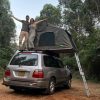
- Rooftop Tent or High-Quality Ground Dome Tent: Must have bug-proof mesh screens.
- Warm Sleeping Bag & Insulated Mat: High-altitude areas like Mount Kenya, Aberdares, and Nyahururu get very cold at night.
- Headlamp & Rechargeable LED Lantern: Keep your hands free while cooking or setting up camp.
- Multi-Fuel Camp Stove: Along with cooking pots, plates, and cutlery.
- High-Capacity Cooler Box: A 12V car fridge/freezer is even better for keeping perishables fresh over multi-day trips.
4. Health, Hygiene & First Aid
- Comprehensive First Aid Kit: Sterile bandages, gauze, antiseptic wipes, burn cream, painkillers, and rehydration salts.
- Malaria Prophylactics & Mosquito Repellent: Consult your doctor before your trip, and always use repellent containing DEET.
- Prescription Medications: Bring enough to last the entire trip, as remote pharmacies may not carry specialized medications.
- Broad-Spectrum Sunscreen & After-Sun Lotion: The equatorial sun can be intense, especially at high altitudes.
- Water Purification Tablets or Filtration System: For emergency drinking water preparation.
Critical Safety Precautions & Driving Guidelines
Self-driving in East Africa is an incredible adventure, but it requires caution, patience, and preparation.
Key Self-Drive Safety Rules
Highways are often unlit, and you may encounter broken-down trucks, pedestrians, or wandering livestock. Aim to reach your destination by 5:30 PM.
Fuel stations can be sparse in remote areas. A good rule of thumb is to fill up whenever your tank drops below half.
Speed limits are generally 50 km/h in built-up areas/towns and 100 km/h on major tarmac highways. Traffic police actively use speed guns, and fines can be steep.
Always keep a safe distance of at least 20–30 meters from large animals, especially elephants and rhinos. Never block their paths or try to drive around them.
1. Navigating Kenya's Diverse Roads
Major roads like the Nairobi-Mombasa Highway (A109) and the Nairobi-Nakuru Highway (A104) are paved but carry heavy commercial traffic. Expect large, slow-moving trucks and overtaking vehicles. Stay alert and drive defensively.
These are common in national parks and rural areas. They can turn into slippery mud during the rainy seasons (March–May and November–December) or become corrugated and dusty in the dry season. Reduce your speed on loose gravel to prevent sliding.
Stick strictly to marked safari tracks. Off-roading is illegal in most parks and can damage fragile ecosystems. It also carries a high risk of getting stuck in hidden mud holes.
2. Wildlife Encounters: Do’s and Don'ts
Turn off your engine when viewing wildlife close to your vehicle. This reduces noise and keeps the animals calm.
Keep your windows rolled up when driving near baboon troops. They are clever, opportunistic, and will readily jump inside a car to steal food.
Do not step out of your vehicle unless you are at a designated picnic site, camp, or viewpoint. Many parks are unfenced, and predators can blend seamlessly into the surrounding yellow grass.
Do not feed any wild animals. Feeding them alters their natural behavior and makes them dependent on humans, often leading to aggressive encounters.
3. Interacting with Local Communities
Kenyans are incredibly welcoming, warm, and helpful. If you get lost or need directions, don't hesitate to ask local shopkeepers or boda-boda (motorcycle taxi) riders.
Always ask for permission before taking photographs of local people, especially in traditional pastoralist regions like Maasai and Samburu territories.
Support local economies by buying fresh produce, handmade crafts, and supplies from community-run stalls and markets along your route.
Choosing the Right 4×4 Vehicle for Your Safari
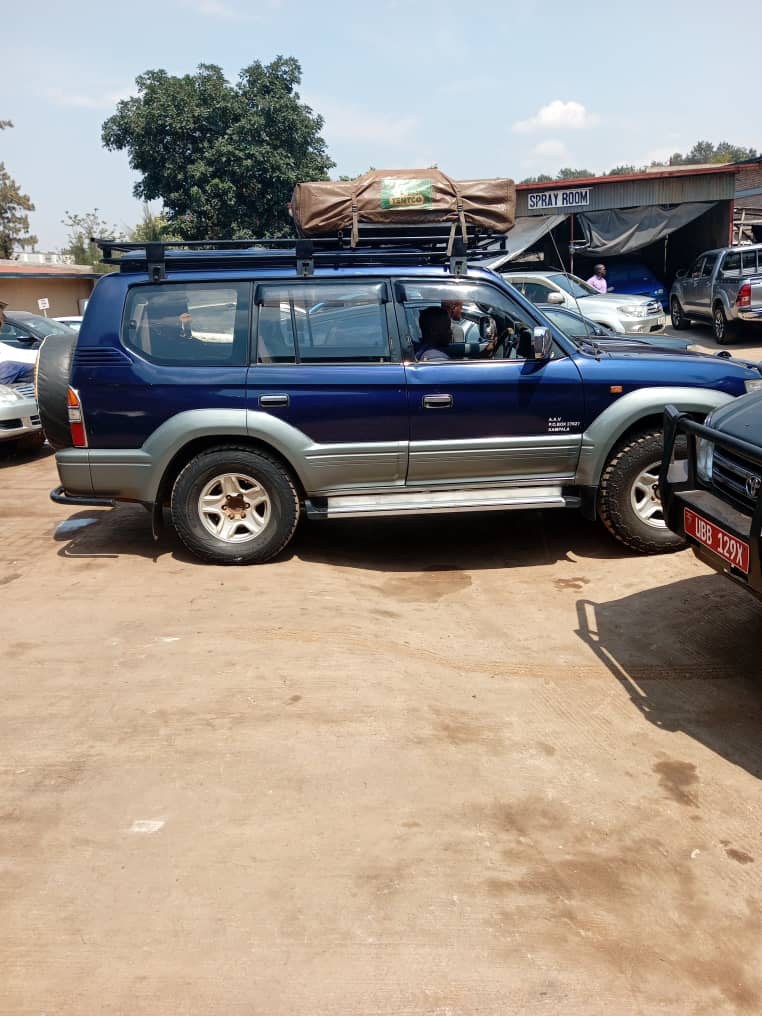
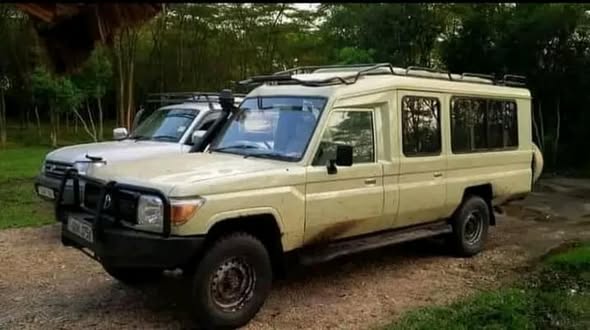
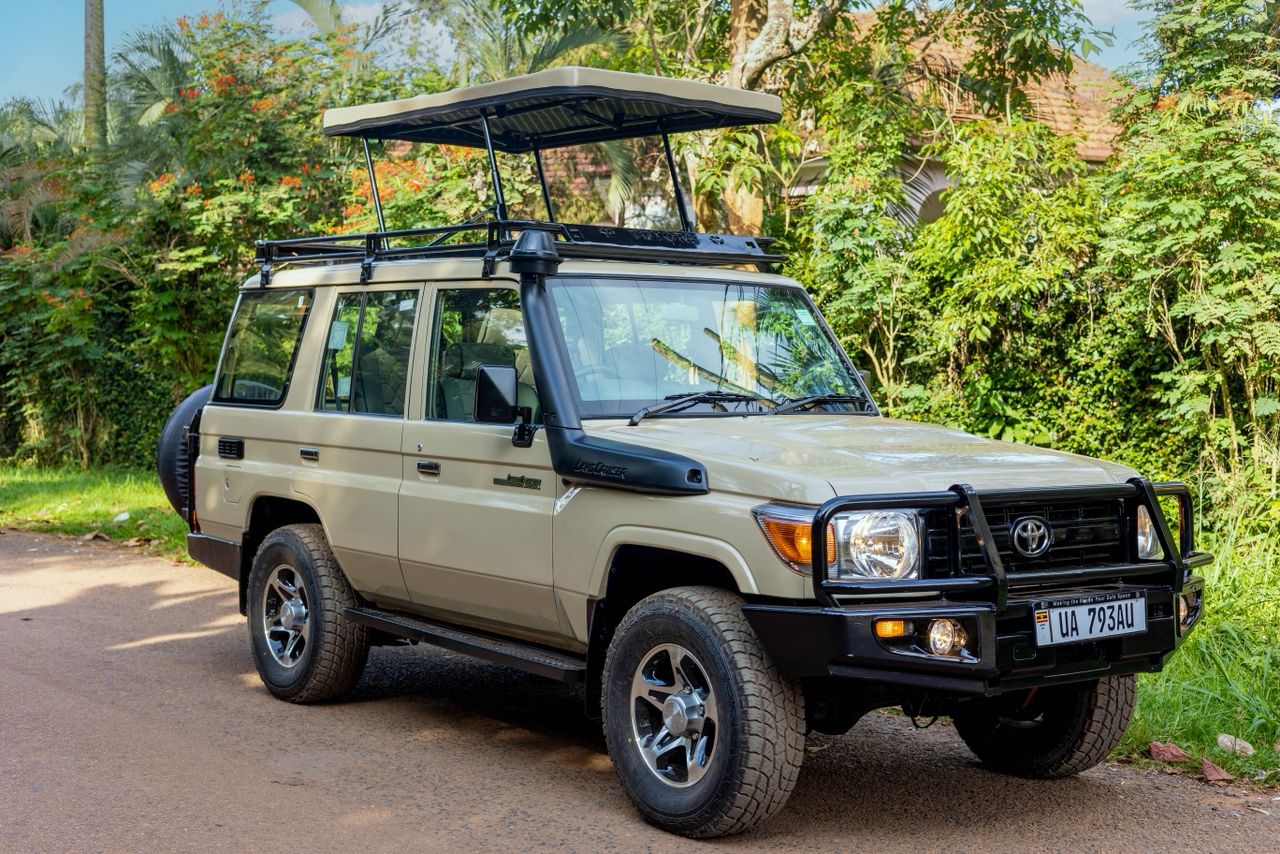
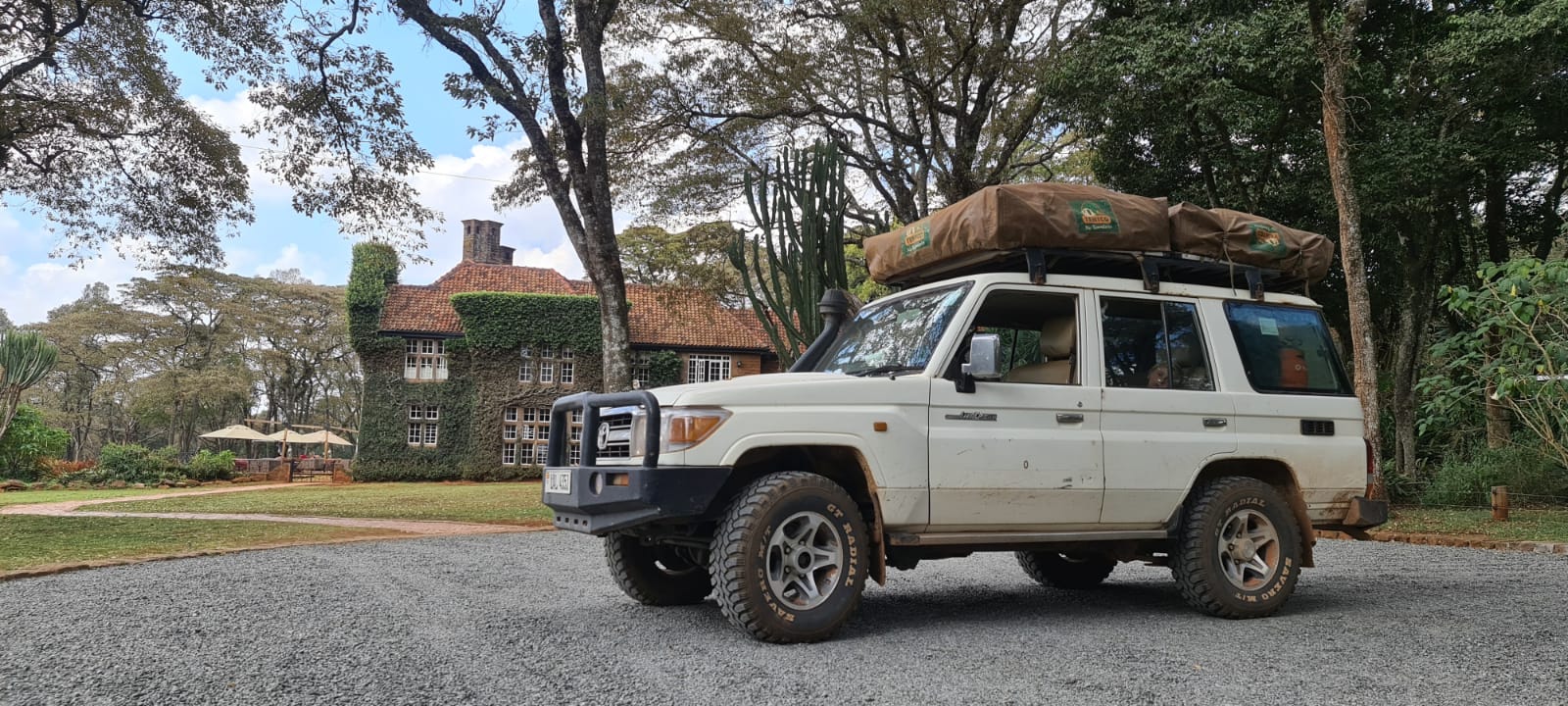
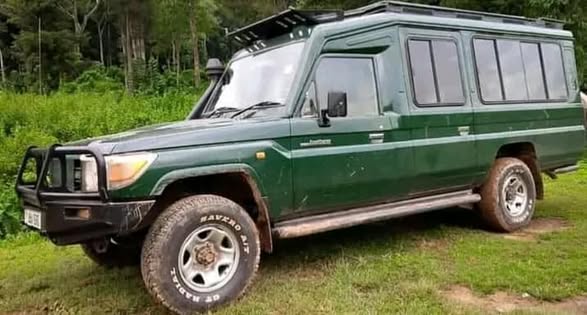
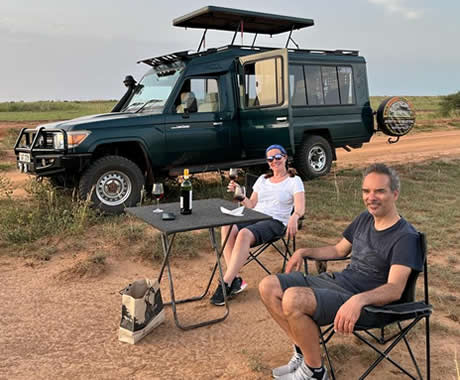
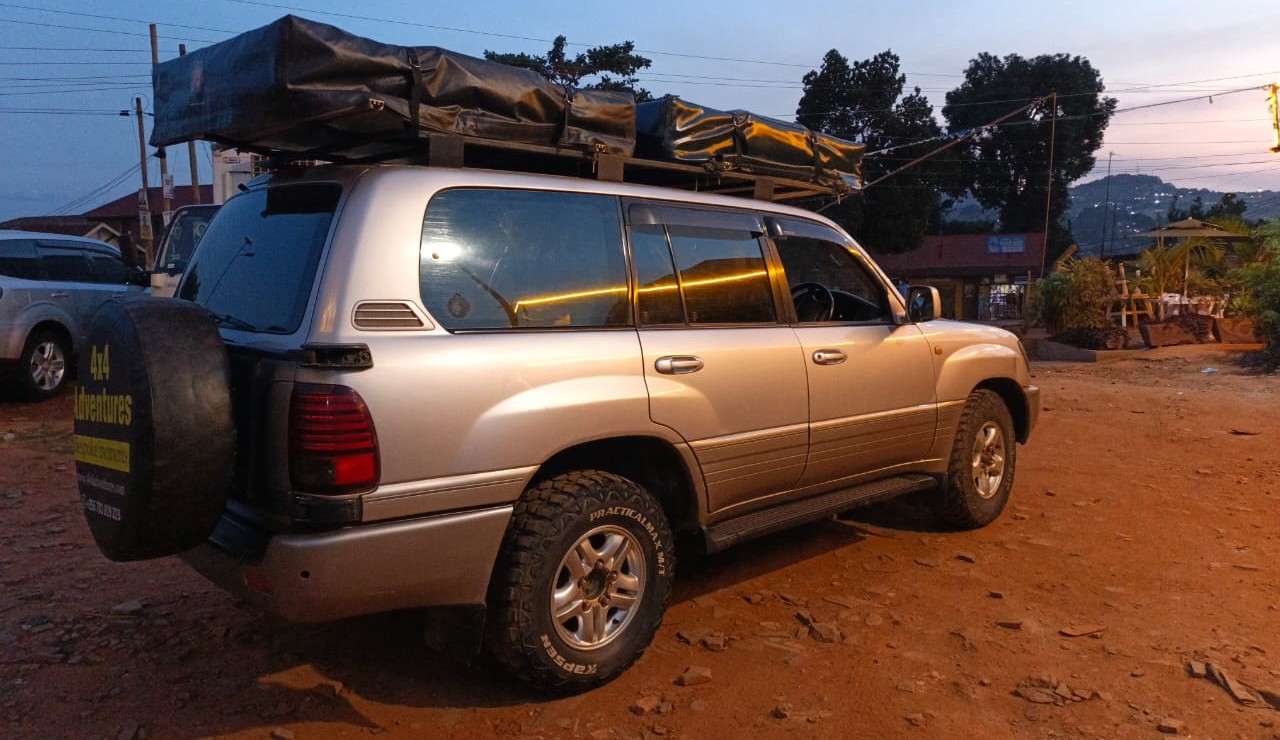
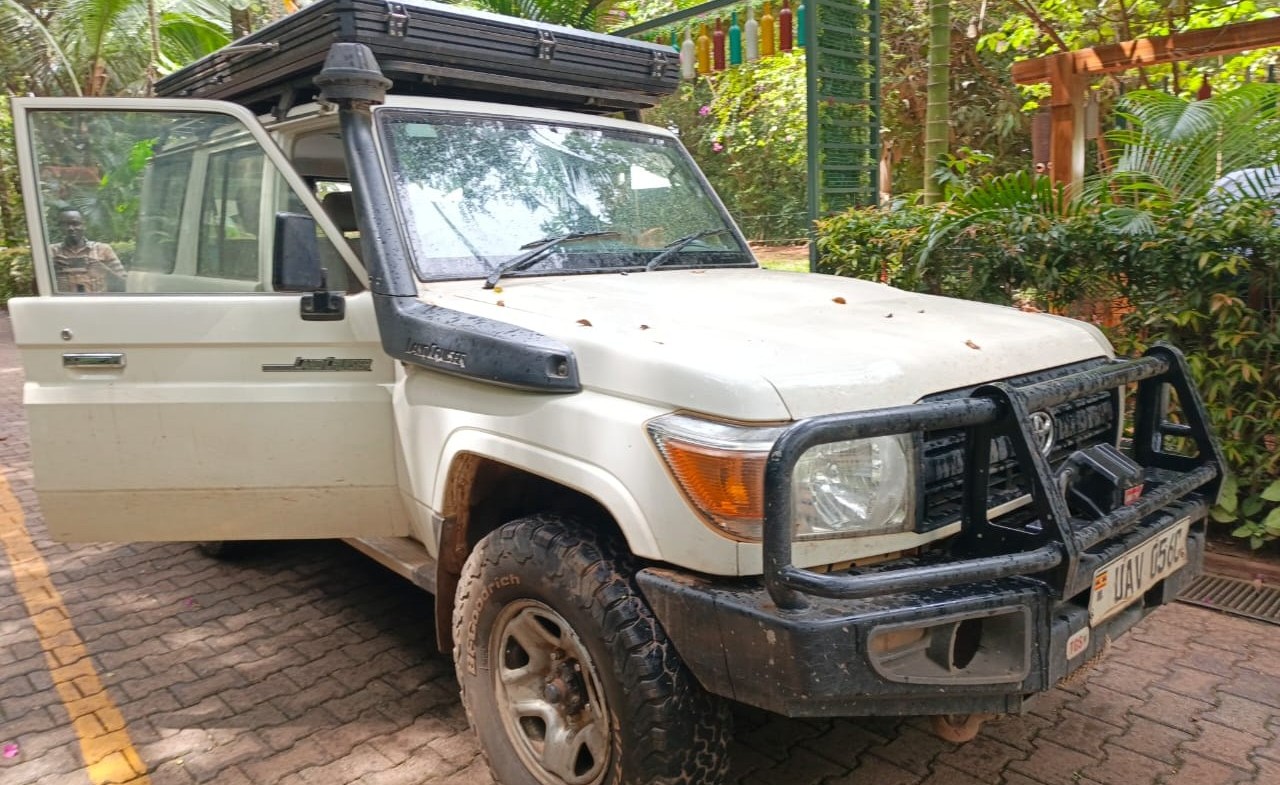
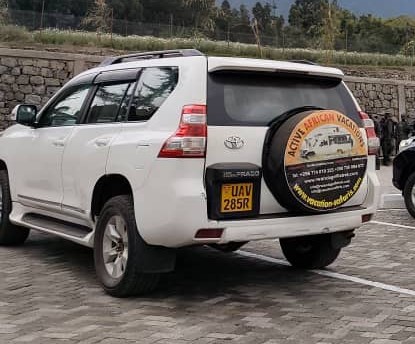
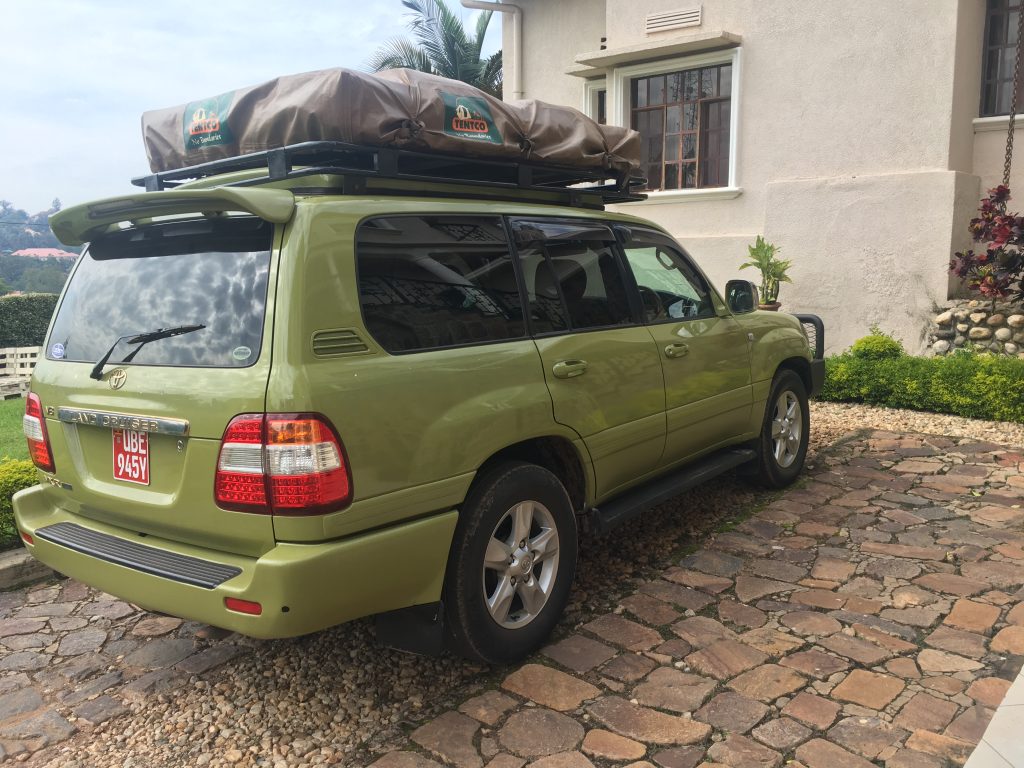
Your vehicle is your lifeline on a self-drive safari. While compact crossovers can handle paved highways and well-graded park entries, a proper, high-clearance 4×4 is essential for navigating most national parks, sandy riverbeds, and muddy tracks.
Frequently Asked Questions (FAQs)
Can I cross international borders with a Kenyan rental vehicle?
Yes, many reputable car rental agencies in Nairobi allow cross-border travel into Uganda, Rwanda, or Tanzania. You will need a COMESA yellow card (regional insurance), a Carnet de Passage (or temporary importation paper), and written authorization from the rental company. Be sure to arrange these documents well in advance of your trip.
When is the best time of year for a self-drive safari in Kenya?
The dry seasons—from June to October and December to February—are generally the best times for self-driving. The roads are dry and easier to navigate, and wildlife gathers around predictable water sources, making game viewing much easier.
Car Hire Africa+ 1
Is it easy to find fuel and water along these routes?
Along major highways and in regional capital towns (like Narok, Nanyuki, Nakuru, and Isiolo), fuel stations and supermarkets are plentiful. However, in remote areas like the far north or deep inside large parks like Tsavo, fuel stations can be rare. It is always best to carry a couple of 20-liter jerrycans of fuel and plenty of drinking water just in case.






No responses yet