
2027 Maasai Mara Birding & 4x4 Rental Guide: Rooftop Tents and Camping
2027 Maasai Mara Birding: The Maasai Mara National Reserve is globally renowned for its dramatic predator sightings and the Great Wildebeest Migration. However, for the discerning traveler, Kenya’s premier wildlife sanctuary offers an entirely different, highly rewarding spectacle: world-class bird watching. With over 500 recorded bird species residing within or migrating through its sweeping savannahs, acacia woodlands, and riverine forests, the Mara is a paradise for ornithologists and nature enthusiasts.
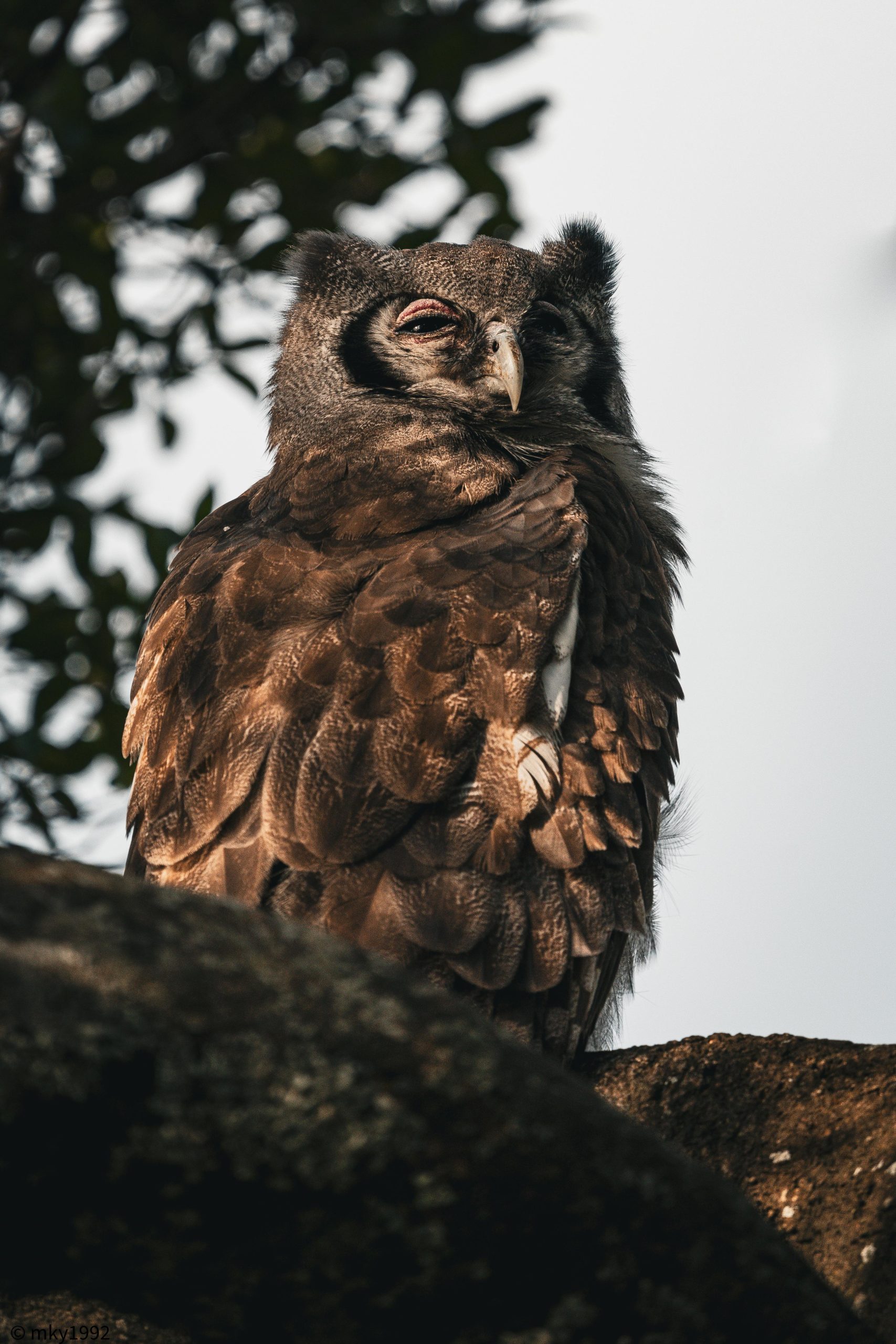
Embarking on a birding expedition here on a self-drive basis offers ultimate freedom, allowing you to linger at a waterhole as a squadron of African spoonbills feeds, or track a rare Verreaux’s eagle-owl deep within the Oloololo Escarpment thickets at your own pace.
If you are planning your ultimate African expedition for 2027, this comprehensive guide covers everything you need to know about combining Maasai Mara birding 4×4 rental, outfitting your vehicle with a rooftop tent, selecting the right camping gear, and navigating the reserve’s diverse ecological zones like a seasoned pro.
1. Why Choose a Self-Drive Birding Safari in 2027?
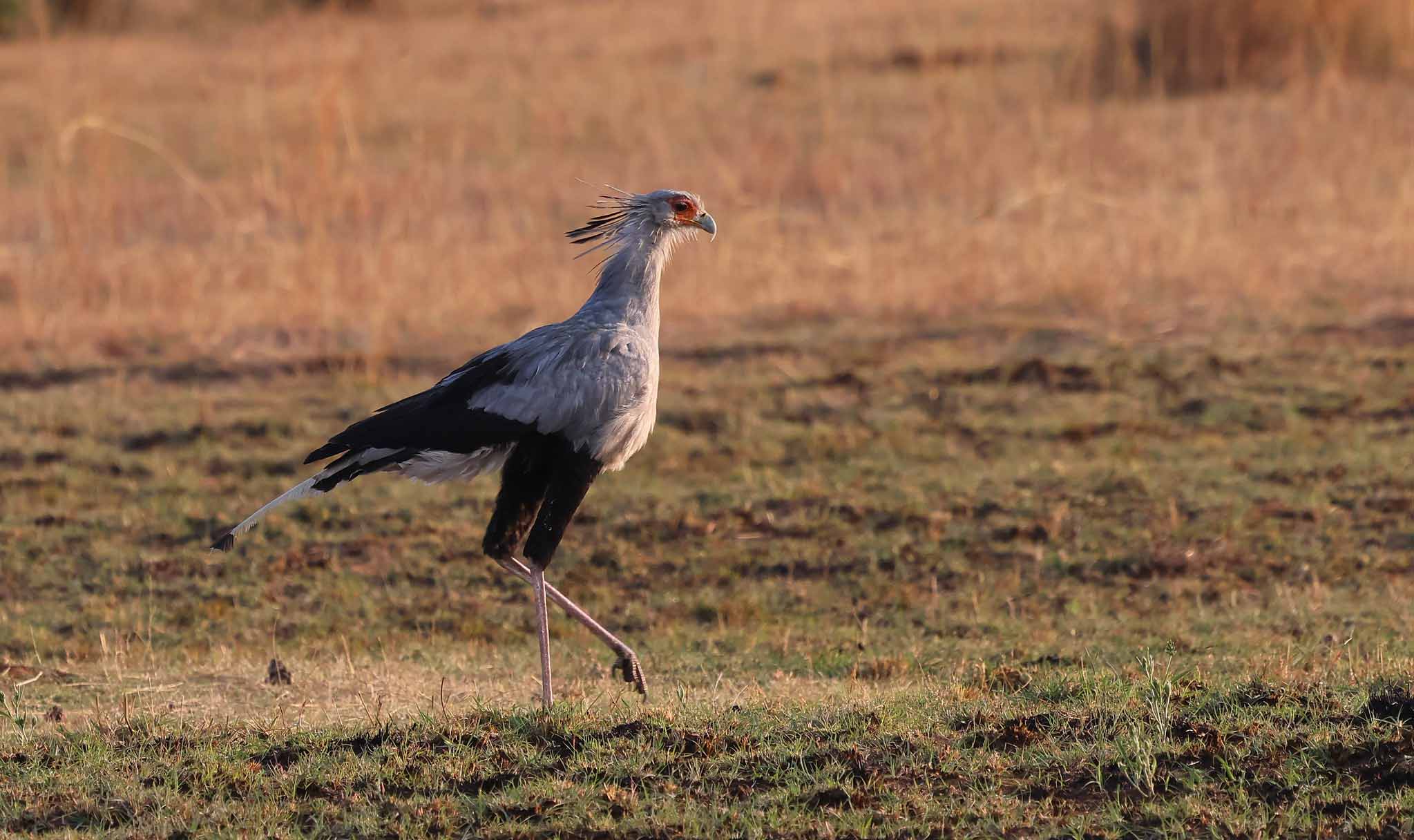
Traditional safaris often lock travelers into rigid lodge schedules, fixed game drive timings, and shared vehicles where fellow tourists may prioritize big cats over a perched Pel’s fishing owl or a striking Secretarybird striding through the tall grass.
Opting for a self-drive expedition in 2027 transforms your safari experience:
- Total Independence: Leave camp at dawn—the peak hour for avian vocalization and activity—without waiting for a group tour.
- Pace Control: Spend an uninterrupted hour observing a lilac-breasted roller displaying its aerial acrobatics or watching comb ducks dabble along the Talek River.
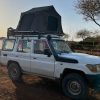
- Cost-Effectiveness: Combining your transport and accommodation into a single 4×4 rooftop tent rental eliminates expensive lodge nightly rates while offering an authentic, immersive wilderness connection.
2. Choosing the Right 4×4 Rental for Maasai Mara Birding
The Maasai Mara terrain is famously rugged. From deep black-cotton soil that turns into treacherous sludge during seasonal rains to rocky tracks and sandy riverbeds, your vehicle is your lifeline. A standard saloon car or crossover SUV will not survive the Mara interior. You need a dedicated, mechanically sound four-wheel-drive vehicle equipped for overland camping.
Recommended Fleet Vehicles
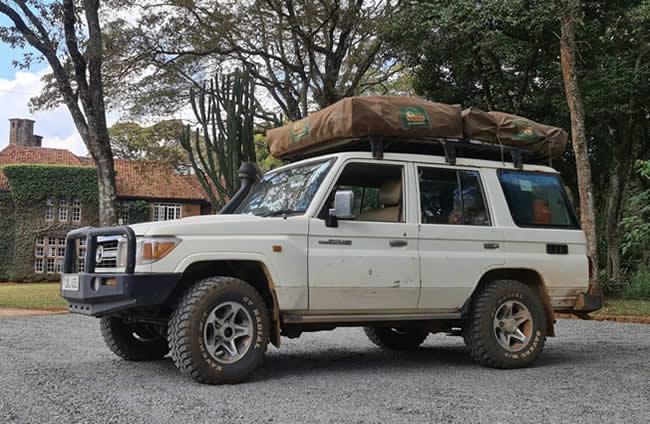
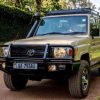
Toyota Land Cruiser 78 Series (Double Cab or Hardtop)
- The Gold Standard: Built on a heavy-duty truck chassis, the Land Cruiser 70 Series is the ultimate overlanding machine in East Africa.
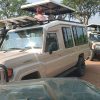
- Why it shines for birding: Its high ground clearance, snorkel for river crossings, robust coil-sprung front suspension, and dual fuel tanks make remote tracks accessible. The vehicle provides an elevated seating position, excellent all-around visibility for scanning tree branches, and sturdy roof rails capable of holding double rooftop tents and heavy gear.
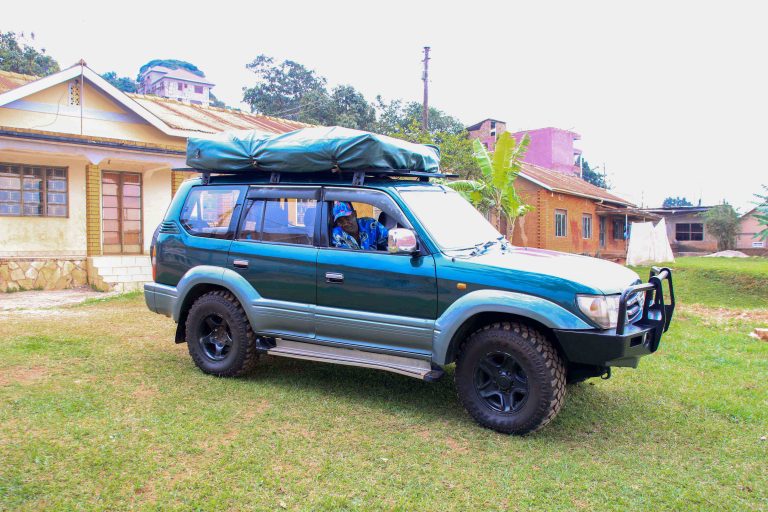
Toyota Land Cruiser Prado (TX/TZ)
- Comfort Meets Capability: If you prefer a smoother ride without sacrificing off-road prowess, the Land Cruiser Prado is an exceptional choice.
- Why it shines for birding: It features permanent 4WD, low-range gearing, and independent front suspension that absorbs washboard corrugations comfortably. It easily accommodates a single rooftop tent and provides a quieter cabin for listening to distant bird calls.
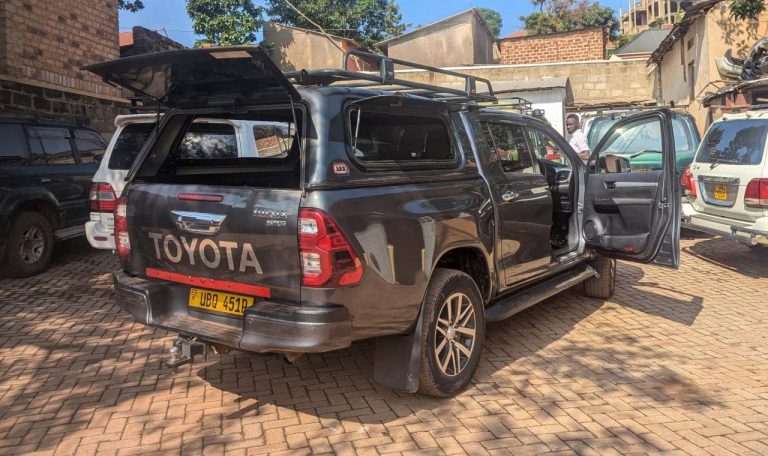
Toyota Hilux Double Cab 4×4
- Rugged Utility: A favorite among self-drive adventurers, the Hilux combines the reliability of Toyota’s legendary diesel engines with a spacious rear load bed.
- Why it shines for birding: The open or canopy-covered load bed provides ample, secure storage for spotting scopes, tripods, telephoto camera lenses, and camping equipment, while the cabin comfortably seats up to four passengers.
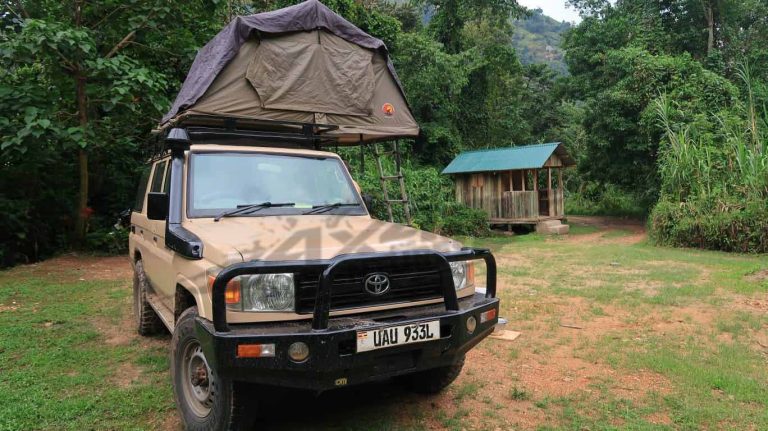
Toyota Land Cruiser LX
- V8 Power & Overlanding Strength: Blending rugged heavy-duty capability with enhanced engine performance, the Land Cruiser LX (often powered by a V8 engine or robust diesel variants) is built for serious off-road terrain.
- Why it shines for birding: Its superior horsepower and torque allow for smooth navigation through muddy tracks and steep ascents near river basins and escarpments. The expansive, elevated cabin offers superb vantage points for spotting birds in high canopies, while its strong chassis easily handles rooftop tents, heavy optical equipment, and long-range expedition setups.
Essential Vehicle Features for Mara Terrains
- All-Terrain (A/T) Tyres: Ensure your rental vehicle comes fitted with heavy-duty A/T tyres with reinforced sidewalls to resist thorn punctures from whistling acacias.
- High Clearance & Snorkel: Cruising through minor tributaries or rain-swollen streams requires adequate wading depth.
- Power Inverters & Dual Batteries: Essential for keeping your camera batteries, drone batteries, binoculars, and smartphones charged while remote camping.
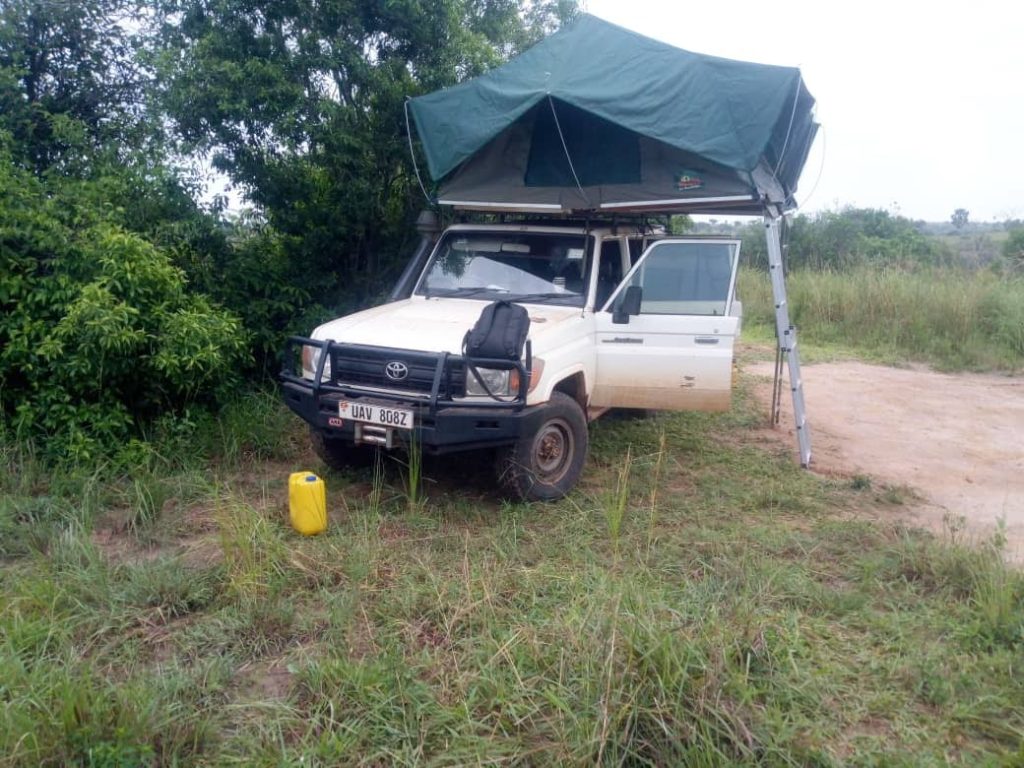
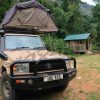
3. Rooftop Tents and Camping: Your Mobile Hideaway
Camping inside or immediately adjacent to the Maasai Mara places you right in the heart of the soundscape. Falling asleep to the distant roar of lions and waking up to the chorus of African mourning doves and Meyer’s parrots is an unmatched travel experience.
Why a Rooftop Tent Outperforms Ground Tents in the Mara
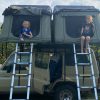
- Safety from Wildlife: Being elevated 2 meters above the ground provides profound peace of mind when camping in unfenced public campsites where hyenas, elephants, and buffalo roam freely at night.
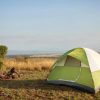
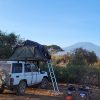
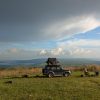
- Speed and Convenience: Quality hard-shell or soft-shell rooftop tents deploy in under two minutes via hydraulic struts or simple folding hinges. When it’s time to chase an early morning bird sighting, packing up is equally fast.
- Built-in Comfort: Most rooftop tents come equipped with high-density foam mattresses, built-in condensation mats, and all-weather canvas shielding that blocks out the harsh equatorial sun and heavy rain showers.
Essential Camping Gear Checklist for 2027
- Optics & Observation Gear: High-grade binoculars (8×42 or 10×42) and a spotting scope with a window mount or tripod.
- Camp Kitchen: Gas cooker, portable fridge/freezer (to keep drinks and fresh food chilled), cutlery, crockery, and a 50-liter jerrycan for clean water.
- Lighting: Headlamps, rechargeable LED lantern, and solar camp lights.
- Apparel: Neutral-toned clothing (khaki, olive, beige) for blending into the environment, sturdy hiking boots, a wide-brimmed hat, and a warm fleece for chilly early morning drives.
- Field Guides: Birds of East Africa by Terry Stevenson and John Fanshawe is the definitive manual every birder must pack.
4. Top Birding Hotspots Across the Maasai Mara Ecosystem
The Mara is divided into multiple ecological niches, each attracting distinct avian species. To maximize your 2027 birding trip, plan your self-drive routes to cover these key habitats:
A. The Mara Riverine Forests
Bordering the Mara and Talek Rivers, dense gallery forests provide sanctuary to forest-dwelling and water-associated species.
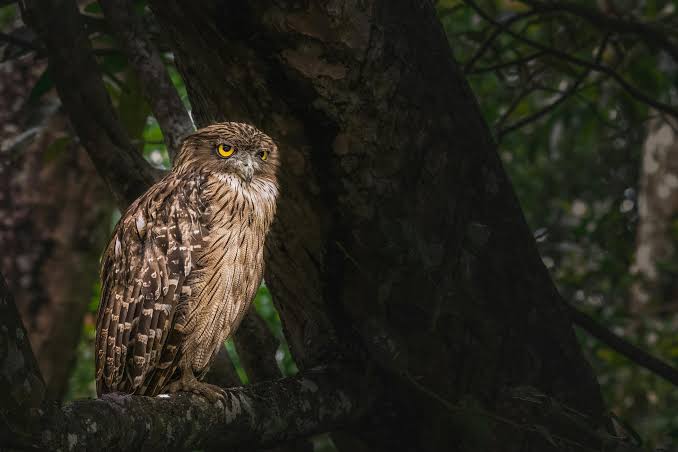
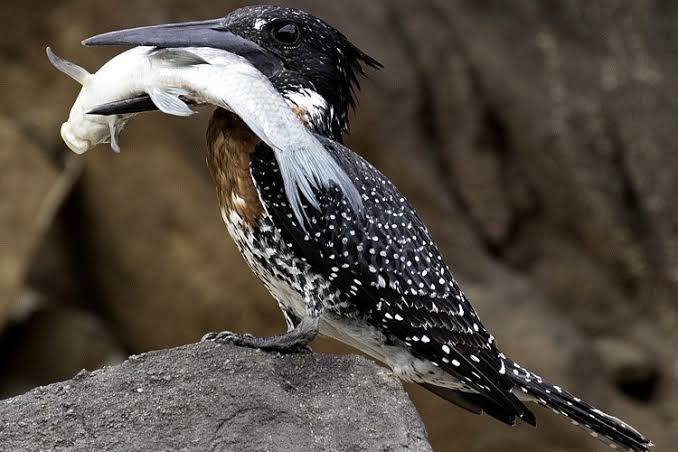
- Target Species: Giant Kingfisher, Malachite Kingfisher, Pel’s Fishing Owl, Schalow’s Turaco, Ross’s Turaco, Narina Trogon, and Helmeted Guineafowl.
- Self-Drive Tip: Park your 4×4 quietly under the canopy near river bends, turn off the engine, and scan the lower branches hanging over the water.
B. The Musiara Swamp and Marsh Areas
Permanent water sources attract massive concentrations of wading birds, storks, and herons.
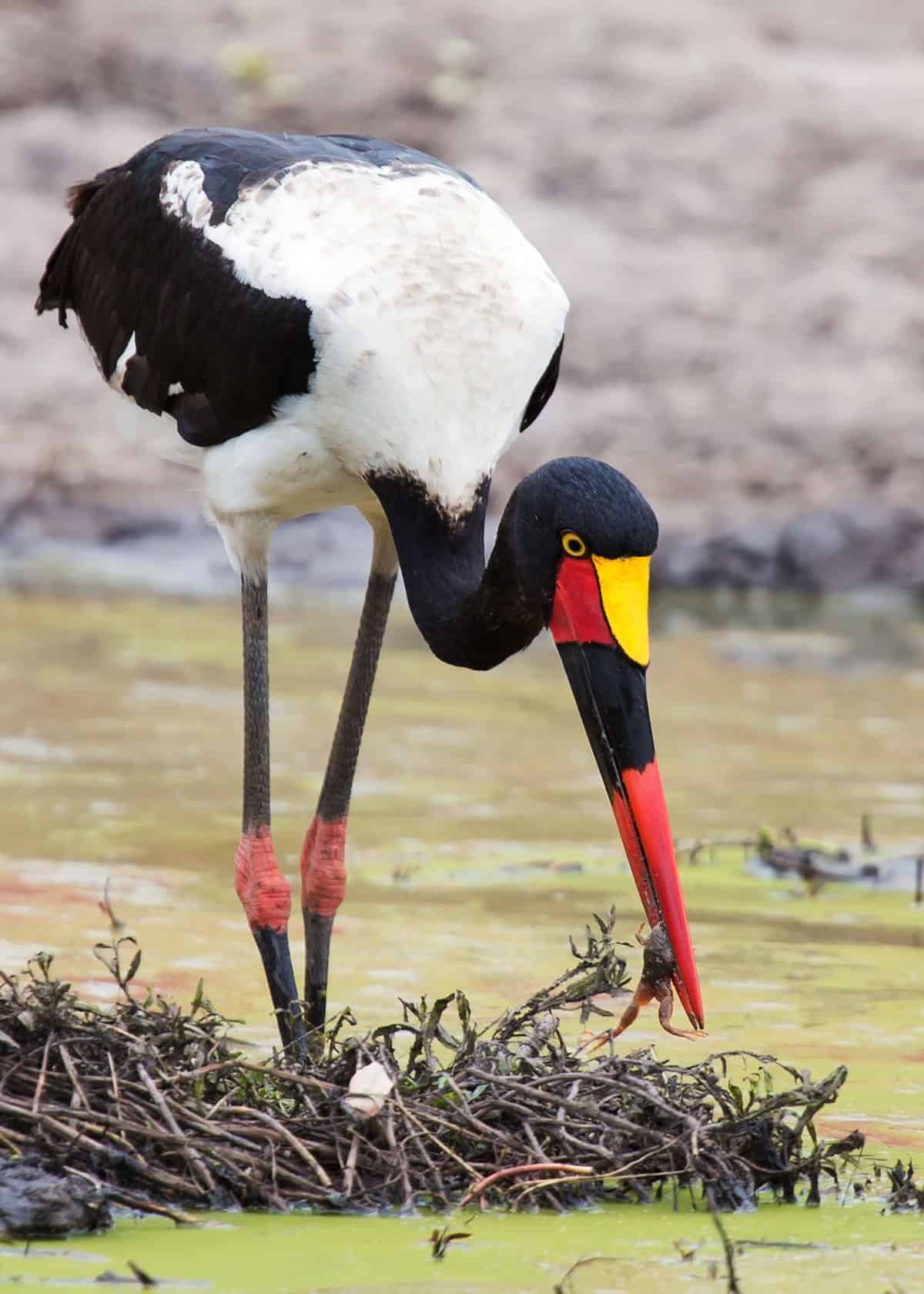
- Target Species: Saddle-billed Stork, Marabou Stork, African Openbill, Goliath Heron, Yellow-billed Stork, Black-bellied Bustard, and Grey Crowned Crane (Kenya’s national bird).
- Self-Drive Tip: Stick to established tracks around the swamps. Black-cotton soil here becomes extremely sticky after brief showers; engage 4WD high before venturing near the edges.
C. The Open Savannah Plains & Grasslands
Vast open areas dotted with whistling thorn acacias are home to terrestrial runners and magnificent raptors.
- Target Species: Secretarybird, Kori Bustard (one of the heaviest flying birds in the world), Common Ostrich, Northern White-crowned Shrike, Superb Starling, and Rufous-naped Lark.
- Self-Drive Tip: Scan termite mounds; they serve as elevated observation platforms for dwarf mongooses, ground-dwelling birds, and small raptors.
D. The Oloololo and Siria Escarpments
The towering western wall of the Great Rift Valley offers dramatic cliffside habitats.
- Target Species: Verreaux’s Eagle, Augur Buzzard, Lappet-faced Vulture, White-headed Vulture, Ruppell’s Griffon Vulture, and Rock Martin.
- Self-Drive Tip: Drive up towards the escarpment rim during mid-morning when thermal updrafts begin, allowing raptors to soar effortlessly at eye level.
5. Seasonal Birding Guide: When to Visit in 2027
While the Maasai Mara is a year-round birding destination, your timing alters the specific species composition and environmental conditions you will encounter.
- November to April (The Green Season / Palaearctic Migration): This is the ultimate peak season for bird watchers. During these months, thousands of migratory birds arrive from Europe and Asia to escape the northern winter. The landscape bursts into lush green, flowers bloom, and many resident bird species are in breeding plumage. Insect life explodes, providing rich feeding grounds.
- July to October (The Dry Season / Wildebeest Migration): Famous for river crossings and predator action, this period is also excellent for raptors. Vultures soar in massive numbers above migrating herds, and dry conditions make driving tracks much easier to navigate, though the savannah is drier and dusty.
6. Practical Self-Drive Tips for Navigating the Mara
Driving independently in a national reserve requires adherence to park rules, conservation ethics, and practical safety protocols:
- Stay on Designated Tracks: Off-road driving damages fragile grasslands, destroys ground-nesting bird habitats (such as those of the Secretarybird and ground hornbills), and can easily bog your vehicle in unseen holes.
- Respect Wildlife Distances: Maintain a respectful distance from elephants, lions, and rhinos. Never block a bird’s access to a water source or disturb nesting sites.
- Park Gate Fees & Smart Cards: Ensure your Kenya Wildlife Service (KWS) or reserve entry fees are pre-loaded or payable via approved digital cashless systems at park gates like Sekenani, Talek, Musiara, or Oloololo.
- Download Offline Maps: Mobile network coverage can be patchy in remote corners of the reserve. Download offline GPS navigation applications (such as Maps.me or Gaia GPS) and carry physical paper maps as backups.
- Secure Camp Discipline: Never leave food or rubbish unattended outside your rooftop tent at night. Baboons, vervet monkeys, and hyenas are notorious for scavenging.
7. Sample 5-Day Self-Drive Birding Itinerary
Structuring a self-drive birding expedition through the Maasai Mara requires a balanced mix of steady terrain navigation, strategic campsite placement, and aligning your driving schedule with peak avian activity hours. Unlike general game drives that focus primarily on tracking big cats, an optimized birding itinerary prioritizes early morning vocalization windows, tranquil midday waterhole observations, and micro-habitat transitions across savannahs, marshes, and riverine forests.
By utilizing a robust 4×4 equipped with a rooftop tent, you eliminate rigid lodge schedules and position yourself directly inside prime avian territories at dusk and dawn. Below is a comprehensive 5-day self-drive birding route designed to start and finish in Nairobi for your 2027 expedition:
- Day 1: Nairobi to Maasai Mara (Sekenani / Talek Sector): Depart Nairobi by 06:00 AM via the scenic Narok highway to beat capital traffic and arrive at the reserve gates by midday. After completing park entry formalities, head directly to your designated campsite to pitch your rooftop tent. Embark on a late afternoon introductory game drive through the eastern acacia woodlands, targeting species like the Superb Starling, Northern White-crowned Shrike, and Lilac-breasted Roller as the temperature cools.
- Day 2: Exploring Musiara Swamps & Mara Riverine Forests: Set off before sunrise for the northern sectors and marshlands. Position your vehicle near the edges of Musiara Swamp to spot wading birds, including Saddle-billed Storks, Grey Crowned Cranes, and Goliath Herons. Transition toward the Mara River canopy during midday to scan for Schalow’s Turacos, Ross’s Turacos, and Giant Kingfishers. Enjoy a picnic lunch using chilled supplies from your 4×4 portable fridge under a shaded acacia tree.
- Day 3: The Transitional Plains & Oloololo Escarpment Ascent: Drive westward across the open grass plains toward the Mara Triangle, scanning the ground for Kori Bustards, Secretarybirds, and Temminck’s Coursers along the way. As you reach the base of the Oloololo Escarpment, observe thermal updrafts catching soaring raptors such as Verreaux’s Eagles, Martial Eagles, and Ruppell’s Griffon Vultures. Camp overnight within the Mara Triangle campsite network.
- Day 4: Deep Savanna Tracks & Riparian Birding: Dedicate the entire day to exploring quiet, lesser-traveled secondary tracks away from minibus tourist routes. Focus on photographing smaller passerines, raptors perched on dead branches, and hidden waterhole activity. In the late afternoon, return to camp, record your daily sightings in your field journal, and listen for the night calls of Verreaux’s Eagle-Owls and Fiery-necked Nightjars around the campfire.
- Day 5: Mara Sunrise Drive & Return to Nairobi: Wake up early to catch the vibrant dawn chorus over the Mara plains. Take a final morning loop toward the exit gate, capturing early light photography of ground hornbills and larks. Pack down your rooftop tent, exit the reserve, and enjoy a smooth return drive back to Nairobi by evening.
Essential Maasai Mara Birding Tips
- Invest in High-Quality Binoculars & Window Mounts: A standard 8x42 or 10x42 pair of waterproof binoculars is essential for quick identification. A beanbag or window clamp for your spotting scope or camera lens allows stable viewing directly from your 4x4 window.
- Master the Dawn & Dusk Windows: Bird activity peaks in the first two hours after sunrise and the final hour before sunset. Plan your driving routes around these times, reserving the hot midday hours for relaxed forest canopy watches or camp rest.
- Use Bird Call Apps Responsibly: Digital field guides like eBird or Roberts Bird Guide help verify calls, but avoid excessive playback of bird calls in the field to prevent disturbing nesting or territorial species.
- Pack Proper Field References: Keep a hard copy of Birds of East Africa by Terry Stevenson and John Fanshawe on your dashboard for quick, reliable cross-referencing in remote areas without cellular coverage.
Summary: Book Your 2027 Expedition Today
A self-drive birding safari in the Maasai Mara combining a rugged 4x4 rental and a fully equipped rooftop tent offers the ultimate freedom and connection to nature. Whether you are adding life list lifers like the Secretarybird, Schalow’s Turaco, or the elusive Pel’s Fishing Owl, preparing your vehicle and camping logistics well in advance ensures a seamless, unforgettable journey through Kenya’s legendary wilderness.
Ready to plan your 2027 Maasai Mara birding adventure? Contact us today to reserve your fully outfitted 4x4 rooftop tent rental and secure your self-drive expedition package!


No responses yet