
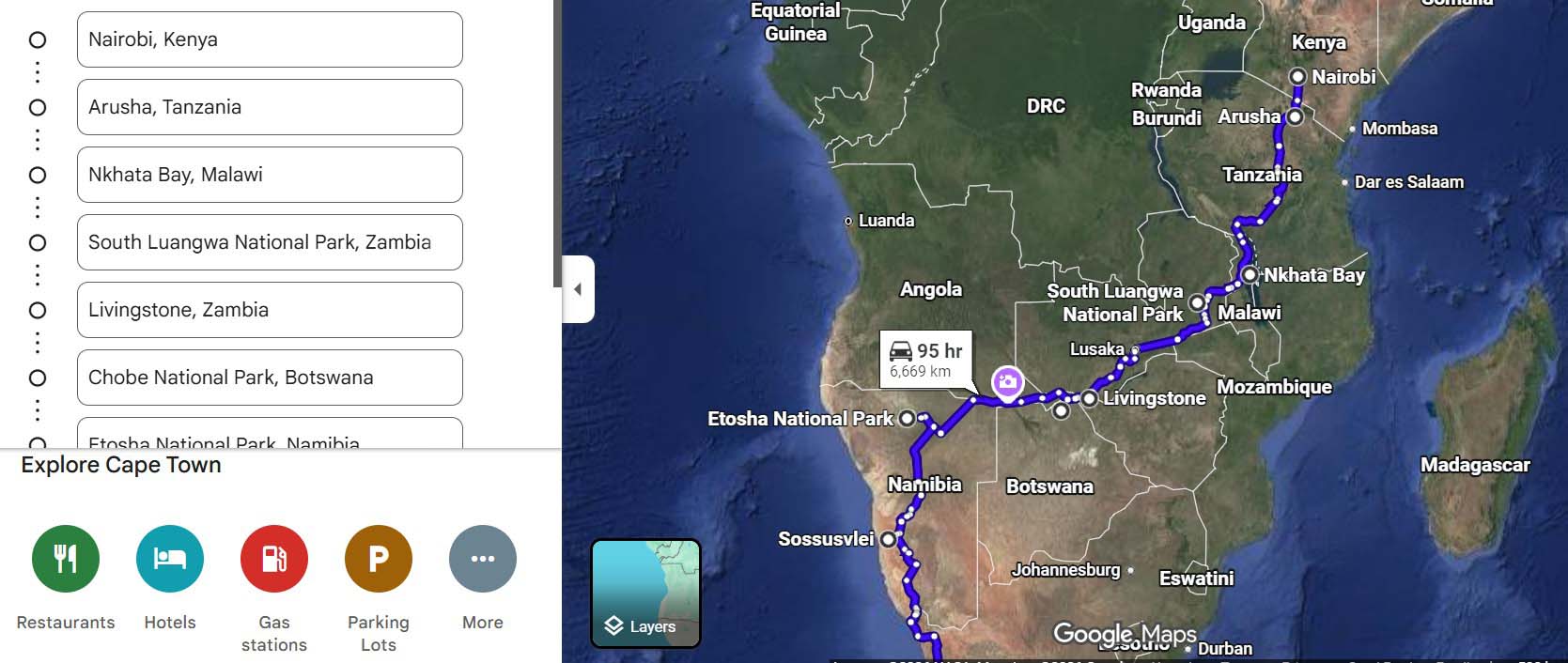
Self-Drive from Nairobi to Cape Town: The Great African Overland Journey
Self-Drive from Nairobi to Cape Town is the ultimate African overland adventure, taking you across the continent from the vibrant highlands of East Africa to the dramatic landscapes of Southern Africa. This epic journey puts you behind the wheel for a once-in-a-lifetime experience, crossing multiple international borders, navigating remote gravel roads, exploring wildlife-rich savannas, and discovering some of the world’s most breathtaking scenery.
Whether you’re an experienced overlander or embarking on your first cross-continental expedition, this comprehensive guide has everything you need to plan your journey with confidence. Inside, you’ll find detailed route planning, practical self-drive and overlanding advice, border-crossing tips, and a day-by-day itinerary designed to help you make the most of an unforgettable road trip from Nairobi to Cape Town.
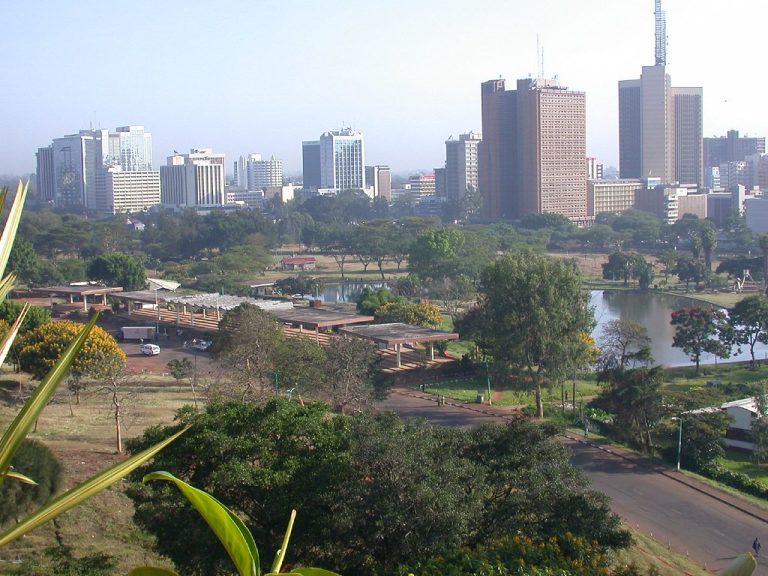
Essential Overlanding Tips: Gear, Accommodations & Logistics
Before turning the ignition in Nairobi, successful overland trips require thoughtful planning, the right vehicle setup, and the right mindset.
1. Rooftop Tents vs. Safari Lodges: The Hybrid Strategy
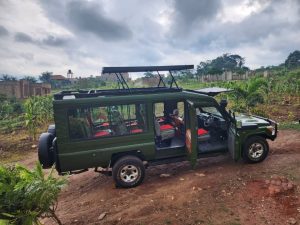
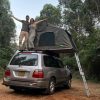
A fully equipped 4×4 with a rooftop tent is the classic, most practical setup for an African self-drive trip. Rooftop tents get you off the ground, set up in minutes, and let you pitch camp under wild African skies—often right on the edge of national parks where wildlife roams free.
However, extended overland trips can be physically demanding. Long drive days, dust, and camping chores accumulate. The key to an incredible trip is mixing rooftop camping with safari lodges:
- Use Rooftop Tents for remote national parks, wild wilderness campsites (like the Okavango Delta or Luangwa Valley), and cost-effective nights along long transit corridors.
- Book Safari Lodges or Boutique Guesthouses every few days to recharge, enjoy hot showers, indulge in fine dining, recharge electronics, and wash clothes. In major hubs like Zanzibar, Victoria Falls, and Cape Town, staying in fixed accommodations keeps logistics smooth.
2. Vehicle Selection & Logistics
- Vehicle Choice: A Toyota Land Cruiser (70 Series or Prado) or Hilux 4×4 equipped with dual fuel tanks, double batteries, a built-in fridge/freezer, high-lift jack, recovery boards, and a reliable rooftop tent set up is the gold standard across Sub-Saharan Africa.
- Cross-Border Paperwork: Ensure your vehicle rental agency provides a comprehensive Carnet de Passages en Douane (CPD) or valid cross-border permits for Kenya, Tanzania, Malawi, Zambia, Botswana, Namibia, and South Africa. You will also need local third-party insurance (e.g., COMESA Yellow Card for East/Southern Africa).
- Navigation & Offline Maps: Download offline mapping tools like Tracks4Africa (essential for tracks, fuel stations, campsites, and border posts) alongside Google Maps. Carry a physical paper road atlas as a backup.
Expedition Overview & Quick Route Summary
Complete Day-by-Day Expedition Itinerary
Phase 1: The East African Rift & Spice Island (Days 1–8)
Day 1: Nairobi to Arusha, Tanzania (Approx. 270 km / 5–6 hours)
Day 2: Arusha to Tarangire National Park (Approx. 150 km / 3 hours)
Days 3–4: Serengeti National Park & Ngorongoro Crater (Approx. 200 km drive + Game Drives)
- Night 3: Rooftop Tent Camping at Dik Dik or Pimbi Campsite (Serengeti).
- Night 4: Safari Lodge on the Ngorongoro Crater rim for warmth and comfort after long dusty drives.
Days 5–8: The Coast & Zanzibar Fly-and-Rest Detour
Phase 2: The Southern Highlands & The Lake of Stars (Days 9–15)
Days 9–10: Ruaha National Park & Iringa (Approx. 500 km total)
- Night 9: Local Guesthouse/Lodge in Iringa.
- Night 10: Rooftop Tent Camping inside Ruaha National Park (Bandas campsite).
Days 11–12: Crossing to Lake Malawi (Nkhata Bay) (Approx. 450 km)
- Original Registration Documents & Logbook
- Carnet de Passages / Temporary Import Permit (TIP)
- Valid Driver's License + International Driving Permit (IDP)
- COMESA Yellow Card Third-Party Insurance
- Letter of Authority from Rental Agency to cross specified borders
Days 13–15: Cape Maclear & Southern Lake Shores (Approx. 380 km)
Phase 3: The Wild Heart of Zambia & Victoria Falls (Days 16–22)
Days 16–18: South Luangwa National Park, Zambia (Approx. 400 km)
- Nights 16–17: Rooftop Tent Camping at Wildlife Camp or Croc Valley right on the riverbank.
- Night 18: Luxury Safari Lodge inside or bordering the park to celebrate midway success.
Days 19–20: The Transit to Lusaka & Great East Road (Approx. 570 km)
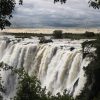
Days 21–22: Livingstone & Victoria Falls (Approx. 480 km)
Phase 4: Delta, Deserts, and Waterways – Botswana & Namibia (Days 23–29)
Days 23–24: Chobe National Park & Kasane, Botswana (Approx. 100 km)
Days 25–26: The Okavango Delta & Maun (Approx. 600 km)
Days 27–29: Crossing Caprivi Strip to Etosha, Namibia (Approx. 850 km over 3 days)
- Night 27: River camp in Caprivi Strip.
- Nights 28–29: Okaukuejo or Halali Camp (Rooftop tent or chalet inside Etosha).
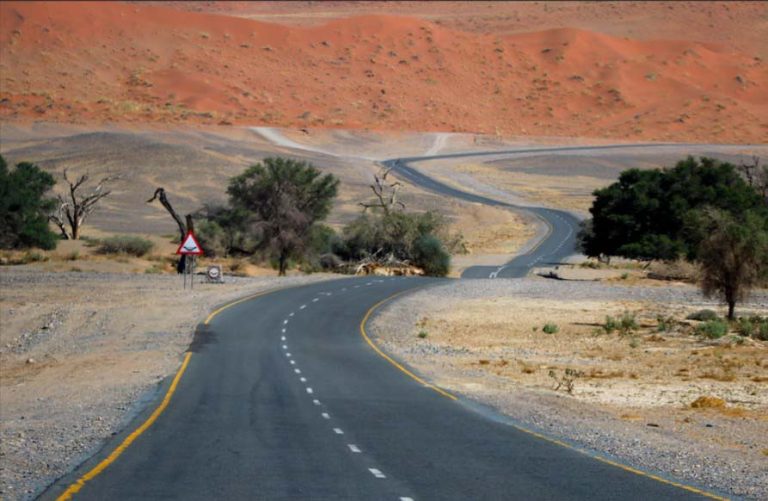
Phase 5: The Namib Desert & Atlantic Finish – Cape Town (Days 30–35)
Days 30–31: Swakopmund & Sossusvlei Sand Dunes (Approx. 750 km over 2 days)
- Night 30: Coastal Guesthouse in Swakopmund.
- Night 31: Rooftop Tent Camping under clear desert stars near Sesriem Gate.
Day 32: Fish River Canyon & Orange River Border (Approx. 550 km)
Days 33–34: South Africa’s West Coast & Cederberg Mountains (Approx. 550 km)
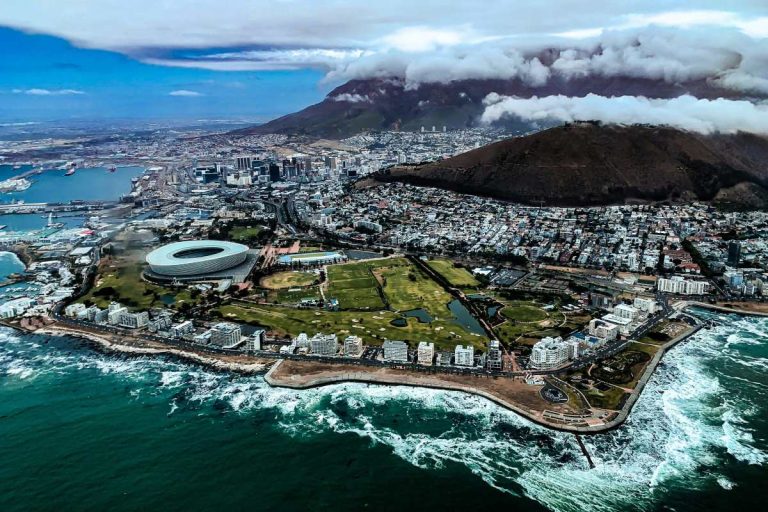
Day 35: Grand Arrival in Cape Town (Approx. 200 km)
Route Summary Table
| Phase | Days | Countries Visited | Primary Highlights | Accommodation Mix |
|---|---|---|---|---|
| Phase 1 | Days 1–8 | Kenya, Tanzania | Serengeti, Ngorongoro, Zanzibar Beaches | 60% Camping / 40% Lodge |
| Phase 2 | Days 9–15 | Tanzania, Malawi | Ruaha Wilderness, Lake Malawi | 50% Camping / 50% Lodge |
| Phase 3 | Days 16–22 | Zambia | South Luangwa, Victoria Falls | 40% Camping / 60% Lodge |
| Phase 4 | Days 23–29 | Botswana, Namibia | Chobe River, Okavango Delta, Etosha Pan | 50% Camping / 50% Lodge |
| Phase 5 | Days 30–35 | Namibia, South Africa | Sossusvlei Dunes, Cederberg, Cape Town | 40% Camping / 60% Lodge |
Essential Overland Packing List
Vehicle & Recovery Gear
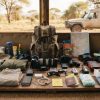
- Dual battery system with 12V fridge/freezer
- Air compressor & tire pressure gauge
- Heavy-duty tow strap & shackles
- Sand tracks / recovery boards
- Basic tool kit, spare fuses, engine oil, and spare air filter
- 2x full-sized spare tires
Camping & Comfort
- High-density foam mattress for rooftop tent
- Sleeping bags rated for colder desert nights (Namib/Kalahari nights can freeze)
- Headlamps and rechargeable camp lantern
- Gas stove with refillable cylinder
- Water purification system or heavy-duty water jerrycans (minimum 20L fresh water capacity)
Final Thoughts
The overland drive from Nairobi to Cape Town is much more than a holiday—it is a true journey across the heart, soul, and diverse ecosystems of Africa. By pairing a well-equipped 4x4 rooftop tent setup with handpicked safari lodges along the way, you strike the perfect balance between raw wilderness adventure and comfortable relaxation.
Pack your sense of adventure, give yourself flexibility at border crossings, keep your camera ready, and prepare for an unforgettable journey across the continent!
Ready to Tackle the Ultimate Expedition?
Embark on your Nairobi to Cape Town journey with a fully equipped, expedition-ready 4x4 built for cross-border African terrain.

No responses yet