
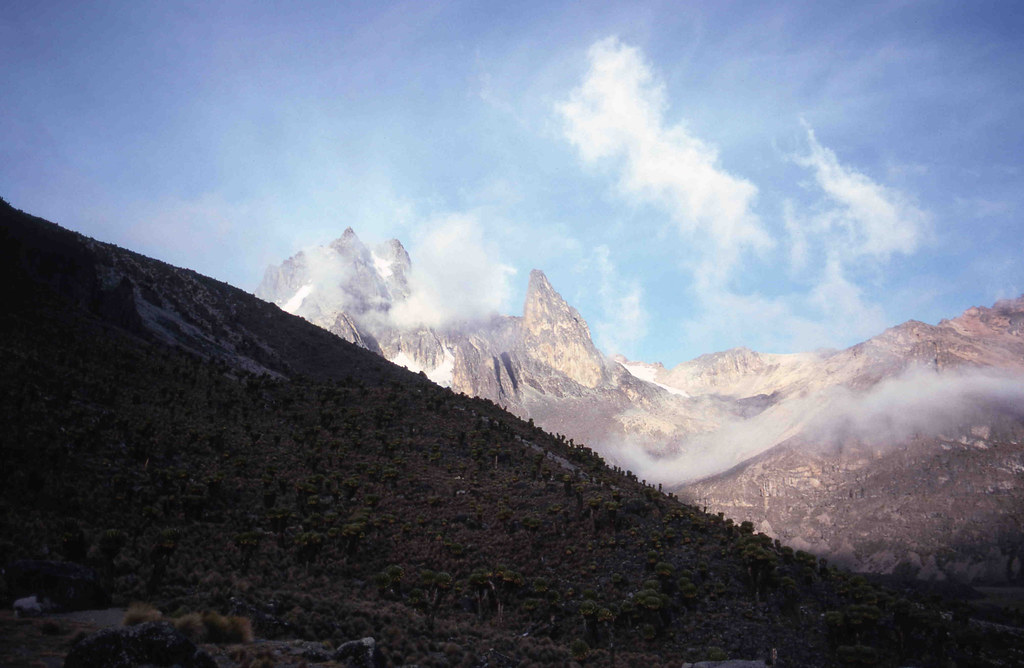
What is Best Time to Visit Mount Kenya Month By Month Guide
Mount Kenya, Africa’s second-highest peak standing at 5,199 meters (17,057 feet), is a world-class destination for high-altitude trekkers, wildlife enthusiasts, and technical rock climbers. Unlike many classic alpine peaks where climbing seasons are dictated by freezing winter blizzards, Mount Kenya sits directly across the equator. This equatorial location creates unique weather patterns defined by microclimates, wet and dry seasons, and changing wind currents rather than traditional winter-summer cycles.
Whether your target is reaching Point Lenana (4,985 m) as a trekker or scaling the technical rock routes of Batian (5,199 m) and Nelion (5,188 m), timing your visit correctly is critical for safety, trail clarity, and summit success.
This detailed month-by-month guide breaks down weather conditions, trail difficulties, summit success rates, and optimal routes for every month of the year.
Mount Kenya Climate Overview: Two Dry Windows & Two Rainy Seasons
Understanding Mount Kenya’s atmospheric patterns comes down to identifying its two primary dry seasons and two rainy periods:
- Primary Dry Season (July to October): The longest and most reliable dry window. It features stable weather, clear morning skies, and optimum rock conditions for both trekking and technical rock climbing.
- Secondary Dry Window (January to February): Warm, clear days and crisp, cold nights. Extremely popular for Point Lenana hikes and technical ascents on the South Face.
- The Long Rains (“Masika”, March to May): Characterized by prolonged, heavy rainfall, dense clouds, muddy trails, and difficult navigation.
- The Short Rains (“Vuli”, November to December): Brings periodic afternoon showers and unpredictable cloud cover, though morning windows can occasionally remain clear.
Monthly Season Snapshot
| Month | Season Type | Trail / Rock Condition | Recommended For |
|---|---|---|---|
| January | Primary Short Dry | Dry trails, clear mornings | Point Lenana, South Face climbing |
| February | Peak Dry Season | Dry, warm, high visibility | All trekking routes, photography |
| March | Transition / Long Rains | Wetting trails, cloud buildup | Experienced hikers (early month) |
| April | Peak Long Rains | Heavy rain, impassable mud | Lower forest walks (Avoid summit) |
| May | Long Rains | Saturated soil, high cloudiness | Low-altitude nature walks |
| June | Transition Window | Drying trails, variable clouds | Budget travelers, quiet routes |
| July | Peak Main Dry | Firm trails, cool weather | Point Lenana, North Face climbing |
| August | Peak Main Dry | Stable, high trail traffic | Trekking groups, high success rate |
| September | Late Main Dry | Excellent dry rock, fewer crowds | Technical rock climbers, photography |
| October | Late Dry / Early Rains | Dry rock, late-month showers | Technical climbs (early/mid-month) |
| November | Short Rains | Unpredictable afternoon showers | Solitude seekers, lush photography |
| December | Short Rains to Dry | Improving conditions late-month | Year-end holiday treks |
Detailed Month-by-Month Guide to Mount Kenya
1. January — First Dry Window (Warm & Clear)
January opens one of the finest windows for climbing Mount Kenya. Following the short rains of late November and December, the mountain clears up to offer brilliant sunshine, comfortable daytime temperatures, and excellent visibility across the peaks.
Warm, dry, and mild during the day with daytime temperatures in lower zones reaching up to 20°C–25°C. Cold, crisp night temperatures at high camps (often dropping below 0°C).
Trails across Sirimon, Naro Moru, and Chogoria are dry and easy to navigate.
Sun placement makes the South Face of Nelion the preferred choice for technical rock climbers during January.
Moderate to high.
2. February — Peak Dry Season (Warmest Days)
February is widely considered one of the absolute best months to climb Mount Kenya. Precipitation is at its lowest annual levels, trails are in prime condition, and panoramic views from Point Lenana stretch all the way to Mount Kilimanjaro on clear mornings.
Exceptionally stable weather. Clear blue skies from dawn through early afternoon.
Flawless. The famous "Vertical Bog" on the Naro Moru route is as dry as it ever gets, making ascension considerably faster and cleaner.
Outstanding conditions for wildlife sightings in the montane forest and bamboo zones, including colobus monkeys, elephants, and cape buffaloes near lower campsites.
High. Advance booking for mountain huts (such as Shipton’s Camp and Mackinder’s Camp) is essential.
3. March — Transitional Month (Early Dry, Late Rains)
March is a transitional period. The first two weeks generally mirror February with dry, sunny mornings. However, by mid-to-late March, the East African "Long Rains" begin to build, bringing cloud cover and afternoon showers.
Mild early in the month, turning cloudier and more humid as April approaches.
Good in early March. By late March, trails become slippery and wet, requiring sturdy waterproof gaiters and boots.
If planning a March climb, schedule your summit bid during the first ten days of the month.
Moderate, dropping quickly toward the end of the month.
4. April — Peak Long Rains (Avoid High Peaks)
April brings the height of the long rain season. Heavy downpours hit the mountain daily, especially on the windward eastern and southern slopes. High-altitude camps experience thick mist, hail, and occasional heavy snowfall near the summit rim.
High precipitation, cold dampness, and near-constant cloud cover restricting visibility.
Very difficult. The Naro Moru Vertical Bog becomes a deep mud trap. Stream crossings swell significantly, and rock surfaces become slick and dangerous.
Not recommended for summit attempts on Point Lenana, Batian, or Nelion. Suitable only for low-altitude rainforest treks and bird watching for experienced, self-sufficient hikers.
Very low.
5. May — Heavy Rain Season (Saturated Trails)
May remains deeply within the long rain cycle. Saturated soils mean trails stay wet even on days with lower rainfall. Clouds typically cloak the peaks by 9:00 AM, obscuring the dramatic landscape.
Cold, damp, and misty with frequent rainstorms.
Poor. High risk of hypothermia for under-prepared trekkers due to constant moisture and wind chill.
Lower altitude vegetation and wildflowers are at their absolute greenest, making forest walks vibrant for plant lovers.
Minimal.
6. June — Transitional Clearing (Emerging Season)
June is a shoulder month. The heavy long rains dissipate, and the atmosphere begins to dry out. While early June can still bring lingering overcast skies and occasional rain, late June marks the opening of the primary summer climbing season.
Cool and overcast early in the month, clearing into crisp, stable days by late June.
Improving steadily week by week. Sirimon route dries out fastest due to its location on the drier northern side of the mountain.
Great month for trekkers looking to avoid peak July–August crowds while still enjoying reasonable weather.
Low to Moderate.
7. July — Main Dry Season (Peak Trekking Season Opens)
July launches Mount Kenya’s main dry season. Cool, clear, and stable weather patterns take hold across the entire massif. Mornings are almost universally crisp and bright, offering breathtaking vistas over the gorges and tarns.
Crisp and cool. Daytime temperatures are pleasant for hiking, while night temperatures at high camps regularly drop below freezing (0°C to -5°C).
Excellent. Trails are firm and dry.
The North Face Standard Route on Batian comes into prime condition as sun patterns shift northward.
High. Trekkers from around the world arrive in numbers.
8. August — Main Dry Season (Highest Summit Success Rate)
August is peak trekking season on Mount Kenya. Dry trails, predictable weather, and clear summit mornings give August one of the highest overall summit success rates for Point Lenana.
Dry, clear, and windy along high ridges. Cold summit pushes requiring full windproof and thermal layers.
Outstanding. All major routes (Sirimon, Chogoria, Naro Moru, Burguret) are fully open and accessible.
Crystal-clear atmospheric clarity provides stunning opportunities for alpine photography, particularly around Lake Michaelson and the Gorges Valley on Chogoria.
Very High. Early reservation of guides, porters, and mountain huts is essential.
9. September — Late Dry Season (Climbers' Favorite)
Many experienced guides regard September as the premier month for visiting Mount Kenya. It maintains the exceptional dry weather of July and August but sees a noticeable reduction in tourist numbers as European summer holidays conclude.
Stable, dry, and warm during the day. Excellent rock temperatures on high technical routes.
Prime, dry, and highly manageable across all elevations.
September is arguably the best single month for climbing Batian via the North Face due to dry rock and minimal lingering ice in key gullies.
Moderate.
10. October — Late Dry Season (Warm & Quiet)
October delivers ideal weather during its first three weeks. Conditions remain largely dry, and temperatures are slightly warmer than in July or August. Late October sees a gradual transition as the short rains begin to take shape.
Warm, dry days early in the month. Increasing cloudiness and occasional short showers late in the afternoon by late October.
Excellent early to mid-month. Trails remain clean and solid.
Moderate to Low. Ideal for hikers looking for peaceful trails.
11. November — Short Rains (Lush Landscapes)
November marks the arrival of the "Short Rains". Unlike the prolonged downpours of April and May, November rainfall often arrives in quick, intense afternoon bursts, frequently leaving clear weather windows during the early morning hours.
Cool and humid with frequent afternoon rain. Misty mornings that clear temporarily before clouds build around noon.
Slippery in sections. The Sirimon route remains the safest and most reliable choice due to superior drainage on the northern slopes.
Ideal month for low-crowd trekking, dramatic clouds for landscape photography, and lush green scenery.
Low.
12. December — Short Rains Transition to Dry Window
December starts with occasional short rains, but weather conditions improve steadily as the month progresses toward the year-end holidays. By late December, the mountain transitions back into its warm, dry window.
Early December sees moderate rain; late December brings clear mornings and dry conditions ideal for holiday climbs.
Moderate early month, turning very good by Christmas and New Year.
As December progresses, sun angles begin shifting back toward the South Face of Nelion.
Low in early December, soaring to High between December 20th and January 5th.
Mount Kenya Weather & Route Guide
Route-Specific Weather Recommendations
Choosing the best time to visit Mount Kenya also depends on the route you choose, as different sides of the mountain experience varying microclimates:
- Best Months: Year-round, but exceptional from January to March and July to October.
- Why: Positioned on the dry leeward side of the mountain. It receives significantly less rainfall, making it the safest route during shoulder months like June or November.
- Best Months: January to February and July to September.
- Why: Widely regarded as the most scenic route on Mount Kenya. However, its lush bamboo forests and tarn valleys can become boggy during rainy months.
- Best Months: January, February, August, and September.
- Why: The quickest route to Point Lenana. However, it passes directly through the infamous "Vertical Bog" section, which is extremely difficult to cross during rainy seasons (April–May).
Technical Climbing Seasons: Batian vs. Nelion
For technical rock climbers targeting the true summit peaks of Batian (5,199 m) or Nelion (5,188 m), timing is controlled by the position of the sun and wind direction:
- North Face Standard Route (Batian): Best from July to October. During these months, the northern faces receive direct sunlight, keeping the rock warm and free of ice.
- South Ridge Route (Nelion): Best from December to March. The sun strikes the southern face, creating clean, dry conditions on the technical rock pitches.
Essential Packing & Planning Tips by Season
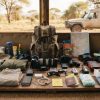
- Layering System: Thermal base layers, fleece mid-layer, heavy down jacket for freezing summit mornings (-10°C wind chill).
- Sun Protection: High UV rating at high altitude requires SPF 50+ sunscreen, lip balm, and Category 3 or 4 UV sunglasses.
- Footwear: Broken-in waterproof trekking boots with good ankle support.
- Gore-Tex / Outer Shell: Heavy-duty waterproof jacket and rain trousers (minimum 15,000 mm rating).
- Dry Bags: Heavy-duty dry sacks inside your duffel bag to keep sleeping bags and dry clothing 100% dry.
- Gaiters & Poles: High waterproof gaiters to prevent mud entering boots and trekking poles for stability on slippery slopes.
Final Verdict: When Should You Visit Mount Kenya?
- For the Absolute Best Weather: Plan your trip during February or August.
- For Great Weather with Fewer Crowds: Book for September or late January.
- For Technical Rock Climbing: Choose July to September (Batian North Face) or January to February (Nelion South Ridge).
- For Budget & Solitude: Target June or late November using the Sirimon route.









No responses yet