
Best Time to Visit Masai Mara: A Month-by-Month Safari Guide
The Masai Mara National Reserve in southwestern Kenya stands undisputed as one of Africa’s premier wildlife sanctuaries. Spanning over 1,500 square kilometers of golden grasslands, riverine forests, and acacia-dotted plains, the Mara offers a wilderness experience unlike anywhere else on Earth. It is home to the world-famous Great Wildebeest Migration, the highest concentration of big cats in East Africa, and the iconic Big Five—lion, leopard, elephant, buffalo, and rhinoceros.
However, one of the most frequent questions travelers ask when planning an East African overland expedition is: “When is the best time to visit the Masai Mara?”
The short answer? The Masai Mara is a year-round safari destination. Because of its abundant resident wildlife, permanent water sources like the Mara and Talek Rivers, and rich savannah ecosystems, you are guaranteed extraordinary game viewing regardless of when you travel.
However, what you experience changes dramatically from month to month:
- If your dream is to witness hundreds of thousands of wildebeest leaping across crocodile-infested rivers, the dry season from July to October is unbeatable.
- If you want to see predator-prey action with newborn calves, dramatic skies, and fewer tourist vehicles, the short dry season in January and February is paradise.
- If you are a photographer seeking vibrant green landscapes, migratory birdlife, and discounted luxury accommodations, the green season from March to May offers incredible value.
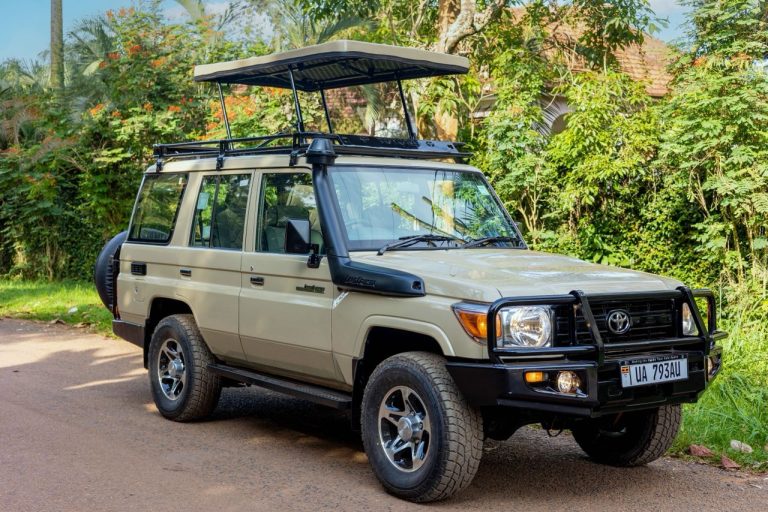
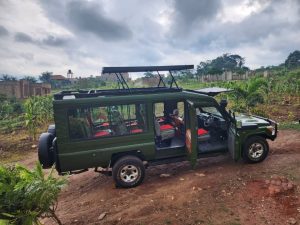
At 4×4 Kenya, we specialize in providing rugged, expedition-ready 4×4 safari vehicles—including Toyota Land Cruisers and Toyota Hilux double cabs fitted with single, double, or family rooftop tents. Whether you are driving a self-drive 4×4 basecamp across East Africa or traveling with a professional driver-guide, understanding the month-by-month rhythm of the Mara will help you plan the trip of a lifetime.
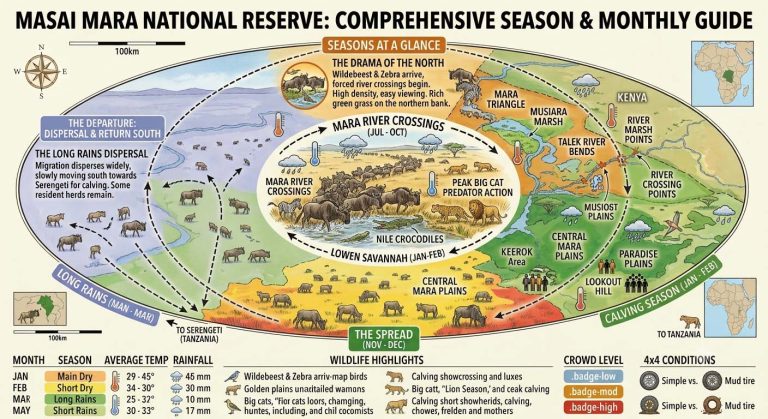
Masai Mara Seasons at a Glance
Before diving into the detailed month-by-month breakdown, it helps to understand how the year is split into four primary climatic and safari seasons across the Masai Mara ecosystem:
1. The Main Dry Season
July to October: Peak safari season. The vegetation thins, waterholes dry up, and over 1.5 million wildebeest, zebras, and gazelles flood the plains from the Serengeti. Expect clear blue skies, excellent wildlife visibility, and high visitor numbers.
2. The Short Dry Season
January to February: A dry spell between the short and long rains. Known as "Lion Season," this period features warm weather, newborn ungulate births, high predator activity, and lower crowd levels than the peak migration months.
3. The Long Rains / Green Season
March to May: The wettest period of the year. Heavy afternoon downpours turn the savannah lush and green. While some dirt tracks require low-range 4x4 driving skills, this season rewards travelers with low lodge rates, zero crowds, and spectacular photography conditions.
4. The Short Rains / Transitional Season
November to December: Brief, predictable afternoon showers refresh the land. Migratory birds arrive from Europe and Asia, baby animals abound, and the festive season brings a lively atmosphere to the reserve.
Masai Mara Month-by-Month Comparison Table
| Month | Season | Average Temp | Rainfall | Wildlife Highlights | Crowd Level | 4x4 Driving Conditions |
|---|---|---|---|---|---|---|
| January | Short Dry | 28°C / 14°C (82°F / 57°F) | Low (83 mm) | Calving season begins; high big cat predator action | Moderate | Excellent; dry, firm dirt tracks |
| February | Short Dry | 28°C / 15°C (82°F / 59°F) | Low (94 mm) | Peak calving; incredible lion & cheetah sightings | Moderate | Excellent; fast, open plains driving |
| March | Long Rains Begin | 27°C / 15°C (81°F / 59°F) | Moderate (122 mm) | Lush scenery; migratory birds; resident Big Five | Low | Good early month; slippery mid-to-late month |
| April | Long Rains Peak | 26°C / 14°C (79°F / 57°F) | High (166 mm) | Emerald landscapes; newborn wildlife; quiet tracks | Very Low | Challenging; low-range 4x4 required |
| May | Late Long Rains | 26°C / 14°C (79°F / 57°F) | Moderate (106 mm) | Wildflowers; great birding; budget-friendly safari | Very Low | Improving; some black cotton mud spots |
| June | Early Dry Season | 25°C / 13°C (77°F / 55°F) | Low (56 mm) | Vegetation thins; early migration herds arrive | Moderate | Great; firm, drying tracks |
| July | Peak Dry Season | 25°C / 12°C (77°F / 54°F) | Very Low (29 mm) | Great Migration arrives; dramatic Mara River crossings | High | Excellent; dusty, easy navigation |
| August | Peak Migration | 25°C / 12°C (77°F / 54°F) | Very Low (48 mm) | Peak river crossings; heavy big cat hunting drama | Very High | Excellent; dry corrugated gravel roads |
| September | Late Migration | 26°C / 13°C (79°F / 55°F) | Low (54 mm) | Dense herd concentrations; optimal predator tracking | High | Excellent; dusty, short grass visibility |
| October | End of Dry Season | 27°C / 14°C (81°F / 57°F) | Low-Moderate (59 mm) | Herds prepare to head south; golden sunsets | Moderate | Excellent; brief late afternoon showers |
| November | Short Rains | 27°C / 13°C (81°F / 55°F) | Moderate (106 mm) | Migratory bird arrivals; lush grass returns | Low | Fair; short afternoon downpours |
| December | Festive / Short Rains | 27°C / 13°C (81°F / 55°F) | Moderate (104 mm) | Newborn antelopes; festive holiday bush atmosphere | Moderate-High | Good; clear mornings, wet afternoons |
Detailed Month-by-Month Safari Guide
January: The Warm Start & Lion Season
January inaugurates the short dry season in the Masai Mara. Daytime temperatures average a pleasant 28°C (82°F), while crisp, cool mornings around 14°C (57°F) make early morning game drives crisp and refreshing. Rainfall is low, consisting mostly of brief, localized afternoon showers that do not disrupt safari plans.
Wildlife Experience & Highlights
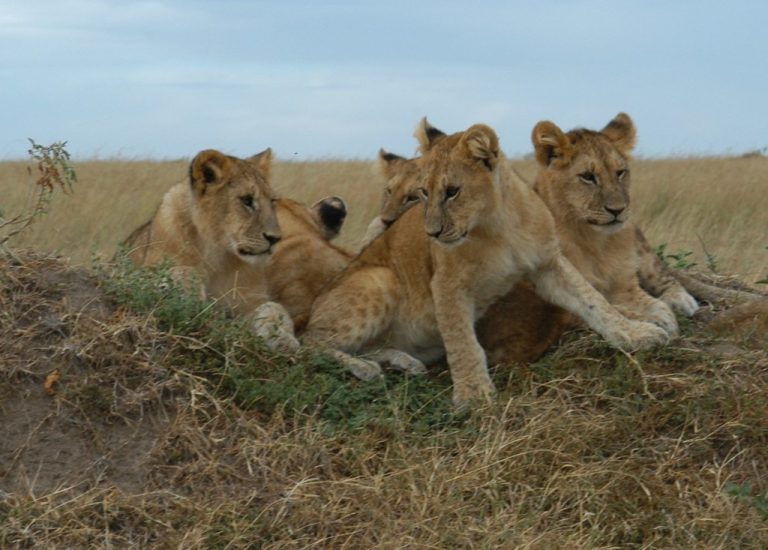
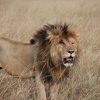
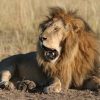
January is widely recognized by safari insiders as the start of “Lion Season.” Because the short rains of November and December have nourished the grass, resident herbivore populations—such as impalas, Thomson’s gazelles, topis, and elands—begin giving birth to their young. This influx of vulnerable newborn calves creates an irresistible magnet for the Mara’s resident predators. Lions, cheetahs, leopards, and spotted hyenas are exceptionally active during January, giving self-drive travelers front-row seats to dramatic hunting action.
Why Visit in January?
- Low to Moderate Crowds: January falls between the busy Christmas festive period and the peak Great Migration season. You will enjoy peaceful game drives with significantly fewer safari vehicles around sightings.
- Excellent Driving Conditions: Dirt tracks throughout the reserve and surrounding conservancies (such as Mara Naboisho and Olare Motorogi) are dry, firm, and easily navigable in a 4×4.
- Birdwatching Influx: Thousands of migratory bird species from Europe and Palearctic regions inhabit the Mara’s wetlands and riverine forests.
February: Peak Calving & Photographer’s Dream
February is the driest and warmest month of the short dry spell. Daytime temperatures reach 28°C–30°C (82°F–86°F), creating sun-drenched savannah vistas beneath clear blue skies. Dust levels remain low compared to August and September, making February one of the most aesthetically pleasing months for wildlife photography.
Wildlife Experience & Highlights
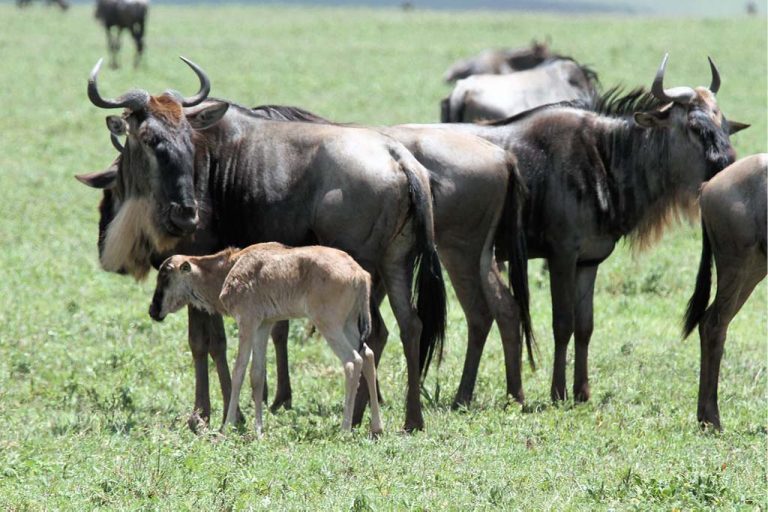
The synchronized calving season reaches its zenith in February across the Serengeti-Mara ecosystem. Hundreds of baby wildebeest, zebras, and antelopes are born daily. Within minutes of birth, these calves are up on their feet, testing their legs alongside their mothers. However, big cats are constantly on the prowl. Cheetahs take full advantage of the short grass to showcase their high-speed sprints, while lion prides lounge atop granite kopjes scanning the horizon for grazing herds.
Why Visit in February?
- Unmatched Big Cat Sightings: If seeing lions, leopards, and cheetahs in action is atop your bucket list, February is one of the best months of the year.
- Crystal-Clear Skies: Minimal rainfall and clean, dust-free air provide ideal lighting conditions for telephoto lens wildlife photography.
- Rooftop Tent Camping: Warm, clear nights make February a fantastic month for rooftop tent overlanding at public or private bush campsites.
March: Transition to the Emerald Green Season
March represents a tale of two halves. The first half of the month typically continues the warm, dry conditions of February. From mid-March onward, the atmospheric pressure shifts, signaling the arrival of the “long rains.” Afternoon clouds gather over the Rift Valley, bringing refreshing thunderstorms that revive the land.
Wildlife Experience & Highlights
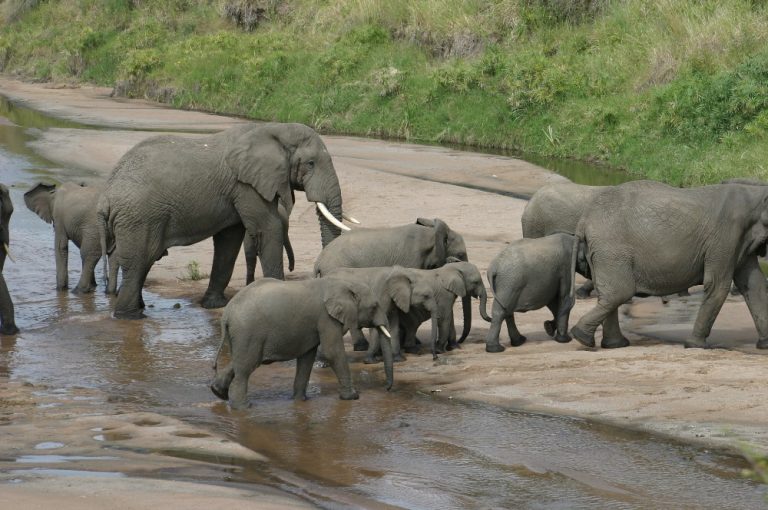
As the rains begin, the dusty brown plains transform into a carpet of brilliant emerald green. Resident wildlife—including massive elephant herds, buffalos, giraffes, and resident big cats—remains abundant. Because the Mara River and Talek River levels begin to rise, elephants can frequently be seen bathing, playing, and mud-rolling along riverbanks.
Why Visit in March?
- Unbeatable Value: Lodges, tented camps, and vehicle rental providers begin transitioning to low-season rates mid-month, making a luxury or self-drive safari far more affordable.
- Lush Landscapes: Photographers who prefer vibrant green grass, dramatic storm clouds, and rich color contrast will love March.
- Quiet Park Trails: Tourist numbers drop noticeably, allowing for intimate, unhurried wildlife encounters.
April: The Heart of the Long Rains & Pure Solitude
April is the wettest month of the year in the Masai Mara, receiving an average of 166 mm of rainfall. Downpours generally occur in heavy, dramatic bursts during the late afternoon and evening, leaving mornings relatively clear and bright for early game drives. Temperatures remain mild at 26°C (79°F).
Wildlife Experience & Highlights
Do not let the rain scare you away—the wildlife does not disappear when it rains! In fact, April offers some of the most serene safari experiences imaginable. Resident big cat prides adapt to the weather by resting on elevated rocky outcrops or well-drained ridges. Large herds of giraffes, topis, and waterbucks roam through tall grasses, while riverbanks burst with vibrant bird life.
Why Visit in April?
- Absolute Solitude: You can drive for hours across the Mara without seeing another vehicle. Having a major predator sighting completely to yourself is common in April.
- Lowest Safari Rates: Accommodation prices hit rock-bottom during April. Luxury camps that command premium prices during peak season offer massive discounts.
- Authentic 4×4 Off-Roading: For true overlanders who enjoy technical 4×4 driving, April provides a rewarding challenge. Navigating sticky black cotton mud requires a high-clearance 4×4 Land Cruiser or Hilux equipped with low-range transfer cases and mud-terrain tires.
May: Late Rains, Wildflowers & Peaceful Savannahs
May marks the tail end of the long rainy season. Rain showers become less frequent and more predictable, usually tapering off by late May. The savannah is at its most beautiful—draped in tall green grass, blooming wildflowers, and clear, dust-free air.
Wildlife Experience & Highlights
Herbivores thrive on the nutrient-dense grass. Large elephant family units with baby calves move gracefully through yellow fever tree forests near Musiara Swamp. Birdwatching reaches its annual peak as resident species display colorful breeding plumage alongside late-departing migratory birds.
Why Visit in May?
- The Calm Before the Storm: May is the last quiet month before the massive crowds of the Great Migration arrive in July.
- Stunning Wilderness Aesthetics: The combination of lush greenery, flowing rivers, and dramatic cloud formations provides a gorgeous backdrop for landscape and wildlife photography.
- Budget-Friendly Overlanding: You can secure low-season park rates and discounted vehicle rentals before peak-season pricing takes effect in June.
June: The Awakening & Early Migration Herds
June signals the start of the main dry season. The rains cease, game drive tracks firm up rapidly, and the sun shines brightly against cool morning temperatures of 13°C (55°F). As the soil dries, the tall grass thins out, drastically improving wildlife visibility across the open plains.
Wildlife Experience & Highlights
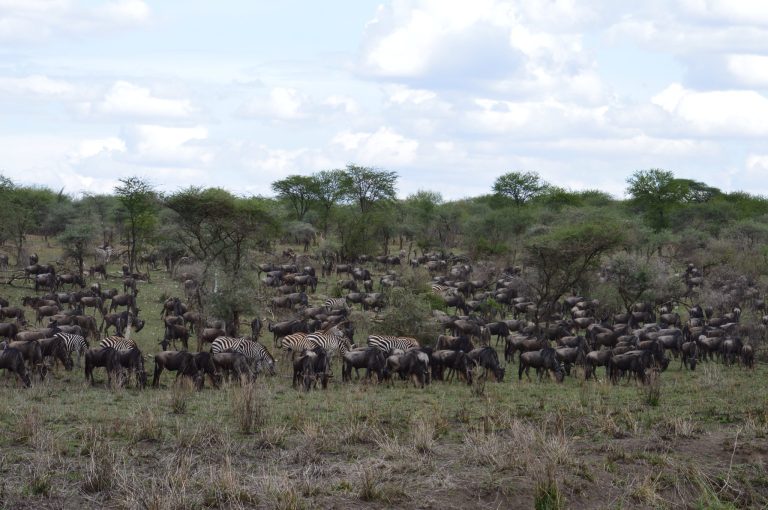
June is an exciting transitional month. Resident wildlife viewing is superb as animals begin congregating around permanent water sources like the Mara and Talek Rivers. Toward mid-to-late June, the pioneer herds of the Great Wildebeest Migration begin arriving in the southern reaches of the Mara ecosystem from the Serengeti, signaling the start of East Africa’s greatest natural show.
Why Visit in June?
- Ideal Weather Conditions: Mild daytime temperatures (25°C / 77°F), minimal rain, and low humidity make June one of the most comfortable months for full-day game drives.
- Fewer Crowds Than July/August: You get a taste of the Great Migration and peak game viewing without the extreme vehicle density seen in July and August.
- Great Driving Conditions: All primary dirt roads and river crossings firm up, making 4×4 navigation easy and smooth.
July: The Great Migration Arrives & River Crossing Drama
July is widely celebrated as the official launch of peak safari season in Kenya. The weather is dry, cool, and clear, with daytime highs around 25°C (77°F) and chilly early mornings dropping to 12°C (54°F).
Wildlife Experience & Highlights
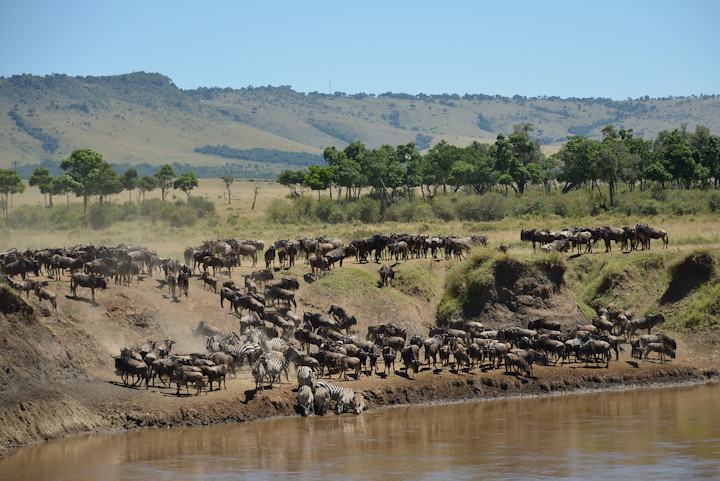
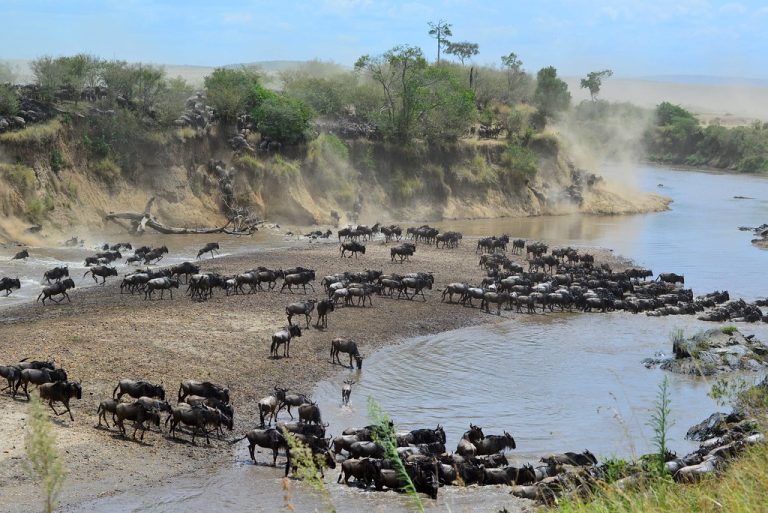
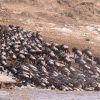
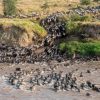
By July, hundreds of thousands of wildebeest, zebras, and gazelles have crossed the border from Tanzania into the Masai Mara. The open plains become a moving sea of black and brown bodies. This is also the month when the legendary, heart-pounding Mara River crossings begin in earnest. Driven by hunger and instinct, thousands of wildebeest plunge off steep dirt riverbanks into the surging river waters, braving giant Nile crocodiles and swift currents while lions wait in ambush on the opposite shore.
Why Visit in July?
- The World’s Greatest Wildlife Spectacle: July offers your first major opportunity to witness dramatic, high-adrenaline river crossings.
- The Big Five at Every Turn: With the massive influx of prey, lions, leopards, cheetahs, and hyenas are in their element, offering non-stop predator action.
- Perfect Camping Weather: Dry, cool nights make July ideal for luxury glamping or rooftop tent camping in private conservancies surrounding the reserve.
August: Peak Migration Drama & High Safari Season
August is the absolute peak of the Great Migration and the busier month on the Masai Mara safari calendar. The weather is dry, sunny, and pleasant, with daytime temperatures averaging 25°C (77°F). Vegetation is short and dry, making animals visible even at great distances.
Wildlife Experience & Highlights
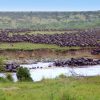
By August, the entire Masai Mara ecosystem—including the main reserve and adjacent conservancies like Mara North, Olare Motorogi, and Naboisho—is packed with over 1.5 million herbivores. Mara River crossings occur daily at iconic crossing points such as Purungat, Cul-de-Sac, and Main Crossing. Big cats are extremely well-fed and active, often seen stalking prey right alongside safari tracks.
Why Visit in August?
- Maximum River Crossing Frequency: August provides the highest statistical probability of witnessing a massive river crossing.
- Unmatched Wildlife Density: The concentration of animals per square kilometer in August is higher in the Mara than almost anywhere else on the planet.
- Prime Safari Atmosphere: The reserve is bustling with energy, wildlife filmmakers, and passionate safari enthusiasts from around the globe.
Note: Because August is peak season, park entry gates and major river crossing points can become congested. To enjoy a more private safari experience, consider staying in a private conservancy adjacent to the reserve.
September: Golden Plains & Big Cat Masterclasses
September continues the glorious dry season. The sun bakes the savannah into a classic golden-yellow canvas, and water sources shrink to permanent river channels. Temperatures rise slightly to a comfortable 26°C (79°F).
Wildlife Experience & Highlights
The wildebeest herds remain firmly established inside the Masai Mara throughout September, grazing contentedly on the rich, mineral-packed grasses. Because the grass is cropped short by millions of grazing mouths, tracking predators becomes remarkably easy. September is considered by expert guides as the absolute best month for tracking leopards in riverine woodlands and watching cheetah mothers teach their cubs how to hunt gazelles on the open plains.
Why Visit in September?
- Continued Migration Action: You get all the benefits of the Great Migration with slightly lower vehicle crowds than August.
- Optimal Big Cat Photography: Short grass and golden dust trails at sunset create iconic, magazine-quality wildlife photography conditions.
- Reliable 4×4 Travel: Dry, predictable weather ensures every corner of the reserve—including remote sectors like the Mara Triangle—is easily accessible.
October: Late Migration & Magical Sundowners
October marks the finale of the main dry season. Daytime temperatures warm up to 27°C (81°F), making afternoon game drives warm and pleasant. Toward late October, the first clouds of the “short rains” begin building on the horizon, bringing welcome afternoon relief.
Wildlife Experience & Highlights
As pastures in the Mara become grazed down, the wildebeest herds begin sensing the rain clouds gathering to the south in Tanzania’s Serengeti. Driven by the smell of rain, the herds start massing once again, preparing for their return journey south. River crossings still occur as herds double back across the Mara River. October is also famous for producing some of the most spectacular, fiery red sunsets in East Africa.
Why Visit in October?
- Fewer Tourists: As European summer holidays end, visitor numbers drop significantly in October, offering a quieter peak-season experience.
- Warm Weather & Sundowners: Enjoy warm, balmy evenings sipping cold drinks at scenic lookout points (“sundowners”) across the Mara plains.
- Great Transition Month: You catch the tail end of the Great Migration while enjoying shoulder-season pricing toward the end of the month.
November: The Short Rains & Green Renewal
November heralds the arrival of the “short rains.” Unlike the prolonged downpours of April, short rains usually manifest as brief, intense thunderbowls in the late afternoon, clearing up rapidly to leave crisp, fresh air and golden evening light.
Wildlife Experience & Highlights
The short rains trigger an instant ecological transformation. Within days, dry golden dust turns into fresh green shoots. The remaining migration herds head south back into Tanzania, leaving the Mara to its rich resident wildlife. November marks the arrival of thousands of migratory birds from Europe and Asia, making it a paradise for birdwatchers. Resident big cats remain territorial and easy to track around resident herbivore herds.
Why Visit in November?
- Low Crowd Levels: November is one of the quietest months of the year, perfect for travelers seeking peace and quiet.
- Birdwatcher’s Heaven: Over 500 bird species—including Carmine bee-eaters, crowned cranes, and various raptors—are active across the reserve.
- Emerald Scenery: The quick rejuvenation of the grass offers gorgeous contrast against red 4×4 vehicles and dark big cats.
December: Festive Bush Holidays & Newborn Boom
December blends the short rainy season with a festive, holiday atmosphere. Rain showers taper off toward mid-December, leading into warm, sunny conditions averaging 27°C (81°F).
Wildlife Experience & Highlights
December brings a second “baby boom” to the Mara. Impalas, warthogs, and antelopes drop their calves, attracting lions, leopards, and hyenas. The plains are lush, waterholes are full, and resident elephant herds wander through acacia groves with tiny newborn calves in tow.
Why Visit in December?
- Unforgettable Holiday Safari: Spending Christmas or New Year’s Eve sitting around a campfire under the stars in the Masai Mara is an unforgettable bucket-list experience.
- Lively Camp Atmosphere: Lodges and campsites pull out all the stops, serving special festive dinners and organizing cultural performances.
- Great General Wildlife: While the migration herds have returned south, resident game viewing remains world-class.
Ready to Plan Your Dream Masai Mara Self-Drive Safari?
Planning an overland trip to the Masai Mara involves more than just picking a month. You need to map out park entry gates, choose between the Main Reserve and Private Conservancies, select the right 4x4 rental vehicle (with or without a rooftop tent), and navigate seasonal road conditions.
Book a reliable 4x4 vehicle for your self-drive safari to the Masai Mara today! Let our team of East African safari experts help build a customized, step-by-step safari itinerary tailored to your travel dates, budget, and adventure goals.
Special Interest Safari Windows
Depending on your personal interests, here is how to pick your ideal month to visit the Masai Mara:
1. Best Time for the Great Migration & River Crossings
- Top Months: July, August, September, and October
- Why: This is when over 1.5 million wildebeest and zebras reside in the Masai Mara. River crossings across the Mara and Talek Rivers occur most frequently during August and September.
2. Best Time for Big Cats & Predator Action
- Top Months: January, February, August, and September
- Why: January and February feature thin grass and thousands of vulnerable newborn calves, triggering high predator hunting activity. August and September feature massive herbivore concentrations, keeping big cats well-fed and active.
3. Best Time for Photography
- Top Months: February, June, October, and November
- Why: February offers clear skies and clean light. June provides crisp mornings and thinning vegetation. October delivers dramatic golden light and fiery sunsets. November offers dramatic storm clouds, green grass, and vibrant birdlife.
4. Best Time for Budget Travelers
- Top Months: March, April, and May (Green Season)
- Why: Safari lodges, luxury tented camps, and vehicle hire companies offer discounts up to 40% off peak rates. Park entry fees and campsites are uncrowded.
5. Best Time for Birdwatching
- Top Months: November through April
- Why: Palearctic migratory birds arrive from the Northern Hemisphere, joining over 450 resident bird species. European rollers, cuckoos, bee-eaters, and raptors fill the skies.
Navigating the Masai Mara in a 4×4 Vehicle
A successful safari across the Masai Mara relies heavily on your choice of vehicle. The terrain inside the reserve ranges from smooth, open grassland tracks to rutted riverbeds, rocky ridges, and deep black cotton soil that can trap unprepared vehicles during the rainy season.
Why Choose a 4×4 Land Cruiser or Toyota Hilux?
Standard 2WD vans or low-clearance minivans struggle on unpaved park roads, especially after a heavy downpour. Renting a heavy-duty 4×4 Toyota Land Cruiser Hardtop, Land Cruiser V8, Prado TX, or Toyota Hilux Double Cab from 4×4 Kenya gives you significant advantages:
- High Ground Clearance: Easily clear deep ruts, rocks, and uneven river crossings without damaging the chassis.
- True 4WD with Low Range & Diff Locks: Effortlessly power through sticky mud or soft sand during the rainy seasons (March–May and November).
- Pop-Up Safari Roofs or Rooftop Tents: Pop-up roofs provide unobstructed 360-degree views for wildlife photography. If you choose an overlanding setup, heavy-duty soft-shell or hard-shell rooftop tents transform your 4×4 into an elevated, safe mobile basecamp.
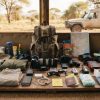
- Onboard Safari Equipment: Vehicles available through 4×4 Kenya can be outfitted with 12V electric fridges/freezers, dual-battery systems, recovery gear (winch, high-lift jack, sand tracks), water tanks, and complete camping kitchenette kits.
Public Campsites vs. Special Campsites in the Mara
If you are planning a self-drive rooftop tent camping trip to the Masai Mara, you have two primary camping options managed by county authorities and conservancies:
- Public Campsites (e.g., Eluai Campsite): Communal camping areas equipped with basic infrastructure—including shared pit latrines/flush toilets, basic shower blocks, and central water points. They host multiple groups, offering a safe and social basecamp.
- Special Campsites (e.g., Oloololo Special Campsite): Exclusive, unfenced wilderness sites located in pristine corners of the park (often along riverbanks). They have zero infrastructure—no toilets, running water, or trash bins. You must be 100% self-sufficient with onboard water, porta-potties, and recovery gear. Armed ranger escorts are typically required for night security.
Essential Packing & Travel Planning Tips
Regardless of which month you choose to visit the Masai Mara, thorough preparation guarantees a smooth journey:
- Layered Clothing: Even during hot months (January/February), early morning game drives at 6:00 AM are chilly (around 12°C–14°C / 54°F–57°F). Pack windproof jackets, fleece layers, and long trousers that you can shed as the sun warms up during the afternoon.
- Neutral Colors: Wear neutral, earth-toned clothing (khaki, tan, olive green, brown). Avoid bright colors (which startle wildlife), dark blue or black (which attract tsetse flies in bushy areas), and pure white (which gets dusty quickly).
- Footwear: Sturdy, comfortable closed-toe hiking shoes or trail sneakers are essential for campsite walking and vehicle step access.
- Sun & Insect Protection: High-SPF sunscreen, polarized sunglasses, wide-brimmed hats, and insect repellent containing DEET are mandatory year-round.
- Binoculars & Camera Gear: Bring a quality pair of 8×42 or 10×42 binoculars for every traveler. For photography, a DSLR or mirrorless camera equipped with a 70–300mm or 100–400mm telephoto zoom lens will capture incredible close-up shots.
- Navigation & Off-Grid Apps: Download offline mapping software (such as Maps.me or Gaia GPS) before entering the reserve, as cellular coverage can be spotty deep inside the park valleys.
- Health & Vaccinations: Consult a travel clinic regarding malaria prophylaxis, yellow fever requirements (especially if crossing borders to Uganda, Tanzania, or Rwanda), and routine vaccinations.

Frequently Asked Questions (FAQs)
1. Is it worth visiting the Masai Mara outside the Great Migration months?
Yes, absolutely! Over 80% of the Masai Mara’s wildlife is resident year-round. You will see lions, leopards, cheetahs, elephants, giraffes, buffalos, hippos, and zebras in large numbers every single month of the year. Visiting outside the migration months (such as January, February, or June) allows you to enjoy world-class game viewing with far fewer crowds and lower rates.
2. What is the single cheapest month to visit the Masai Mara?
April and May are the cheapest months. During this peak long rains period, lodges and safari vehicle hire rates drop significantly.
3. Can I do a self-drive safari in the Masai Mara?
Yes! Self-drive safaris are allowed inside the Masai Mara National Reserve and Mara Triangle. However, driving a high-clearance 4x4 vehicle (like a Land Cruiser or Hilux) is strongly recommended due to rough, unpaved dirt tracks. You must adhere strictly to park rules: stay on designated tracks, respect speed limits, stay inside your vehicle except at designated picnic sites, and never harass wildlife.
4. How many days should I spend in the Masai Mara?
We recommend spending at least 3 to 4 full days in the Masai Mara. This gives you sufficient time to explore different sectors of the reserve (such as the Mara River, Musiara Swamp, and Talek area) and increases your chances of spotting all Big Five and witnessing predator hunts.
5. What is the difference between the Masai Mara National Reserve and Private Conservancies?
The Masai Mara National Reserve is the core unfenced park managed by local county governments where public roads and major river crossings are located. Private Conservancies (such as Mara North, Naboisho, and Olare Motorogi) are community-owned land areas bordering the reserve. Conservancies limit the number of beds and vehicles, offer exclusive activities not allowed in the main reserve (such as night game drives, off-roading for big cats, and guided walking safaris), and directly benefit local Maasai landowners.
Summary: Choosing Your Perfect Masai Mara Safari Month
To recap, there is no single "wrong" time to visit the Masai Mara—only the month that best matches your personal safari goals:
July to October
Choose these months if seeing the Great Migration and Mara River crossings is your ultimate dream.
January to February
Choose these months if you want warm weather, newborn calving drama, and big cats with fewer crowds.
March to May
Choose these months if you are a budget traveler or photographer who loves green scenery, flowers, and peaceful trails.
November to December
Choose these months if you want a festive holiday safari, lush greenery, and amazing birdwatching.
Start Your East African Overland Adventure with 4x4 Kenya!
At 4x4 Kenya, we are dedicated to making your African safari seamless, safe, and unforgettable. From providing robust 4x4 Land Cruisers equipped with rooftop tents to helping you plan the ultimate self-drive route, we have everything you need for the road ahead.



No responses yet