
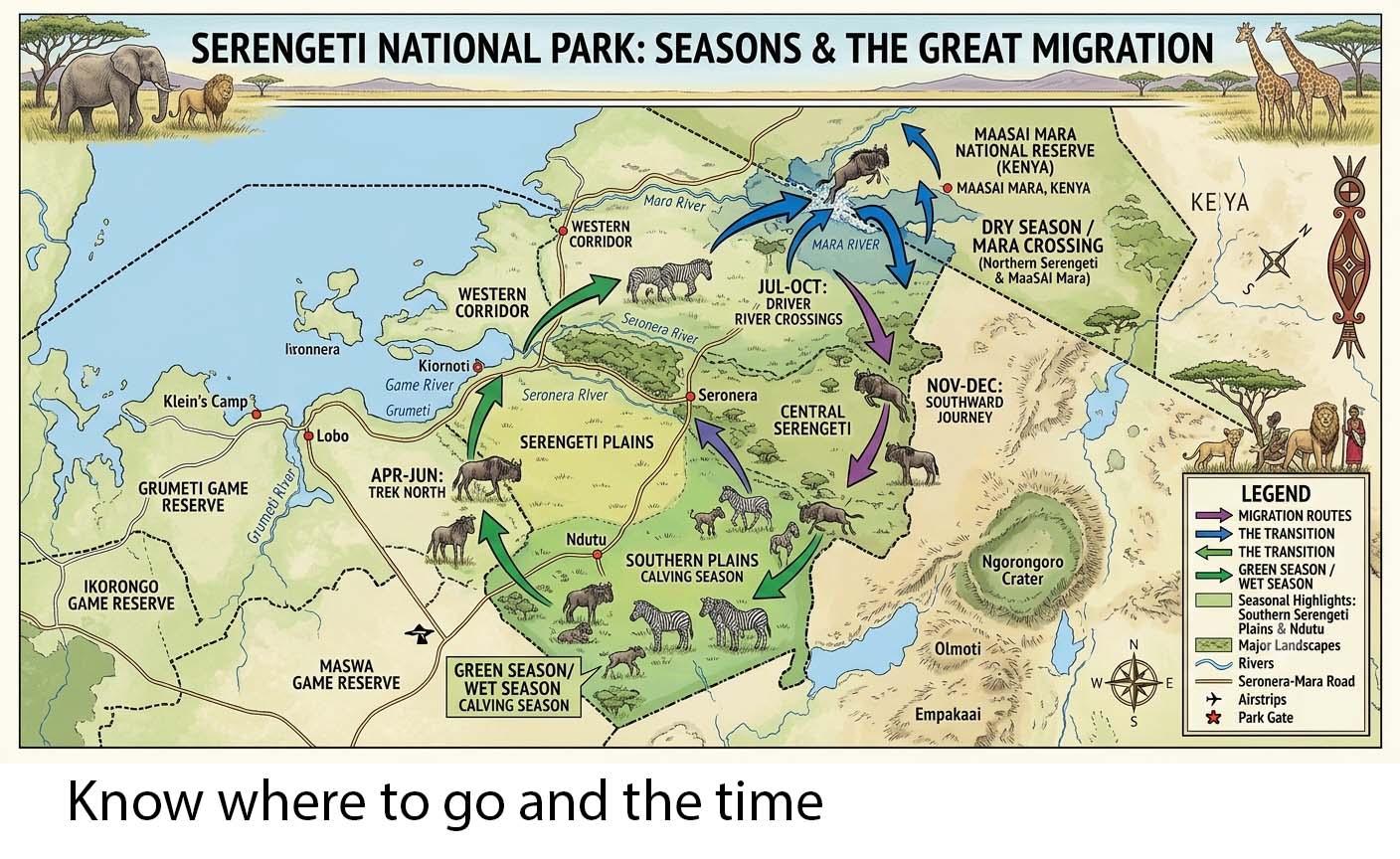
What is The Best Time to Visit Serengeti Month by Month
The Serengeti National Park in Tanzania stands as one of the world’s most iconic natural sanctuaries. Spanning over 14,763 square kilometers (5,700 square miles) of sprawling savannas, riverine forests, and granite kopjes, this UNESCO World Heritage site is world-renowned for its dense predator populations and the annual Great Wildebeest Migration—the largest overland movement of mammals on Earth.
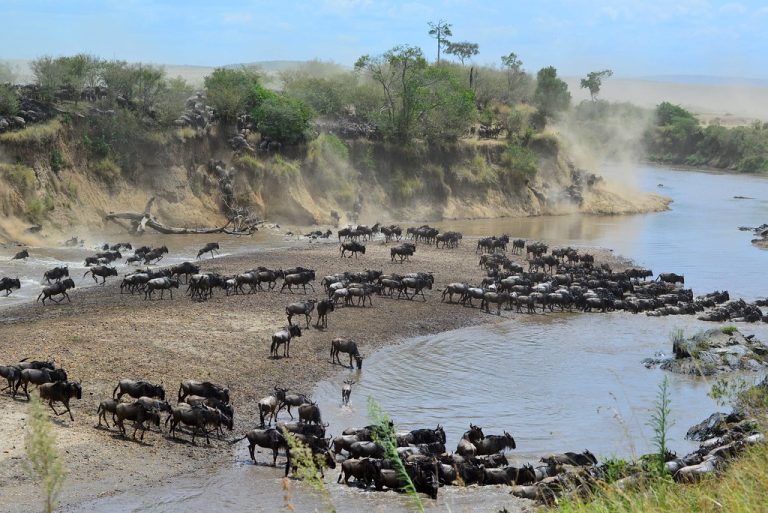
Choosing the best time to visit the Serengeti month by month depends heavily on what you want to experience. Whether your goal is witnessing dramatic river crossings, navigating off-grid tracks in a rugged 4×4 self-drive vehicle, photographing newborn calves on the southern plains, or enjoying lower lodge rates with minimal crowds, each month presents distinct advantages, weather patterns, and wildlife dynamics.
This comprehensive, month-by-month guide breaks down weather conditions, wildebeest herd locations, predator activity, park accessibility, and essential 4×4 driving advice to help you plan an unforgettable East African safari with 4×4 Kenya.
Quick Overview: Serengeti Seasons at a Glance
| Season | Months | Weather & Conditions | Highlights | 4x4 Driving Difficulty |
|---|---|---|---|---|
| Peak Dry Season | June – October | Dry, clear skies, cool nights, dusty trails | River crossings (Grumeti & Mara Rivers), prime predator viewing | Moderate (Dusty, corrugated roads, soft sand) |
| Short Rains | November – December | Brief afternoon showers, lush green scenery | Herds moving south, birdwatching begins | Moderate to Hard (Slick tracks, occasional mud) |
| Calving / Short Dry | January – February | Hot, dry periods with occasional rain | Wildebeest calving in Southern Serengeti, heavy predator action | Moderate (Black cotton soil near Ndutu when wet) |
| Long Rains | March – May | Heavy rainfall, lush landscapes, high humidity | Low season rates, zero crowds, incredible green-season photography | Challenging (Deep mud, heavy rutting; recovery gear essential) |

Serengeti Climate & Weather Overview
Understanding the Serengeti’s rainfall and temperature cycles is critical for planning both your itinerary and your transport logistics. The park experiences two main rainy seasons and two dry intervals each year:
- The Long Dry Season (June to October): Characterized by sunny days, low humidity, and temperatures averaging between 20°C and 27°C (68°F to 81°F). Vegetation thins out, natural water holes dry up, and animals cluster predictably around permanent water sources like the Seronera River and Mara River.
- The Short Rains (November to December): Brief, localized showers, typically occurring late in the afternoon. The rains refresh the dry plains, triggering the wildebeest to begin moving south from Kenya’s Masai Mara back into Northern and Eastern Serengeti.
- The Short Dry / Calving Season (January to February): Warm temperatures reaching 28°C to 30°C (82°F to 86°F). The southern plains dry out temporarily, setting the stage for synchronized wildebeest birthing.
- The Long Rains (March to May): Tropical downpours, especially in April. High grass, full rivers, and muddy tracks make certain remote tracks accessible only to heavy-duty, customized 4×4 safari vehicles fitted with mud-terrain tires and winches.
The Great Wildebeest Migration Summary Calendar
Match your travel dates with herd movements across the Serengeti ecosystem throughout the year.
Southern Serengeti & Ndutu
Calving Season & High Predator Action
Western Corridor & Grumeti River
Moving Northwest & Early River Crossings
Central to Northern Serengeti
Heading toward Kogatende & Lamai Wedge
Northern Serengeti & Mara River
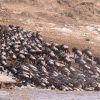
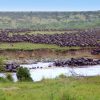
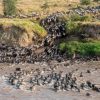
Peak Mara River Crossings & High-Density Viewing
Eastern & Southern Serengeti
Returning South for Fresh Pasture & Green Shoots
Comparing the Seasons: Which Time is Right for You?
1. High/Peak Dry Season (June to October)
- Ideal for: First-time safari travelers, river crossing enthusiasts, self-drivers wanting predictable track conditions.
- Pros: Minimal rain, reduced mosquito activity, sparse vegetation makes wildlife easier to spot, dramatic Mara River crossings.
- Cons: Premium lodge pricing, higher safari traffic at crossing sites, dusty roads.
2. Shoulder Seasons (January to February & November)
- Ideal for: Photography enthusiasts, predator lovers, travelers seeking a balance between good weather and moderate pricing.
- Pros: Calving season in Ndutu (Jan–Feb), lower crowd levels than August, lush backdrops, high big cat activity.
- Cons: Warmer temperatures, brief rain showers.
3. Low/Green Season (March to May)
- Ideal for: Experienced self-drivers, budget-conscious travelers, birdwatchers, photographers seeking dramatic cloudscapes and zero crowds.
- Pros: Massive discounts on accommodation and vehicle rentals, maximum privacy, green landscapes, excellent birding.
- Cons: Heavy downpours, impassable mud tracks requiring recovery skills, tall grass hiding smaller game.
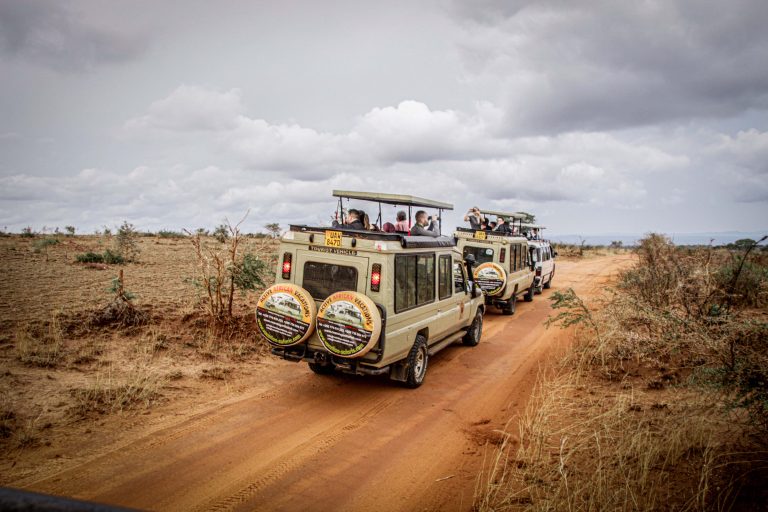
Self-Drive Safari Tips: Navigating the Serengeti in a 4×4
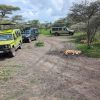
Exploring the Serengeti on a self-drive adventure in a customized 4×4 vehicle from 4×4 Kenya offers independence and flexibility. However, driving through remote African wilderness demands proper preparation, vehicle knowledge, and respect for park regulations.
1. Vehicle Selection
- Toyota Land Cruiser Hardtop (70 Series): The gold standard for East African safari terrain. Built with heavy-duty solid axles, high ground clearance, dual fuel tanks, and high/low-range 4WD.
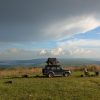
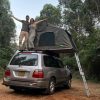
- Rooftop Tents vs. Lodge Stay: A 4×4 fitted with a pop-up roof or rooftop tent provides a complete camping solution for public and special campsites across Naabi, Seronera, and Kogatende.
2. Essential Recovery & Safety Equipment
When renting a 4×4 vehicle for self-drive in Tanzania, ensure your rental package includes:
- Dual Spare Tires: Punctures from sharp acacia thorns or jagged stones are common.
- High-Lift Jack & Jacking Board: Essential for changing tires on soft dirt or mud.
- Tow Straps & Shackles: For assisted recoveries in muddy terrain during the rainy season.
- Air Compressor: To re-inflate tires after deflating for sand or deep mud driving.
- GPS Navigation & Offline Maps: Download offline mapping applications (e.g., Maps.me or Gaia GPS) alongside paper topographical maps, as cellular service is limited in remote sectors like Kogatende and Western Corridor.
3. Key Driving Regulations in Serengeti National Park
- Speed Limit: Strictly 50 km/h on main transit highways and 30 km/h on safari tracks. Speeding fines are enforced by Tanapa rangers using radar units.
- Off-Road Driving: Strictly prohibited in most areas of Serengeti National Park to protect fragile ecosystems. Off-roading is only permitted in designated wilderness zones or specific sectors of the adjacent Ndutu / Ngorongoro area with appropriate park permissions.
- Park Gate Hours: Gates open at 06:00 AM and close at 06:00 PM. Plan your travel times between gates (e.g., Naabi Hill to Ikoma or Klein’s Gate) carefully to avoid hefty fines for night driving.
- Fuel Planning: Fuel stations inside the park are limited. Reliable fuel pumps are found at Seronera, but supply can fluctuate. Always top up your main and auxiliary fuel tanks at major towns (Arusha, Karatu) or at Seronera before venturing into Northern or Western sectors.
Cross-Border Self-Drive: Combining Kenya & Tanzania
Many international travelers choose to combine Kenya’s Masai Mara and Tanzania’s Serengeti into a single self-drive itinerary.
Key Considerations for Cross-Border 4×4 Rentals:
- COMESA Insurance & COMSTAT Permits: Ensure your 4×4 rental agency provides valid international insurance coverage and cross-border authority documentation (COMESA certificate and logbook authorization).
- Border Crossings: The primary overland border post between Kenya and Tanzania for self-drive safaris is Namanga (between Nairobi and Arusha) or Isebania (west of the Mara/Serengeti). Note that direct crossing between Masai Mara and Serengeti via the Sand River / Bologonja gate is restricted for tourist vehicles; travelers must loop through official border points.
- Customs & Visas: Secure your East Africa Tourist Visa (covering Kenya, Uganda, and Rwanda) or individual online e-Visas for Kenya and Tanzania prior to arrival.
Frequently Asked Questions (FAQs)
Everything you need to know about timing, costs, logistics, and safety in the Serengeti.
What is the single best month to visit the Serengeti?
Mara River Crossings If your primary goal is seeing the river crossings, the best months are August and September.
Calving Season If you want to see newborn calves and intense predator hunts, February is the optimal month.
When is the cheapest time to visit the Serengeti?
The low season during the "long rains"—April and May—offers the lowest rates for accommodation, lower 4x4 vehicle rental fees, and special promotional offers across luxury camps.
Can I drive myself through the Serengeti?
Yes, self-drive safaris in the Serengeti are legal and increasingly popular. You will need a reliable 4x4 vehicle (such as a Toyota Land Cruiser), a valid international driver’s license, and an understanding of park fees, gate hours, and rough-terrain driving techniques.
How many days do you need in the Serengeti?
A minimum of 3 to 4 days is recommended to cover one main sector (such as Central Seronera plus Northern Kogatende). To cover the entire park from South to North or combine it with Ngorongoro Crater, plan for an itinerary of 7 to 10 days.
Is the Serengeti safe for self-drive travelers?
Yes. Tanzania is one of Africa’s safest travel destinations. Stay alert on highways, observe speed limits, follow park wild animal safety guidelines (never get out of your vehicle outside designated picnic areas), and keep your vehicle stocked with fuel, water, and recovery tools.


No responses yet