
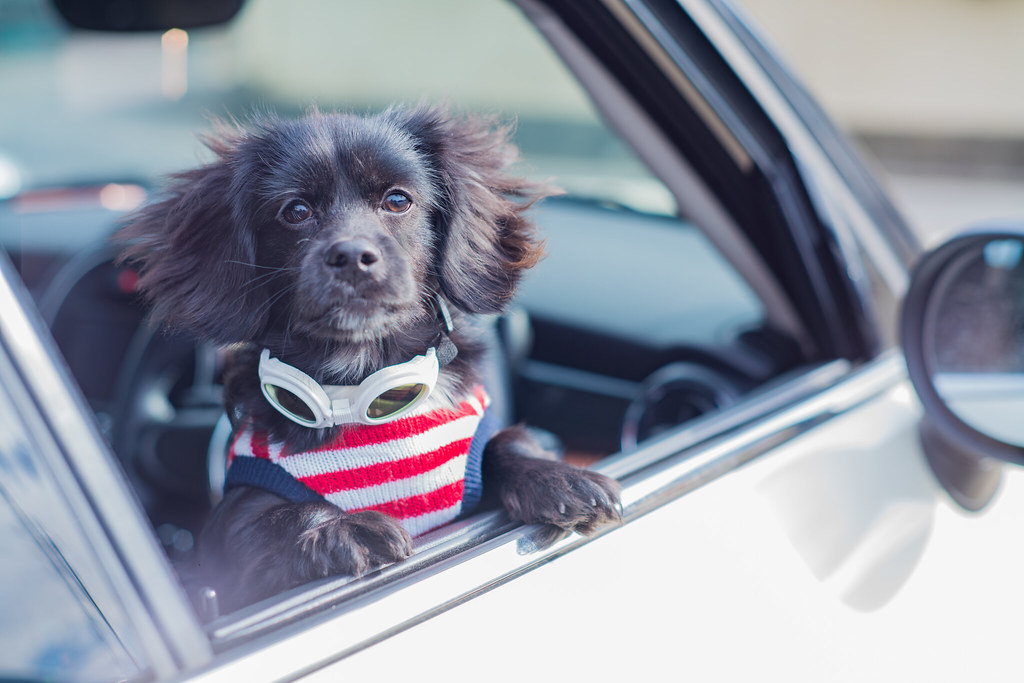
Can I Go on a Game Drive with My Dog in Kenya or Tanzania? A Pet-Friendly Self-Drive Safari To Masai Mara
Imagine waking up to the sound of distant lions roaring as the African sun bleeds gold across the savanna. You brew a fresh pot of Kenyan coffee at your campsite, pack your binoculars, check your tire pressure, and look over at your co-pilot—who happens to be a golden retriever wagging their tail in the passenger seat.
For passionate overlanders and pet parents, the ultimate dream is combining the thrill of an East African safari with the companionship of a furry best friend. However, navigating the legal, ecological, and physical realities of bringing a dog on safari in Kenya or Tanzania requires precise knowledge.
Can you legally drive into the world’s most famous game reserves with your dog? What happens if you get caught? Most importantly, how can you experience an epic 4×4 self-drive adventure across East Africa with your pet without breaking a single law or putting your animal in extreme danger?
This comprehensive guide answers these questions directly and outlines an exact 6-day self-drive itinerary centered around the legendary Masai Mara ecosystem, highlighting how to split your time between classic game viewing and pet-friendly overland exploration outside the park gates.
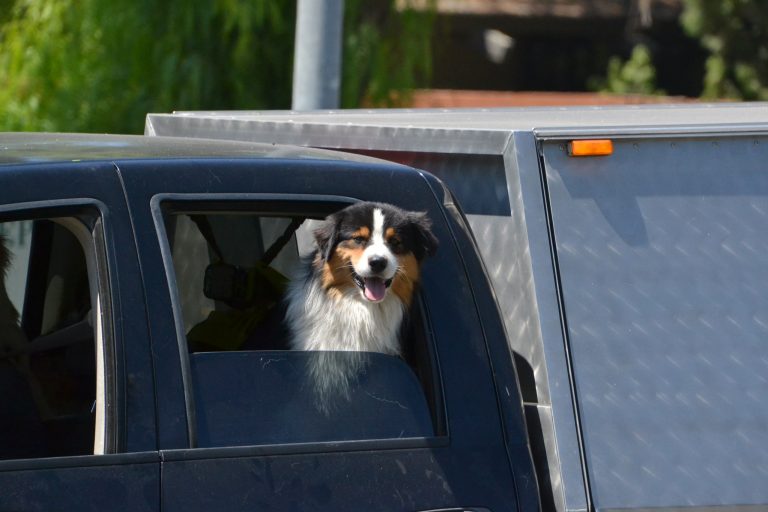
The Hard Truth: Are Pets Allowed Inside National Parks and Reserves?
Why the Rules Are Non-Negotiable
The strict prohibition against domestic animals is not arbitrary bureaucracy. It is designed to protect both the delicate ecosystem and your pet:
- Disease Transmission: This is the most critical factor. Domestic dogs can transmit devastating pathogens to wild carnivores. The most notorious is canine distemper virus (CDV). In 1994, a canine distemper outbreak wiped out nearly one-third of the lion population in the Serengeti-Mara ecosystem. The source was traced back to domestic dogs in surrounding communities. Parvovirus and rabies are equally catastrophic threats to endangered wild dogs, jackals, and hyenas.
- The Predator-Prey Dynamic: To a pride of lions, a lone leopard, or a spotted hyena, your dog does not look like a companion—it looks like an easy, highly localized meal or a territorial rival. The scent, barking, or even the sight of a dog inside a vehicle can trigger intense predatory focus or defensive aggression, putting everyone inside the vehicle at risk.
- Stress on Wildlife: National parks are sanctuaries where wild animals should remain undisturbed. The presence of a domestic predator (even a leashed, barking terrier) stresses smaller mammals, nesting birds, and ungulates, disrupting their natural foraging and mating behaviors.
Penalties for Breaking the Rules
Attempting to sneak a pet into a national park in a closed vehicle or disguised under a blanket carries severe consequences. If discovered at a entry gate or by a mobile ranger patrol, you face:
- Immediate eviction from the conservation area.
- Heavy financial fines running into hundreds of dollars.
- Potential confiscation of your vehicle or a formal arrest under wildlife protection statutes.
The Loophole: How to Go on a Self-Drive Safari with Your Dog
While the gates of the national parks remain firmly closed to your dog, you can still experience an incredible East African self-drive safari with your pet. The key lies in understanding that East Africa’s wildlife does not abide by human-drawn map boundaries.
Enormous numbers of animals live, roam, and forage completely outside the official park boundaries. By leveraging Wildlife Conservancies, community lands, and cross-border ranch corridors, you can design an overland route where you can drive through wildlife-rich territory with your dog beside you.
1. Target Private and Community Conservancies
In Kenya, particularly within the Greater Mara Ecosystem and Laikipia, massive tracts of land are designated as private or community-owned conservancies. These lands are managed collaboratively by local Maasai landowners and conservation tourism operators.
Because they are privately run, they establish their own operational rules. While many still restrict pets within their core wildlife-viewing sectors to prevent predator conflict, several community-managed buffer zones, community ranches, and specific eco-lodges permit well-behaved dogs on leash within their perimeters.
2. Base Yourself in Peripheral Buffer Zones
The areas directly adjacent to the Masai Mara and the Serengeti consist of unfenced pastoral lands. Wildlife moves freely back and forth across these borders. By booking pet-friendly campsites or private cottages located just outside the main reserve gates (such as near the Talek, Sekenani, or Oloolaimutia gates in the Mara), you can camp in the wild with your dog, hear the wildlife at night, and see animals grazing along the roadsides.
3. The “Tag-Team” Safari Strategy
If you want to experience the inner tracks of the National Reserve while traveling overland with your pet, the most effective approach is the tag-team strategy.
Many pet-friendly accommodations located just outside the park gates offer secure, supervised spaces or can arrange for trusted local staff to watch your dog at the camp for a few hours. This allows you to leave your pet safely at your base camp while you drive into the national park for an early morning or afternoon game drive, returning to your dog for evening campfires and overland exploration outside the gates.
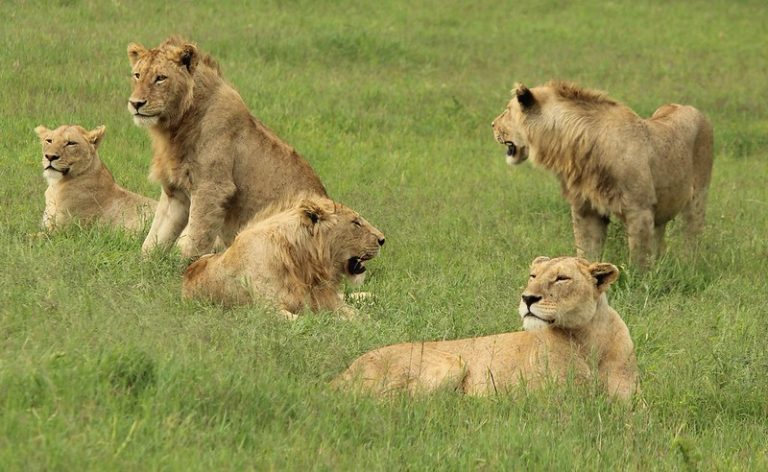
6-Day Masai Mara Pet-Friendly Self-Drive Itinerary
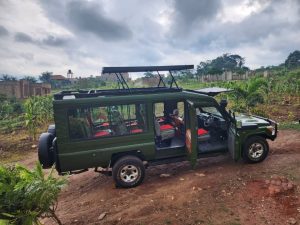
This curated 6-day itinerary is designed for overlanders driving a fully equipped 4×4 vehicle accompanied by their dog. It maximizes wildlife exposure, utilizes pet-friendly routes outside the official reserve boundaries, and incorporates the tag-team strategy to ensure you experience the best of the Masai Mara without violating any wildlife regulations.
Route Overview Map & Quick Reference
| Itinerary Details | Safari Activity & Pet Status |
|---|---|
|
DAY 1 From: Nairobi To: Sekenani Buffer Zone |
Scenic drive down the Rift Valley (Dog in vehicle) |
|
DAY 2 From: Sekenani Camp To: Masai Mara Inner Reserve |
Sunrise game drive (Dog at camp daycare) |
|
DAY 3 From: Sekenani Camp To: Siana Community Ranch |
Wildlife spotting & walking safari (Dog on leash) |
|
DAY 4 From: Sekenani Camp To: Mara River / Inner Reserve |
Crossing the Mara plains (Dog at camp daycare) |
|
DAY 5 From: Sekenani Camp To: Maji Moto / Loita Hills |
Cultural drive & wild bush camping (Dog welcome) |
|
DAY 6 From: Loita Hills To: Nairobi |
Return journey via Narok (Dog in vehicle) |
Day 1: Nairobi to the Masai Mara Periphery (Sekenani)
- Distance: Approximately 240 km
- Driving Time: 5.5 to 6 hours
- Terrain: Tarmac from Nairobi to Narok; mixed tarmac and rough, corrugated gravel/dirt roads from Narok to Sekenani Gate.
Morning: Departure and the Rift Valley Descent
Set off early from Nairobi to escape the city’s morning traffic. Ensure your dog is securely harnessed or crated in the back of your 4×4 with plenty of ventilation. Your first major milestone is the spectacular descent down the Great Rift Valley escarpment along the NH-4 highway.
Stop at the Mai Mahiu viewpoint for a stretch. While this is a public stop where your dog can exit the vehicle on a leash to stretch their legs, keep a close watch for local baboons that frequent the roadside looking for food scraps. Baboons can be aggressive toward domestic dogs.
Afternoon: Sourcing Supplies in Narok
Continue your drive through the vast agricultural plains of Suswa and up into Narok Town, the final major commercial hub before entering the Mara region. This is your last chance to stock up on fuel, clean drinking water, and fresh provisions.
Important Pet Tip: There are no veterinary clinics or pet stores stocking premium dog food in the Masai Mara ecosystem. Use the supermarket in Narok to purchase extra bottled water specifically for your pet to prevent waterborne parasites.
Evening: Settling into the Buffer Zone
From Narok, take the C12 road toward the Sekenani Gate. As you approach the hills surrounding the reserve, keep your eyes peeled; it is common to spot zebras, giraffes, and impalas grazing right alongside the unfenced road.
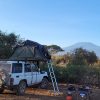
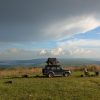
Check into a pet-friendly campsite or eco-camp located in the buffer zone outside the gate (such as Oldarpo Maasai Mara Camp or similar community-adjacent private campsites that permit pets by prior arrangement). Set up your ground or roof-top tent, keep your dog close on a leash as night falls, and fall asleep to the acoustic backdrop of the African bush.
Day 2: Inside the Reserve (The Tag-Team Game Drive)
- Location: Masai Mara National Reserve (Inner Tracks)
- Pet Status: Strictly NOT allowed inside. Dog remains safely at your base camp under pre-arranged supervision.
Morning: Dawn Entry into the Mara
Wake up before dawn at 05:30 AM. Ensure your dog has had a short morning walk within the secure perimeter of your camp, has been fed, and is settled with the camp’s management or a designated, trusted local guide with whom you have pre-arranged a pet-sitting schedule.
Drive through the Sekenani Gate exactly at 06:00 AM as the park opens. Pay your vehicle entry and conservation fees at the KWS/County counter. Because you are on a self-drive safari, lower your tire pressure slightly for better traction on the interior dirt tracks.
Head toward the Keekorok region or follow the loops along the Sand River. Without a guide, use an offline mapping app like Maps.me or Tracks4Africa to navigate. Look for fresh tracks on the road; early morning is peak hunting time for lions and leopards.
Afternoon: Midday Rest and Camp Reunion
By 11:30 AM, the sun is high, the temperature rises sharply, and the apex predators retreat deep into the shade of whistling thorn bushes, making game viewing quiet. Drive back to the Sekenani Gate and return to your base camp.
Reunite with your dog, ensure they have fresh, cool water in the shade, and spend the hot midday hours resting under the acacia canopy.
Evening: Sundowner Outside the Gates
In the late afternoon, pack a cooler box, put your dog in the 4×4, and drive along the community access tracks that run parallel to the reserve boundary. Find a high rocky kopje (isolated hill) outside the park limits.
Here, you can sit on your tailgate with your dog on a leash, enjoying a classic African sundowner while watching the sunset over the distant Mara plains.
Day 3: Exploring Siana Community Conservation Ranch
- Location: Siana Group Ranch Buffer Zone
- Pet Status: Allowed on-leash in designated community zones.
Morning: Driving the Siana Hills
Today is dedicated to exploring the magnificent wild terrain outside the reserve where your dog can accompany you. Drive east from Sekenani toward the Siana region. This area consists of community ranch lands that serve as a critical migratory corridor for elephants and wild ungulates moving between the Amboseli ecosystem and the Mara.
The driving here is rugged and requires engaging 4WD high range as you navigate dry riverbeds (luggas) and rocky tracks. Because you are outside the formal reserve, you can stop your vehicle anywhere, roll down all windows, and let your dog enjoy the rich scents of the wild savanna.
Afternoon: The Safe Bush Walk
Locate a Maasai community village (Manyatta) or an eco-lodge that partners with local community guides. Hire a local Maasai warrior to guide you on a foot safari through the safe, open scrubland areas of the ranch.
Safety Protocols for Walking with Your Dog:
- Keep your dog on a short, sturdy non-retractable leash at all times.
- Your Maasai guide will carry a traditional spear or walking stick (shuka) and will lead the way to scan for any large hidden wildlife like buffaloes or elephants resting in dense thickets.
- If your dog alerts or growls at a bush, stop immediately and back away; domestic dogs often scent predators long before human eyes detect them.
Evening: Campfire Cooking
Return to your base camp before dark. Collect fallen acacia firewood along the legal community boundary tracks. Build a large campfire, roast your dinner over the open coals, and keep your dog close to your chair.
As darkness settles, you will likely hear the eerie, rising whoop of spotted hyenas scavenging along the periphery. Ensure your dog remains inside your tent or secure vehicle cabin before night fully falls.
Day 4: Deep Mara Self-Drive (The Mara River Run)
- Location: Central Plains, Musiara Swamps, and the Mara River
- Pet Status: Strictly NOT allowed inside. Dog remains safely at your base camp under pre-arranged supervision.
Morning: Navigating the Central Plains
Leave your pet in the care of your base camp team for a second, extended exploration of the inner reserve. Today, your goal is to traverse the vast open plains toward the western sector of the Mara. Enter through the gate early and take the primary dirt routes heading toward the Musiara Marsh and the Rhino Ridge.
This sector is famous for its massive concentrations of plains game—thousands of wildebeest, zebras, and topi antelopes cover the landscape. Keep a sharp eye on the seasonal watercourses for cheetahs using the elevated terrain to scan for prey.
Afternoon: The Mara River Hippos and Crocodiles
Drive all the way to the banks of the Mara River. Park your vehicle at a designated KWS ranger point where you can stretch your legs accompanied by an armed ranger.
Look down into the muddy brown waters to observe pods of hippos honking and splashing, alongside enormous Nile crocodiles basking on the sandbanks.
Evening: Return and Vehicle Check
Head back toward the Sekenani side of the park, ensuring you exit before the strict 18:00 PM closing gate curfew. Back at camp, check your dog thoroughly for any signs of ticks or biting flies.
Give your vehicle a quick inspection as well, checking for any sharp acacia thorns embedded in your tire sidewalls after a long day on the dirt tracks.
Day 5: Sekenani to Maji Moto and the Loita Hills
- Distance: 85 km
- Driving Time: 2 to 3 hours
- Terrain: Rough dirt roads, rocky climbs, and unpaved bush tracks requiring good ground clearance.
Morning: Journey to the Hot Springs
Pack up your entire camp, load your 4×4, and bid farewell to the Sekenani buffer zone. Drive back down the C12 route, then turn off toward Maji Moto, a remote settlement situated at the foot of the dramatic Loita Hills.
Maji Moto is famous for its natural, crystalline hot springs that bubble up out of the earth at a constant temperature of around 37°C (98°F). Your dog can accompany you throughout this entire overland journey, as the route passes exclusively through community lands and open rangelands.
Afternoon: Exploring the Loita Forest
The Loita Hills hold some of the most pristine, unvisited montane forests in Kenya, known locally as the “Forest of Lost Child.” Drive your 4×4 up the winding, rocky tracks into the higher elevations. The air cools down significantly here, providing a welcome relief for your dog.
Find a scenic spot along the ridges overlooking the vast plains below. Because this area is entirely outside state park control, you can explore the tracks with your dog in the front seat, windows down, taking in the panoramic views of the Great Rift Valley system.
Evening: Wild Bush Camping
Set up a wild bush camp in a designated community-approved clearing in the Loita foothills. This is pure, unstructured overlanding. Cook a hearty meal on your gas stove, sit back, and enjoy the stars with your dog lying at your feet.
Ensure your dog sleeps securely inside your rooftop tent or inside the enclosed cab of your vehicle, as leopards are known to inhabit the forested valleys of the Loita Hills.
Day 6: Loita Hills through Narok back to Nairobi
- Distance: 210 km
- Driving Time: 5 hours
- Terrain: Dirt tracks transitioning back to smooth tarmac at Narok Town.
Morning: Final Bush Sunrise
Enjoy a relaxed breakfast at your wild campsite as the morning mist clears from the Loita valleys. Take your dog for a brief, final walk along the dirt tracks, ensuring they stay close to avoid disturbing any local livestock herded by Maasai children.
Pack your gear, secure your storage boxes, and ensure your vehicle’s recovery gear is easily accessible for the drive back down the hills.
Afternoon: The Return Drive
Navigate the dirt roads back to the main Narok-Mara tarmac highway. Stop once more in Narok Town to refuel your 4×4 and buy cold drinks.
Your dog can take a final rest break in a shaded spot near the fuel station before you begin the steady climb back up the steep escarpment road toward Nairobi, completing your pet-friendly self-drive safari.
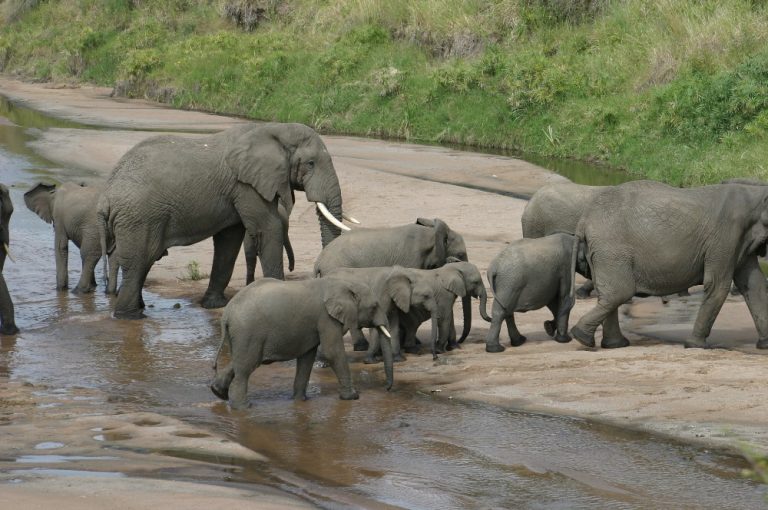
Vital Legal, Health, and Safety Guide for Pets in East Africa
Successfully executing a self-drive safari with your dog requires meticulous preparation regarding border controls, veterinary health, and safety protocols.
1. Cross-Border Legal Requirements (Kenya & Tanzania)
Moving a pet across international borders in East Africa requires specific documentation. You cannot simply drive up to the Namanga or Isebania border posts and expect to cross with a dog without prior paperwork.
- Microchip: Your dog must be fitted with an ISO 11784/11785 compliant 15-digit microchip.
- Rabies Vaccination: Must be administered at least 21 days prior to travel and no more than 12 months before entry. Note that multi-year rabies vaccines are generally not recognized by East African border officials; the vaccine must be fresh within the past year.
- Import Permits: You must obtain a formal Veterinary Import Permit in advance from the respective ministry of agriculture/livestock:
- Kenya: Issued by the Director of Veterinary Services (DVS) via the State Department for Livestock.
- Tanzania: Issued by the Ministry of Livestock and Fisheries.
- International Health Certificate: A certified veterinarian in your country of departure must sign and stamp an international health certificate within 5 to 11 days of your border crossing crossing date.
2. High-Risk Health Hazards in the Bush
The African wilderness presents serious health risks to domestic animals that have not built up local immunities:
- Tsetse Flies and Trypanosomiasis: Tsetse flies populate dense bush sectors along seasonal rivers in both the Mara and Serengeti. Their bites transmit trypanosomiasis (sleeping sickness), which can be fatal to dogs. Use a vet-approved insect-repellent spray or a specialized collar (such as those containing deltamethrin) to deter biting flies.
- Tick-Borne Diseases: The savanna grasses host dense populations of ticks carried by wild buffaloes and antelopes. They transmit canine ehrlichiosis and babesiosis (tick fever). Ensure your dog is on a strict, high-potency systemic tick and flea preventative (like Bravecto, NexGard, or Simparica) before setting off.
- Snakebites and Scorpions: Puff adders, black mambas, and spitting cobras inhabit the rocky kopjes and long grasses of the bush. Keep your dog strictly on-track and out of thick cover or deep rock crevices where snakes rest during the heat of the day.
Essential Packing List for a Dog Self-Drive Safari
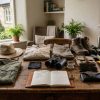
Before turning the ignition key, ensure your 4×4 is packed with these essential items designed specifically for your pet’s comfort and survival in remote areas:
Final Verdict: Is It Worth It?
Taking your dog on a self-drive trip through Kenya or Tanzania requires careful planning, adherence to local regulations, and an understanding of where your pet can and cannot go. While you must leave your dog at a secure camp base when entering the inner tracks of the Masai Mara or Serengeti, the freedom of overlanding through the vast, wild community conservancies and mountain ridges outside the gates offers an unmatched experience.
By respecting the rules of the national parks, prioritizing your pet’s medical needs, and utilizing the community buffer zones, you can execute a safe, lawful, and genuinely unforgettable East African self-drive safari with your loyal companion by your side.

No responses yet